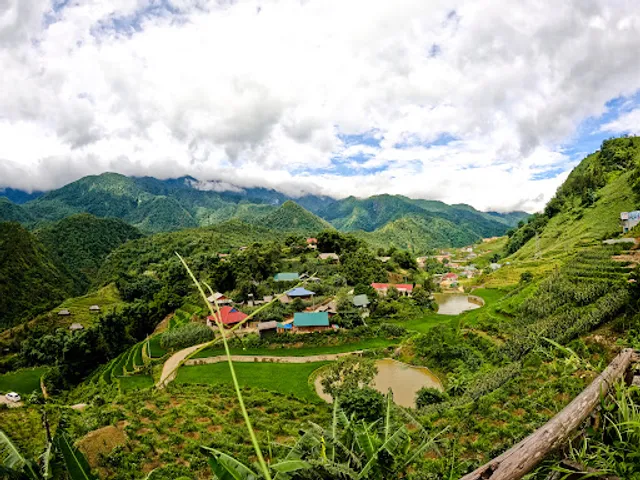
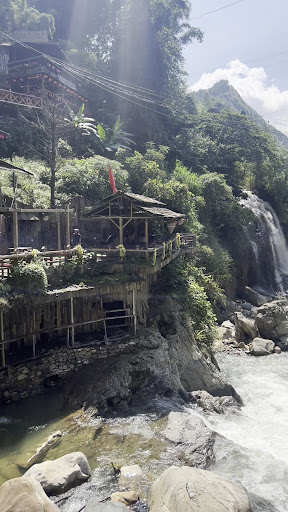
Welcome to Cat Cat Village, also known as the Sand People's Village, because let's face it, they're basically living in sand. It's like a hidden gem nestled in Sapa, but before you can enter this magical place, they're gonna make you cough up around 150,000 VND. Don't worry, though, I've got a sneaky plan to get you in for free. Shh, it's our little secret.
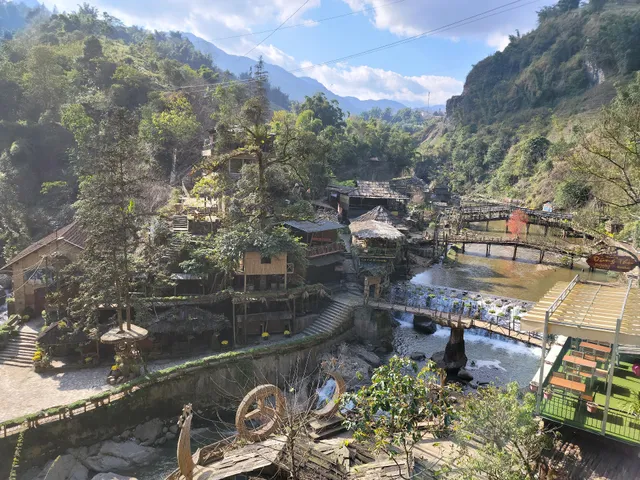
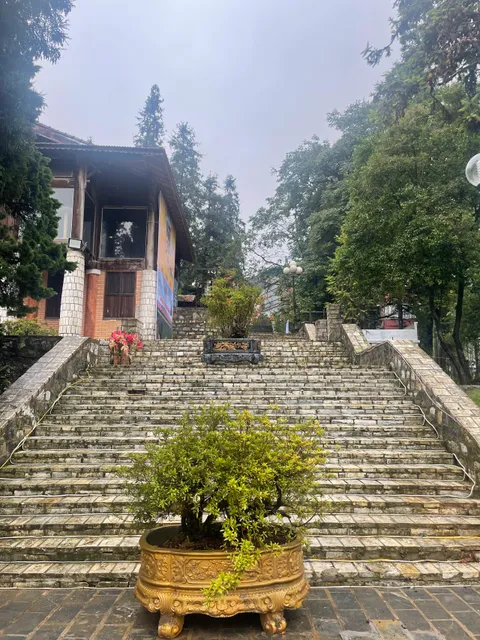
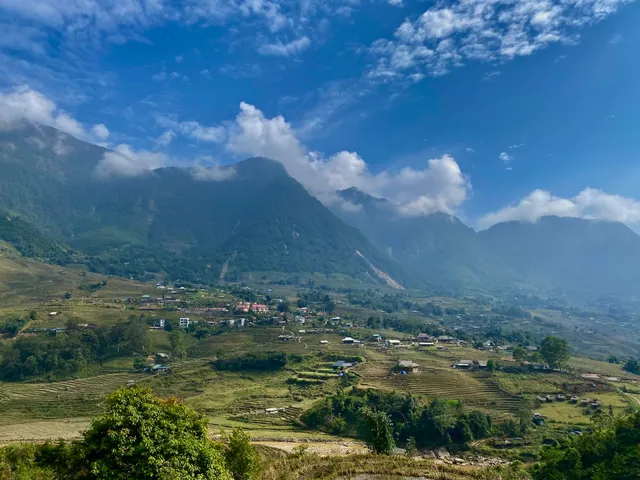
Now, picture this: a village built on a slope, because apparently, flat land is way too mainstream for these folks. The paths are so narrow and the steps are so steep that it's like an extreme workout just to get around. If you've got mobility issues, I highly recommend bringing a sidekick to assist you, preferably someone who won't mind being your human crutch.
The best part is that most of the attractions in the village won't cost you a dime. You can explore, take cheesy tourist photos, and have a grand old time. But, beware, my friend, some attractions might demand a small sacrifice in the form of buying something before they'll let you snap a pic.
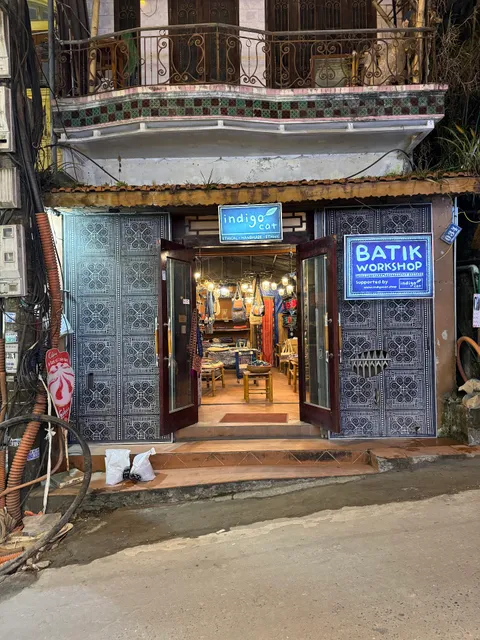
Now, let's talk about the local vendors. They've got a whole range of goodies for sale, from stylish bags to buffalo jerky. Just keep in mind that English isn't exactly their strong suit, so haggling might be like trying to teach a cat to play the piano. Good luck with that.
But wait, there's more! The piÚce de résistance is the majestic waterfall at the bottom of the village. It's like nature's way of saying, "Hey, forget about those entrance fees, come check out this beauty!" Just take a right turn at the only straight downward path, and voilà , you can't miss it. Seriously, you'd have to be blindfolded and wearing earplugs to miss it.
And here's the big reveal: if you're not keen on parting ways with your hard-earned cash, hop on a rented motorcycle and follow the one and only path. Ride across the Cat Cat Village bridge like a boss (don't worry, the locals do it too), and then brace yourself for a thrilling on-foot adventure. In just 10-15 minutes, you'll be standing in front of that waterfall, feeling like a budget-savvy explorer. Who needs entrance tickets anyway?
So, go forth, my frugal friend, and conquer Cat Cat Village with your wit, charm, and penny-pinching skills. Just remember to enjoy the journey and soak up the beauty of this quirky...
   Read moreIt was my first day in Sapa and I was wondering where to go. I read many reviews saying Cat Cat Village is crowded and a tourist trap but I went anyway.
Cat Cat village is extremely beautiful and the waterfall is amazing. You should 100% visit if you are in Sapa. Yes it is for tourist, and you are probably one. Prices are not unreasonable at all they are doing it for a living. Especially with the number of staff they have on the ground to care for tourists. You usually wouldnât notice them but thanks to my broken foot, I met a whole bunch of them who helped me and cared for me.
Yes, an unfortunate accident happened to me there (totally my fault, I tripped) but at the same time because of it, i am 100% certain that faith in humanity has restored. Thanks to the amazing and caring tourists, Cat Cat Village staffs and every other Vietnamese I met in Sapa. I have never felt so safe in a foreign country.
I truly wish to give the Cat Cat village staff a big shout out for taking turns to piggyback me out of Cat Cat Village. I was literally at the lowest part of Cat Cat Village! It is a crazy hike of stairs all the way up. Once at the top, they even took care of me by making sure I got a buggy ride and then a motor ride back out to a main street, got me a taxi to the nearest medical center. They did all that and rejected my tip. đđ (Even the taxi driver waited for me to be done at the clinic, sent me to have dinner at a restaurant and sent me back to my hotel) đ„č
To all the Vietnamese tourists who assisted me to a seat and took a look at my foot, thank you so much. To the American tourist and his tour guide who helped translated for me and activated the Cat Cat Village Staff to make sure I will be taken care of, thank you so much.
Among the chaos of tears and pain, I didnât manage to get any oneâs name. So for anyone who happened to be reading this and helped the solo travelling girl in a white dress with a broken foot by Cat Cat villageâs waterfall on 19th May, truly thank you so much. It is a shame my trip here will be cut short. But i will definitely come back...
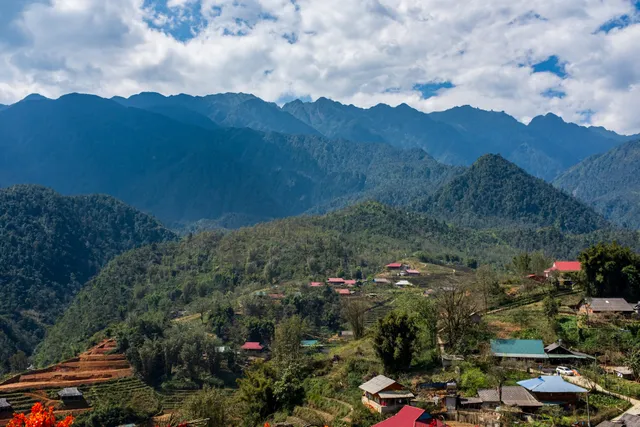
   Read moreNestled in a beautiful valley about three kilometers from Sapa Town, Cat Cat- the old village of ethnic groups- attracts tourists from all over the world for its distinctive customs and practices which have been lost in almost ethnic villages. The village is within easy walking distance from any hotel in downtown Sapa. Nestled in a beautiful valley about three kilometers from Sapa Town, Cat Cat- the old village of ethnic groups- attracts tourists from all over the world for its distinctive customs and practices which have been lost in almost ethnic villages. The village is within easy walking distance from any hotel in downtown Sapa. Overview Cat Cat cultural village was formed in 19th century by the gathering of some families belonging to some ethnic groups living in mountainous areas of northern Vietnam, especially Black HâMong .They lived next to each other along the mountain side and cultivated surrounding their home. Rice and corn were grown in terraced fields, while traditional handicrafts such as twisting flax and weaving fabric have been well-kept. Through times, Cat Cat Village has transferred to one appealing feature of Sapaâs tourism. What to see? Visiting Cat Cat, tourists will be impressed by the peacefully picturesque sceneries. People can easily catch sight of women sitting in front of the loom with colorful pieces of brocade, while children playing around with pets or even livestock. From the plain brocade, then women can carefully dye them with special leaves and embroider beautiful patterns of flower and animal on them. Moreover, many residents of Cat Cat Village are also skillful at manipulating sophisticated gold and silver jewelry. The original architect of HâMong people is interesting as well. Their house typically contains three rooms with three doors and po mu wood roof, while the wallsâ material is sawn timber. There are other indispensable parts of the house such as altar, kitchen, places for keeping food and...
   Read more