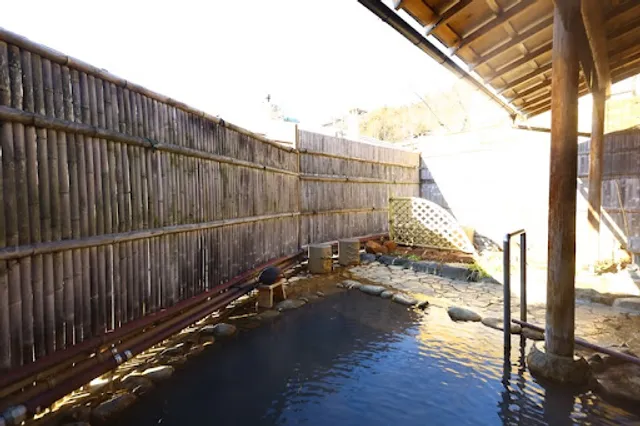
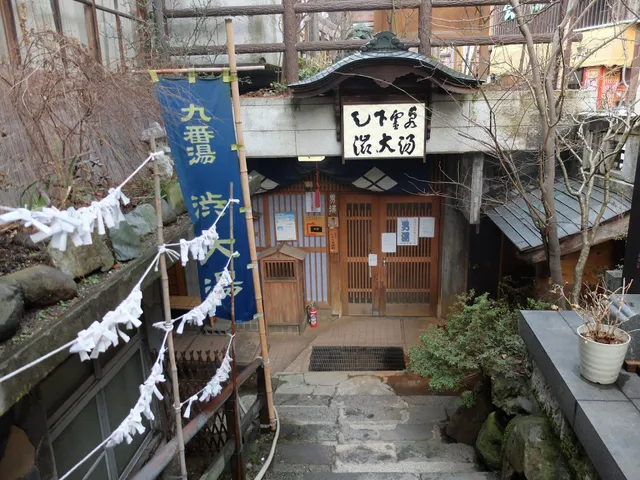
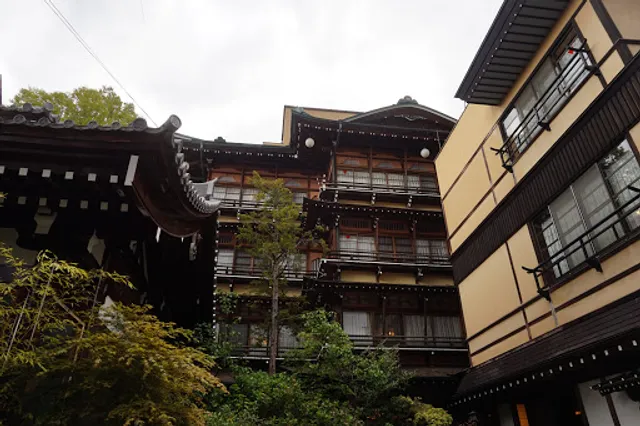
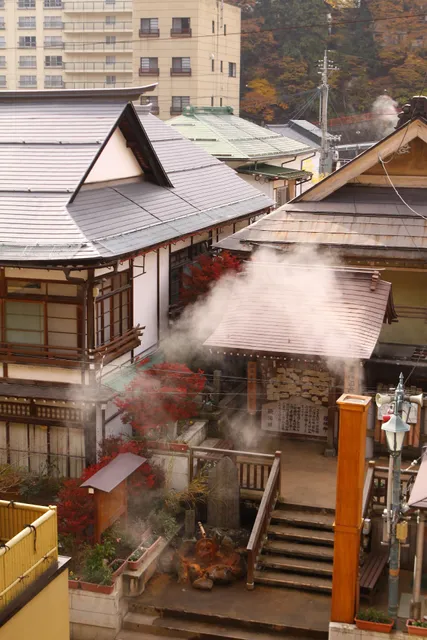
If you plan to ski in Shiga Kogen and you’re wondering where to stay, you have to answer a first basic question: do you stay in a contemporary hotel up on the slopes, or down in the valley in a traditional Japanese ryokan with an onsen fed by natural hot springs? ||This review is a recommendation to go for the ryokan experience, and specifically for the Shibu Hotel in the village of Yudanaka. To understand the Shibu’s charms I’m prefacing my comments with what I think is important context and useful info.||Shiga Kogen is a vast ski area of 18 interlinked resorts. The resorts are located on the slopes of the mountains at about 1400 meters (4600 ft). Many appear to have been built in the 1990s for the Nagano olympics. Many of them are ski in/out. We did not visit any of them, but as best we could tell there are few if any restaurants, bars or convenience stores that aren’t located inside a hotel. These are resorts.||The resort experience is probably great. There are so many lifts and gondolas that we literally did not have to wait in line once. There are so many trails that we never felt crowded. There were even times we had an entire piste to ourselves from the summit at 2000 meters to the gondola station below. In five days skiing we managed to explore a fraction of the Shiga area. It’s fabulous. If all you want to do is shred, ski out at 8:30 and ski back in at 4:30, this is the place to do it. You can ski till you drop.||But if you also want a bit of the Japanese cultural experience, you should stay in Yudanaka, an ancient little village built around the Shibu Onsen hot baths whose history goes back more than a thousand years to when it was the place for a bath and a rest for pilgrims on their way to the Zenkoji Temple.||Yudanaka is the last stop on the Nagano Dentetsu electric rail line. The main village lane is a charming narrow street cobbled with small pavers and lined by traditional wooden ryokan and small stores (one converted to a free public table tennis hall), interspersed by skinny alleys that lead up the hillside to who knows where. There are also little restaurants -typically seating no more than a dozen people- next to shrines, old carved-stone, spring-fed foot baths and, of course, the onsen. ||There are nine onsen in Yudanaka. Each taps a different hot spring in the mountains above - each is said to deliver water with slightly different mineral properties, to treat different types of ailments. Some people buy a commemorative junyoku on which to collect a stamp from each onsen. ||All guests staying in the member-ryokans are welcome to use the onsen for free (non guests pay a small fee). So foreigners and Japanese both walk the village lane, wearing their yukata and geta, more about which later.||These nine public onsen are maintained by a group of village ryokan owners. We stayed in one of these inns called the Shibu Hotel. It was one of the most charming travel experiences of our lives.||Management of a ryokan is typically a family affair. Ownership in some families extends back more than 15 generations. The Shibu hotel has been in the Yamada family for three generations and they take enormous pride in making their guests feel like family. ||Different hotels in different places call for different approaches to their guests. I wouldn’t expect to be treated as family in, say, a fashionable Manhattan boutique hotel, but in a ryokan the tone is set the moment you enter the front door: you sit down on a stool to remove your shoes and pull on slippers from the inn’s collection, slippers that have been worn by many guests before. This simple act creates a different sensibility, from the moment that you arrive.||Nevertheless I cannot stress enough the impact of Kazuyoshi Yamada and his wife and family on the experience. They are all immensely proud of their business that has been in the family for nearly 100 years. They clearly take great pleasure in making their guests happy and go out of their way to make it so. Whether offering to drive you to and from Snow Monkey Park first thing in the morning, or finding painkillers and bandages for a sprained wrist late at night, they are always happily attentive, always wreathed in smiles, always helping you feel welcome, perhaps with an impromptu lesson on how to wear the yukata or an invitation to try the free refreshments in the lobby. ||Our room was lovely, especially in the late afternoon when sunlight flooded down from the mountains through the shoji screens, creating a golden glow. We had a room on the fifth floor, on the side facing the river. The view extended from the foothills of the Shiga Kogen mountains to the south east all the way to snow-covered Mount Takatsuma 10 miles away to the north west. Directly in front, across the street from the hotel, was the Yomase river, topped on the far bank by the road that leads to the mountains.||The room was always pleasantly warm, without much help from the split-level a/c in the room. But under the thick duvet we felt a little hot, so we would crack the window open at night, which meant we could fall asleep to the sound of the river tumbling by.||The room was decorated in the traditional ryokan style, with light colored and sound absorbing wood paneling. The room was quiet and large with two western queen beds. It had an entrance area by the door where you could remove your slippers, then a bathroom split into three: a toilet in it’s own private space with a door, with the obligatory washlet of course (Japan is a Toto dictatorship); followed by a washbasin, and then the bathroom with a tub and a hand-held shower area for washing Japanese style.||The room had traditional, thick, gold colored tatami mats throughout, which created a luxurious feeling underfoot. It had a bar with a Keurig-style coffee maker and a fridge with small cans and bottles of free beer, wine, soda and juice. Each day the cleaners would leave samples of mochi or some other local delicacy. They also would leave freshly laundered and pressed yukata and new slippers. ||There was a a low Japanese lacquered table and two zaisu for those who want to sit Japanese style and a coffee table and two armchairs for the gaijin. In one corner there was an area that feels a bit like a small shrine, but which was in fact a vanity - the doors of the ‘shrine’ open to reveal three mirrors. ||And yet, with all this, the room did not feel at all cramped. Needless to say, everything was spotlessly clean.||On the second floor is the restaurant, divided into semi-private individual spaces by Japanese style screens, with big picture windows, tatami mats and lacquered furniture. They only serve breakfast and dinner. Both are served traditional kaiseki style with a dozen or more different dishes. You do not have to eat in the restaurant as a guest, but we did: dinner twice and breakfast twice. Every meal was delicious and, if anything, it was too much food! Stomachs stuffed, we were able to ski an entire day without taking a lunch break. As a small aside: being a ryokan, it is considered acceptable to eat dressed in your yukata, which is what we did after taking a hot tub in the evening. Very civilized!||The Shibu hotel houses an indoor and outdoor onsen, one of the nine and undoubtedly the best in the village. But it’s true treasure is the newly renovated private onsen bookable by hotel guests only. It has a small private changing area with a shower (and good quality toiletries) from which you step into an elegant stone-lined tub, big enough for two, fed by a hot-spring water that flows constantly from a bamboo chute. The tub has a bamboo canopy, but is otherwise open to the elements. So you can sit there, watch the stars and feel the snowflakes falling on your face as you relax in the heat.||To get from the hotel to the ski slopes is a breeze. The bus stops 20 yards from the hotel’s front door. Best to get your tickets online in advance, but the bus driver will most likely have to find the tickets on your phone for you - it’s complicated even for Japanese visitors. The bus climbs its way through the snow laden forests of the Joshin’etsukogen National Park -you will likely see snow monkeys and wild serow (small Japanese goat-antelopes) beside the road. Once the bus hits the first resort, Sun Valley, it turns into a free shuttle connecting the 18 resorts, so the driver will check your ticket at this point, before letting people from the resort on board. It takes about 25 minutes to get from Yudanaka to Sun Valley and then about another 35 minutes to get to the last resort on the road, Okushiga - which happened to be our favorite ski area.||We would have a good breakfast and catch the 9:40 bus. That meant that our ski day started more than two hours later than the shredders skiing in and out of Okushiga, but because we never had to wait for a gondola or chair, we never regretted that time lost on the bus ride.||At the end of the day the bus will take you back down the mountain to the village. This is your chance to try the public onsen. Take a shower in your room, pull on the yukata, (left lapel over right please) and the haori (the overcoat, also left over right), grab your bag with its junyoku (onsen towel), grab the key from the hotel reception, exchange your slippers for some wooden geta at the front door, and clatter through the old village street to the onsen, as pilgrims have done dressed in the same way for hundreds of years. ||We liked onsen Number 9, the oldest of them all and the most pleasant after the one in the Shibu hotel. It’s not fancy. It’s plain walls and ceiling are mottled by constant exposure to mineral-laden moisture. A simple changing area with metal lockers and then a room measuring perhaps 30 x 30 ft (10 x 10 meters) with a high ceiling and two square, linked pools, fed by a constant trickle of hot water, into which you can feed cold water - if like most gaijin, you find the spring water too hot. A collection of plastic and wooden bowls sit beside the pool. You dip one in the pool and pour the contents over your body several times to rinse. Then hop in. Afterwards, next to the changing area, there is also a small natural steam room fed by vapor from the hot springs.||Then dress again in your yukata and walk back through the chill evening air, your skin tingling. Yamada-san will greet you with a huge smile and send you to bed with a...
Read moreWe can't speak highly enough about the Shibu Hotel and recommend it for your stay in Shibu Onsen. Everything about this ryokan was truly delightful and we would happily stay again if we return to the Nagano area. This was one of the best stays on our three-week trip in Japan. From the helpful staff (whose English is excellent) to the large and comfy room, delicious food, the private onsen bath, the pick-up and drop-off at the train station, everything was just wonderful. The Yamadas and their entire team have our most sincere appreciation for making this an extra-special memory on a once-in-a-lifetime trip. Here are some more examples if you want to read particulars: ||||On arrival at the train station, the Yamada family (the innkeepers) made sure that they had one of their staff waiting to pick us up and whisk us off to the Snow Monkey Park to ensure that we saw it before dark. (By the way, don't miss this special opportunity to see the monkeys, who are treated with the utmost ethical care and respect. They are free to come-and-go as they please. It was an unforgettable experience.) The friendly driver was back at the appointed time to pick us up and that kind of accommodation and attention to detail was consistent throughout our stay. Mrs. Yamada greeted us at the desk and answered all of our questions about visiting the nine onsen baths in the community - as well as helping us understand just how hot these baths are and to take care. They gave us the most incredible room on the top floor corner overlooking the mountains and next to the river. The sunset from the room was a magical, unforgettable sight. The room was quite large with a sitting area and two very comfortable beds, as well as a fridge. We had a private dining room and, though we didn't ask for them, they gave us chairs to sit on. The staff described the plentiful food they kept bringing - you will not go hungry at Shibu Onsen. With one of us being gluten-free and dairy-free, they also took great care to accommodate our special diet with tamari and to remove any breaded items. The food was so delicious. We spent the evening going around to the public onsen baths and attempting to sit in them, stamping our special towel and ending the evening at Shibu Hotel's private onsen bath (which is at a little more manageable temperature for those of us not used to a boiling hot bath.) It overlooks a lovely, private garden with the sound of the river in the background. The hotel was quiet despite having many guests. ||||We highly recommend staying at this intimate, owner-run ryokan. We loved the entire experience. Thank you to Mr. and Mrs. Yamada for their...
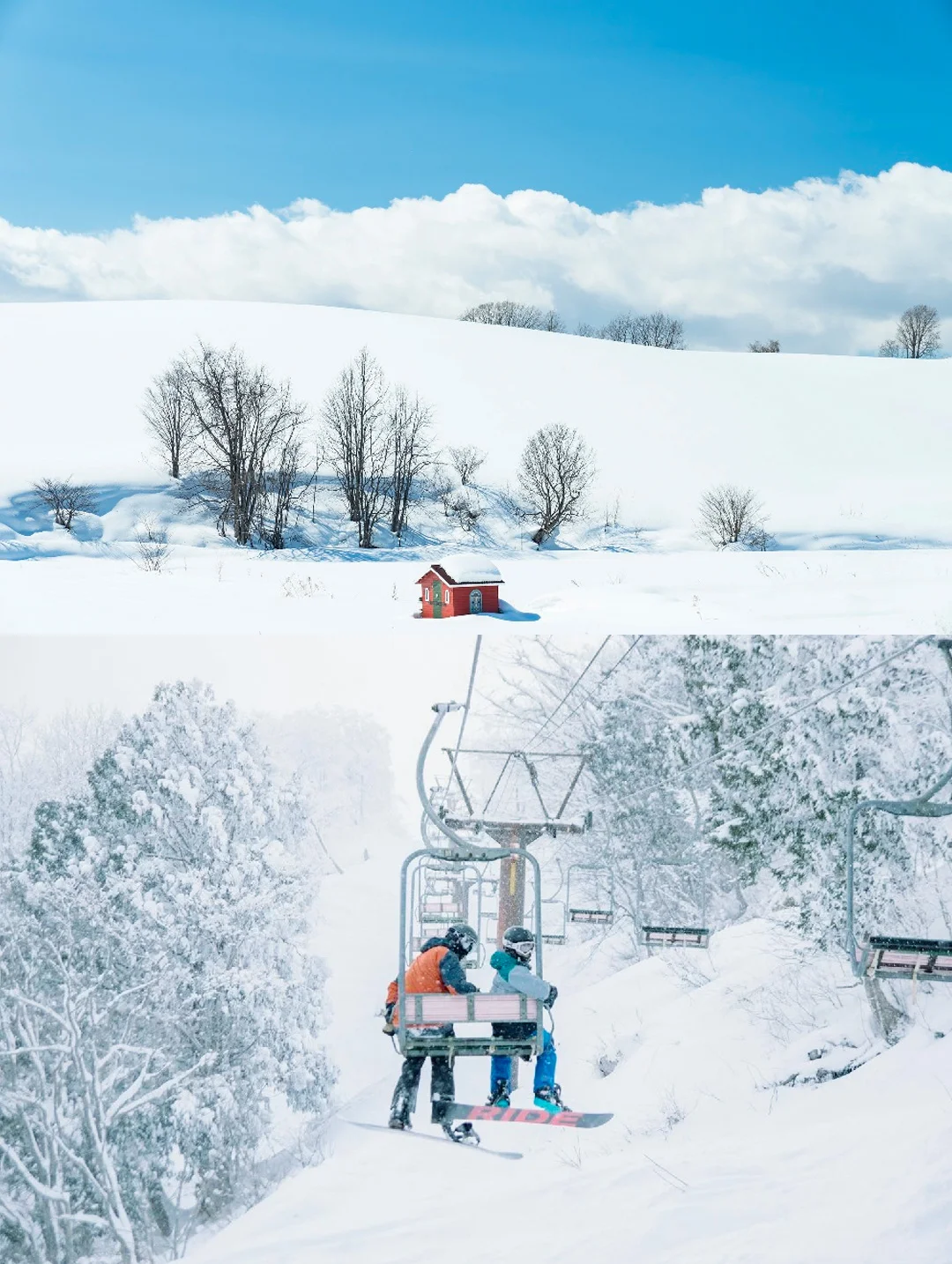
Read moreGreat Ryokan with helpful owner & Staff.
First, i must thank the owner and staff. They provide free train station pickup & drop off, also to the monkey park. I hurt my hand, the owner offer to send me to hospital & after i decided not needed to, he provided me with medicine and check with my condition everytime he sees me.
The first thing u should notice is the welcome board at the entrance, the shoe box and room door, all labelled with your handwritten name. Small thing but sweet. Then, they have your registration form on a table next to the couch. You sit and rest while filling up the form. The friendly staff will explain to u one by one thier facilities, the onsen & restaurants nearby. All of them can speak English ( better than other places i've visitted). Some can speak other languages including Chinese.
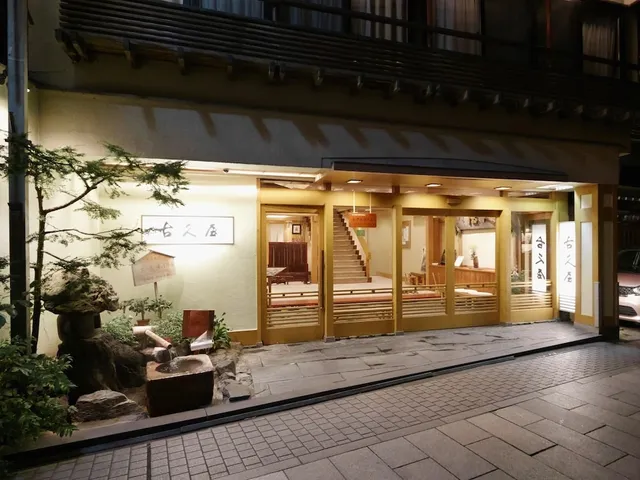
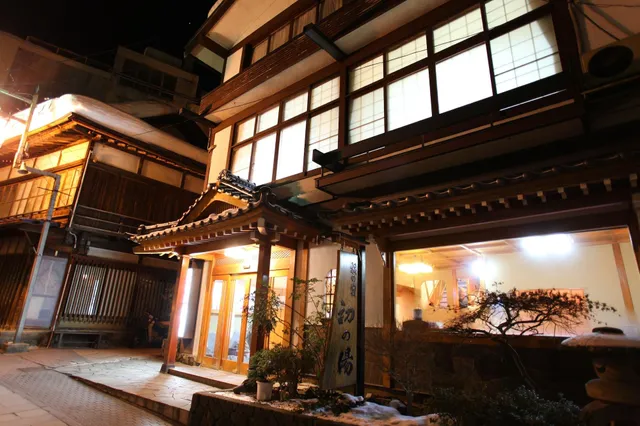
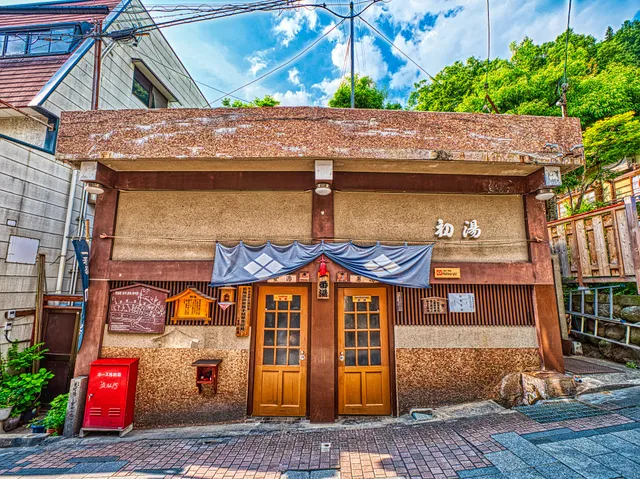
The hotel itself have traditional deco. The place is very clean, room is very spacious, like a 1 room studio house. The room is equipt with everything including modern toilet, bath tub, wardrobe for extra mattresses, etc. Separate area for toilet & bath.
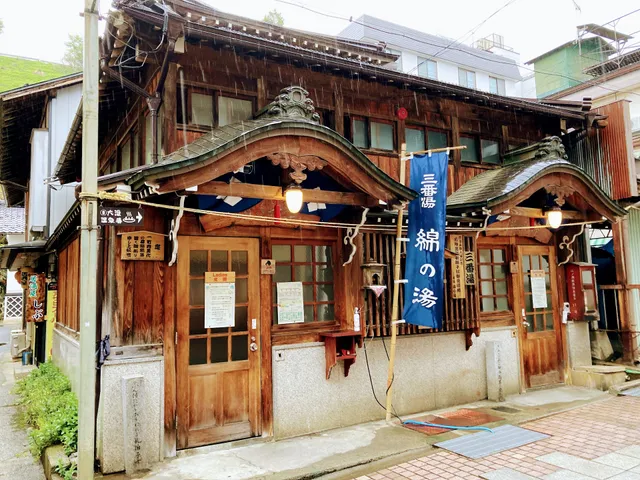
Also have a private and public onsen inside the hotel. The Location of the hotel is very near to the historical Kanaguya...
Read more