Museo del Banco Central things to do, attractions, restaurants, events info and trip planning
Basic Info
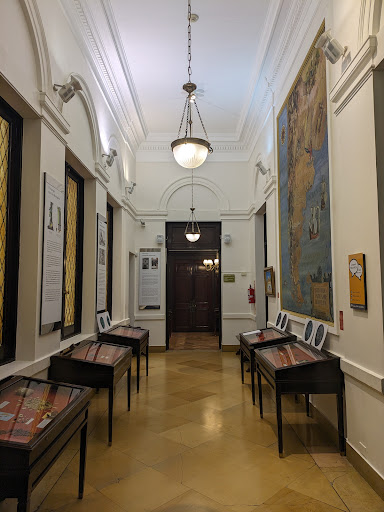
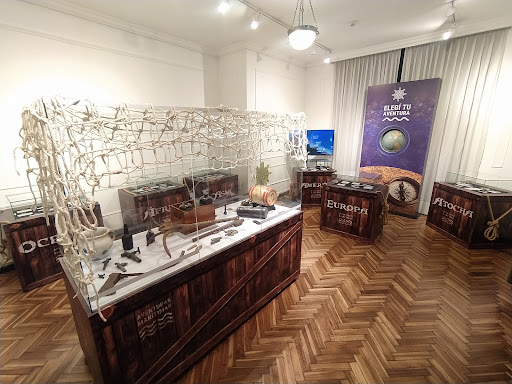
Museo del Banco Central
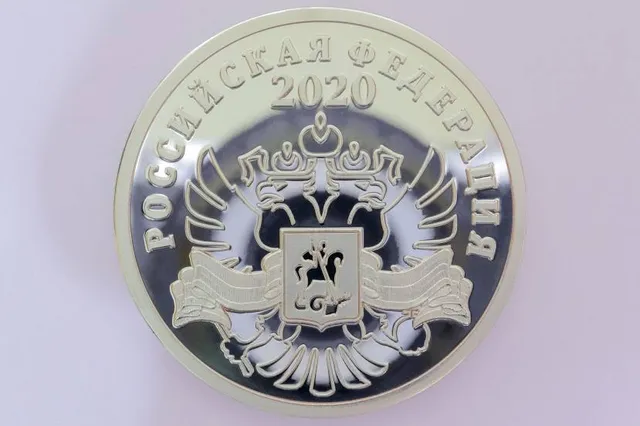
Museo Histórico y Numismático Héctor Carlos Janson, C1004AAF, San Martín 216, C1004AAF Buenos Aires, Argentina
4.6(419)
Save
spot
spot
Ratings & Description
Info
Cultural
Family friendly
Accessibility
attractions: Plaza de Mayo, Buenos Aires Metropolitan Cathedral, Centro Cultural Kirchner (CCK), Museo Mitre, Museo Nacional del Cabildo de Buenos Aires y de la Revolución de Mayo, Provincia Bank Museum, Teatro Gran Rex, Florida y Corrientes, Estadio Luna Park, Casa Rosada, restaurants: El Desembarco Microcentro, Piazzolla Tango, Florida 165 Rooftop Bar, Paulin, Green Eat, La Panera Rosa Maipu y Av. Corrientes, Pétalo, ULTIMO BODEGON, London City, 725 Continental Hotel, local businesses: Mirador Guemes Gallery, Basilica of Our Lady of Mercy, FLORIDA 1 gallery, Convent of San Ramón Nonato, Basilica Nuestra Señora de la Merced, Florida, Archbishop of Buenos Aires, Plaza Colón, Galeria Ocean Pacific, Archbishop of Buenos Aires
 Learn more insights from Wanderboat AI.
Website
bcra.gob.ar
Plan your stay

Pet-friendly Hotels in Autonomous City of Buenos Aires
Find a cozy hotel nearby and make it a full experience.

Affordable Hotels in Autonomous City of Buenos Aires
Find a cozy hotel nearby and make it a full experience.

The Coolest Hotels You Haven't Heard Of (Yet)
Find a cozy hotel nearby and make it a full experience.

Trending Stays Worth the Hype in Autonomous City of Buenos Aires
Find a cozy hotel nearby and make it a full experience.
Reviews
Live events

The Jury Experience: ¿Asesinato Millonario o Una Red de Mentiras?
Sat, Feb 21 • 4:00 PM
Chacabuco 875, C1069
View details
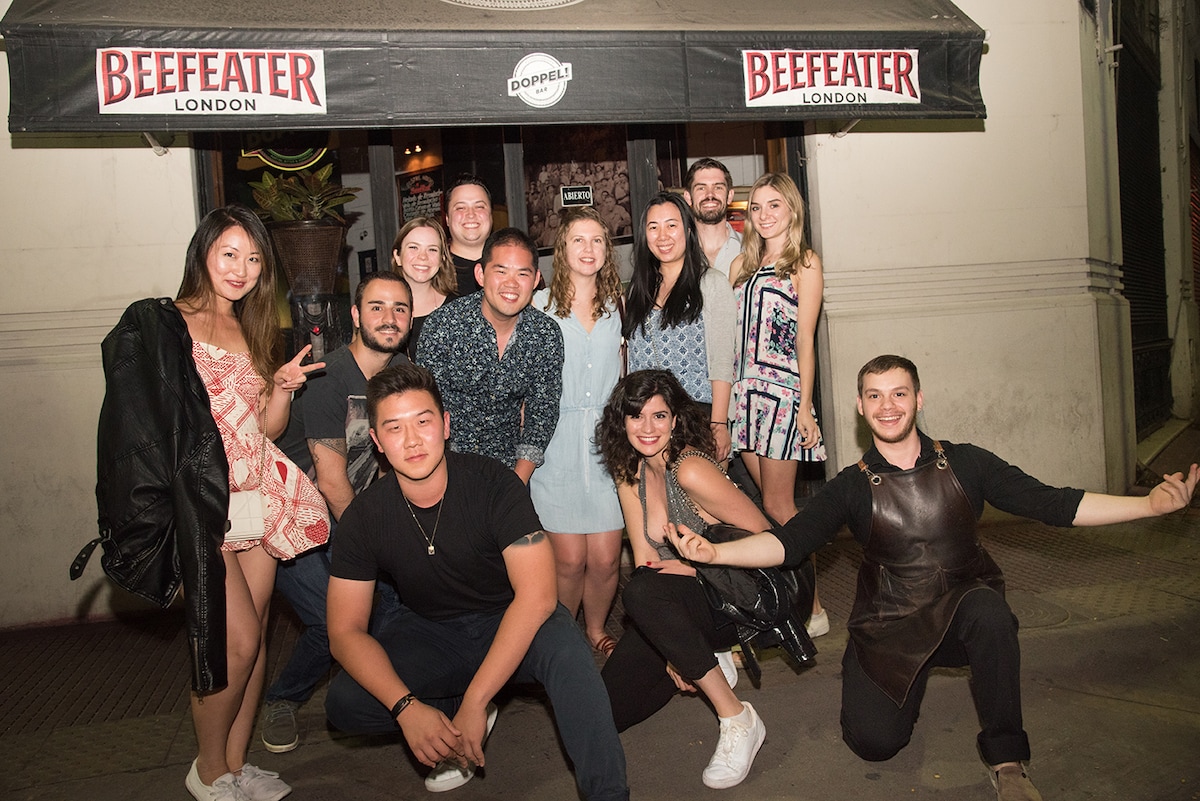
Buenos Aires Bar Crawl: Live the Real Nightlife
Thu, Feb 19 • 9:00 PM
C1427, Buenos Aires, Buenos Aires, Argentina
View details
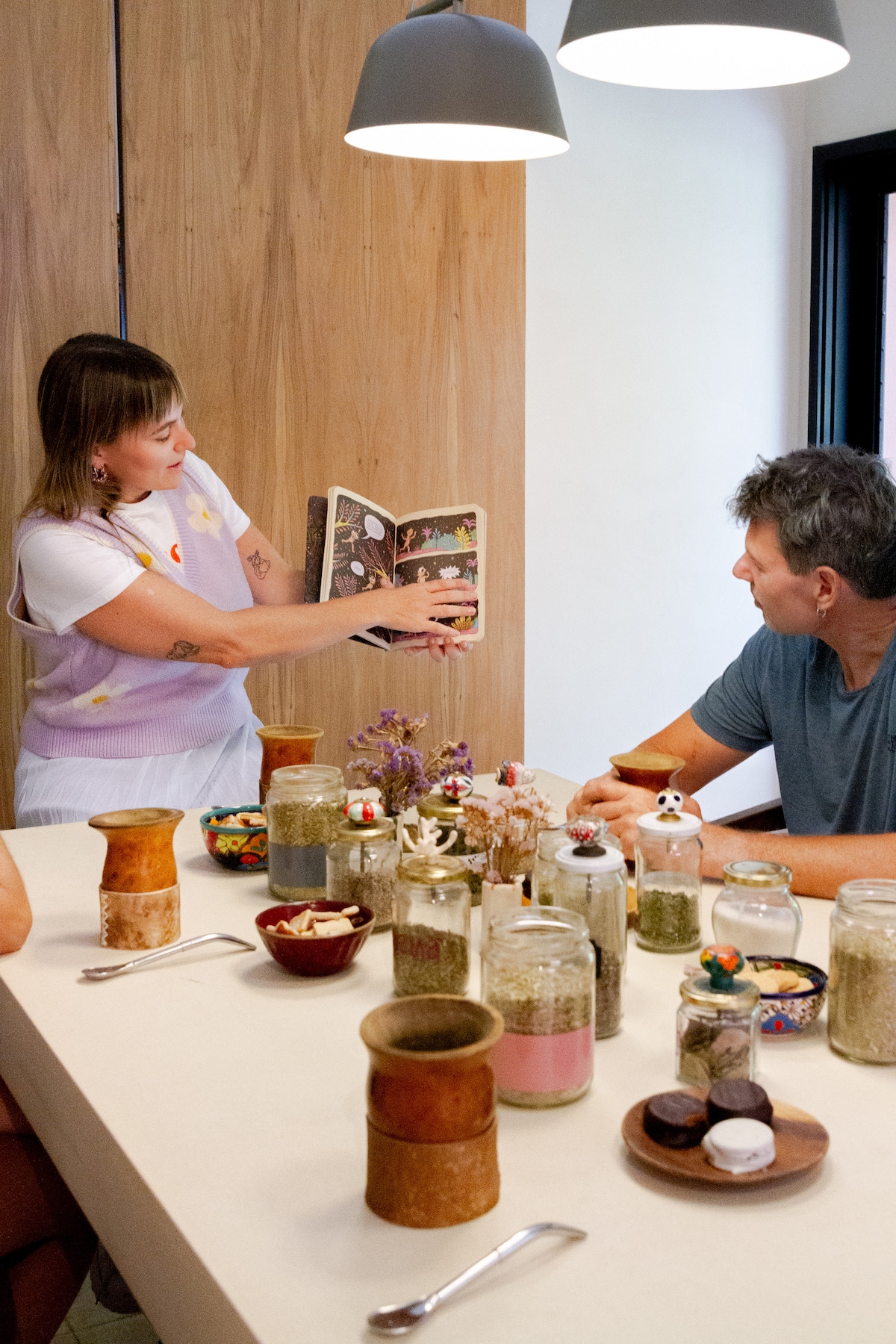
Mate tasting, ritual and sharing
Tue, Feb 17 • 10:00 AM
C1414, Buenos Aires, Buenos Aires, Argentina
View details
Nearby attractions of Museo del Banco Central
Plaza de Mayo
Buenos Aires Metropolitan Cathedral
Centro Cultural Kirchner (CCK)
Museo Mitre
Museo Nacional del Cabildo de Buenos Aires y de la Revolución de Mayo
Provincia Bank Museum
Teatro Gran Rex
Florida y Corrientes
Estadio Luna Park
Casa Rosada
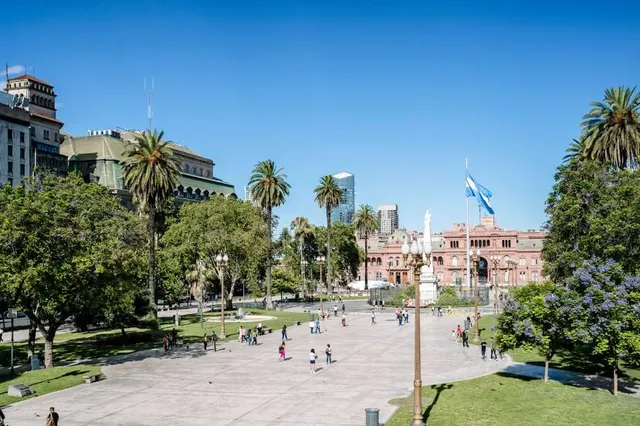
Plaza de Mayo
4.6
(46.4K)
Open 24 hours
Click for details
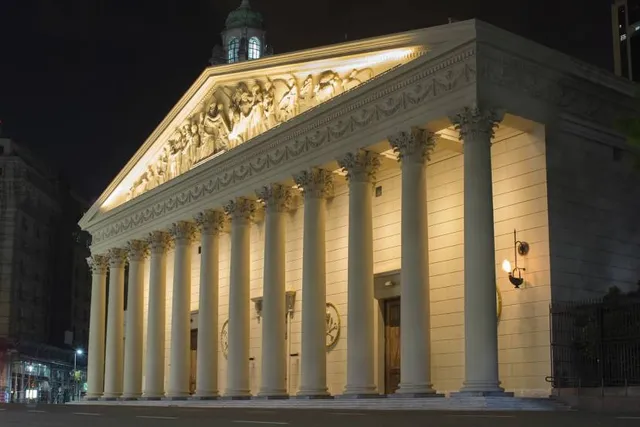
Buenos Aires Metropolitan Cathedral
4.7
(3.9K)
Open 24 hours
Click for details
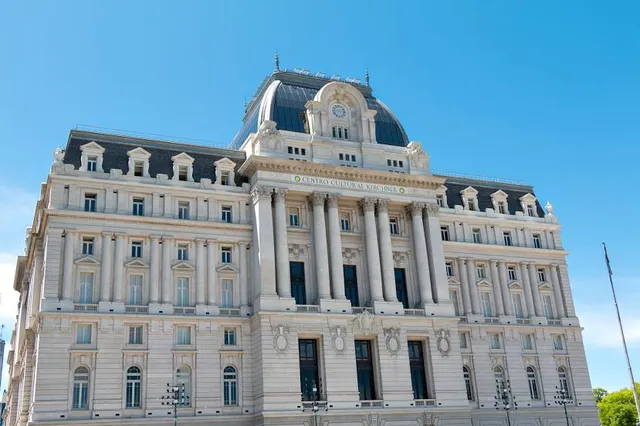
Centro Cultural Kirchner (CCK)
4.6
(27.1K)
Open until 12:00 AM
Click for details
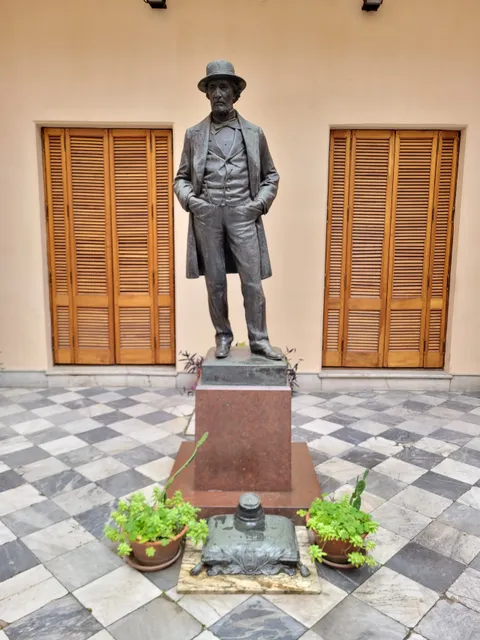
Museo Mitre
4.4
(195)
Open until 12:00 AM
Click for details
Nearby restaurants of Museo del Banco Central
El Desembarco Microcentro
Piazzolla Tango
Florida 165 Rooftop Bar
Paulin
Green Eat
La Panera Rosa Maipu y Av. Corrientes
Pétalo
ULTIMO BODEGON
London City
725 Continental Hotel
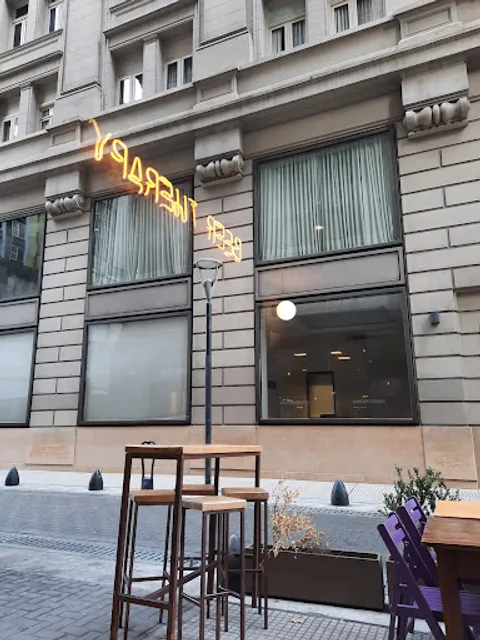
El Desembarco Microcentro
4.5
(1.4K)
Closed
Click for details
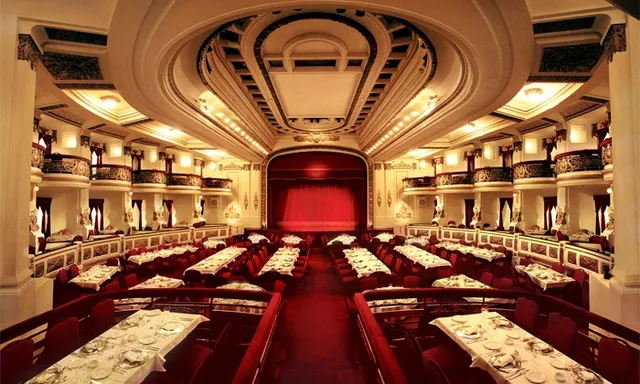
Piazzolla Tango
4.6
(1.6K)
Click for details
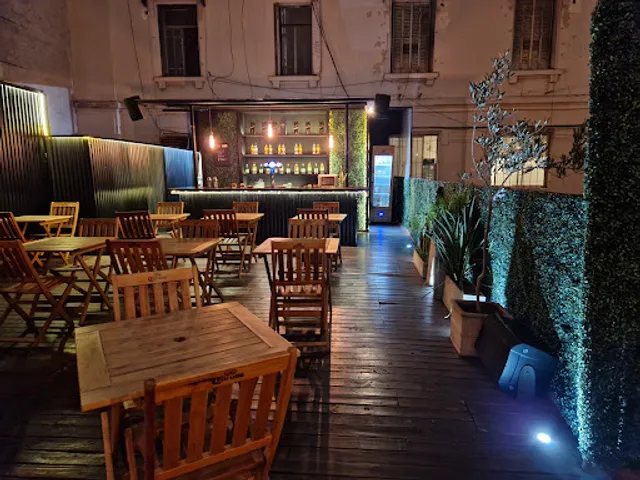
Florida 165 Rooftop Bar
4.2
(1.8K)
Closed
Click for details
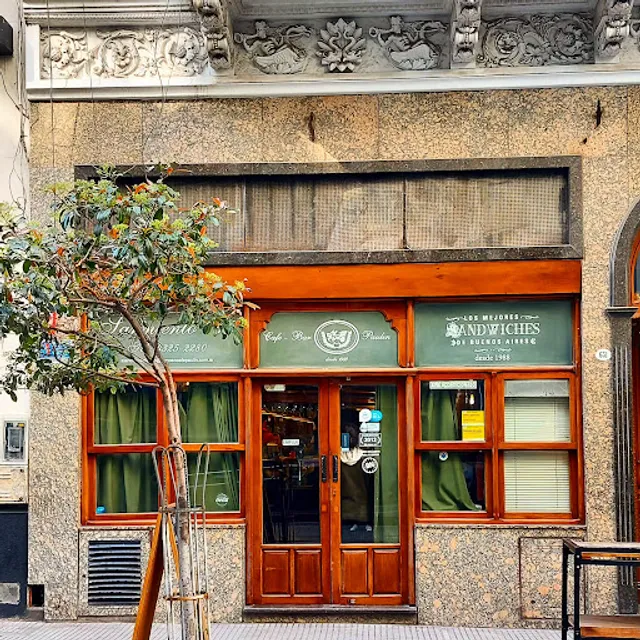
Paulin
4.4
(2.2K)
Closed
Click for details
Nearby local services of Museo del Banco Central
Mirador Guemes Gallery
Basilica of Our Lady of Mercy
FLORIDA 1 gallery
Convent of San Ramón Nonato
Basilica Nuestra Señora de la Merced
Florida
Archbishop of Buenos Aires
Plaza Colón
Galeria Ocean Pacific
Archbishop of Buenos Aires
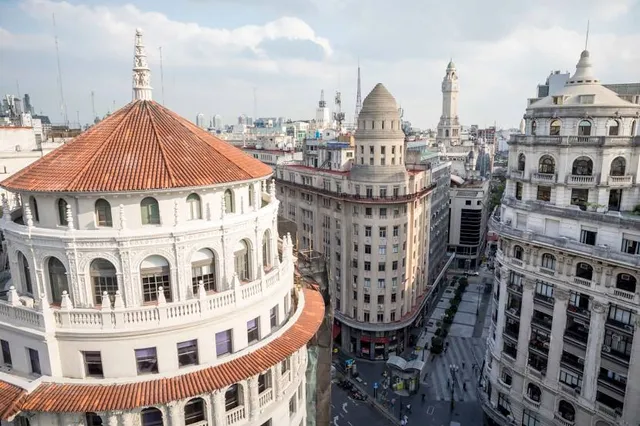
Mirador Guemes Gallery
4.5
(5.4K)
Click for details
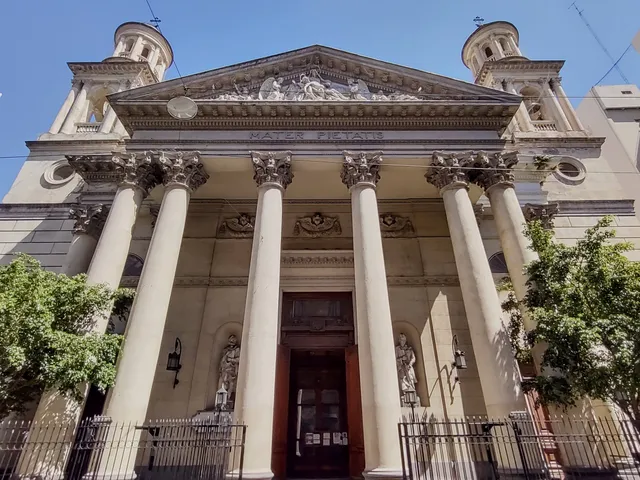
Basilica of Our Lady of Mercy
4.7
(838)
Click for details
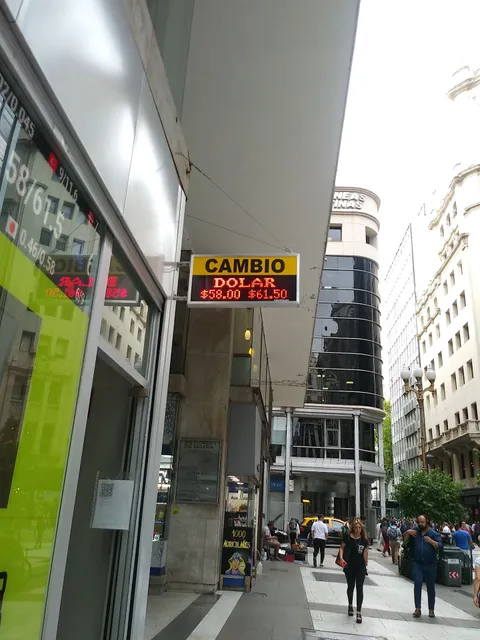
FLORIDA 1 gallery
4.1
(2.2K)
Click for details
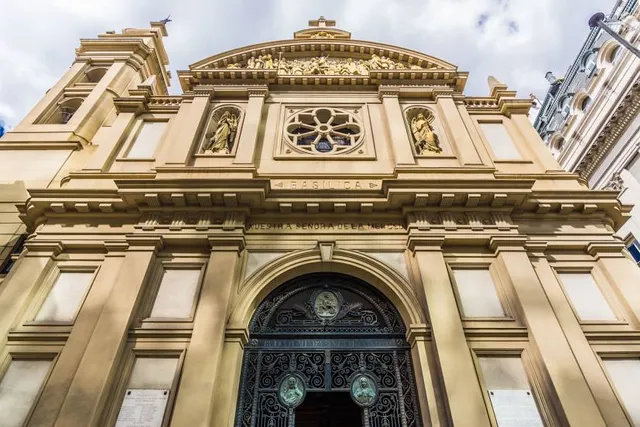
Convent of San Ramón Nonato
4.4
(239)
Click for details