Plaza de Mayo things to do, attractions, restaurants, events info and trip planning
Basic Info
Plaza de Mayo
Av. Hipólito Yrigoyen s/n, C1087 Cdad. Autónoma de Buenos Aires, Argentina
4.6(43.1K)
Open 24 hours
Save
spot
spot
Ratings & Description
Info
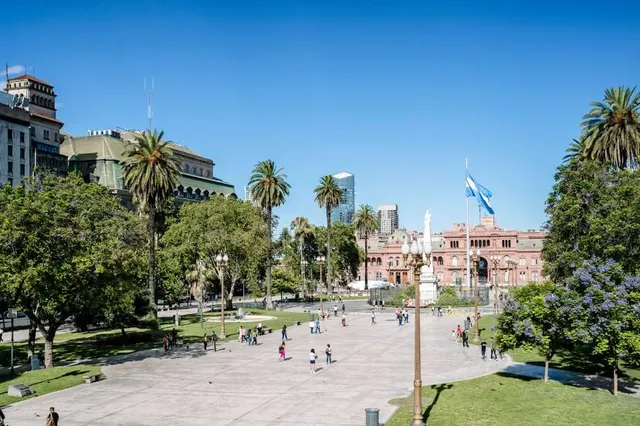
The Plaza de Mayo is a city square and the main foundational site of Buenos Aires, Argentina. It was formed in 1884 after the demolition of the Recova building, unifying the city's Plaza Mayor and Plaza de Armas, by that time known as Plaza de la Victoria and Plaza 25 de Mayo, respectively.
Cultural
Outdoor
Accessibility
attractions: Buenos Aires Metropolitan Cathedral, Museo Nacional del Cabildo de Buenos Aires y de la Revolución de Mayo, Pirámide de Mayo, Casa Rosada, Museo del Bicentenario, Buenos Aires Museo (BAM), Monument of General Manuel Belgrano, Mausoleo del General José de San Martín, Parroquia San Ignacio de Loyola, Casa Querubines (BAM), restaurants: Pertutti Suc. Plaza de Mayo, London City, D'oro Italian Bar, La Puerto Rico, Furaibo, Birra & Shawarma, La Junta de 1810, Green Eat, El Nacional, Kentucky, local businesses: Plaza Colón, Luca Prodan Casa, Mirador Guemes Gallery, Archbishop of Buenos Aires, Archbishop of Buenos Aires, FLORIDA 1 gallery, Basilica of Our Lady of Mercy, Galeria Ocean Pacific, Woman's Bridge, Museo del Banco Central
 Learn more insights from Wanderboat AI.
Website
turismo.buenosaires.gob.ar
Plan your stay

Pet-friendly Hotels in Autonomous City of Buenos Aires
Find a cozy hotel nearby and make it a full experience.

Affordable Hotels in Autonomous City of Buenos Aires
Find a cozy hotel nearby and make it a full experience.

The Coolest Hotels You Haven't Heard Of (Yet)
Find a cozy hotel nearby and make it a full experience.

Trending Stays Worth the Hype in Autonomous City of Buenos Aires
Find a cozy hotel nearby and make it a full experience.
Reviews
Live events
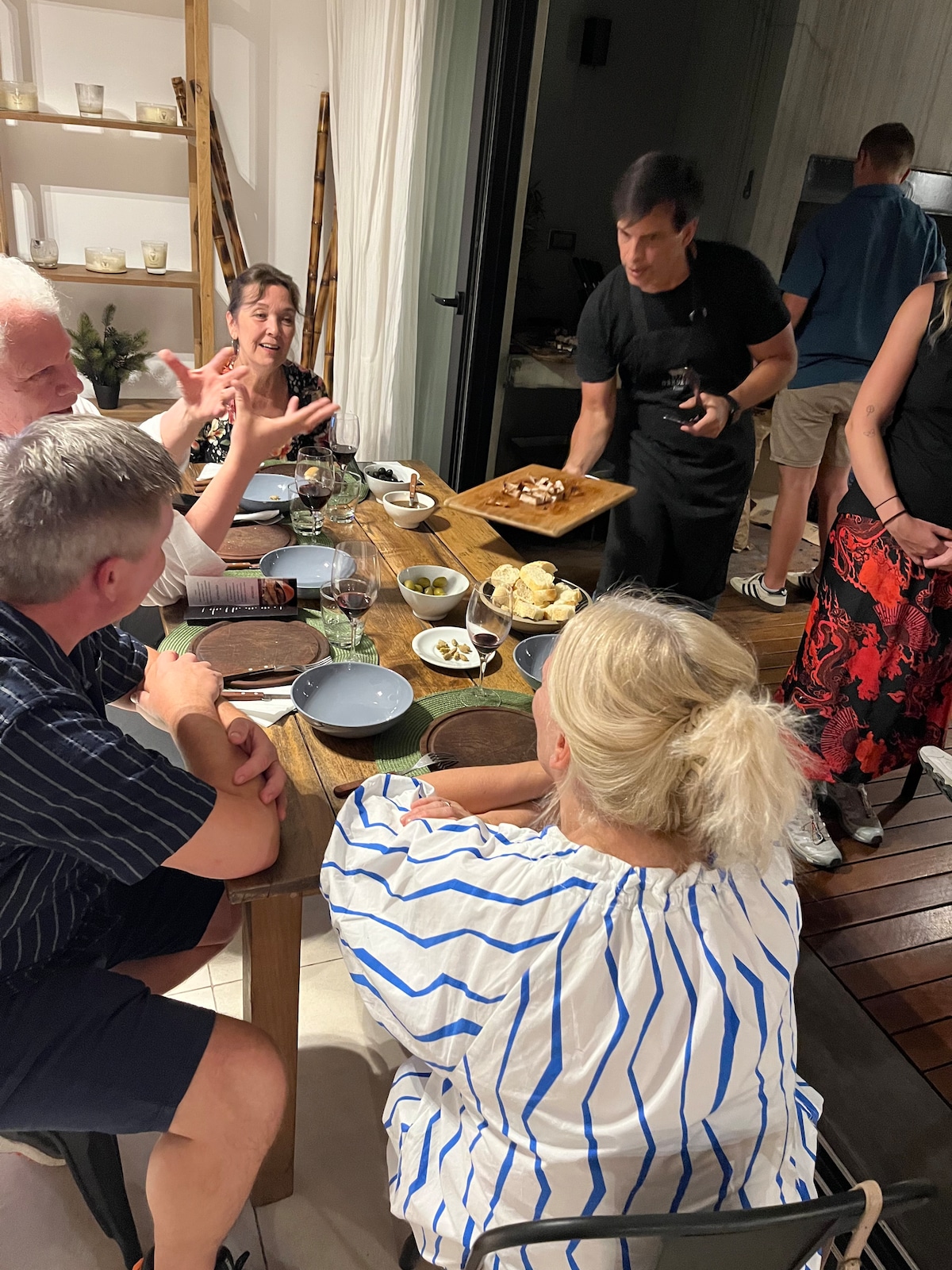
Experience making asado with me
Tue, Feb 24 • 1:00 PM
C1414, Buenos Aires, Buenos Aires, Argentina
View details
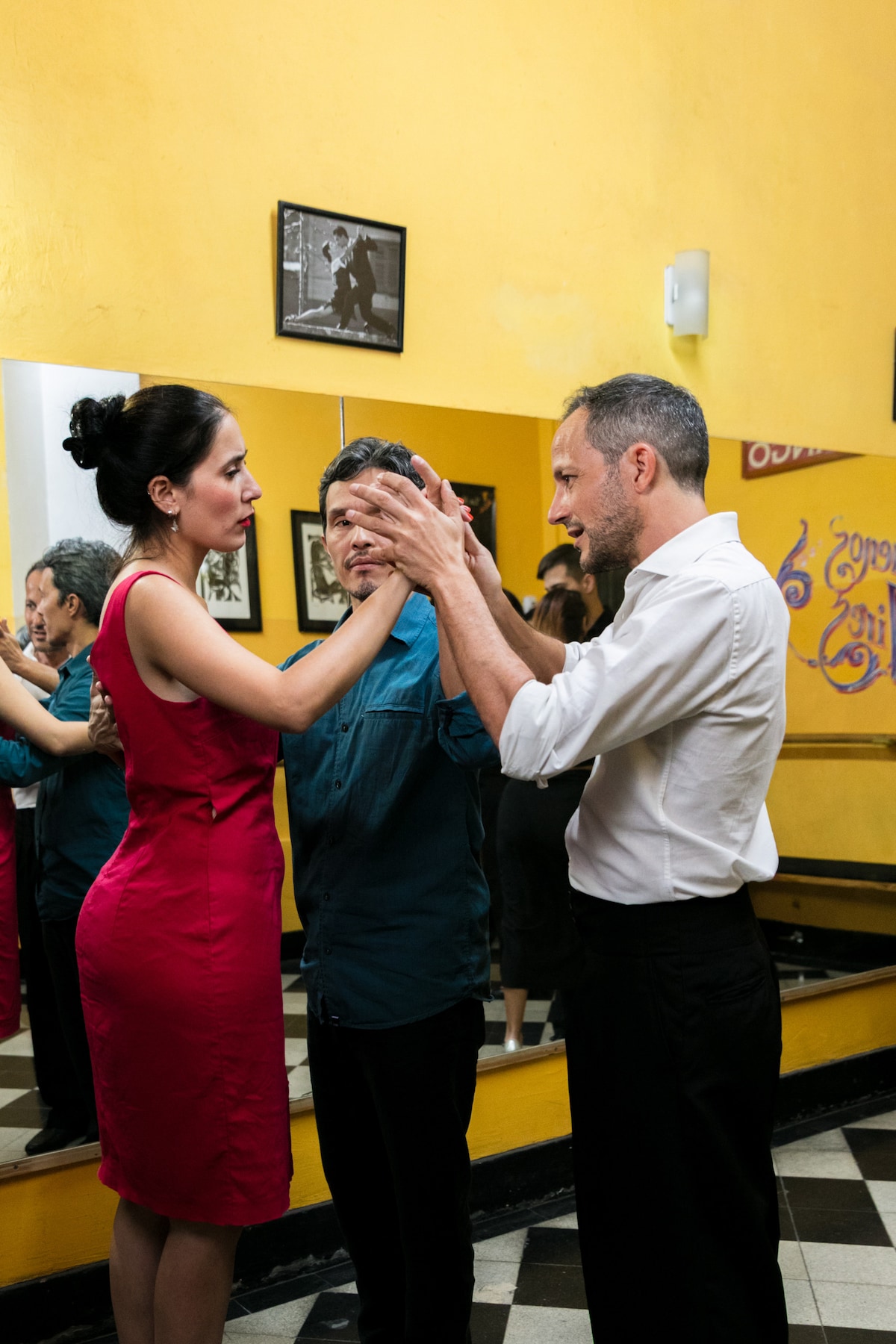
Authentic Tango with a local dancer
Tue, Feb 24 • 8:30 PM
C1098, Buenos Aires, Buenos Aires, Argentina
View details
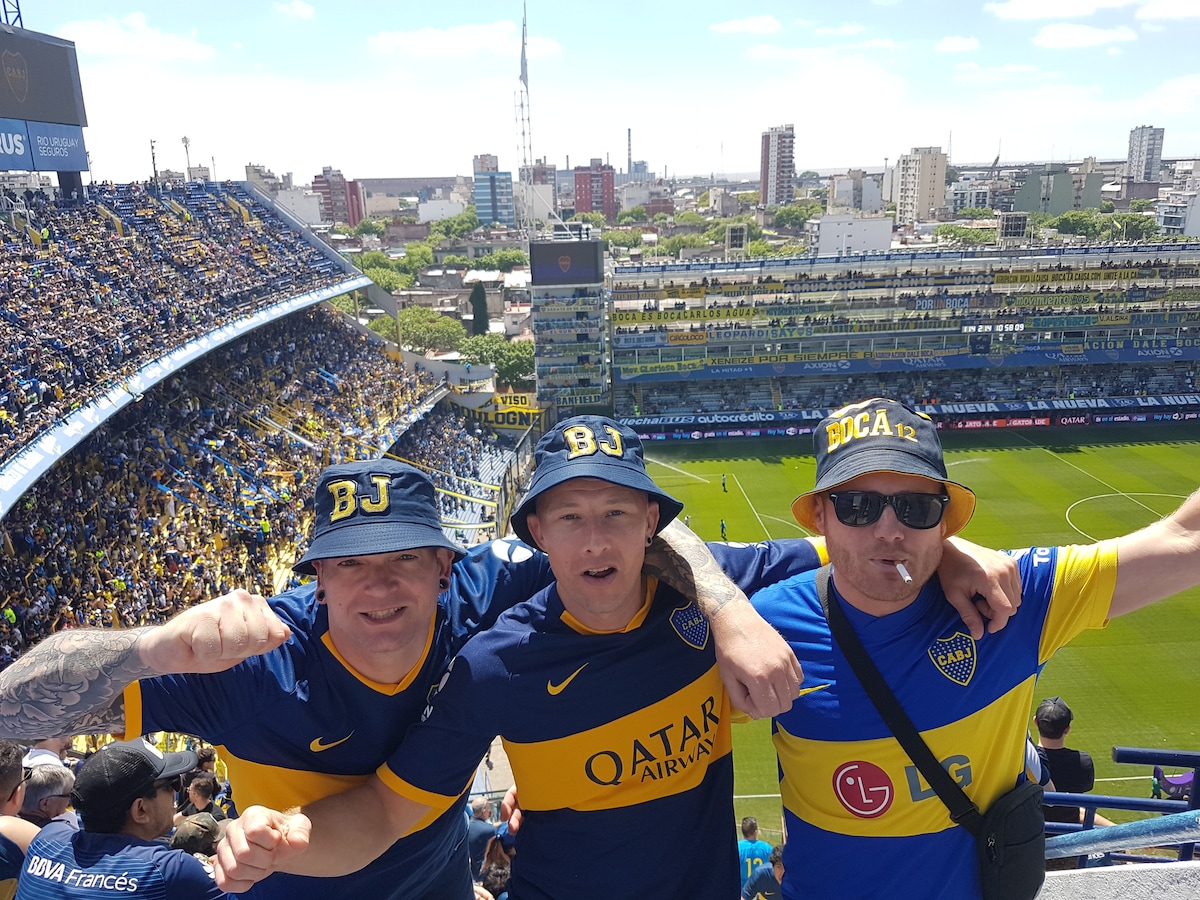
Watch an Argentine soccer match with a true fan
Tue, Feb 24 • 3:00 PM
C1010, Buenos Aires, Ciudad Autónoma de Buenos Aires, Argentina
View details
Nearby attractions of Plaza de Mayo
Buenos Aires Metropolitan Cathedral
Museo Nacional del Cabildo de Buenos Aires y de la Revolución de Mayo
Pirámide de Mayo
Casa Rosada
Museo del Bicentenario
Buenos Aires Museo (BAM)
Monument of General Manuel Belgrano
Mausoleo del General José de San Martín
Parroquia San Ignacio de Loyola
Casa Querubines (BAM)
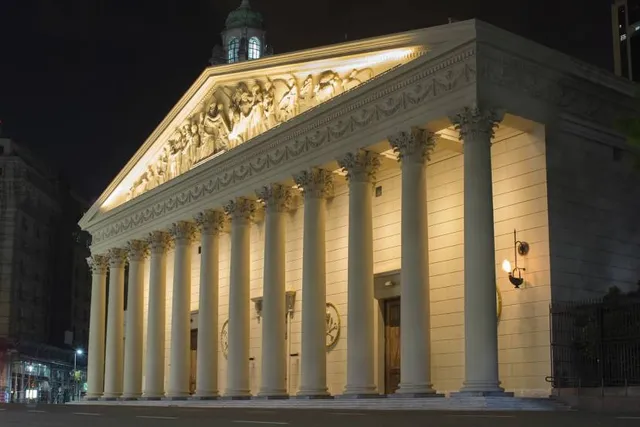
Buenos Aires Metropolitan Cathedral
4.7
(3.9K)
Open 24 hours
Click for details
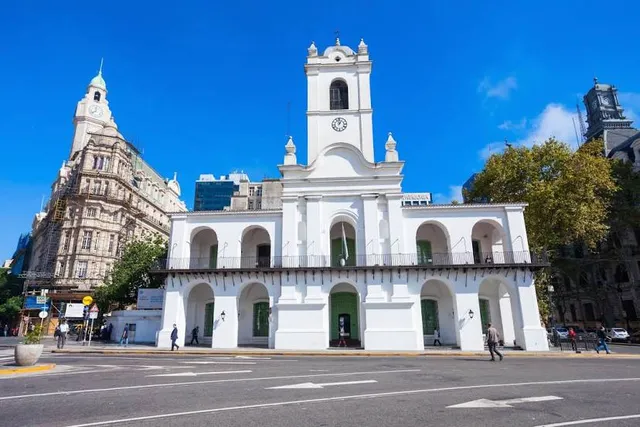
Museo Nacional del Cabildo de Buenos Aires y de la Revolución de Mayo
4.6
(4.6K)
Open until 12:00 AM
Click for details
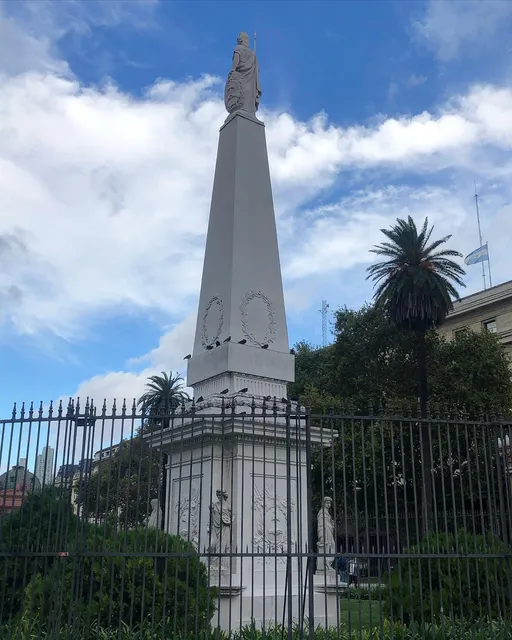
Pirámide de Mayo
4.6
(228)
Open 24 hours
Click for details
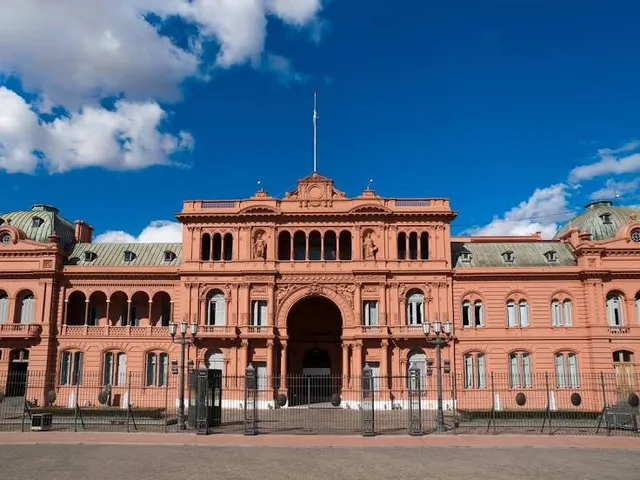
Casa Rosada
4.5
(2.3K)
Open 24 hours
Click for details
Nearby restaurants of Plaza de Mayo
Pertutti Suc. Plaza de Mayo
London City
D'oro Italian Bar
La Puerto Rico
Furaibo
Birra & Shawarma
La Junta de 1810
Green Eat
El Nacional
Kentucky
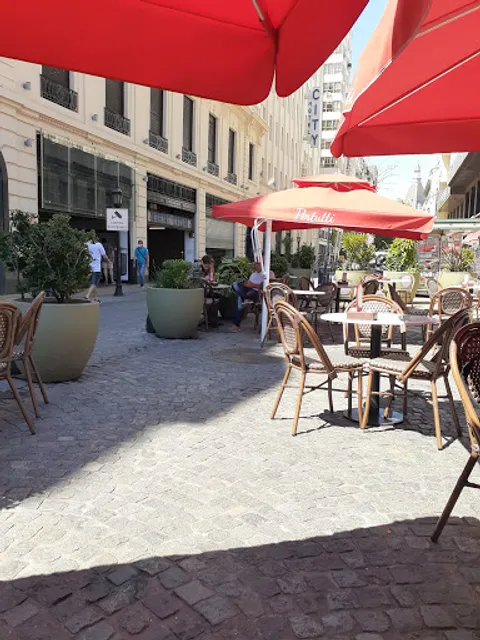
Pertutti Suc. Plaza de Mayo
4.4
(3K)
$$
Closed
Click for details
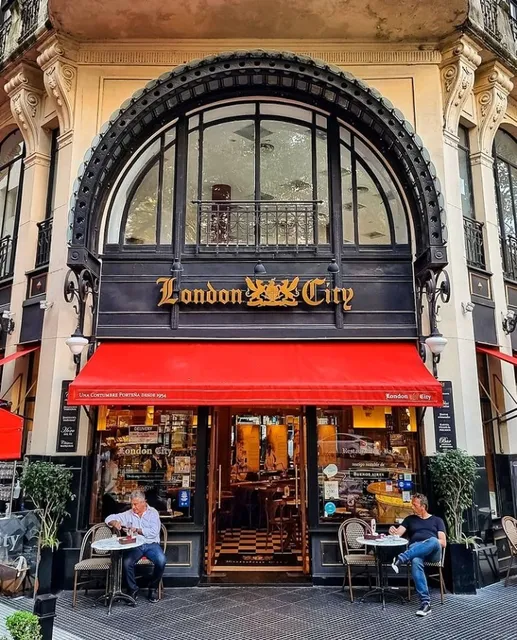
London City
4.4
(6.1K)
$$
Closed
Click for details
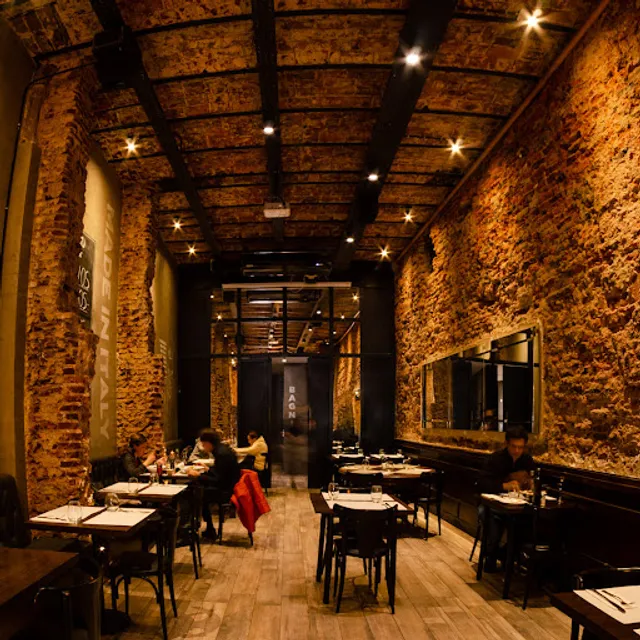
D'oro Italian Bar
4.7
(4.3K)
Closed
Click for details
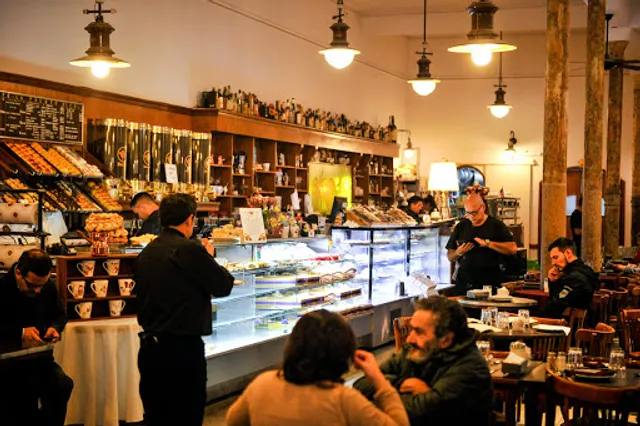
La Puerto Rico
4.2
(1.3K)
Closed
Click for details
Nearby local services of Plaza de Mayo
Plaza Colón
Luca Prodan Casa
Mirador Guemes Gallery
Archbishop of Buenos Aires
Archbishop of Buenos Aires
FLORIDA 1 gallery
Basilica of Our Lady of Mercy
Galeria Ocean Pacific
Woman's Bridge
Museo del Banco Central
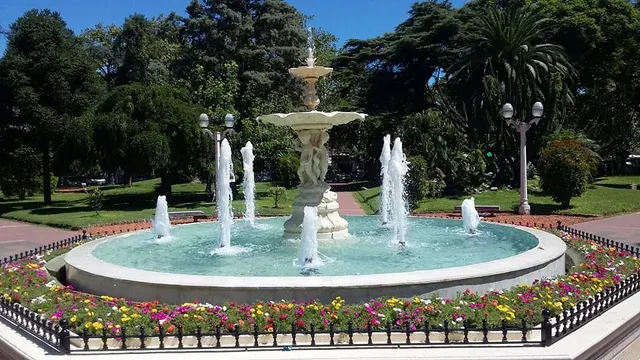
Plaza Colón
4.4
(3.4K)
Click for details
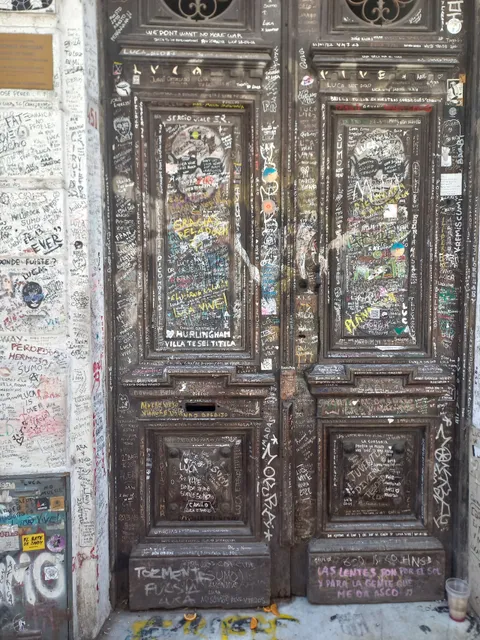
Luca Prodan Casa
4.5
(561)
Click for details
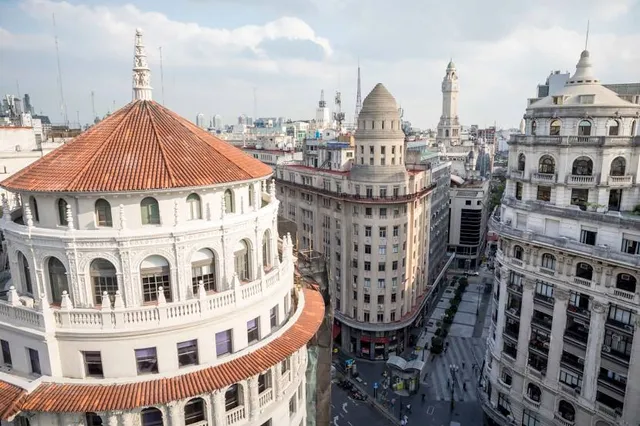
Mirador Guemes Gallery
4.5
(5.1K)
Click for details
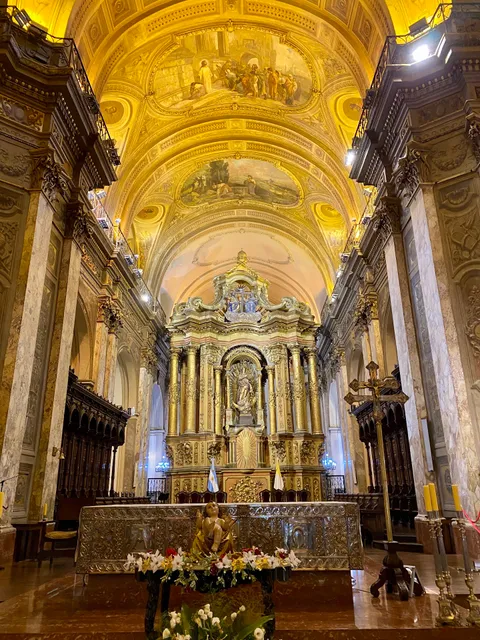
Archbishop of Buenos Aires
4.6
(99)
Click for details