St. Martinikirche things to do, attractions, restaurants, events info and trip planning
Basic Info
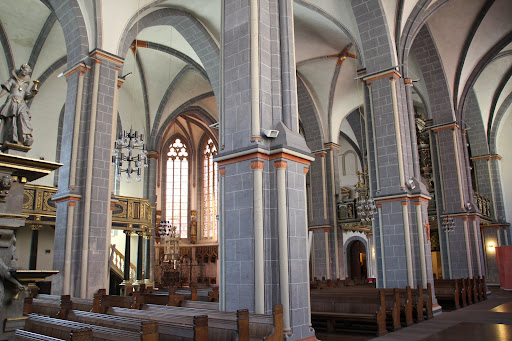
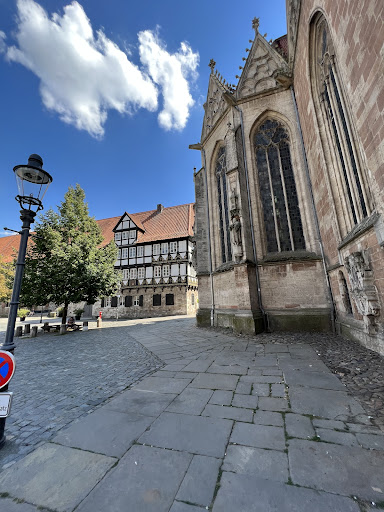
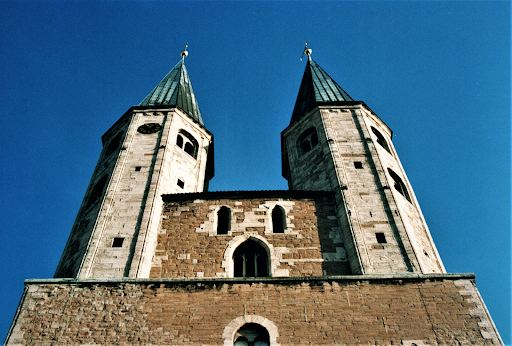
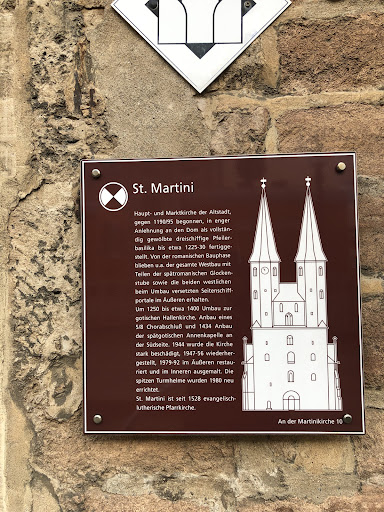
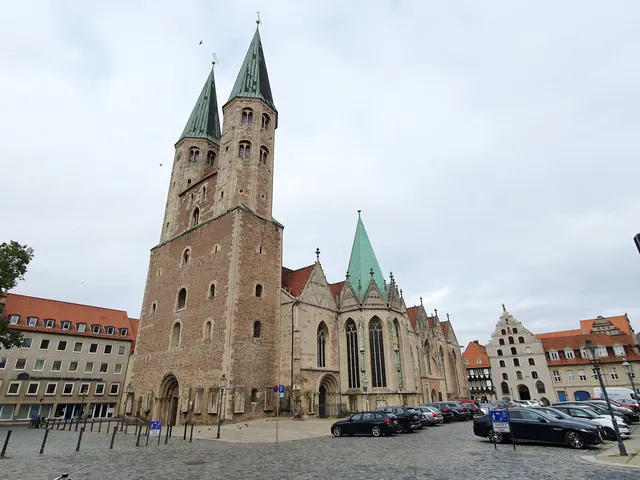
St. Martinikirche
An d. Martinikirche 10, 38100 Braunschweig, Germany
4.6(116)
Open until 12:00 AM
Save
spot
spot
Ratings & Description
Info
Cultural
Scenic
Accessibility
Family friendly
attractions: Marien Fountain, Eulenspiegelbrunnen, Brunswick Cathedral, Braunschweiger Löwe, Katzenbalgen, Dankwarderode Castle, Brunswick Palace, Schlossmuseum Braunschweig, Happy Rizzi House, Quadriga, restaurants: Red Pepper da Dante - Sapore Italiano, Soldekk, The Wild Geese, Hide & Seek Cocktailbar, Pho Ta Restaurant, Osteria e Pizzeria Napoli, Vielharmonie, Opatija Grill, Come In - Braunschweig, Ichiban, local businesses: Prüsse Stiftung, Kohlmarkt Braunschweig, Bookstore Graff GmbH, ASTOR Filmtheater Braunschweig, Temperos - Die Gewürzmanufaktur, Eiscafe Venezia, Eiscafé Adria, Mezopotamien Grill, Charlie Chaplin, Gaziantep Baklavalari
 Learn more insights from Wanderboat AI.
Phone
+49 531 44850
Website
martini-kirche.de
Open hoursSee all hours
ThuClosedOpen
Plan your stay

Pet-friendly Hotels in Brunswick
Find a cozy hotel nearby and make it a full experience.

Affordable Hotels in Brunswick
Find a cozy hotel nearby and make it a full experience.

The Coolest Hotels You Haven't Heard Of (Yet)
Find a cozy hotel nearby and make it a full experience.

Trending Stays Worth the Hype in Brunswick
Find a cozy hotel nearby and make it a full experience.
Reviews
Live events

Candlelight: Valentinstags-Special
Sat, Feb 14 • 6:30 PM
Echternstraße 67, Braunschweig, 38100
View details

The Jazz Room: Eine Reise in das Herz von New Orleans
Sun, Feb 15 • 3:30 PM
Westbahnhof 13, Braunschweig-Westliches Ringgebiet, 38118
View details
Nearby attractions of St. Martinikirche
Marien Fountain
Eulenspiegelbrunnen
Brunswick Cathedral
Braunschweiger Löwe
Katzenbalgen
Dankwarderode Castle
Brunswick Palace
Schlossmuseum Braunschweig
Happy Rizzi House
Quadriga
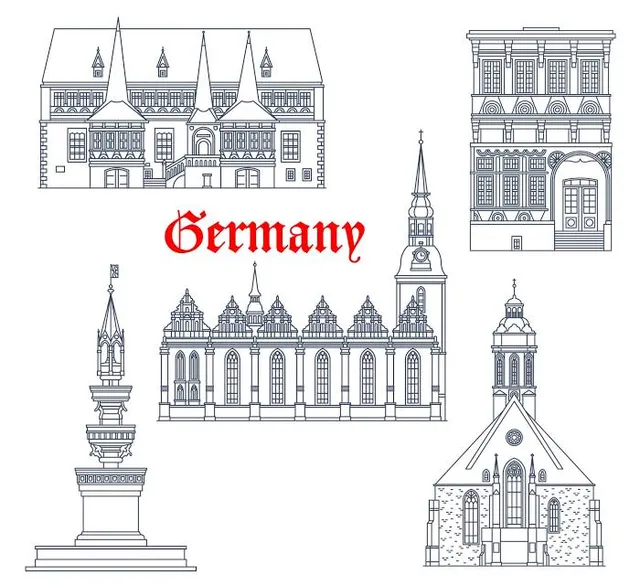
Marien Fountain
4.6
(78)
Open until 12:00 AM
Click for details
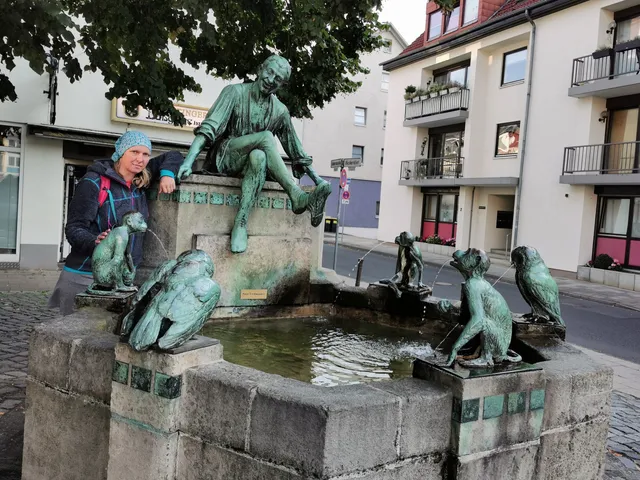
Eulenspiegelbrunnen
4.4
(85)
Open until 12:00 AM
Click for details
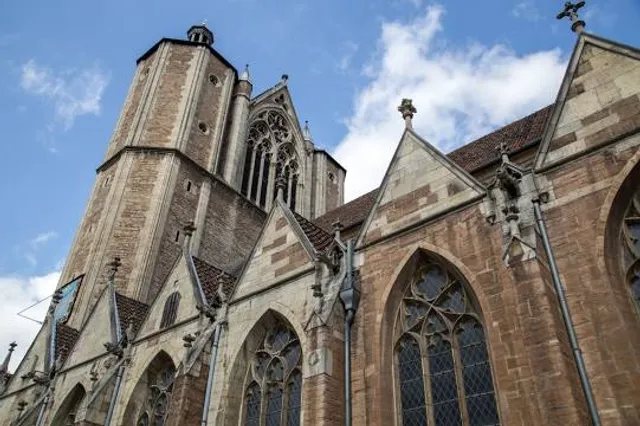
Brunswick Cathedral
4.6
(1.0K)
Open until 5:00 PM
Click for details
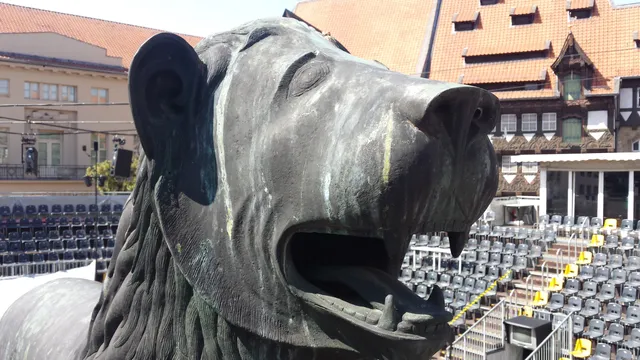
Braunschweiger Löwe
4.7
(308)
Open until 12:00 AM
Click for details
Nearby restaurants of St. Martinikirche
Red Pepper da Dante - Sapore Italiano
Soldekk
The Wild Geese
Hide & Seek Cocktailbar
Pho Ta Restaurant
Osteria e Pizzeria Napoli
Vielharmonie
Opatija Grill
Come In - Braunschweig
Ichiban
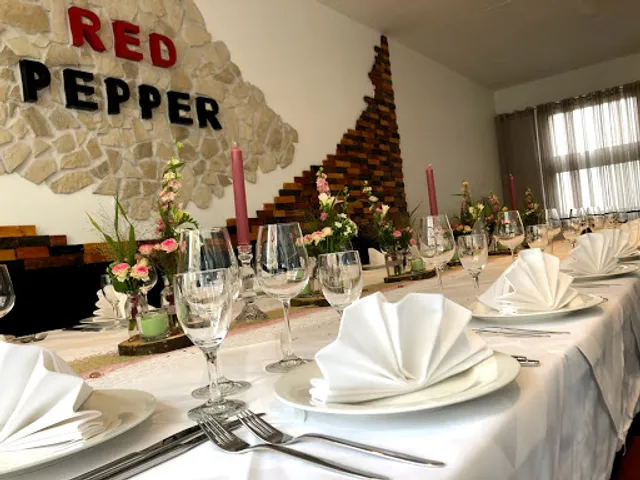
Red Pepper da Dante - Sapore Italiano
4.7
(216)
Closed
Click for details
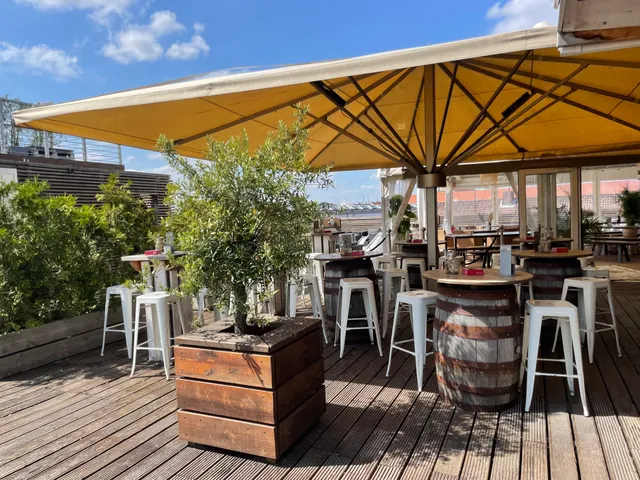
Soldekk
4.5
(935)
Click for details
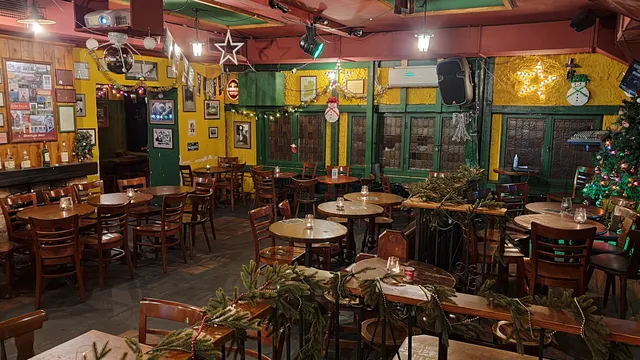
The Wild Geese
4.2
(649)
Closed
Click for details
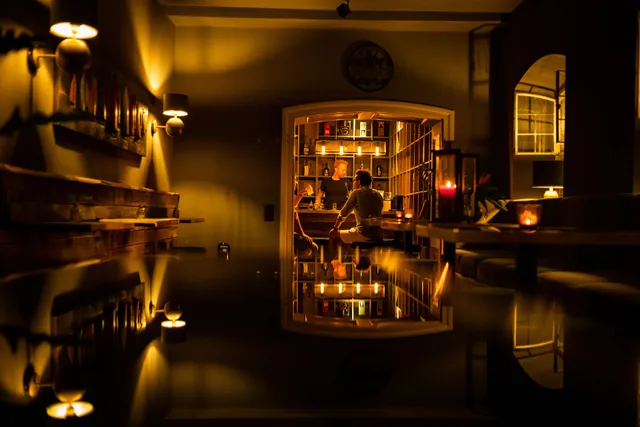
Hide & Seek Cocktailbar
5.0
(127)
Open until 12:00 AM
Click for details
Nearby local services of St. Martinikirche
Prüsse Stiftung
Kohlmarkt Braunschweig
Bookstore Graff GmbH
ASTOR Filmtheater Braunschweig
Temperos - Die Gewürzmanufaktur
Eiscafe Venezia
Eiscafé Adria
Mezopotamien Grill
Charlie Chaplin
Gaziantep Baklavalari
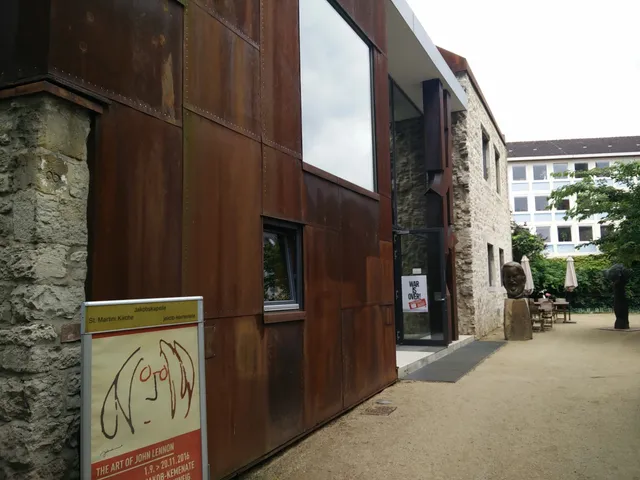
Prüsse Stiftung
4.6
(44)
Click for details
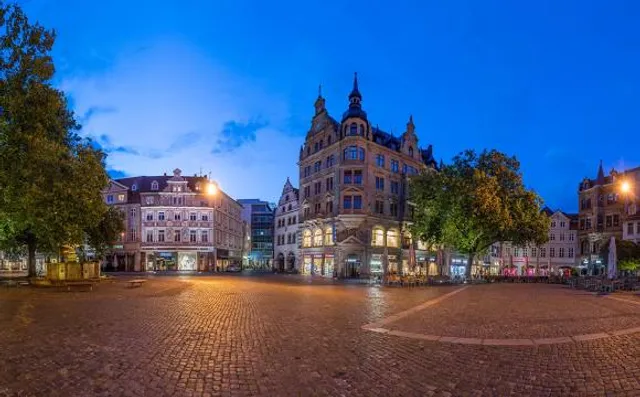
Kohlmarkt Braunschweig
4.5
(474)
Click for details
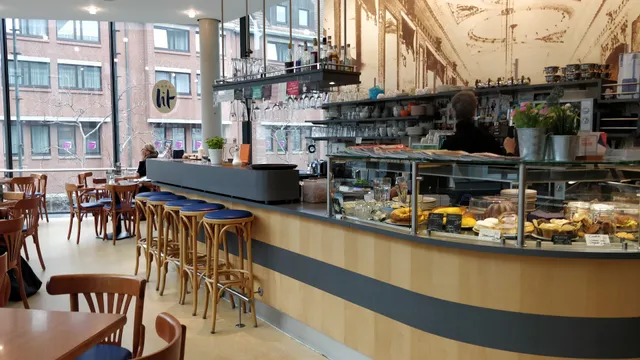
Bookstore Graff GmbH
4.5
(1.7K)
Click for details
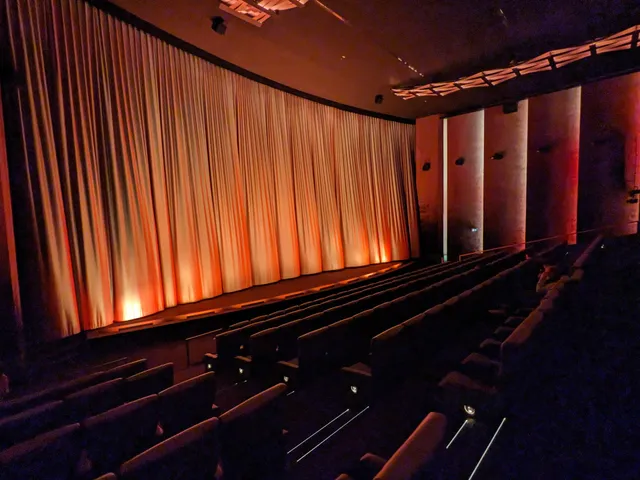
ASTOR Filmtheater Braunschweig
4.5
(2.6K)
Click for details