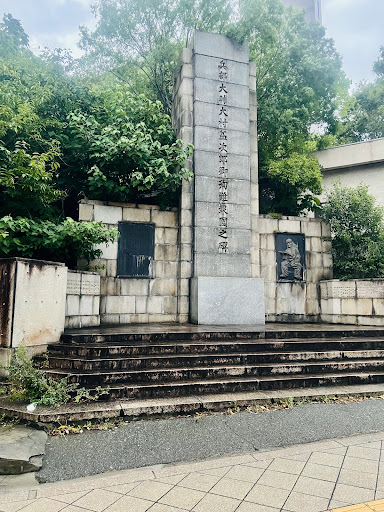
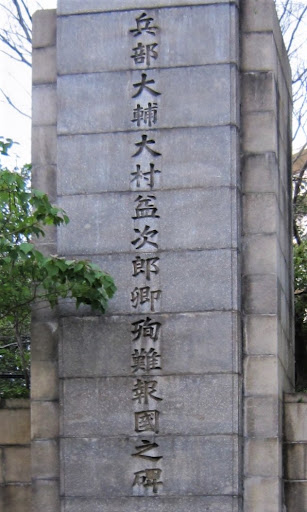
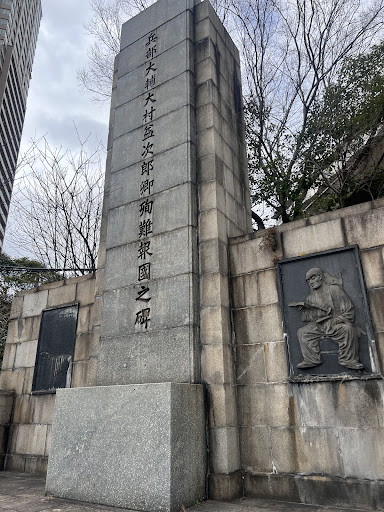
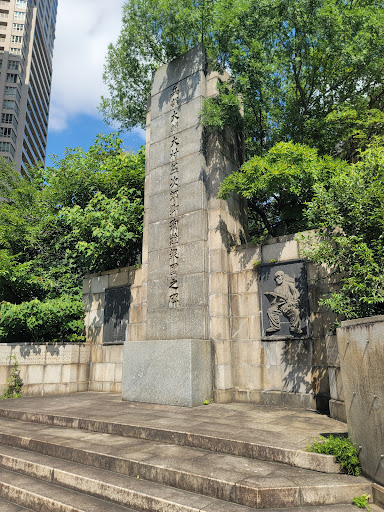
Ōmura Masujirō Martyrdom Memorial things to do, attractions, restaurants, events info and trip planning
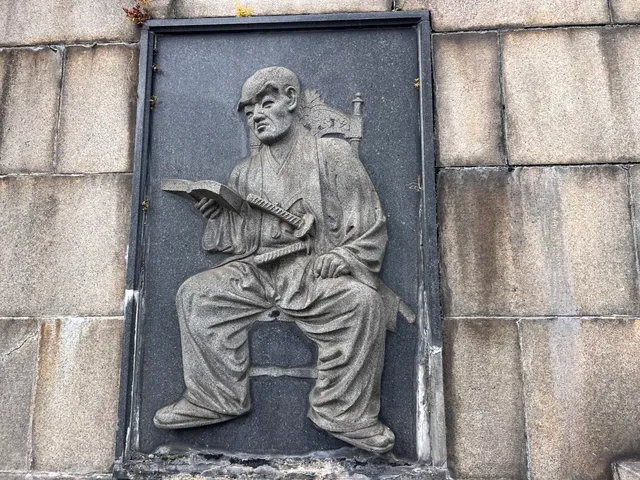
Basic Info
Ōmura Masujirō Martyrdom Memorial
2 Chome-1-23 Hoenzaka, Chuo Ward, Osaka, 540-0006, Japan
3.8(47)
Open until 12:00 AM
Save
spot
spot
Ratings & Description
Info
Cultural
Scenic
Accessibility
attractions: Otsuki Nōgaku Theater, Naniwa-no-Miya-Ato Park (Naniwanomiya Palace Site Park), Osaka Museum of History, Doza Park, NHK Osaka Hall, The Imperial Audience Hall, Hoenzaka Warehouse, Tani-Yon Kingo Koen Park, Kaede gallery, Education Tower (Kyoikuto), restaurants: Chukasoba Uemachi, Deepening Submarine Bar SHINKA, Sanshin, Henry's PIZZA, French i4hara ( Ishihara ), 佛蘭西, Tanimachi Ichimizen, Chommage-shokudo Ramen-bu, Boulangerie goût, Sushi Haku, local businesses: Don Quijote Hoenzaka Shop, NHO Osaka National Hospital, NHK Osaka, Soba AYAMEDO, abcde, Kaede-an ( maple leaf hermitage ) by Kimonoya Japan / shop, kimono experience and photo shoot, Tanimachi 4-chome Station, Hoenzaka iseki, Tanimachi 6-chome, Osaka-Takamatsu Cathedral St. Mary's Cathedral
 Learn more insights from Wanderboat AI.
Website
city.osaka.lg.jp
Open hoursSee all hours
TueOpen 24 hoursOpen
Plan your stay

Pet-friendly Hotels in Osaka
Find a cozy hotel nearby and make it a full experience.

Affordable Hotels in Osaka
Find a cozy hotel nearby and make it a full experience.

The Coolest Hotels You Haven't Heard Of (Yet)
Find a cozy hotel nearby and make it a full experience.

Trending Stays Worth the Hype in Osaka
Find a cozy hotel nearby and make it a full experience.
Reviews
Live events
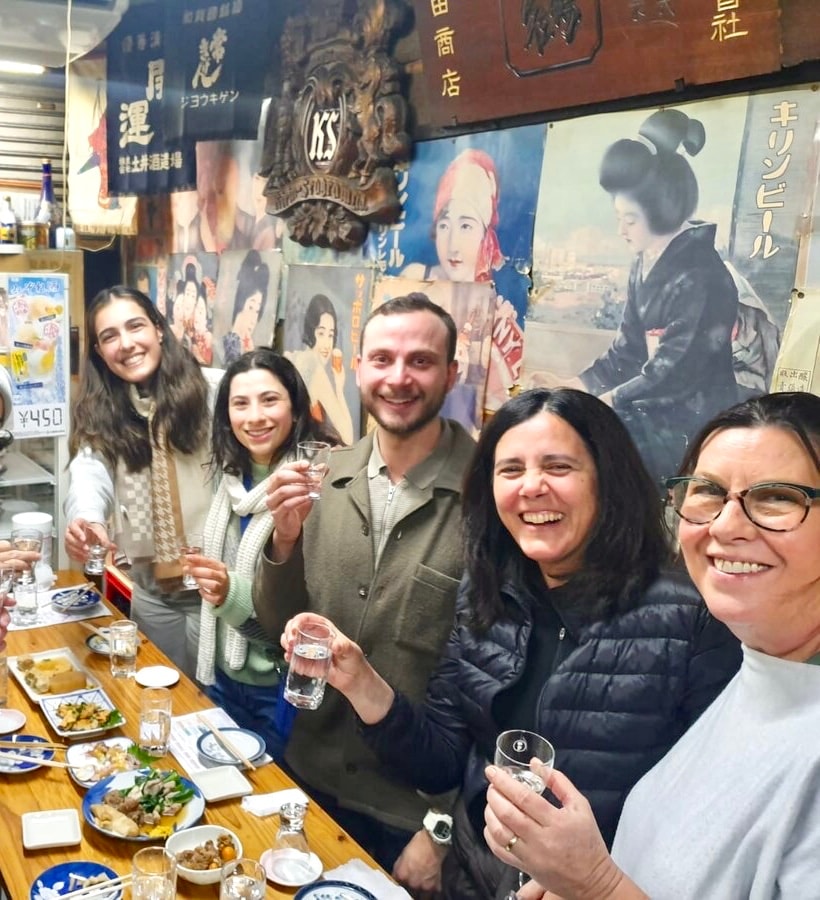
Off The Beaten Path Osaka Local Bar Crawl
Tue, Jan 27 • 6:00 PM
530-0034, Osaka, Osaka, Japan
View details
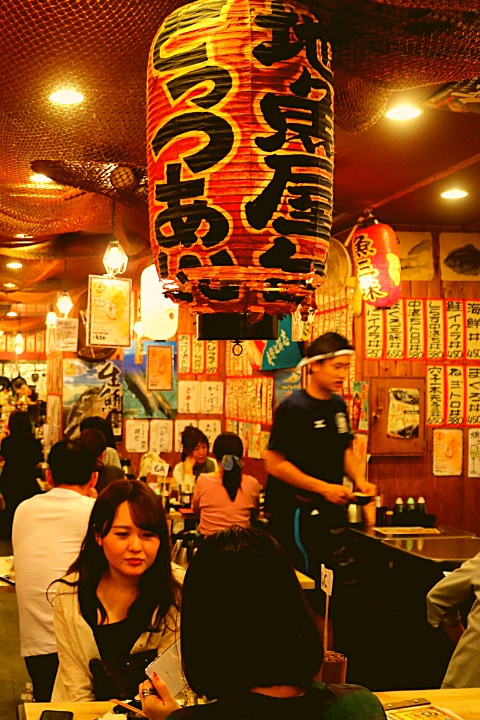
Taste Local Osakan cuisine at five hidden eateries
Tue, Jan 27 • 5:30 PM
557-0002, Osaka, Osaka, Japan
View details
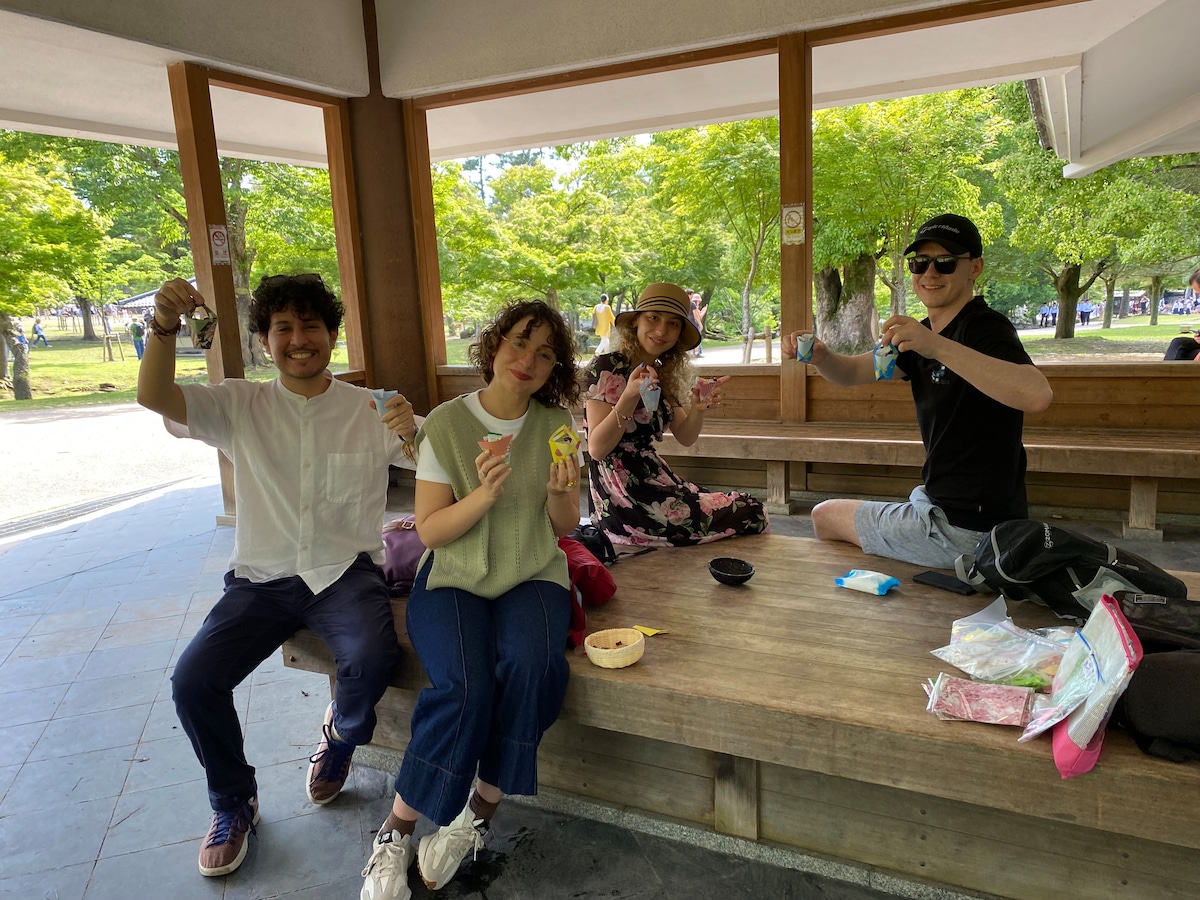
Nara Park and Hidden Gems Walking Tour
Sun, Feb 1 • 9:30 AM
630-8214, Nara, Nara, Japan
View details
Nearby attractions of Ōmura Masujirō Martyrdom Memorial
Otsuki Nōgaku Theater
Naniwa-no-Miya-Ato Park (Naniwanomiya Palace Site Park)
Osaka Museum of History
Doza Park
NHK Osaka Hall
The Imperial Audience Hall
Hoenzaka Warehouse
Tani-Yon Kingo Koen Park
Kaede gallery
Education Tower (Kyoikuto)
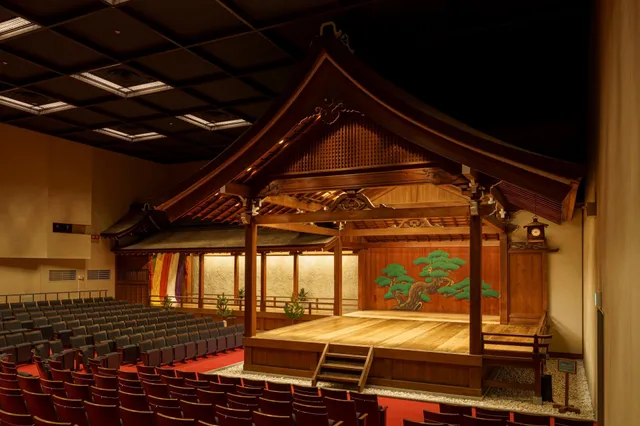
Otsuki Nōgaku Theater
4.4
(249)
Open 24 hours
Click for details
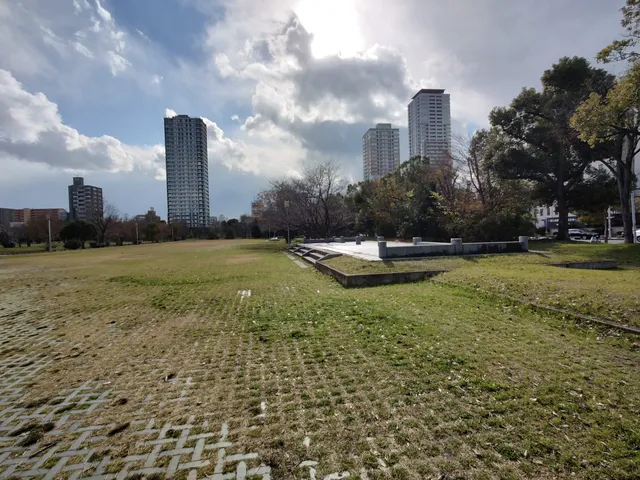
Naniwa-no-Miya-Ato Park (Naniwanomiya Palace Site Park)
3.9
(527)
Open until 12:00 AM
Click for details
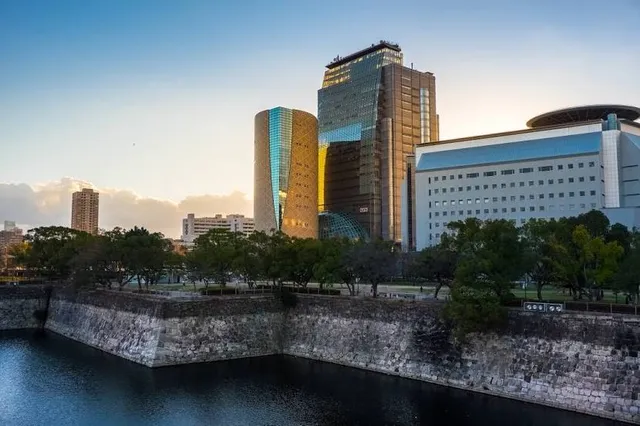
Osaka Museum of History
4.2
(2.9K)
Open until 12:00 AM
Click for details
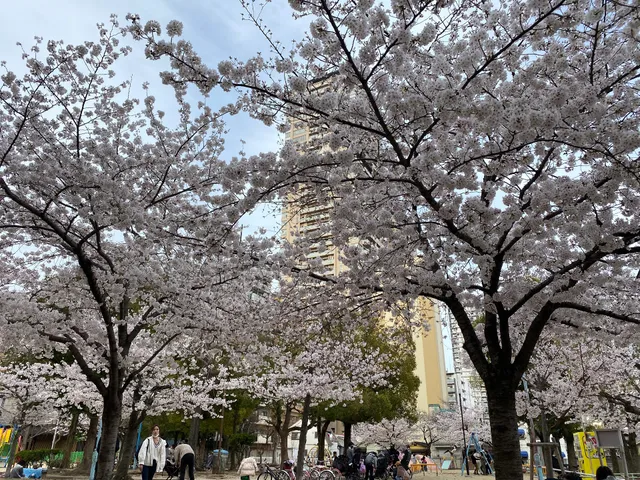
Doza Park
4.0
(60)
Open until 12:00 AM
Click for details
Nearby restaurants of Ōmura Masujirō Martyrdom Memorial
Chukasoba Uemachi
Deepening Submarine Bar SHINKA
Sanshin
Henry's PIZZA
French i4hara ( Ishihara )
佛蘭西
Tanimachi Ichimizen
Chommage-shokudo Ramen-bu
Boulangerie goût
Sushi Haku
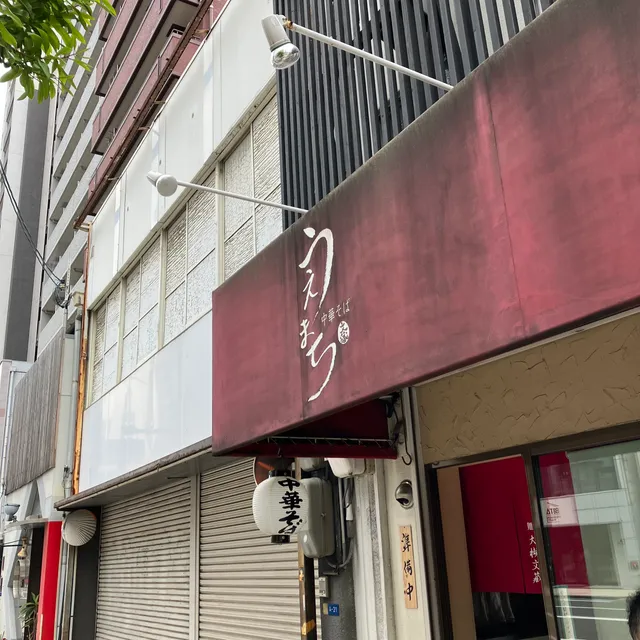
Chukasoba Uemachi
4.2
(559)
Open until 12:00 AM
Click for details
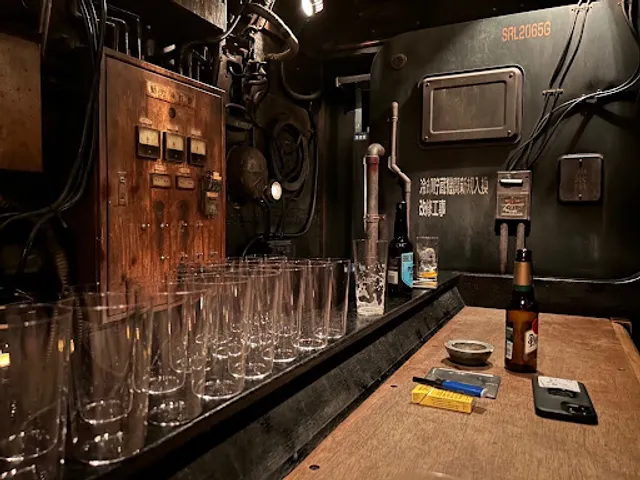
Deepening Submarine Bar SHINKA
4.4
(180)
Closed
Click for details
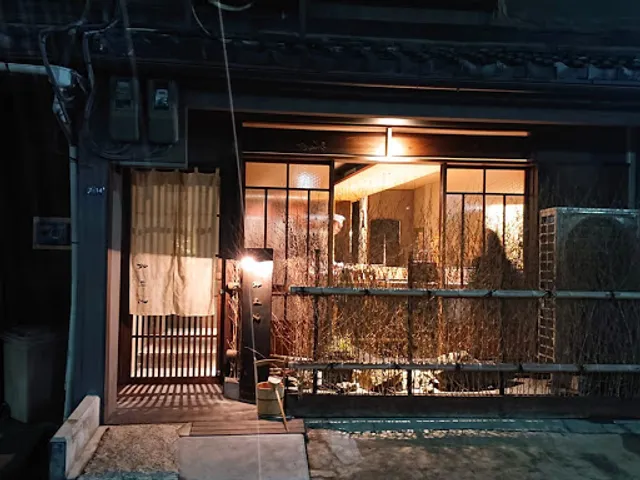
Sanshin
4.6
(138)
Open until 12:00 AM
Click for details
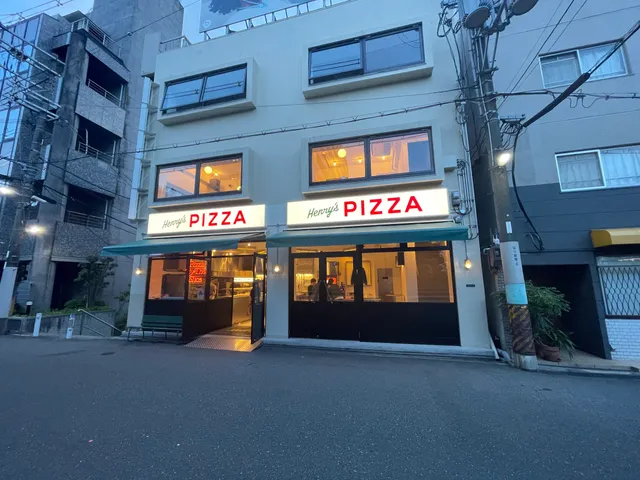
Henry's PIZZA
4.5
(302)
Open until 9:30 PM
Click for details
Nearby local services of Ōmura Masujirō Martyrdom Memorial
Don Quijote Hoenzaka Shop
NHO Osaka National Hospital
NHK Osaka
Soba AYAMEDO
abcde
Kaede-an ( maple leaf hermitage ) by Kimonoya Japan / shop, kimono experience and photo shoot
Tanimachi 4-chome Station
Hoenzaka iseki
Tanimachi 6-chome
Osaka-Takamatsu Cathedral St. Mary's Cathedral
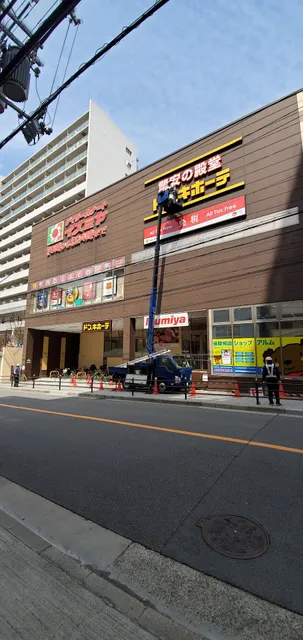
Don Quijote Hoenzaka Shop
3.6
(528)
Click for details
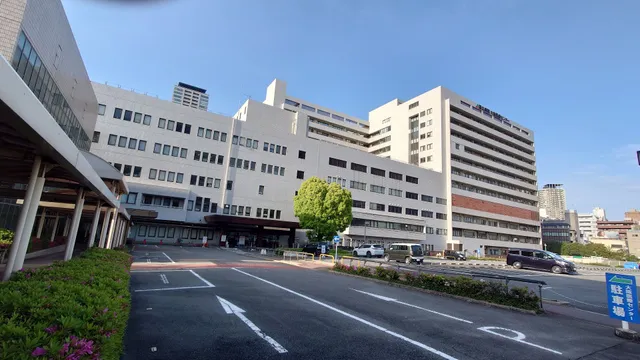
NHO Osaka National Hospital
3.4
(164)
Click for details

NHK Osaka
3.8
(574)
Click for details
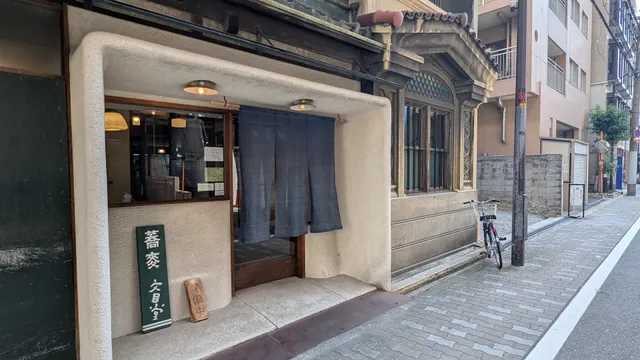
Soba AYAMEDO
4.2
(290)
Click for details