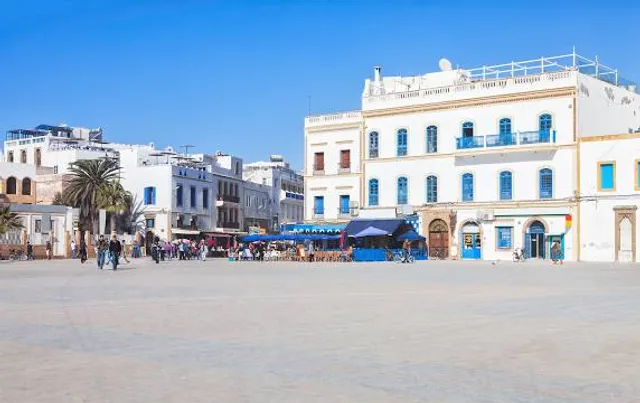
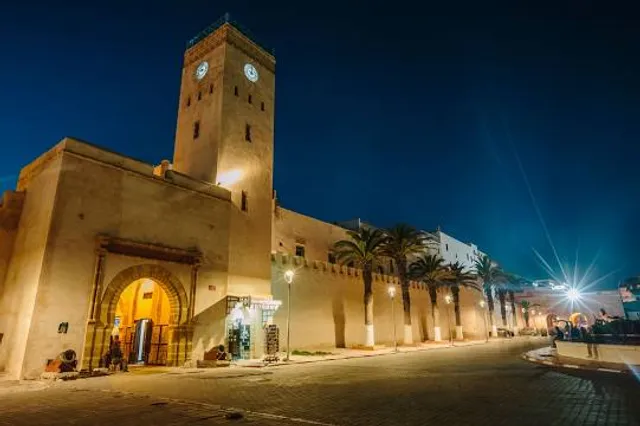
Suvayr or Essaouira, formerly Mogador or Mogadore, is a city on Morocco's Atlantic coast. The city has been inhabited since prehistoric times. Also, the city center is on the UNESCO World Heritage list. As soon as you take your step, you will be caught up in the atmosphere of the fishing harbor and the screaming seagulls rising above the walls of the city. Besides feeling the oceanic flavor of Morocco, its distinctive breeze finds you even in the narrowest streets of Essaouira. This breeze from the ocean; It blends with raw and cooked fish scents and takes you away.
Essaouira has its own unique atmosphere, with narrow streets, constant wind, fish gut scent, moist ocean air, aroma of spices and tuya wood. Everyone who came here fell in love with this difference.
Women wander the streets with white haik (veil). Walking under the shade of palm trees lined up beside the red city walls, walking around the crowded medina accompanied by African music echoing in the streets of the medina is another feeling.
WIND CITY OF Africa Sea, sand and sun tourism has not developed in Essaouira due to the blowing alize (Taros in Berber language) winds. When this wind starts to blow horizontally, you cannot sit on the beach.
In fact, this breeze also blends African and Western culture. Essaouira is called the "Wind City of Africa" and is an essential destination for windsurfers. Classes can be taken at surf schools on this shore of the Atlantic Ocean. Those looking for less wind and calm beaches head further south to Agadir. (Agadir has touristic beaches like Antalya and Kuşadası).
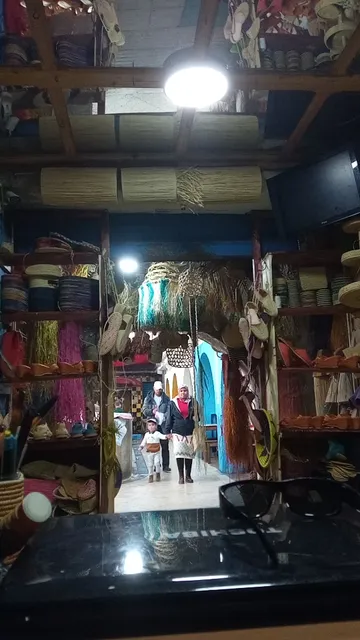
Due to the constant winds, Essaouira is not completely taken over by tourism. The fishing port is still busy as it used to be, traditional woodworkers continue their craft on the streets; It is important not only for tourists but also for locals.
Essaouira is located at the crossroads between the Arab Chiadma in the North and the Haha berber tribes in the south. When the Gnawans from the south of Africa and later Europeans are added to this, a rich cultural mix is formed.
The authentic atmosphere here has fascinated many artists. It has gradually become an art center with emphasis on music and painting. The sculptor Boujemâa Lakhdar opened a local museum here in the 1950s and inspired many artists. Nowadays it has become a famous address for hippies in the world.
HISTORY Essaouira has long been considered one of the best ports on the Moroccan coast. Carthaginian sailor Hanno, BC. It established a commercial colony in the 5th century. B.C. At the end of the 1st century and the beginning of the 1st century, the Berber king Juba II established a production center that processes the shells of murs and purpura found in rocks in Essaouira and Purpuraire (Purple) islands. This paint colored the purple stripe in the Roman imperial senate.
Roman artefacts from the 3rd century were found during the excavation of a Roman villa on the island of Mogador, where the purple color was obtained. We see many of the artifacts now in the Sidi Muhammed Ben Abdallah Museum and the Rabat Archaeological Museum.
In 1764, Sultan Sidi Muhammed Ben Abdallah founded Essaouira and attacked the people of Agadir who rebelled against him. To create a city with nothing in the middle of sand and wind, a French architect, Théodore Cornut, commissioned the construction of the city.
This new city, which combines Moroccan and European styles, was called Essaouira (well-designed in the berber language). Essaouira port soon became a vital link for trade between Timbuktu (desert region) and Europe. It became an important port where the trade in gold, salt, ivory and ostrich feathers was carefully monitored, taxed and controlled.
Mohammed III has taken many steps to promote the development of Essaouira. The southern port of Agadir was closed in 1767, so southern trade would be diverted to Essaouira. The European communities in the northern port of Rabat-Salé were ordered to move to Essaouira by the decision of...
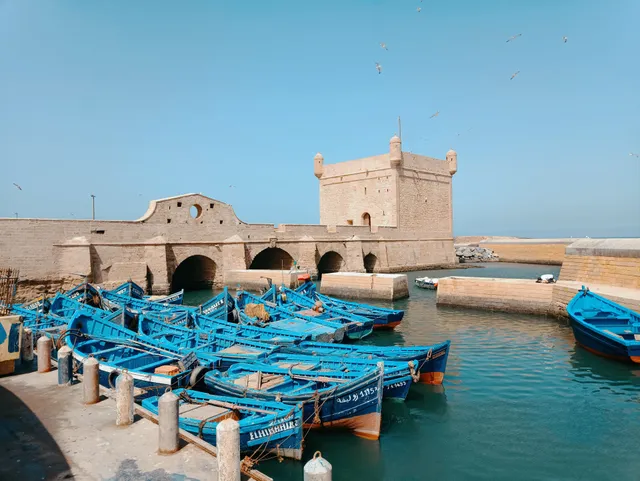
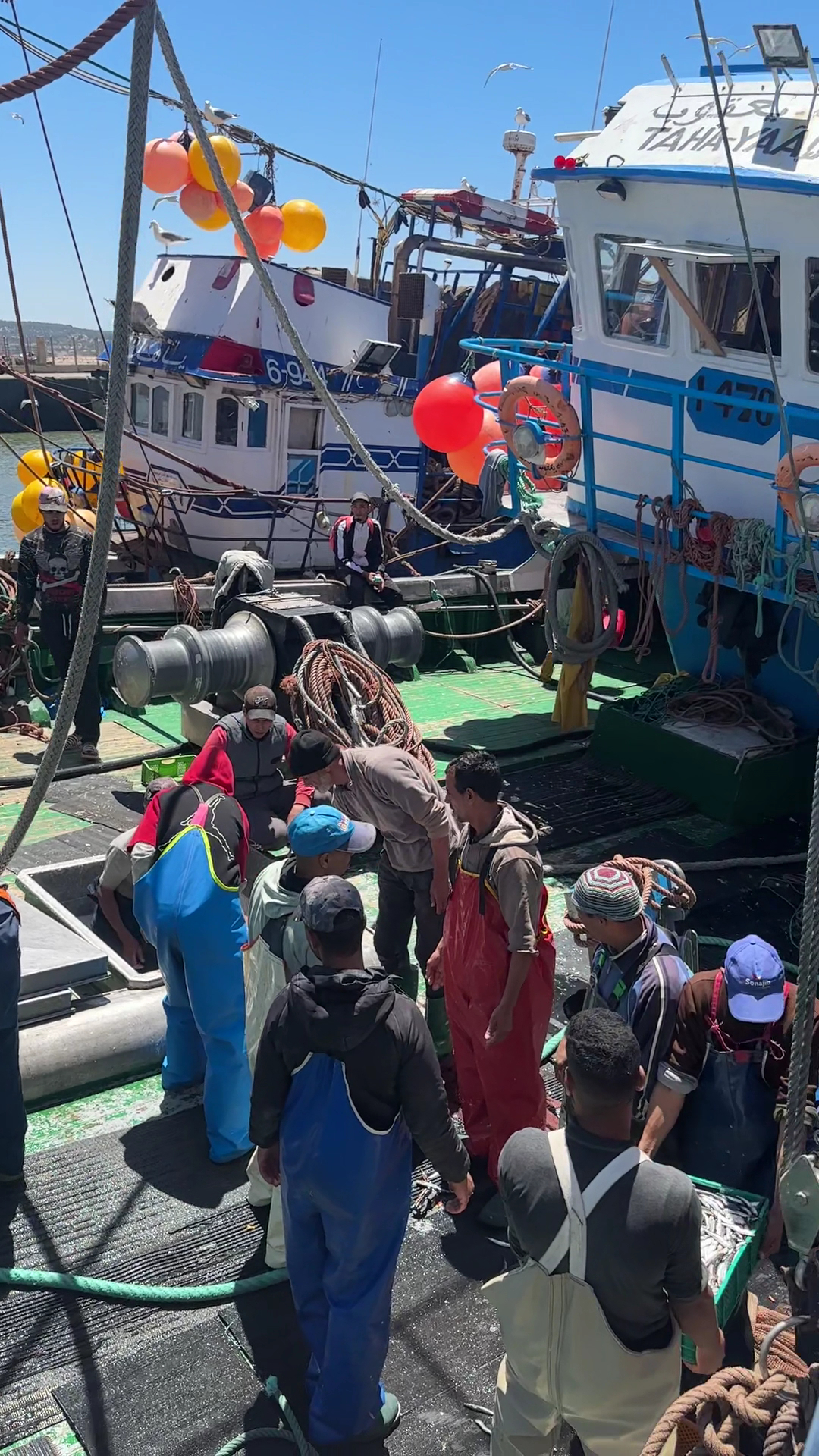
Read moreThe Port of Essaouira is more than just a harbor; it's a vibrant tapestry woven with history, culture, and the daily rhythms of maritime life. From the moment you arrive, you're enveloped in an atmosphere that's both bustling and timeless. The air hums with the calls of fishermen, the cries of seagulls circling overhead, and the salty tang of the Atlantic.
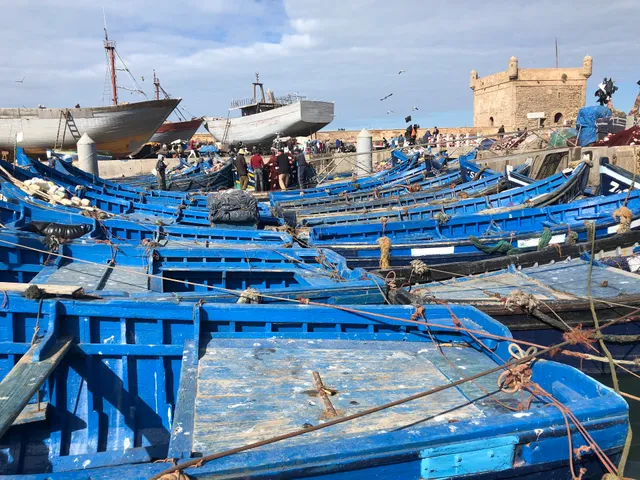
The iconic sight of the deep blue fishing boats, clustered tightly in the harbor, is instantly captivating. These traditional wooden vessels, often adorned with colorful details, bob gently in the water, creating a picturesque scene against the backdrop of the ancient stone ramparts. This visual spectacle is a photographer's dream, particularly during sunrise and sunset when the golden light bathes the port in a warm glow.
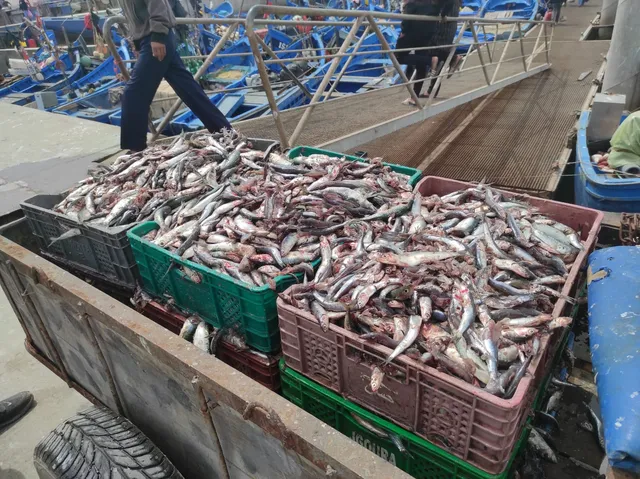
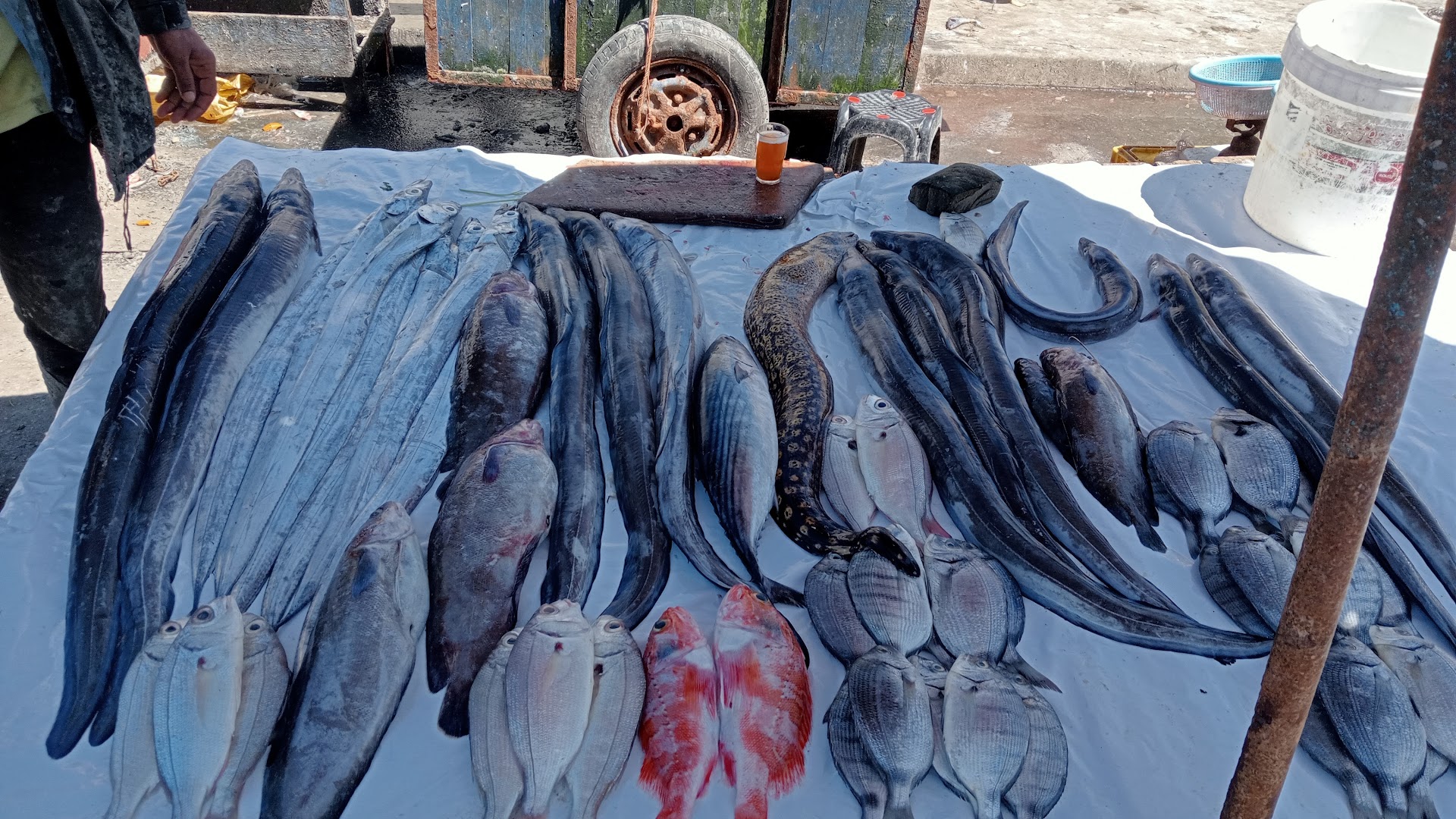
Beyond its aesthetic appeal, the Port of Essaouira is a vital working harbor. You can witness the daily rituals of the local fishing industry firsthand. Observe the fishermen as they mend their nets with skilled hands, a practice passed down through generations. In the late morning, the return of the trawlers is a flurry of activity as the day's catch – often sardines, mackerel, and anchovies – is unloaded. The adjacent fish market comes alive with vendors displaying their fresh bounty, the air filled with the lively bartering and the keen interest of local buyers and restaurateurs. For a truly immersive experience, witnessing the fish auction just outside the port gates is a must-see spectacle of local commerce and tradition.
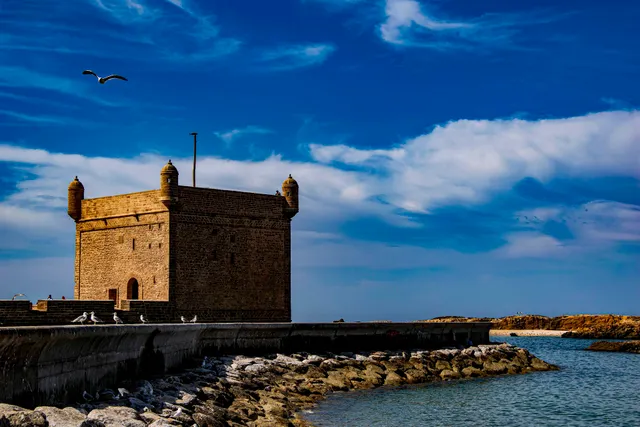
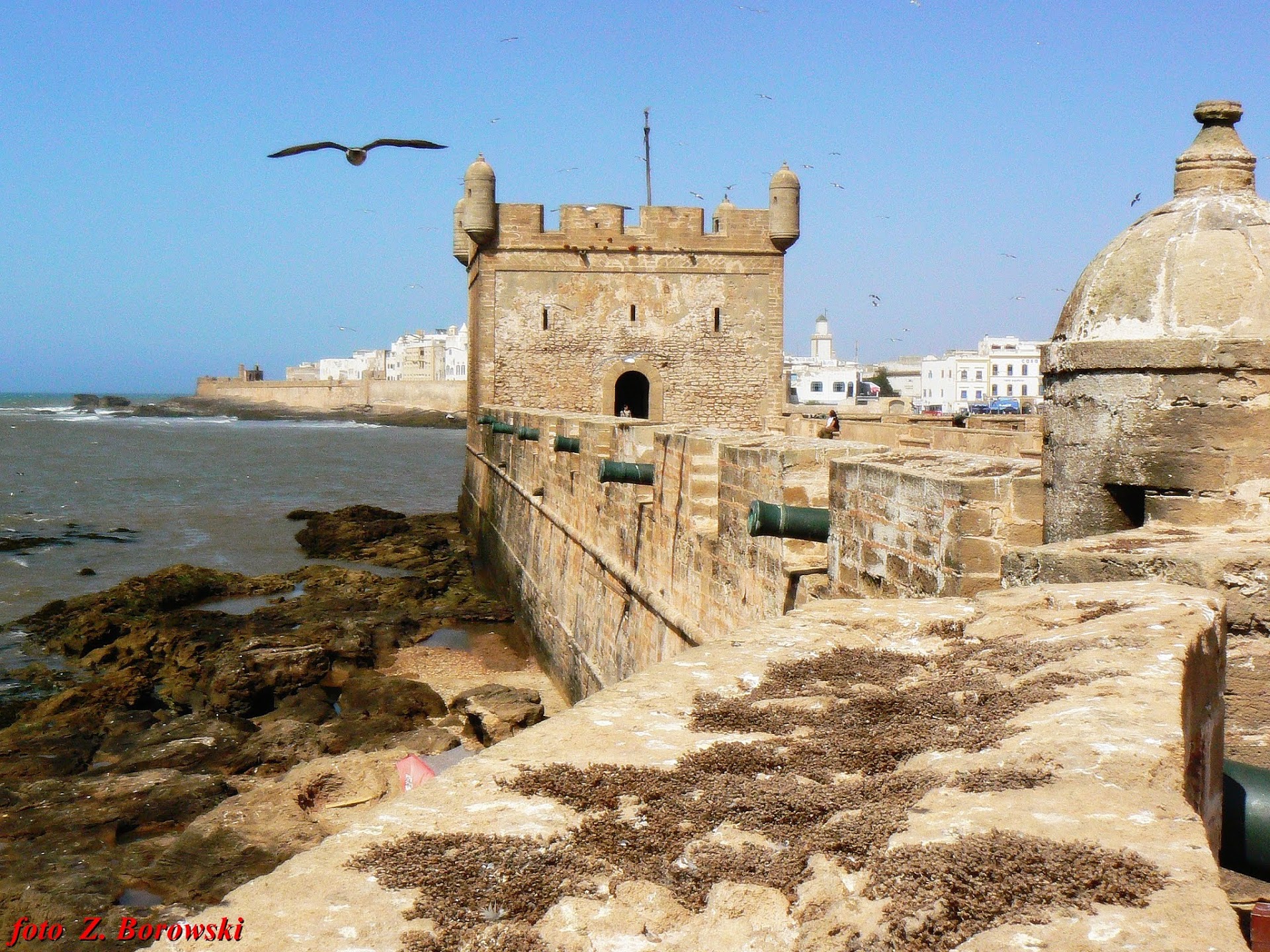
The port's historical significance is palpable. Built in the 18th century by Sultan Sidi Mohammed Ben Abdallah, it was strategically designed to open Morocco to international trade. For a time, Essaouira even served as the country's diplomatic capital. The imposing Skala du Port, an 18th-century artillery platform overlooking the harbor, stands as a testament to this rich past. From its ramparts, you can gaze out at the sea, imagining the trading ships of centuries past and appreciating the strategic importance of this coastal stronghold. The blend of European military architecture with North African influences, evident in the design of the port and the surrounding medina, is a unique feature recognized by UNESCO, which designated Essaouira a World Heritage Site.
Exploring the port also offers glimpses into the craftsmanship of traditional boat building. Skilled artisans continue to construct and repair the sturdy wooden fishing vessels, using techniques that have been refined over time. This dedication to traditional methods adds another layer of authenticity to the port's character.
While the port is a hub of activity, it also exudes a certain charm and tranquility. Strolling along the quays, you can observe the local life unfolding at its own pace. Friendly faces, the rhythmic sounds of the sea, and the timeless atmosphere create a sense of connection to a place deeply rooted in its maritime heritage.
In conclusion, a visit to the Port of Essaouira is an enriching and sensory experience. It's a place where history, culture, and the vibrant energy of a working harbor converge to create a truly unforgettable atmosphere. Whether you're captivated by the colorful boats, the bustling fish market, the historical architecture, or simply the sights and sounds of daily life by the sea, the Port of Essaouira leaves a lasting impression. It's a must-see destination for anyone visiting this captivating Moroccan...
Read moreThe Medina of Essaouira, formerly called Mogador ("small fortress"), is an outstanding example of a fortified city from the mid-18th century, surrounded by a wall. For centuries, this port has played an important role as an international commercial port, linking Morocco and sub-Saharan Africa with Europe and the rest of the world. The city is also an example of a multicultural center. Archaeological research shows that Essaouira has been inhabited since prehistoric times. At the end of the first century BC the King of Berbers, Juba II, founded a factory of Tyrian violet, processing crustaceans found on tidal rocks and coastal islands into a dye. Found a Roman vase and coins from the third century and a Roman villa. In 1506, the king of Portugal, ordered the construction of a fortress called Castelo Real de Mogador. Medina of Essaouira in 2001 was inscribed on the UNESCO World Heritage List as an example of 18th-century castle. Medyna Essaouira, dawniej nazywana Mogador ("mała forteca"), jest wybitnym przykładem umocnionego miasta z połowy XVIII wieku, otoczonego murem. Port ten od stuleci odgrywał ważną rolę międzynarodowego portu handlowego, łączącego Maroko i Afrykę subsaharyjskiej z Europą i resztą świata. Miasto jest także przykładem ośrodka wielokulturowego. Badania archeologiczne pokazują, że Essaouira była zamieszkała od czasów prehistorycznych. Pod koniec I wieku p.n.e. król Berberów, Juba II, założył fabrykę fioletu tyryjskiego, przetwarzającą skorupiaki znajdujące się na skałach przypływowych i przybrzeżnych wyspach w barwnik. Znaleziono rzymską wazę oraz monety z III wieku oraz rzymską willę. W 1506 roku król Portugalii, nakazał budowę twierdzy o nazwie Castelo Real de Mogador. Medina Essaouiry w 2001 roku została wpisana na Listę Światowego Dziedzictwa UNESCO jako przykład...
Read more