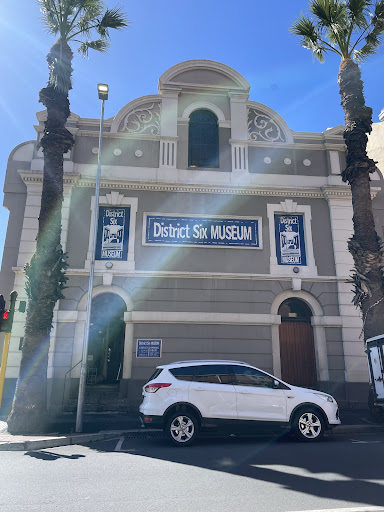
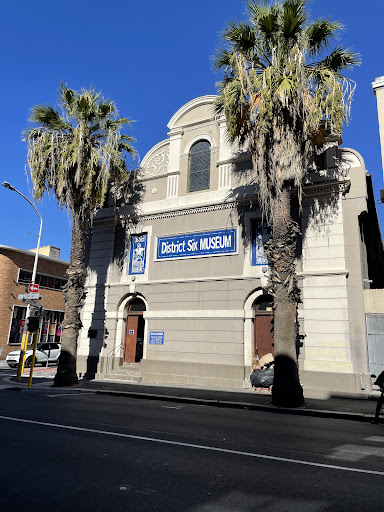
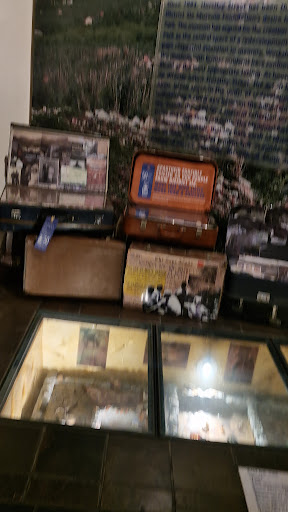
District Six Museum things to do, attractions, restaurants, events info and trip planning
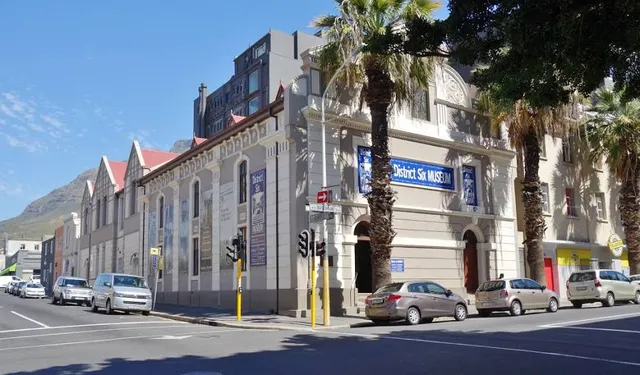
Basic Info
District Six Museum
25A Buitenkant St, District Six, Cape Town, 8000, South Africa
4.4(1.2K)
Closed
Save
spot
spot
Ratings & Description
Info
District Six Museum is a museum in the former inner-city residential area and, District Six, in Cape Town, South Africa in an old Methodist church.
Cultural
Educational
Historical significance
attractions: Castle of Good Hope, Cape Town City Hall, The Old Granary, StateoftheART Gallery Cape Town, Iziko Slave Lodge, St. Mary's Cathedral, President Nelson Mandela Statue, Groote Kerk Kaapstad, St George's Cathedral, Church Square, restaurants: Truth Coffee Roasting, Swan Café, Harringtons Cocktail Lounge, SurfaRosa, Wild Eatery, THE ELECTRIC, Belly of the beast, The Cousins Trattoria, Downtown Ramen Asian Restaurant, Dust And Dynamite, local businesses: Golden Acre, The Service Dining Rooms, Speakers-Corner, Greenmarket Square, Moro Gelato Long Street, Good Company Market St Georges Mall (Thursdays), Table mountain, African Craft Whole Sale Market, Travelex Green Market Square, Secrets Euphoria Cape Town
 Learn more insights from Wanderboat AI.
Phone
+27 21 466 7200
Website
districtsix.co.za
Open hoursSee all hours
Tue9 AM - 4 PMClosed
Plan your stay

Pet-friendly Hotels in Cape Town Ward 115
Find a cozy hotel nearby and make it a full experience.

Affordable Hotels in Cape Town Ward 115
Find a cozy hotel nearby and make it a full experience.

The Coolest Hotels You Haven't Heard Of (Yet)
Find a cozy hotel nearby and make it a full experience.

Trending Stays Worth the Hype in Cape Town Ward 115
Find a cozy hotel nearby and make it a full experience.
Reviews
Live events

Hike Lions Head for Sunrise or Sunset
Tue, Jan 27 • 4:00 PM
Cape Town, Western Cape, 8001, South Africa
View details
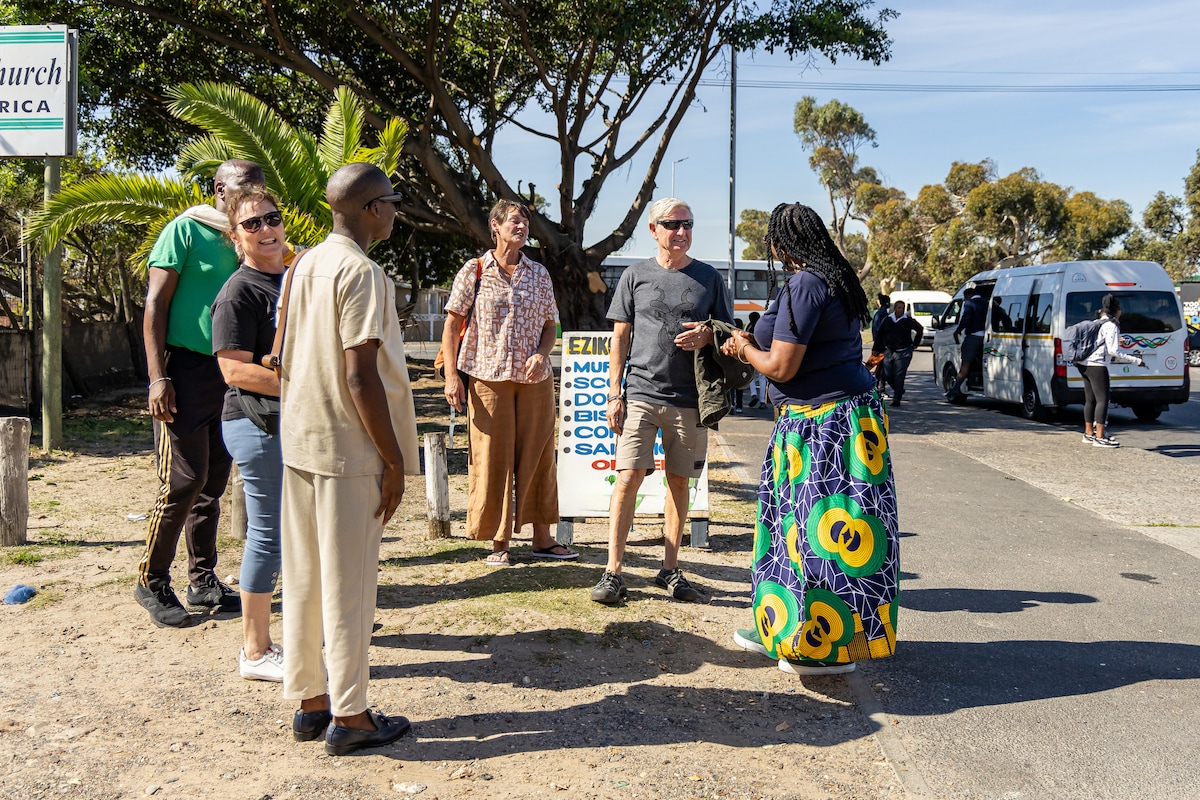
Discover Langa and enjoy African cuisine
Wed, Jan 28 • 9:00 AM
Cape Town, Western Cape, 7455, South Africa
View details
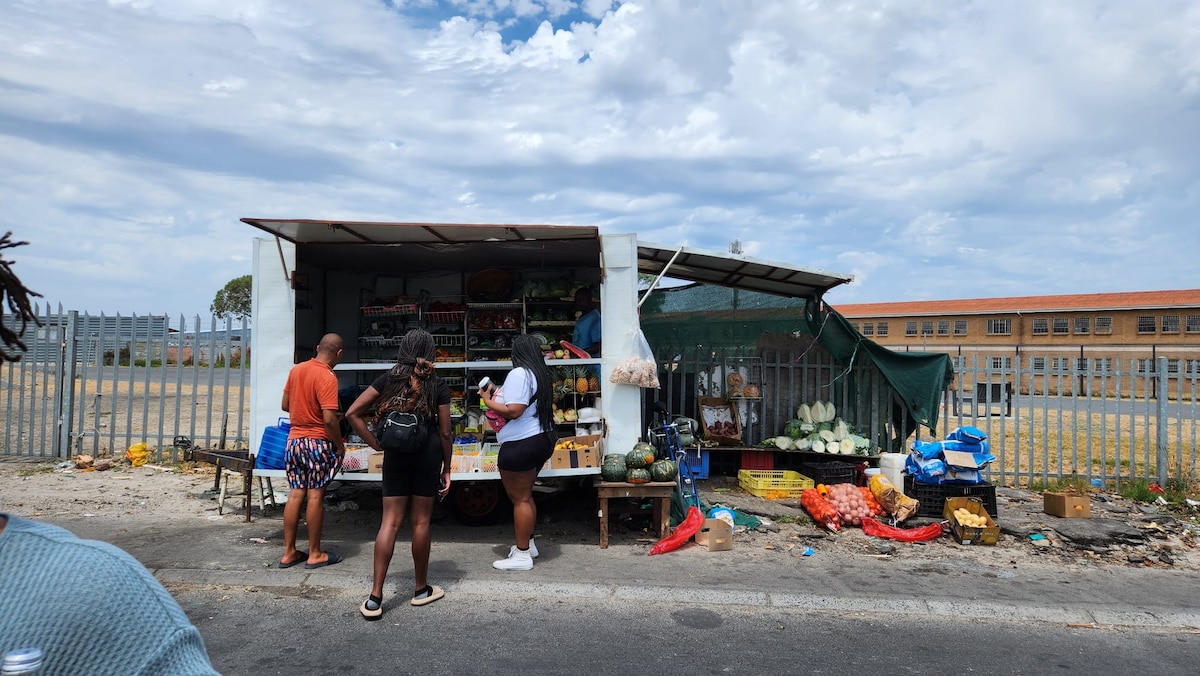
Explore the oldest afro township in South Africa
Fri, Jan 30 • 1:00 PM
Cape Town, Western Cape, 7456, South Africa
View details
Nearby attractions of District Six Museum
Castle of Good Hope
Cape Town City Hall
The Old Granary
StateoftheART Gallery Cape Town
Iziko Slave Lodge
St. Mary's Cathedral
President Nelson Mandela Statue
Groote Kerk Kaapstad
St George's Cathedral
Church Square
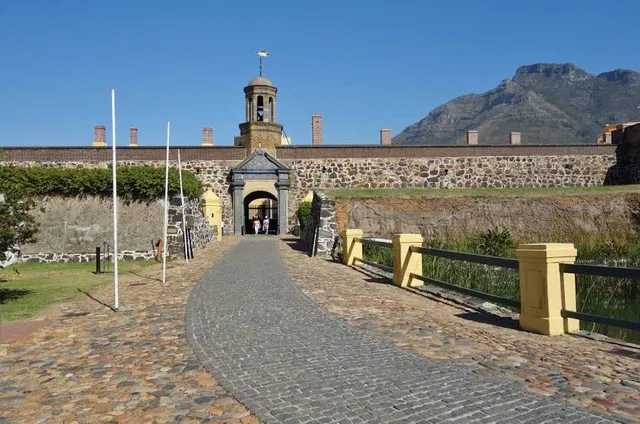
Castle of Good Hope
4.3
(5.3K)
Closed
Click for details
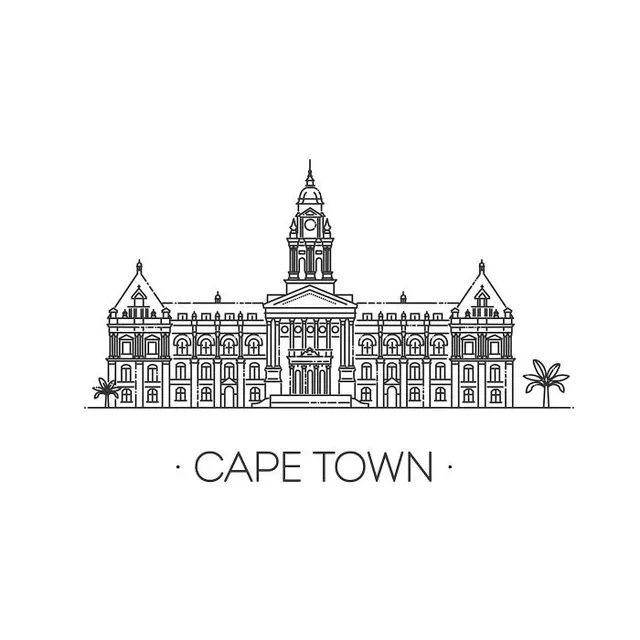
Cape Town City Hall
4.5
(287)
Open until 5:00 PM
Click for details
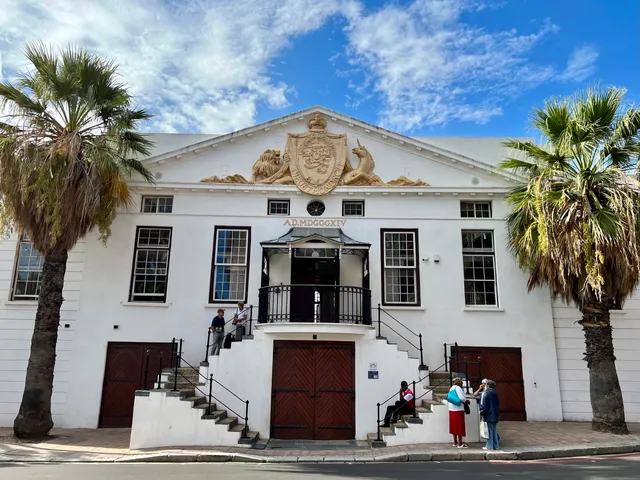
The Old Granary
4.8
(43)
Open 24 hours
Click for details

StateoftheART Gallery Cape Town
4.5
(33)
Open until 12:00 AM
Click for details
Nearby restaurants of District Six Museum
Truth Coffee Roasting
Swan Café
Harringtons Cocktail Lounge
SurfaRosa
Wild Eatery
THE ELECTRIC
Belly of the beast
The Cousins Trattoria
Downtown Ramen Asian Restaurant
Dust And Dynamite
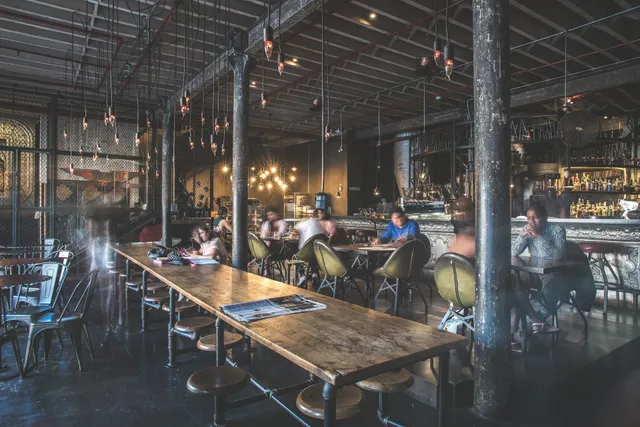
Truth Coffee Roasting
4.5
(2.5K)
Open until 10:00 PM
Click for details
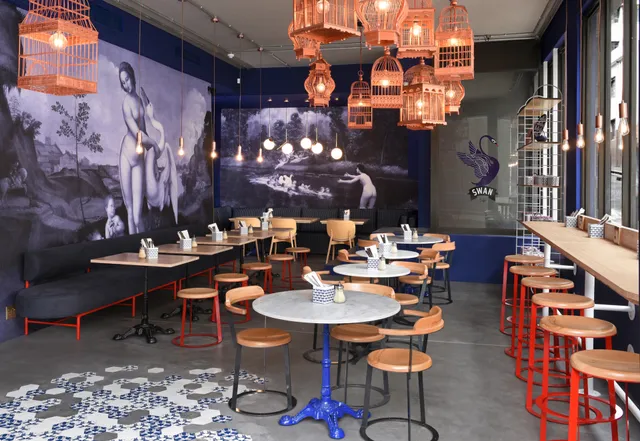
Swan Café
4.5
(441)
Closed
Click for details
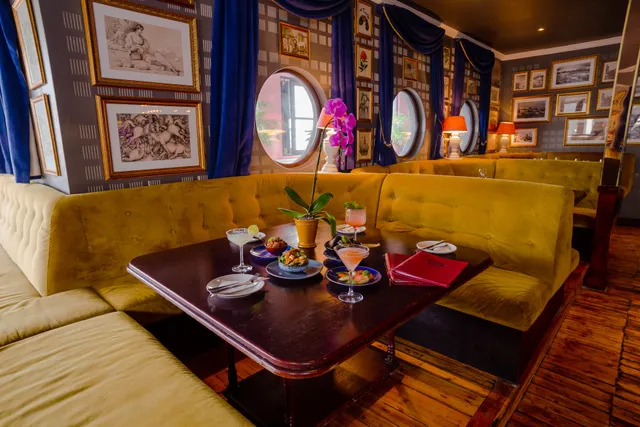
Harringtons Cocktail Lounge
4.4
(546)
$$$
Open until 12:00 AM
Click for details
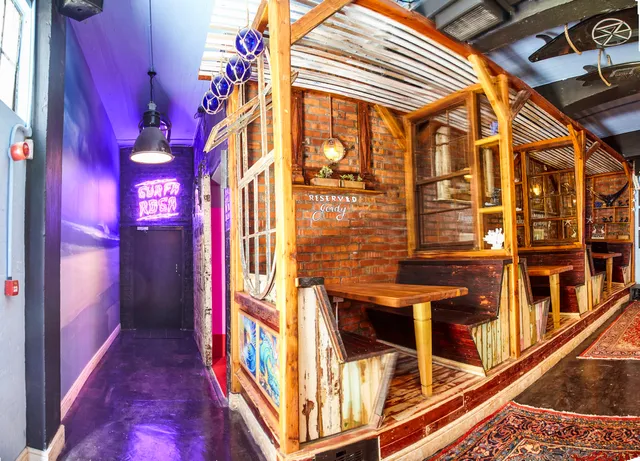
SurfaRosa
4.5
(236)
Open until 12:00 AM
Click for details
Nearby local services of District Six Museum
Golden Acre
The Service Dining Rooms
Speakers-Corner
Greenmarket Square
Moro Gelato Long Street
Good Company Market St Georges Mall (Thursdays)
Table mountain
African Craft Whole Sale Market
Travelex Green Market Square
Secrets Euphoria Cape Town
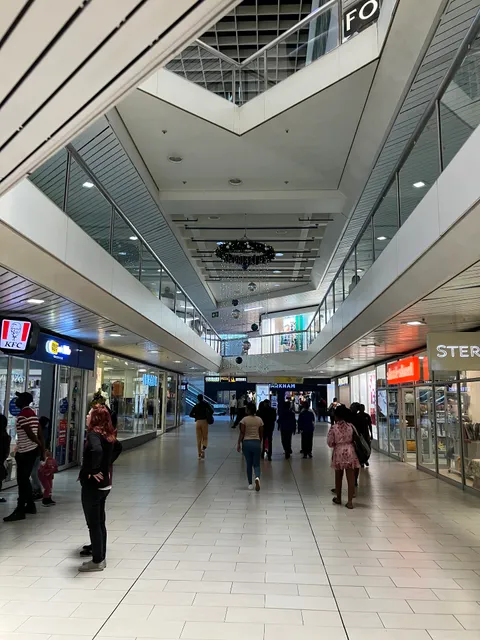
Golden Acre
4.0
(3.7K)
Click for details
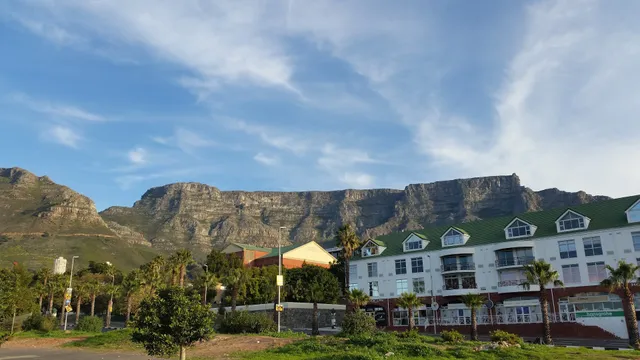
The Service Dining Rooms
4.8
(10)
Click for details
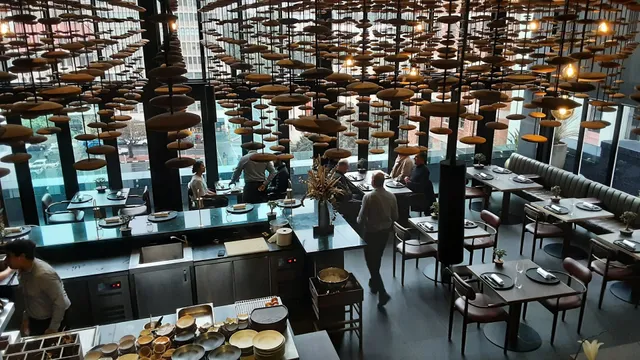
Speakers-Corner
4.5
(52)
Click for details
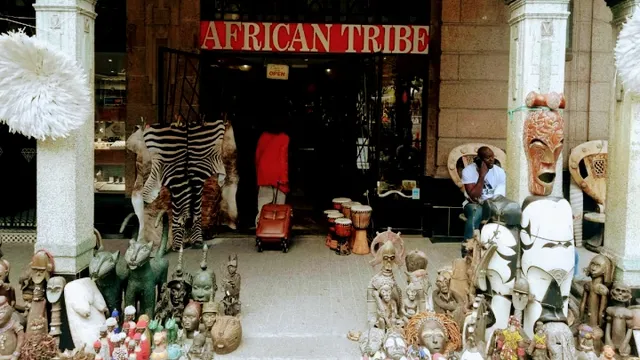
Greenmarket Square
4.1
(2.3K)
Click for details