The White House Conference Center things to do, attractions, restaurants, events info and trip planning
Basic Info
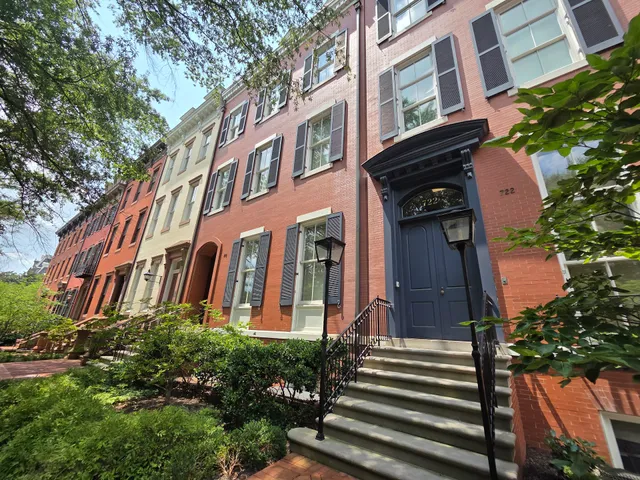
The White House Conference Center
726 Jackson Pl NW, Washington, DC 20006
4.0(36)
Save
spot
spot
Ratings & Description
Info
Cultural
attractions: Renwick Gallery of the Smithsonian American Art Museum, Lafayette Square, Decatur House, The People’s House: A White House Experience, Blair House, Rochambeau Statue, Farragut Square, General Andrew Jackson Statue, St. John's, Lafayette Square, Decatur Carriage House, restaurants: Off the Record, Blackfinn DC, GCDC Grilled Cheese Bar, The Bombay Club, Teaism Lafayette Park, Immigrant Food at The White House, La Bise, The Lafayette, Luke's Lobster Farragut, Tatte Bakery & Cafe | Farragut Square, local businesses: Escape the Room DC (Midtown / Golden Triangle), White House Historical Association, Oval Offices DC, U.S. Chamber of Commerce, The Frame Mender While-U-Wait Eyeglass Repairs, Eisenhower Executive Office Building, Connecticut Ave NW, Eye Street Massage Therapy, Connecticut Avenue Northwest, Renwick Gallery Museum Store
 Learn more insights from Wanderboat AI.
Website
whitehouse.gov
Plan your stay

Pet-friendly Hotels in Washington
Find a cozy hotel nearby and make it a full experience.

Affordable Hotels in Washington
Find a cozy hotel nearby and make it a full experience.

The Coolest Hotels You Haven't Heard Of (Yet)
Find a cozy hotel nearby and make it a full experience.

Trending Stays Worth the Hype in Washington
Find a cozy hotel nearby and make it a full experience.
Reviews
Live events
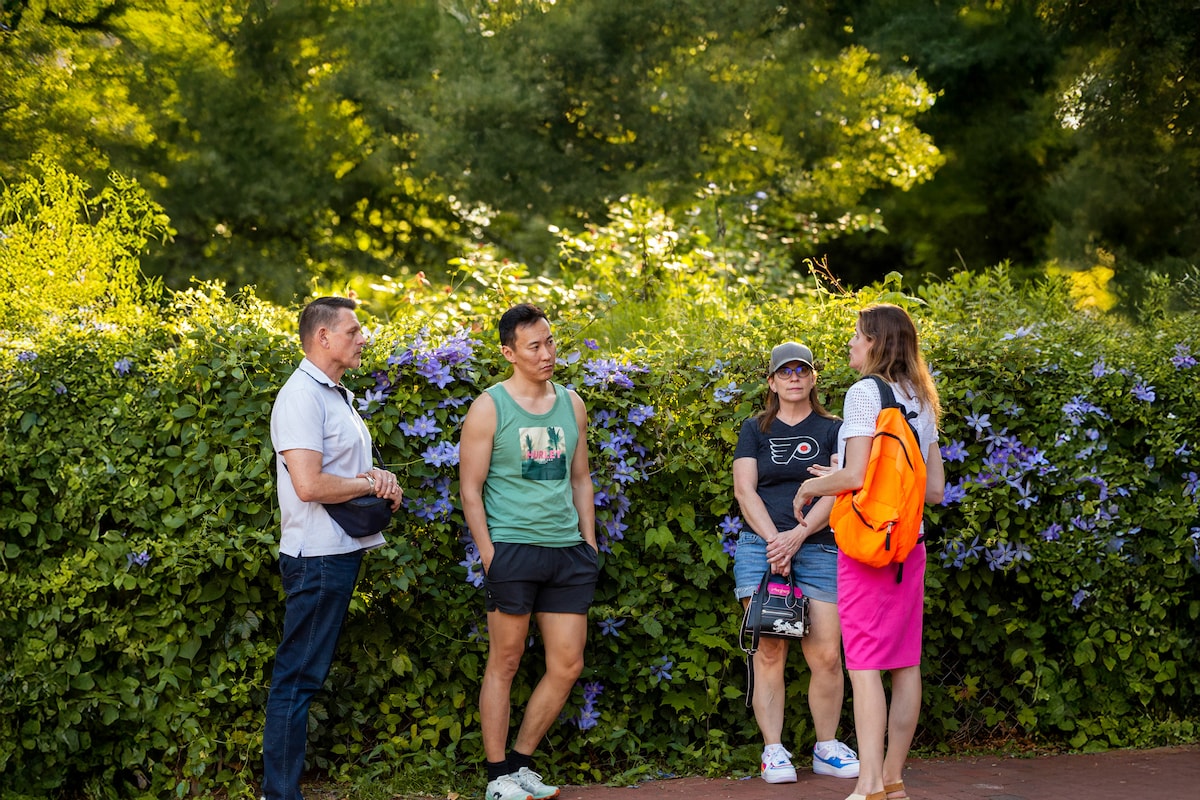
Uncover Georgetowns secret spy stories
Sat, Jan 31 • 1:00 PM
Washington, District of Columbia, 20007
View details
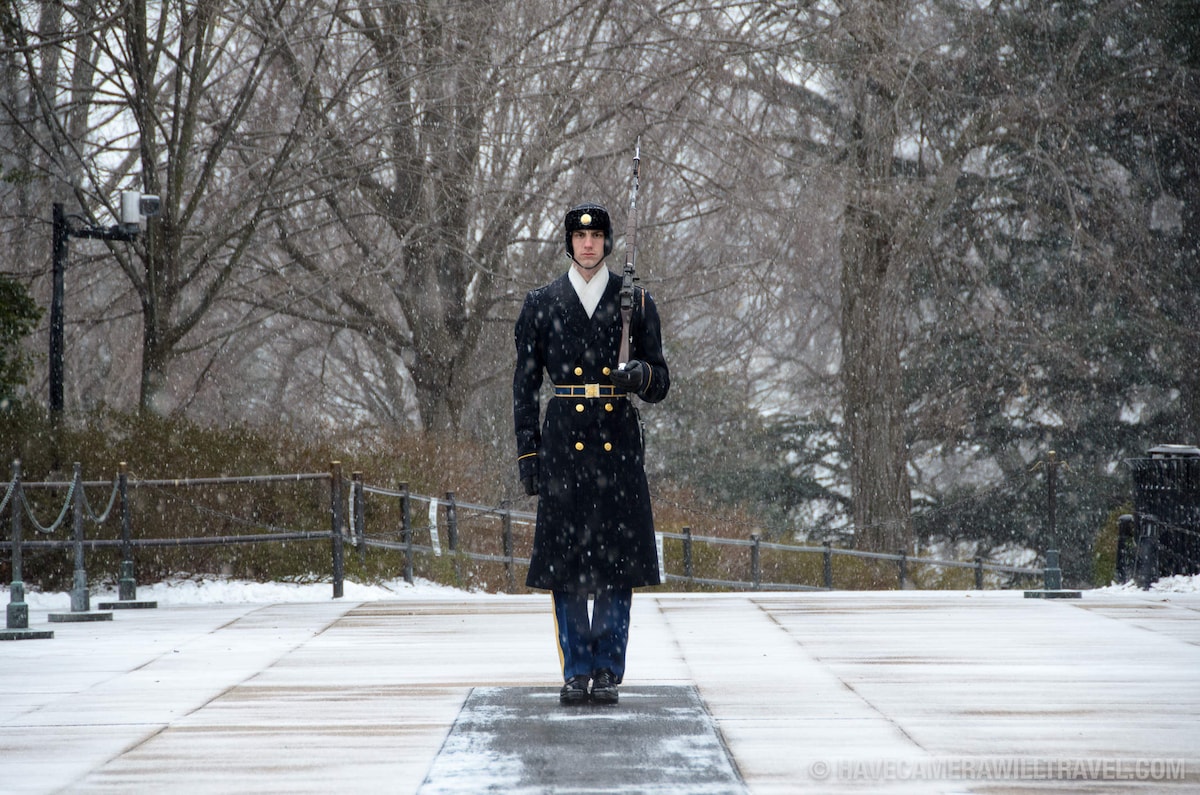
Explore Arlington with storytellers
Thu, Jan 29 • 9:30 AM
Arlington, Virginia, 22211
View details

Charity Inaugural Ball
Fri, Jan 30 • 7:00 PM
7400 Greenway Center Drive Greenbelt, MD 20770
View details
Nearby attractions of The White House Conference Center
Renwick Gallery of the Smithsonian American Art Museum
Lafayette Square
Decatur House
The People’s House: A White House Experience
Blair House
Rochambeau Statue
Farragut Square
General Andrew Jackson Statue
St. John's, Lafayette Square
Decatur Carriage House
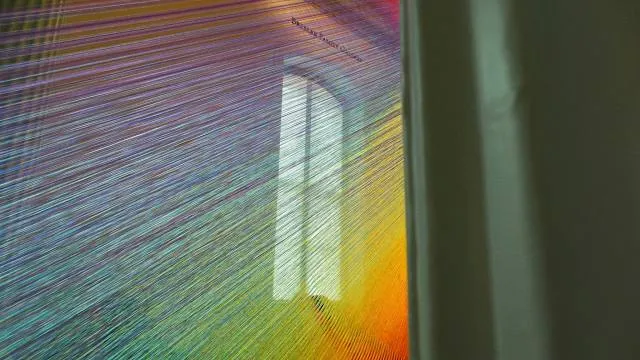
Renwick Gallery of the Smithsonian American Art Museum
4.7
(2.3K)
Closed
Click for details
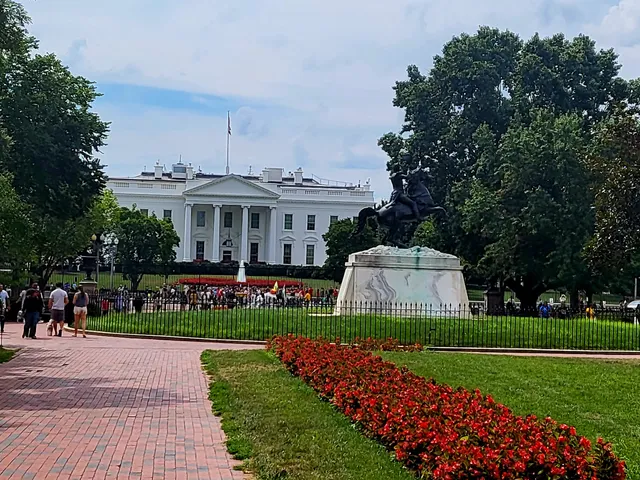
Lafayette Square
4.6
(1.5K)
Open until 12:00 AM
Click for details
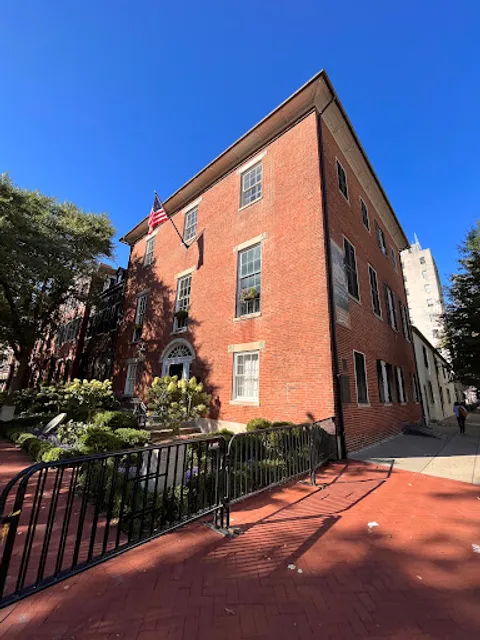
Decatur House
4.7
(98)
Open 24 hours
Click for details
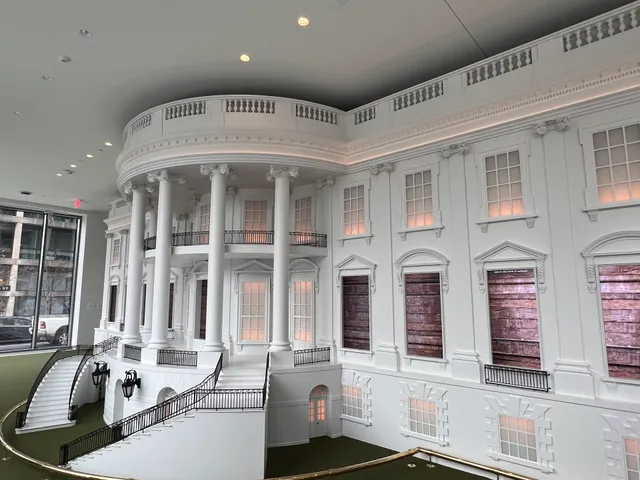
The People’s House: A White House Experience
4.7
(338)
Closed
Click for details
Nearby restaurants of The White House Conference Center
Off the Record
Blackfinn DC
GCDC Grilled Cheese Bar
The Bombay Club
Teaism Lafayette Park
Immigrant Food at The White House
La Bise
The Lafayette
Luke's Lobster Farragut
Tatte Bakery & Cafe | Farragut Square
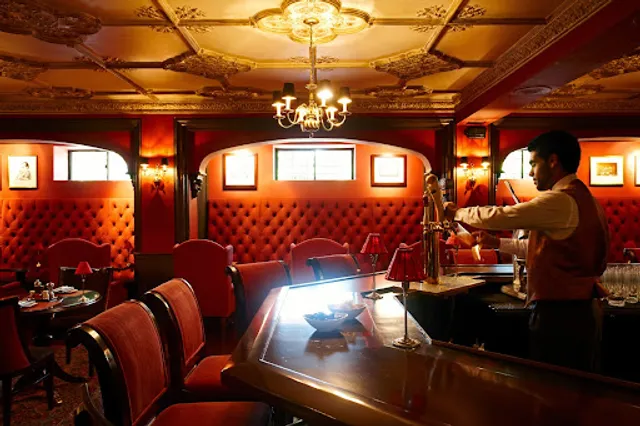
Off the Record
4.6
(565)
$$
Closed
Click for details
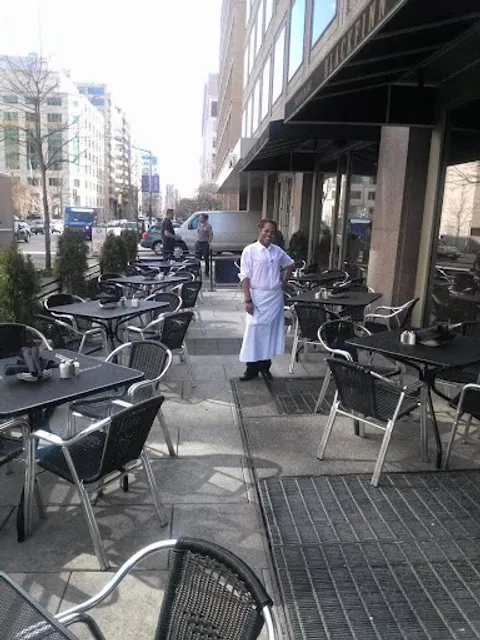
Blackfinn DC
4.2
(1.1K)
$$
Closed
Click for details
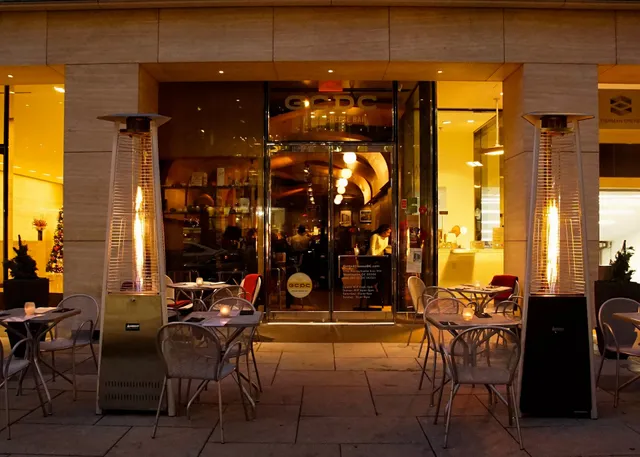
GCDC Grilled Cheese Bar
4.4
(1.0K)
$
Closed
Click for details
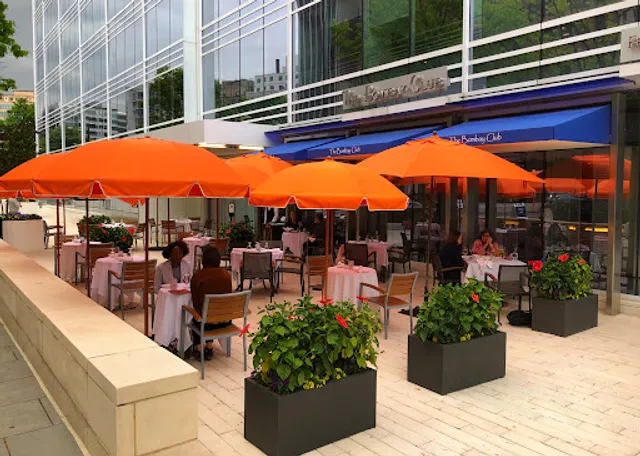
The Bombay Club
3.9
(600)
$$$$
Closed
Click for details
Nearby local services of The White House Conference Center
Escape the Room DC (Midtown / Golden Triangle)
White House Historical Association
Oval Offices DC
U.S. Chamber of Commerce
The Frame Mender While-U-Wait Eyeglass Repairs
Eisenhower Executive Office Building
Connecticut Ave NW
Eye Street Massage Therapy
Connecticut Avenue Northwest
Renwick Gallery Museum Store
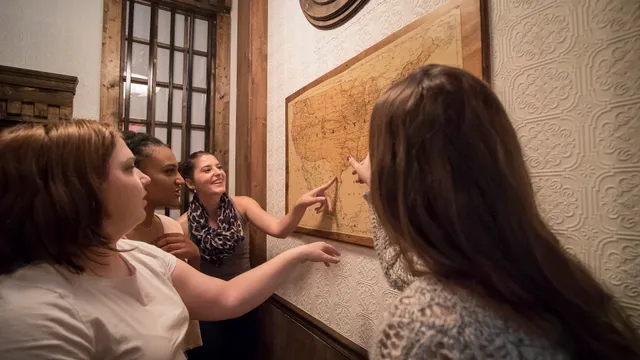
Escape the Room DC (Midtown / Golden Triangle)
5.0
(1.7K)
Click for details
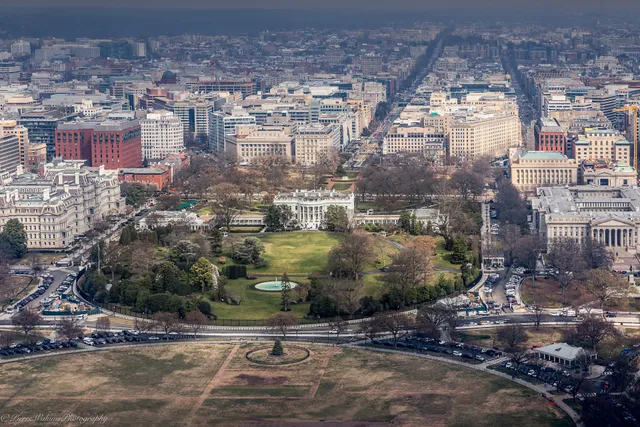
White House Historical Association
4.0
(35)
Click for details
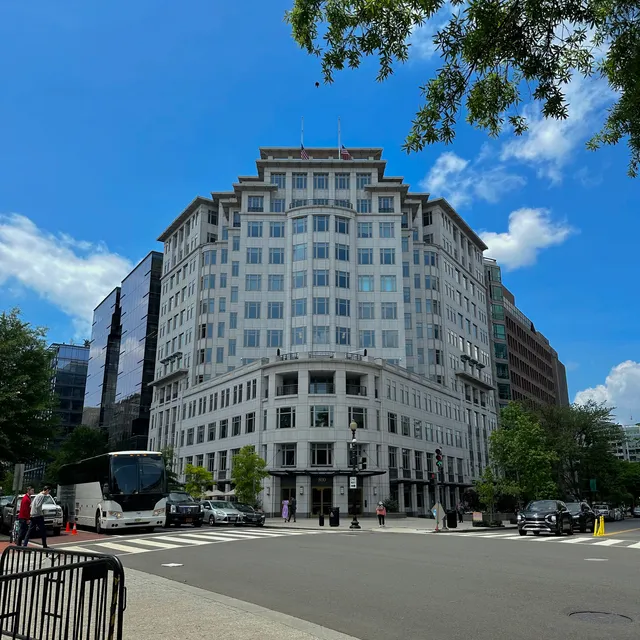
Oval Offices DC
5.0
(34)
Click for details
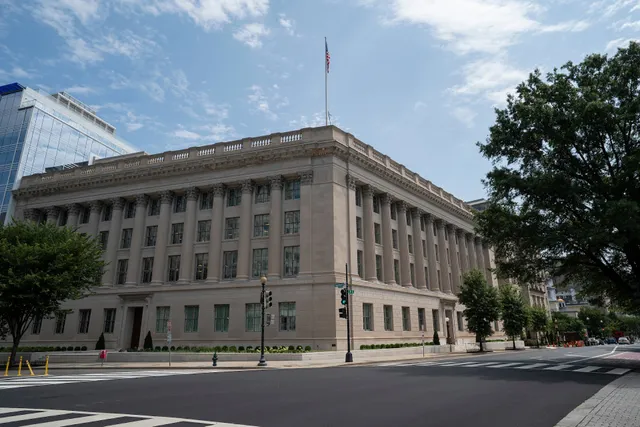
U.S. Chamber of Commerce
4.3
(51)
Click for details