Ba Thien Hau Temple things to do, attractions, restaurants, events info and trip planning
Basic Info
Ba Thien Hau Temple
710 Nguyễn Trãi, Phường 11, Quận 5, Thành phố Hồ Chí Minh, Vietnam
4.6(1.5K)
Open until 5:30 PM
Save
spot
spot
Ratings & Description
Info
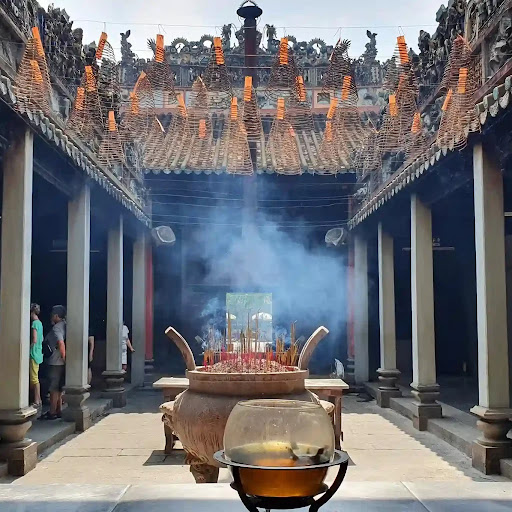
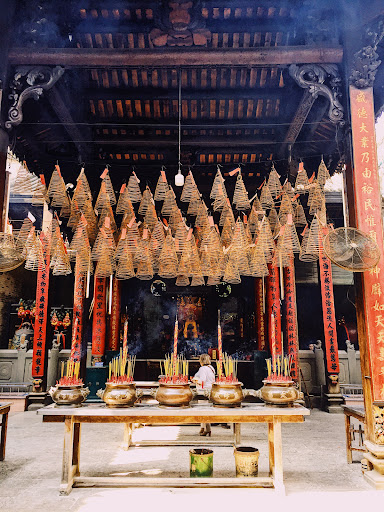
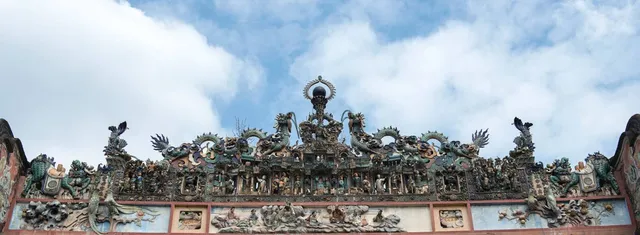
The Thien Hau Temple, officially the Tue Thanh Guildhall, is a Chinese-style temple of the Chinese Goddess of Sea, Mazu on Nguyễn Trãi Street in the Cholon of District 5 in Ho Chi Minh City, Vietnam.
Cultural
Family friendly
attractions: Hội Quán Nghĩa An, Quan Am Pagoda, Ha Chuong Assembly Hall, St Francis Xavier Church, Công viên Văn Lang, restaurants: Ẩm thực Hải Dương Quán., Shan Dimsum, Phúc Long Tea & Coffee - 382 Trần Hưng Đạo, Nhà Hàng Ái Huê 2 - 愛華 2 大洒樓, Tiến Phát - Điểm tâm Hồng Kông, Ái Huê Restaurant, Cheese Coffee, Cơm Gà Đông Nguyên, Haidilao Huoguo 海底捞火锅 Hung Vuong Plaza, Den Da The Museum, local businesses: Tam Son Hoi Quan Pagoda, Dai Quang Minh mall, Giò chả ước lễ, Soai Kinh Lam Market, Chợ Kim Biên, Thiếc Market, Công viên nước Đại Thế Giới
 Learn more insights from Wanderboat AI.
Website
facebook.com
Open hoursSee all hours
Thu6 AM - 5:30 PMOpen
Plan your stay

Pet-friendly Hotels in Ho Chi Minh City
Find a cozy hotel nearby and make it a full experience.

Affordable Hotels in Ho Chi Minh City
Find a cozy hotel nearby and make it a full experience.

The Coolest Hotels You Haven't Heard Of (Yet)
Find a cozy hotel nearby and make it a full experience.

Trending Stays Worth the Hype in Ho Chi Minh City
Find a cozy hotel nearby and make it a full experience.
Reviews
Live events
Best Street Food Motorbike Tour in Ho Chi Minh City
Thu, Jan 29 • 1:00 PM
Quận 1, Hồ Chí Minh, 700000, Vietnam
View details

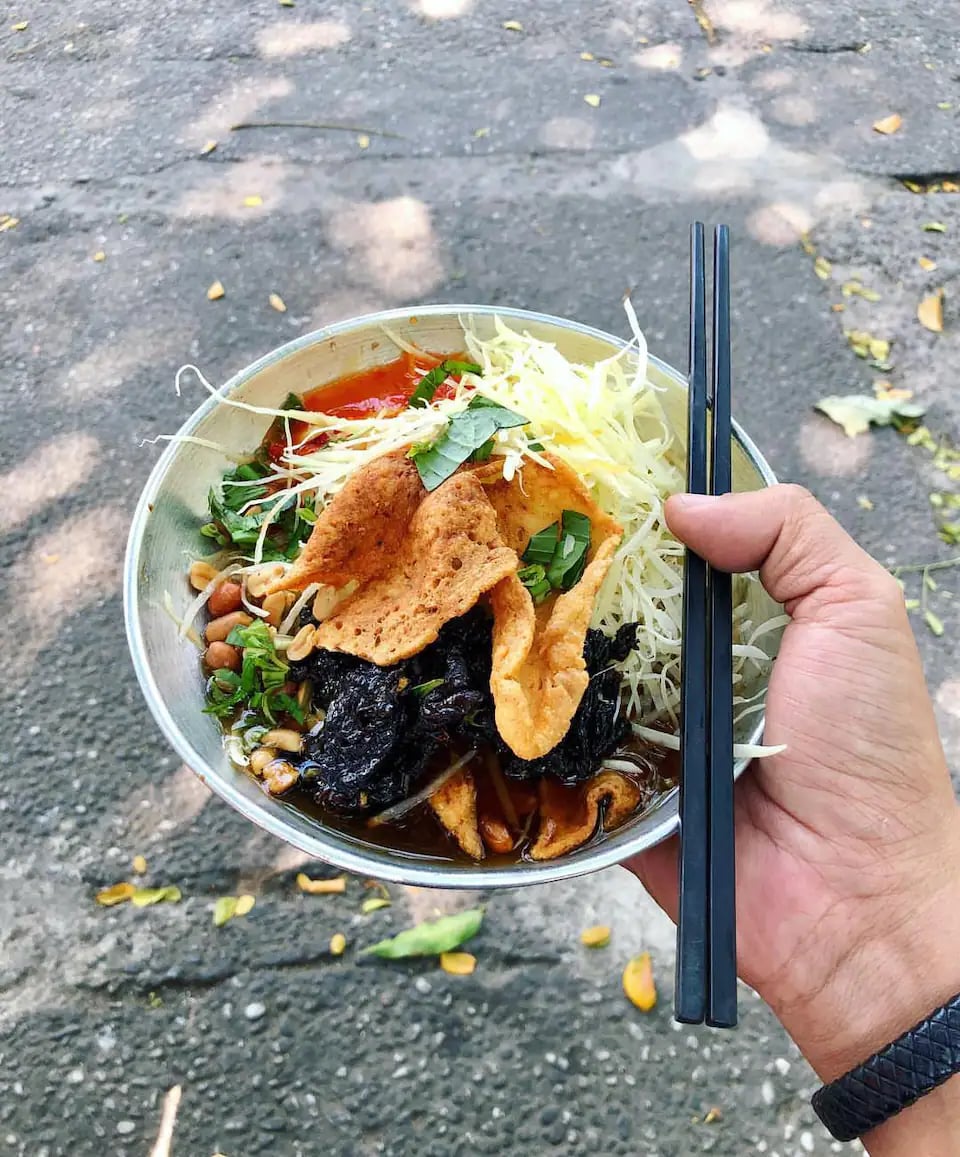
Grandma Noodles, Coffee, Exotic Fruits & History
Thu, Jan 29 • 7:30 AM
Quận 3, Hồ Chí Minh, 722000, Vietnam
View details
Nearby attractions of Ba Thien Hau Temple
Hội Quán Nghĩa An
Quan Am Pagoda
Ha Chuong Assembly Hall
St Francis Xavier Church
Công viên Văn Lang
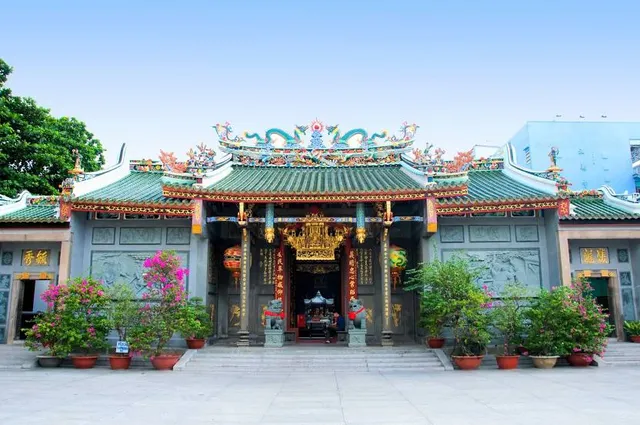
Hội Quán Nghĩa An
4.7
(499)
Open until 5:00 PM
Click for details
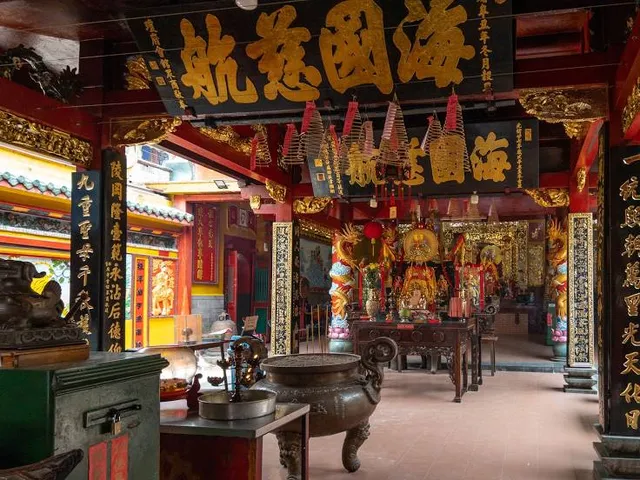
Quan Am Pagoda
4.7
(1.0K)
Open until 5:00 PM
Click for details
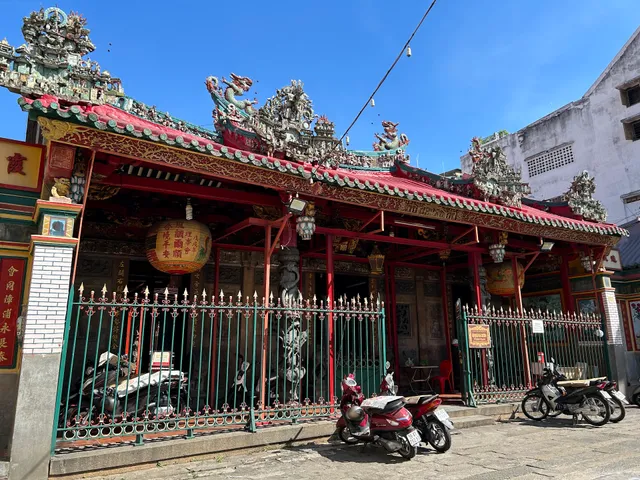
Ha Chuong Assembly Hall
4.6
(108)
Open until 4:00 PM
Click for details
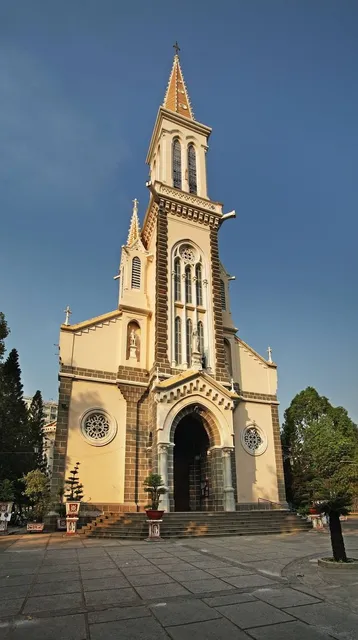
St Francis Xavier Church
4.6
(639)
Closed
Click for details
Nearby restaurants of Ba Thien Hau Temple
Ẩm thực Hải Dương Quán.
Shan Dimsum
Phúc Long Tea & Coffee - 382 Trần Hưng Đạo
Nhà Hàng Ái Huê 2 - 愛華 2 大洒樓
Tiến Phát - Điểm tâm Hồng Kông
Ái Huê Restaurant
Cheese Coffee
Cơm Gà Đông Nguyên
Haidilao Huoguo 海底捞火锅 Hung Vuong Plaza
Den Da The Museum
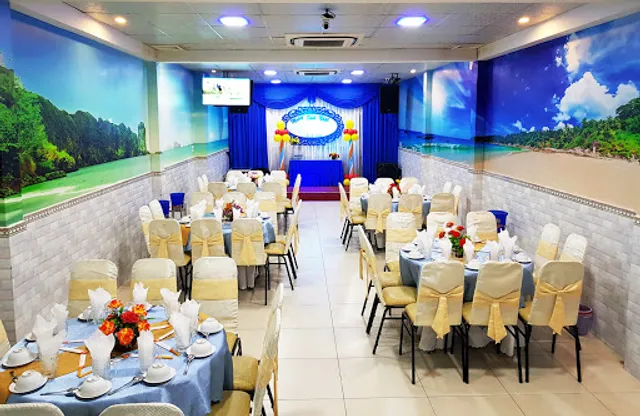
Ẩm thực Hải Dương Quán.
4.2
(574)
Closed
Click for details
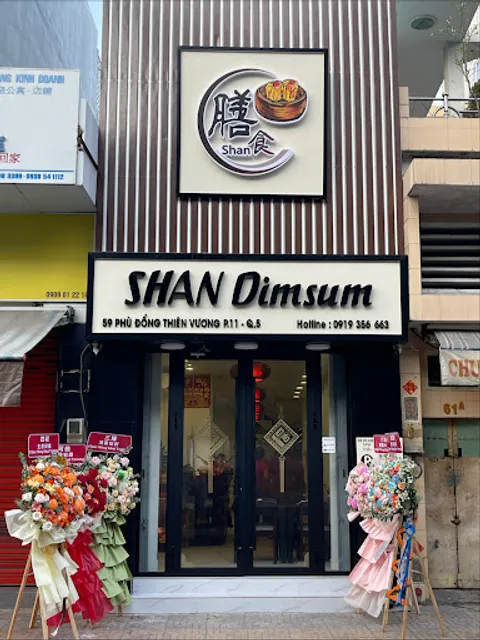
Shan Dimsum
4.9
(1.4K)
Closed
Click for details
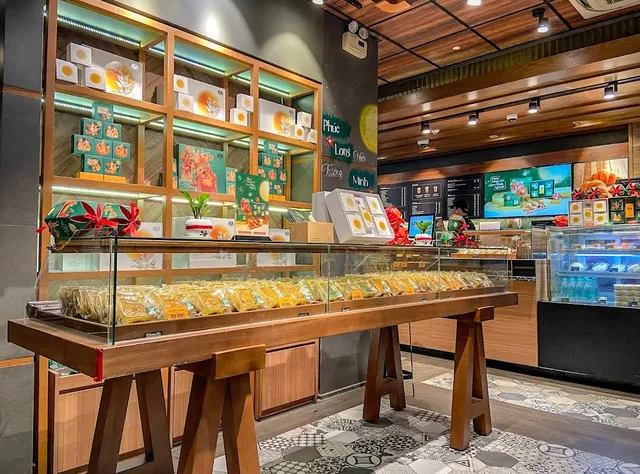
Phúc Long Tea & Coffee - 382 Trần Hưng Đạo
4.1
(804)
Closed
Click for details
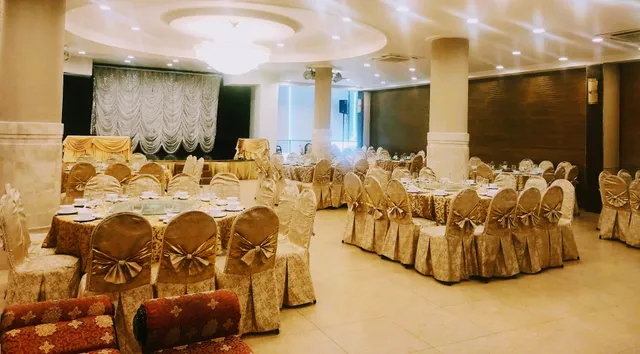
Nhà Hàng Ái Huê 2 - 愛華 2 大洒樓
4.2
(887)
$$$
Closed
Click for details
Nearby local services of Ba Thien Hau Temple
Tam Son Hoi Quan Pagoda
Dai Quang Minh mall
Giò chả ước lễ
Soai Kinh Lam Market
Chợ Kim Biên
Thiếc Market
Công viên nước Đại Thế Giới
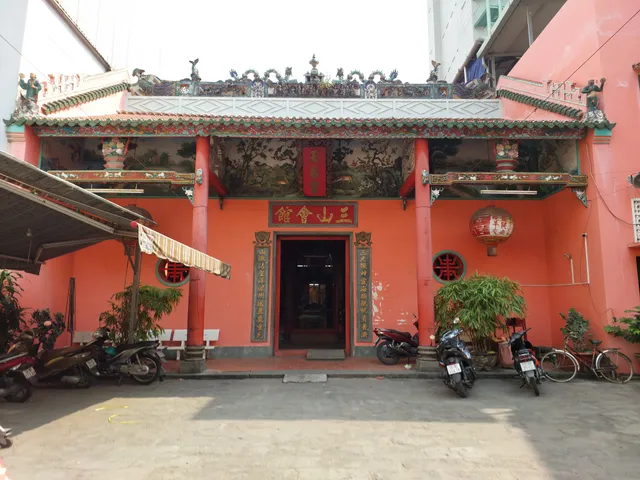
Tam Son Hoi Quan Pagoda
4.4
(76)
Click for details
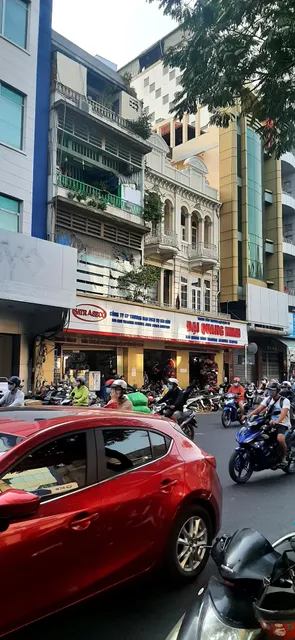
Dai Quang Minh mall
4.2
(612)
Click for details
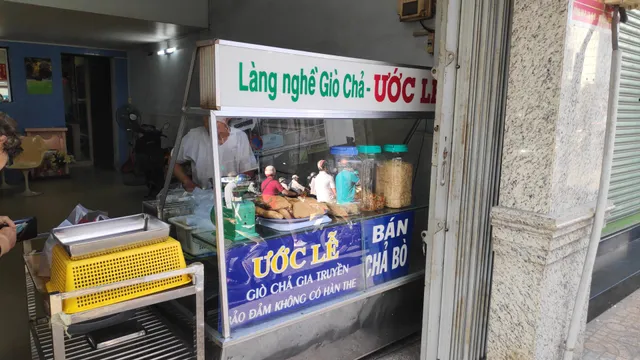
Giò chả ước lễ
4.4
(9)
Click for details
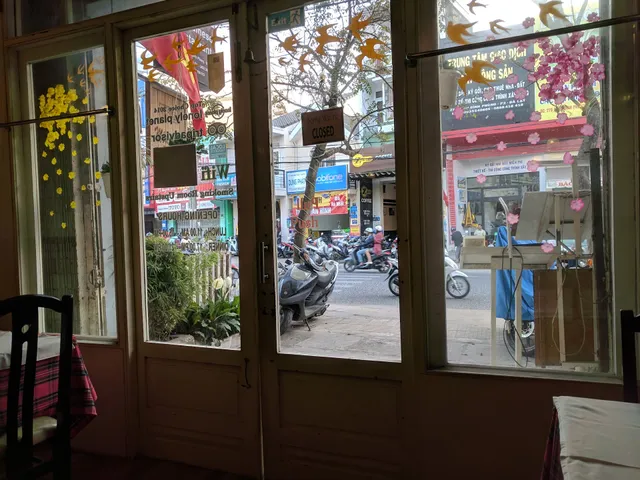
Soai Kinh Lam Market
4.2
(24)
Click for details