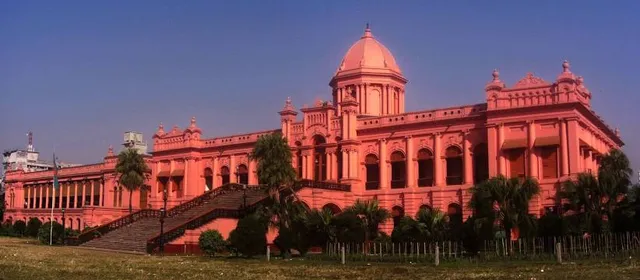
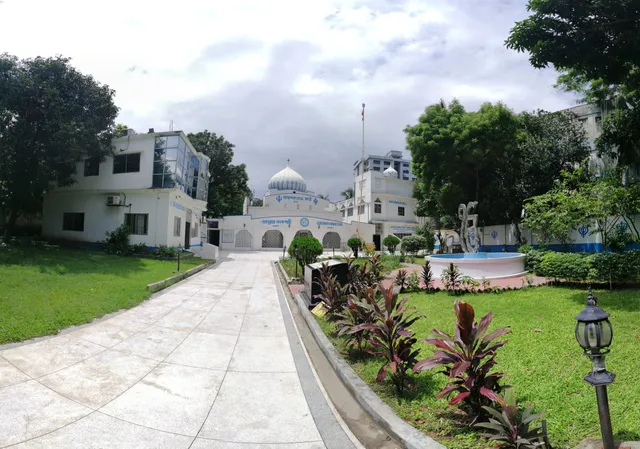
The Dhaka Club (formerly spelled as Dacca Club) is the oldest recreation organisation and the largest of elite clubs in Dhaka. Originally it was an all-white association and it now is the premier elite association in Bangladesh.
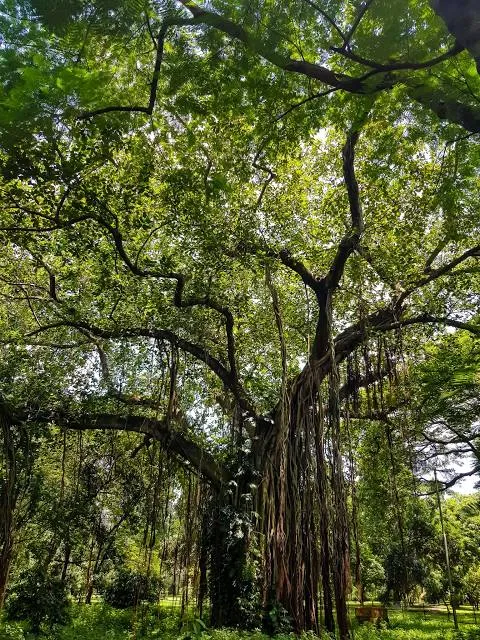
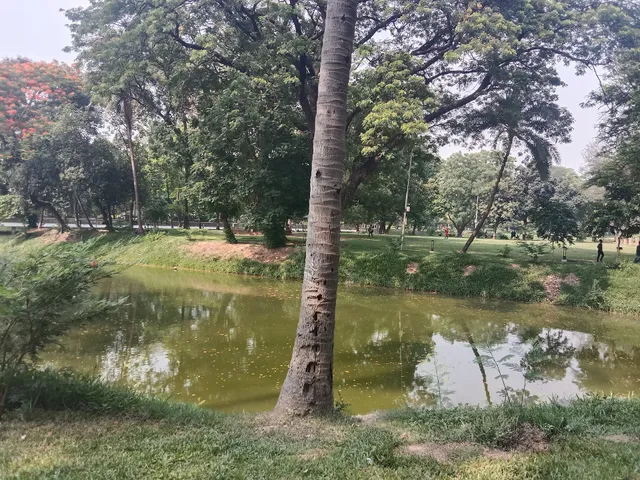
Description Dhaka club has been described as "an oasis of calm in a frantic city, a colonial relic with several acres of lawns, tennis courts, reading rooms."1] It has been noted that "the real old-school Dhaka wealth and political power calls this recreation club home."[2] According to journalist M. J. Akbar, "In times of ferment the city is ruled by Dhaka University; in times of peace the city is controlled by Dhaka Club."[3]
The club is located near Shahbag Intersection. It is surrounded by Dhaka University, Bangladesh National Museum, Hotel Sheraton, BIRDEM Hospital, Ramna Park and the Suhrawardy Udyan.
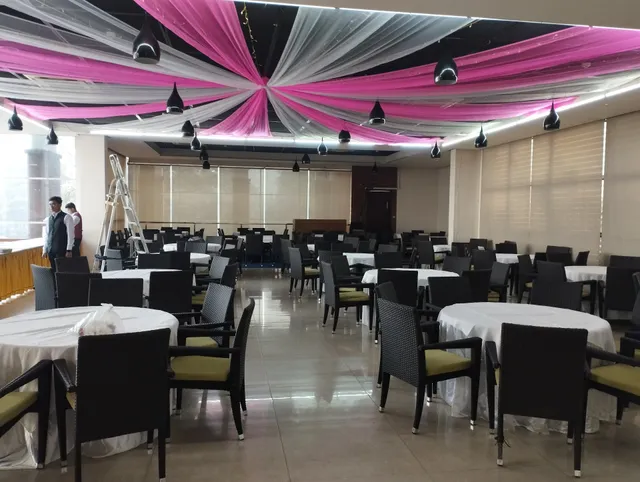
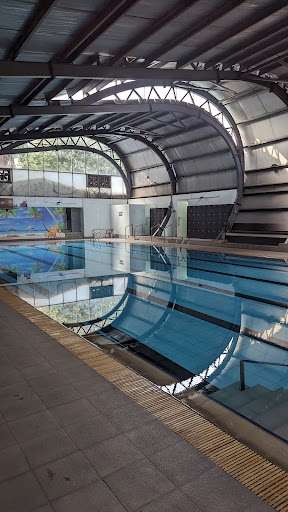
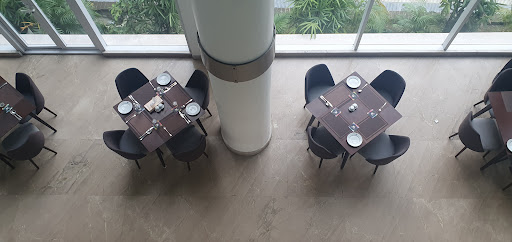
The club has facilities for meetings and seminars, as well as hall rooms, guest-rooms, kitchens and dining rooms, playing courts and rooms for table tennis, billiards, cards, squash, and lawn tennis, and a swimming pool. The wood-paneled club house is one of the few surviving British Raj era buildings in Dhaka.[5] The Dhaka Club has three clay tennis courts and two squash courts.[6] In former times, indoor and outdoor games were dominant features of the club. At present, it gives considerable attention to cultural activities. History===Pavilion of Ramna Racecourse in early 20th century, owned and managed together with Gymkhana Club Pavilion of Ramna Racecourse in early 20th century, owned and managed together with Gymkhana Club The old club house in 1890 The old club house in 1890 The origins of the club date back to 1825 when European residents in Old Dhaka established a Gentleman's club in Victoria Park (now known as Bahadur Shah Park) by that name.[5] It was established in place of an older club known as the Armenian Club or the Antagar (a corruption of Addagar or Gossip House). The last name rendered its name to the park which came to be known as Antagar Maidan (Antaghor Field).[5 After the club shifted elsewhere East India Company bought the land in 1862.[7] In 1851 the club premise shifted to Ramna with help from local aristocrats along with Europeans. The land of Dhaka Club was leased out from the Dhaka Nawab Family from his Shahbag garden estate. After the partition of Bengal in 1905, dhaka was made the capital of the new province of Eastern Bengal and Assam. The British civilians, who came to govern the new province, felt the need of a social club] The club was fashioned after the model of the Bengal Club of Kolkata. It was registered on 19 August 1911 and was granted legal status on 14 September 1911 under the Indian Companies Act of 1882. The founding members were Lt. Col. EA Hall (Civil Surgeon, Dhaka), CR Bryan, HG Bally (Commandant, Military Police Battalion, Dhaka), JO Rennie (PWD, Dhaka), and JS Wilson and AT Halliday of Indian Police, Dhaka. According to journalist M. J. Akbar, "The British reunited Bengal in 1911 and compensated Dhaka with the Dhaka University and the Dhaka Club.] The membership of the club grew quickly in the 1920s and '30s as many Europeans came to Dhaka in connection with the jute trade, steam navigation, the railway, and estate management. Many of the members were high-ranking British officers from Minto Road. Natives, including aristocrats of Dhaka Nawab Family, were banned, while Anglo-Indians had...
Read moreThe Dhaka Club (formerly spelled as Dacca Club) is the oldest recreation organisation and the largest of elite clubs in Dhaka. Originally it was an all-white association and it now is the premier elite association in Bangladesh. Description: Dhaka club has been described as "an oasis of calm in a frantic city, a colonial relic with several acres of lawns, tennis courts, reading rooms." The club has facilities for meetings and seminars, as well as hall rooms, guest-rooms, kitchens and dining rooms, playing courts and rooms for table tennis, billiards, cards, squash, and lawn tennis, and a swimming pool. The wood-paneled club house is one of the few surviving British Raj era buildings in Dhaka. History: Pavilion of Ramna Racecourse in early 20th century, owned and managed together with Gymkhana Club. The old club house in 1890 The origins of the club date back to 1825 when European residents in Old Dhaka established a Gentleman's club in Victoria Park (now known as Bahadur Shah Park ) by that name. It was established in place of an older club known as the Armenian Club or the Antagar (a corruption of Addagar or Gossip House). The last name rendered its name to the park which came to be known as Antagar Maidan (Antaghor Field). After the club shifted elsewhere East India Company bought the land in 1862. In 1851 the club premise shifted to Ramna with help from local aristocrats along with Europeans. The land of Dhaka Club was leased out from the Dhaka Nawab Family from his Shahbag garden estate. After the partition of Bengal in 1905, dhaka was made the capital of the new province of Eastern Bengal and Assam. The British civilians, who came to govern the new province, felt the need of a social club. The club was fashioned after the model of the Bengal Club of Kolkata. It was registered on 19 August 1911 and was granted legal status on 14 September 1911 under the Indian Companies Act of 1882. The founding members were Lt. Col. EA Hall (Civil Surgeon, Dhaka), CR Bryan, HG Bally (Commandant, Military Police Battalion, Dhaka), JO Rennie (PWD, Dhaka), and JS Wilson and AT Halliday of Indian Police, Dhaka. Rules: The club is run by an executive committee comprising a president and 10 members who are elected for a one-year term in a general meeting. The right to vote is limited to 1,500 permanent and life members as well as general members. who form a highly privileged company. That total figure of 1,500 is strictly protected, though any member can resign and nominate his successor. A past president was forced to resign because he “accidentally” allowed this limit to be exceeded that number. Foreigners can become members for an annual fee. However, members are of different categories such as life members, general members, honorary members, special members, and officers of the defense forces. The total number of members of the club in 2016 was 3,120, a figure that is considered as the highest membership limit. The rules and regulations of the remain the same from the times of the Raj. No locals are permitted in the lounge, the bar, the dining room or the card room. The only concession that the Dhaka Club has made is to permit the loose kurta inside its premises. For men the dress rule is collared shirt and...
Read moreIt is with a heavy heart that I pen this review, reflecting upon my recent experience at Dhaka Club, an establishment that once boasted an esteemed reputation but now falls far short of its former glory. In a place where elegance and sophistication were once expected, I was disheartened to witness a glaring display of unprofessional behavior from their employees, office staff, and security guards.
The visit commenced with a sense of anticipation, but soon gave way to disappointment as the employees showcased a shocking lack of decorum and professionalism. Their indifference and disregard for basic customer service norms left a bitter taste in my mouth, tarnishing the once-shining image of Dhaka Club. It is disheartening to witness the decline of an institution that was once regarded as a paragon of excellence.
Adding to the dismal experience were the office staff, whose incompetence and apathy further marred the visit. Their disorganized approach and inability to handle even the simplest of requests left me astounded. It is disconcerting to encounter such lackluster performance in an establishment that prided itself on its reputation.
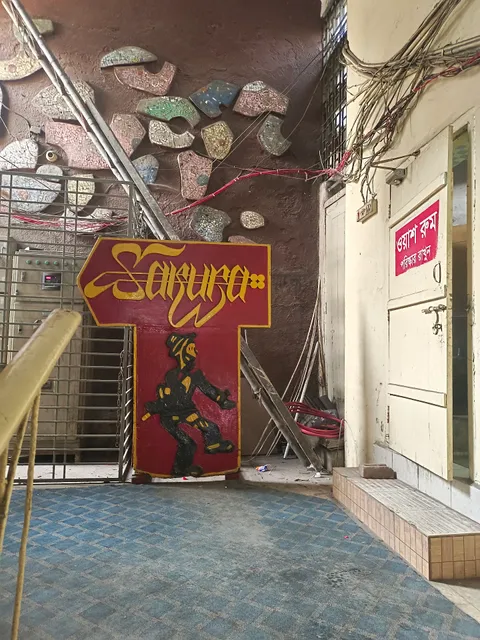
To make matters worse, the deplorable condition of the washrooms and catering was utterly appalling. Neglected and unsanitary, they presented an alarming sight, far removed from the hygienic standards of rest rooms, one would expect from a place of this caliber. The grim state of the facilities not only reflected a complete disregard for cleanliness but also showcased a severe lack of maintenance and attention to detail.
Regrettably, it is evident that Dhaka Club has strayed from its once-celebrated path of excellence. What was once an establishment renowned for its prestige and refinement has descended into an abyss of unprofessional behavior, lackluster service, and neglect. It is disheartening to witness the erosion of the very qualities that once set Dhaka Club apart.
So, my recent encounter with Dhaka Club left me deeply disappointed. The unprofessional behavior of their employees, the lackadaisical attitude of the office staff, and the deplorable condition of the washrooms all contribute to an atmosphere of decline and neglect. It is my sincere hope that Dhaka Club takes immediate steps to rectify these issues and regain the luster of its...
Read more