Flavours things to do, attractions, restaurants, events info and trip planning
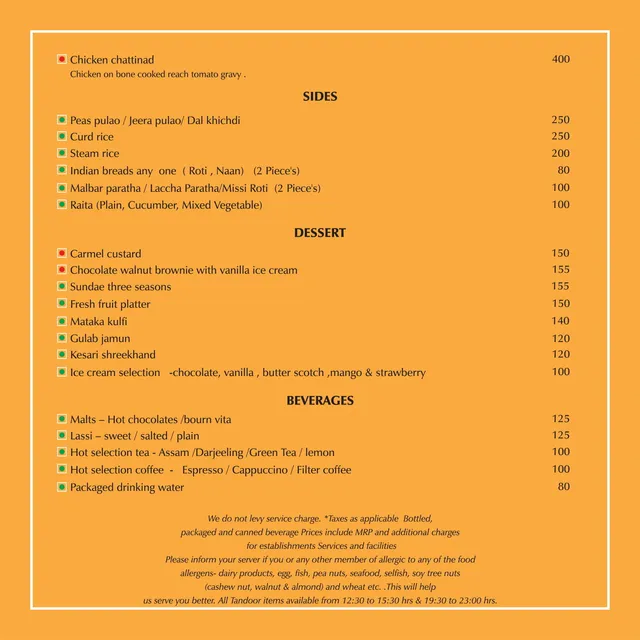
Basic Info
Flavours
JQFG+WHR, Noorya Hometel, 31, Sarovar Hotel, Opposite Aditya Birla Hospital, Thergaon, Pimpri-Chinchwad, Maharashtra 411033, India
3.8(56)
Save
spot
spot
Ratings & Description
Info
attractions: Mahasadhu Shree Moraya Gosavi Maharaj Sanjivan Samadhi Mandir, Morya Gosavi Garden, Shri Mangalmurti Wada, Krantiveer Chapekar Bandhu National Museum, restaurants: Shree Swamisneh Dining Hall, Hotel Rangoli family Dhaba, Hotel Shivsagar, "Purnabramha" Pure Veg Family Restaurant, Riverview Garden Family Restobar & AC Banquet, Newale Misal, Chinchwad, Hotel Dhangarwada Family Garden, Khau Galli Or Choupati, KAFÈ ESPRESS, Arihant Misal, local businesses: Shree Dhaneshwar Mahadev Mandir, Kalpvruksh clay products, Shreeji ice cream chinchwad gaon, Vaibhav Sweets, PURNIMA SWEETS, Aditya Homoeopathic Clinic, Amul lce cream parlour Shree Swami Samarth Enterprlses, 3, Chinchwad Station Rd
 Learn more insights from Wanderboat AI.
Phone
+91 88888 90884
Plan your stay

Pet-friendly Hotels in Maharashtra
Find a cozy hotel nearby and make it a full experience.

Affordable Hotels in Maharashtra
Find a cozy hotel nearby and make it a full experience.

The Coolest Hotels You Haven't Heard Of (Yet)
Find a cozy hotel nearby and make it a full experience.

Trending Stays Worth the Hype in Maharashtra
Find a cozy hotel nearby and make it a full experience.
Reviews
Live events

Candlelight: Valentines Day Special
Sat, Feb 14 • 6:00 PM
Atur Foundation House, 4, Dr Baba Saheb Ambedkar Rd, Camp, Pune, 411001
View details

Diamond Parks: The Best Outdoor Camping Adventure
Fri, Feb 13 • 5:00 PM
Survey No. 41, B2, Diamond Water Park Road, Lohegaon, Pune, 411047
View details
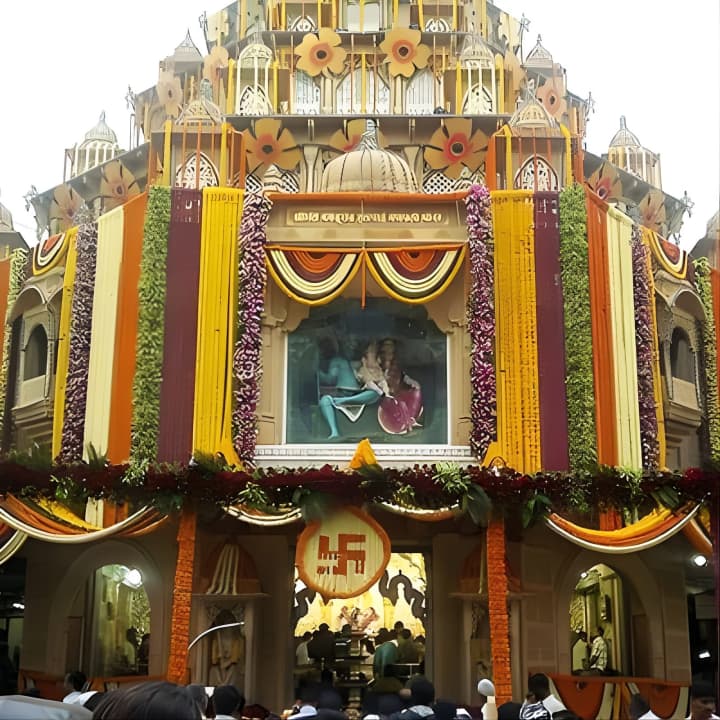
Pune Walking Tour with a Punekar
Sat, Feb 14 • 10:00 AM
Shaniwar Peth, Pune, 411030
View details
Nearby attractions of Flavours
Mahasadhu Shree Moraya Gosavi Maharaj Sanjivan Samadhi Mandir
Morya Gosavi Garden
Shri Mangalmurti Wada
Krantiveer Chapekar Bandhu National Museum
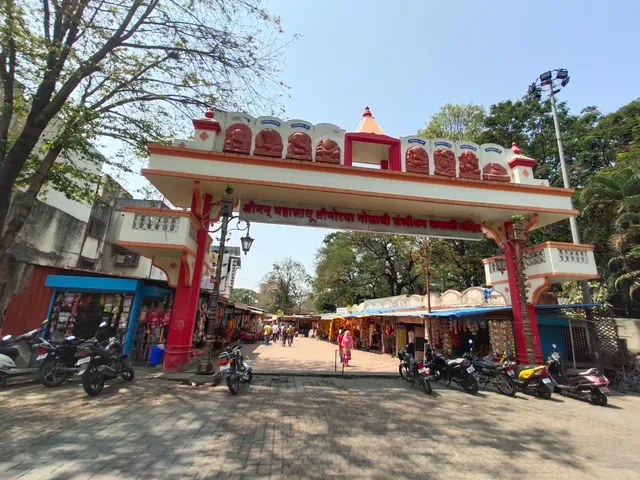
Mahasadhu Shree Moraya Gosavi Maharaj Sanjivan Samadhi Mandir
4.8
(5.6K)
Open until 9:30 PM
Click for details
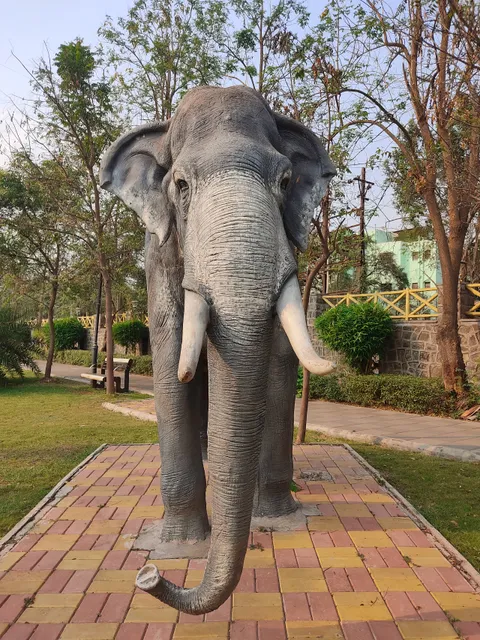
Morya Gosavi Garden
4.5
(1.0K)
Open until 10:00 AM
Click for details
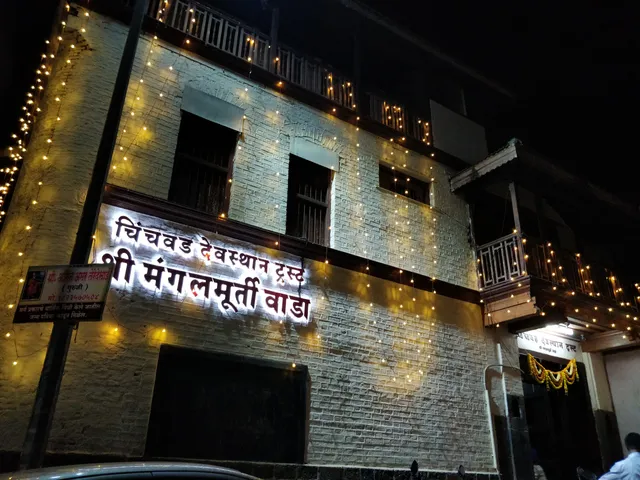
Shri Mangalmurti Wada
4.8
(275)
Open until 9:15 PM
Click for details
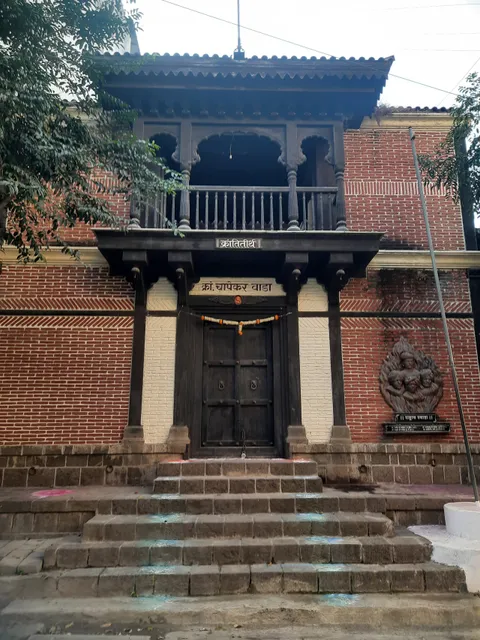
Krantiveer Chapekar Bandhu National Museum
4.6
(287)
Closed
Click for details
Nearby restaurants of Flavours
Shree Swamisneh Dining Hall
Hotel Rangoli family Dhaba
Hotel Shivsagar
"Purnabramha" Pure Veg Family Restaurant
Riverview Garden Family Restobar & AC Banquet
Newale Misal, Chinchwad
Hotel Dhangarwada Family Garden
Khau Galli Or Choupati
KAFÈ ESPRESS
Arihant Misal
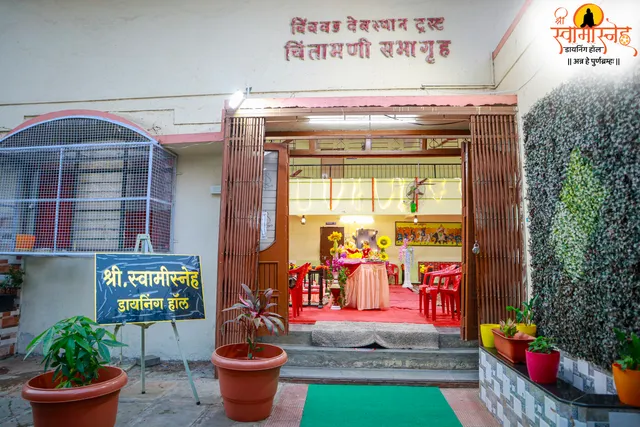
Shree Swamisneh Dining Hall
4.2
(447)
Closed
Click for details
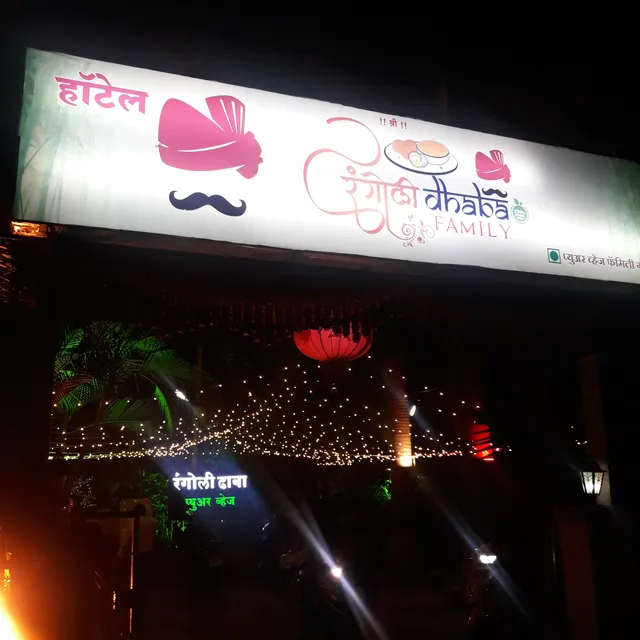
Hotel Rangoli family Dhaba
4.0
(879)
Click for details
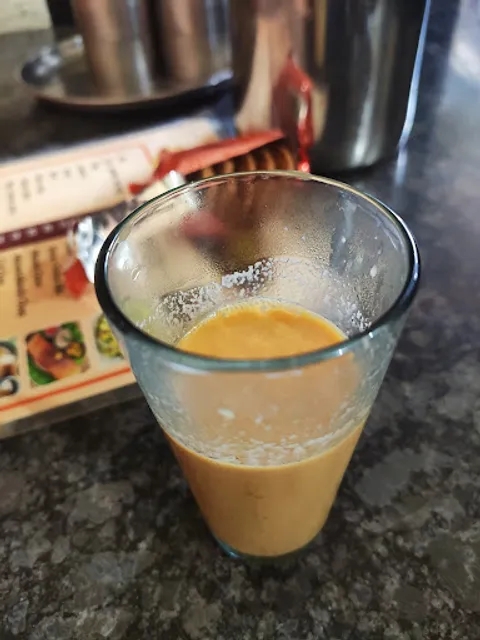
Hotel Shivsagar
3.6
(38)
Open until 11:00 PM
Click for details
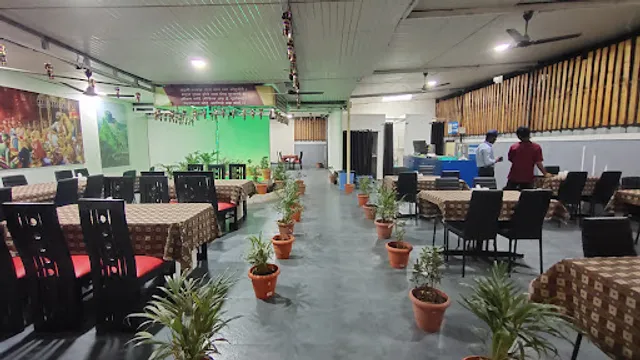
"Purnabramha" Pure Veg Family Restaurant
4.6
(554)
Closed
Click for details
Nearby local services of Flavours
Shree Dhaneshwar Mahadev Mandir
Kalpvruksh clay products
Shreeji ice cream chinchwad gaon
Vaibhav Sweets
PURNIMA SWEETS
Aditya Homoeopathic Clinic
Amul lce cream parlour Shree Swami Samarth Enterprlses
3, Chinchwad Station Rd
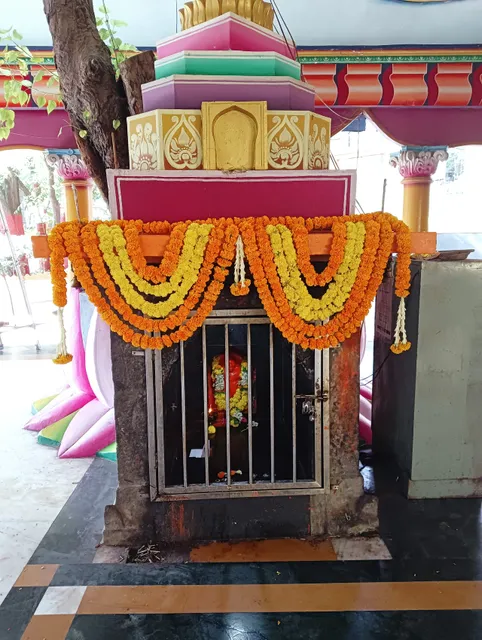
Shree Dhaneshwar Mahadev Mandir
4.8
(191)
Click for details
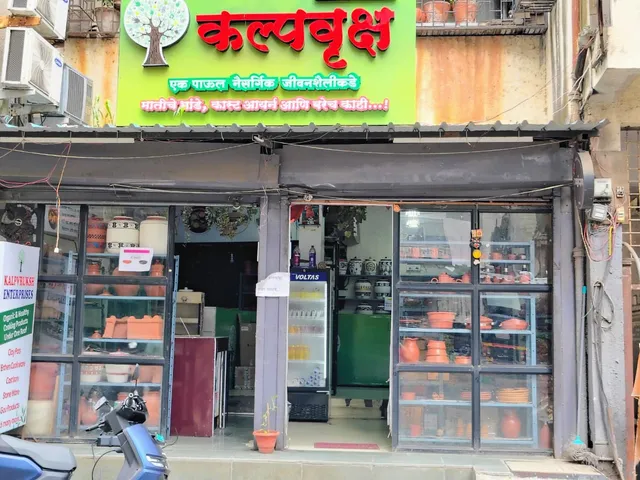
Kalpvruksh clay products
5.0
(29)
Click for details
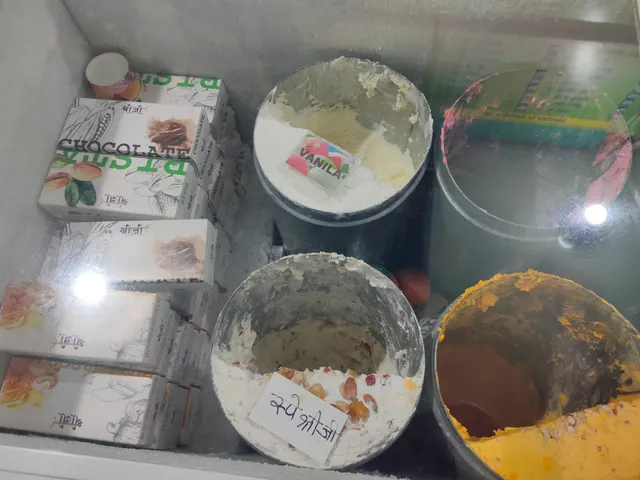
Shreeji ice cream chinchwad gaon
3.9
(42)
Click for details
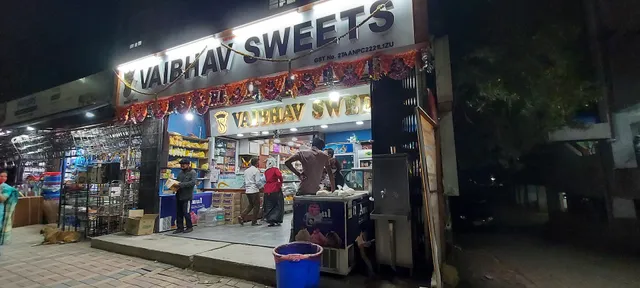
Vaibhav Sweets
4.0
(37)
Click for details