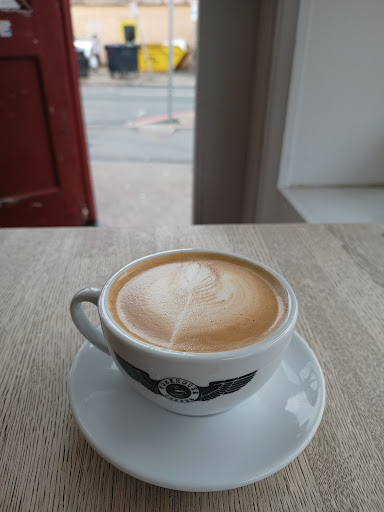
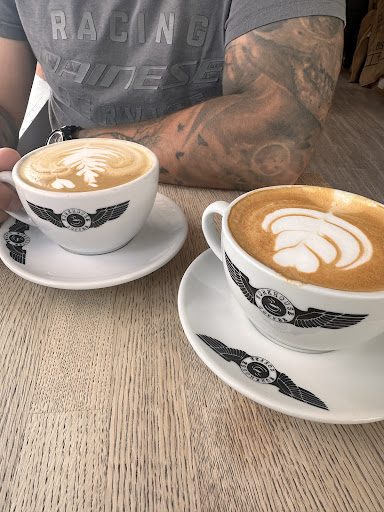
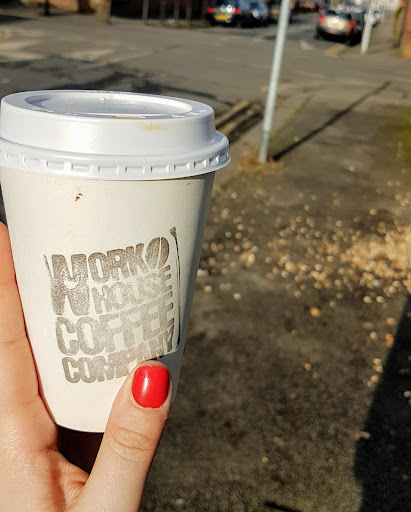
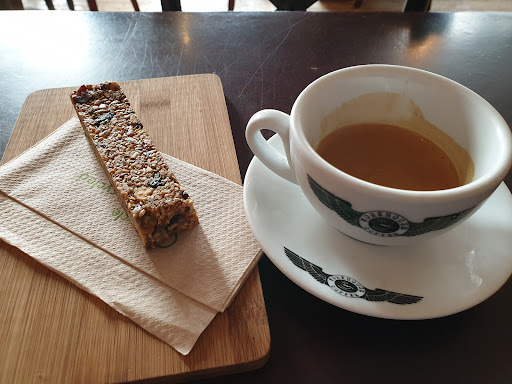
Workhouse Coffee things to do, attractions, restaurants, events info and trip planning
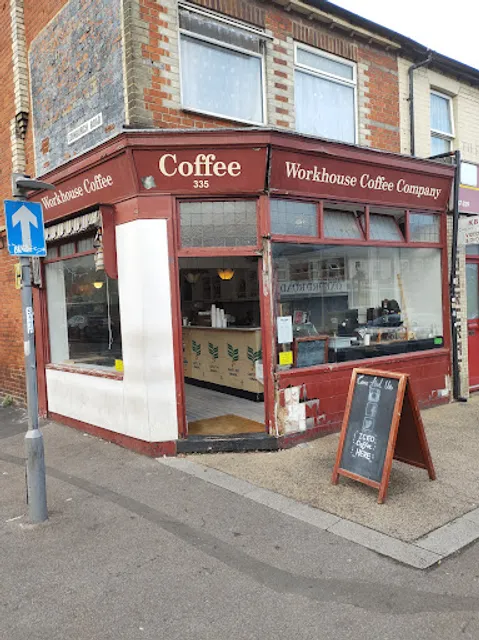
Basic Info
Workhouse Coffee
335 Oxford Rd, Reading RG30 1AY, United Kingdom
4.5(107)
Open until 3:00 PM
Save
spot
spot
Ratings & Description
Info
attractions: Escape Reading, Victoria Park Recreation Ground, Openhand Openspace, restaurants: Reading Tandoori, Da Village Afghan Restaurant, DeNata Coffee & Co., Kobeda Palace, The Wishing Well, Seasons Caribbean Cuisine, Pizza Cottage, Reading, Oishi, Afghan Palace Restaurant (Reading), Elle's Baguettes, local businesses: Istanbul Food Centre, CoLaz Aesthetics Clinic - Reading, LIDL, The Obsession Reading Hair and Beauty, Oxford Road Nail, Style Nation by Kimmy, Dua flavours LTD, Chinaheavenlytouchmassage, Rio Grande Brazilian Market - Reading, Bobby's Dry Cleaning&Loundry
 Learn more insights from Wanderboat AI.
Website
workhousecoffee.co.uk
Open hoursSee all hours
Fri8 AM - 3 PMOpen
Plan your stay

Pet-friendly Hotels in Reading
Find a cozy hotel nearby and make it a full experience.

Affordable Hotels in Reading
Find a cozy hotel nearby and make it a full experience.

The Coolest Hotels You Haven't Heard Of (Yet)
Find a cozy hotel nearby and make it a full experience.

Trending Stays Worth the Hype in Reading
Find a cozy hotel nearby and make it a full experience.
Reviews
Live events

Candlelight: The Best of Hans Zimmer
Sat, Feb 28 • 6:30 PM
London Road, Campus, Reading, RG1 5AQ
View details
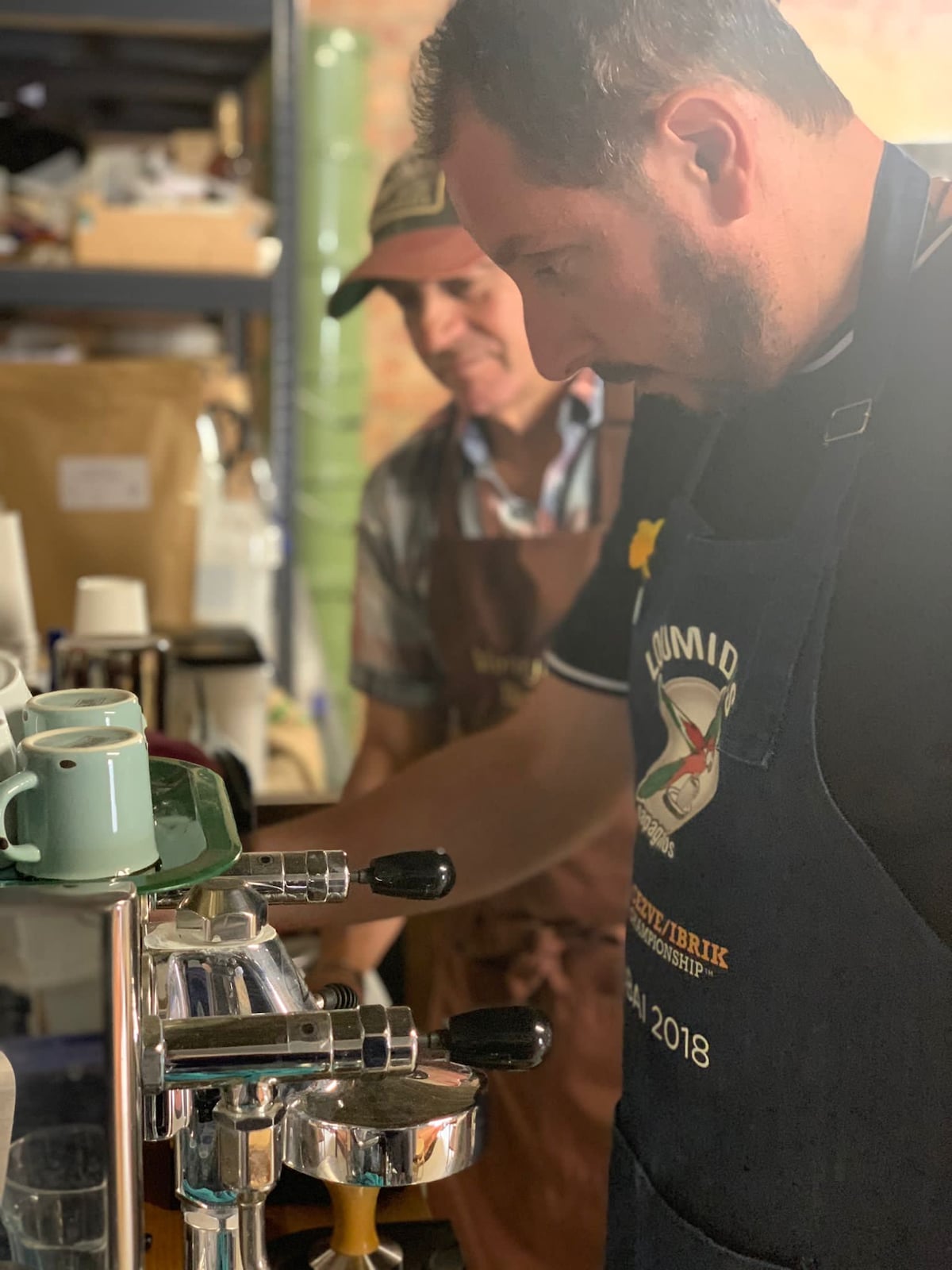
Roast coffee, learn, and pour some latte art
Sun, Mar 1 • 9:15 AM
Buckinghamshire, SL7 1DW, United Kingdom
View details

Nervous System Reset Breathwork & Somatics
Tue, Feb 17 • 6:00 PM
57 Armour Hill, Tilehurst, Reading, UK, United Kingdom
View details
Nearby attractions of Workhouse Coffee
Escape Reading
Victoria Park Recreation Ground
Openhand Openspace
Escape Reading
4.9
(252)
Open until 8:00 PM
Click for details
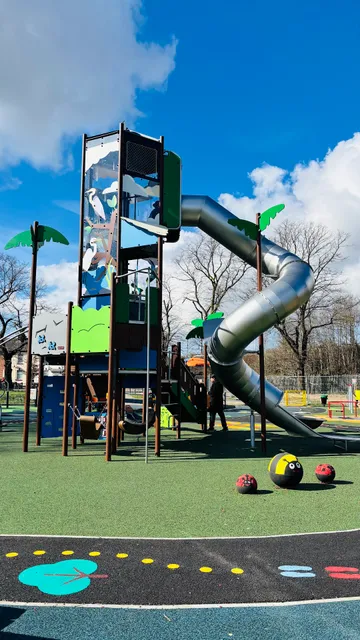
Victoria Park Recreation Ground
3.9
(75)
Open until 12:00 AM
Click for details
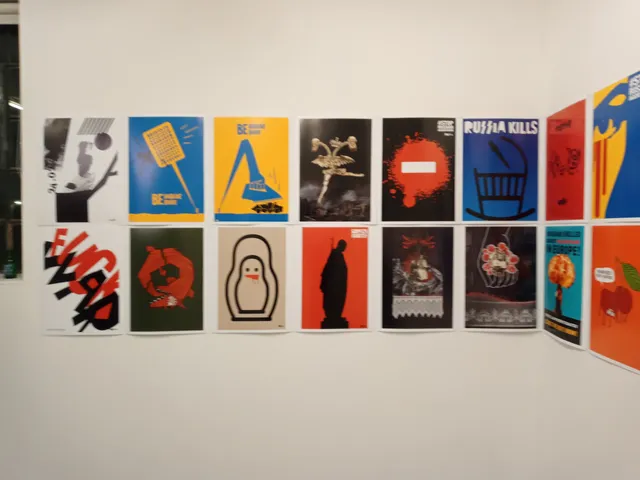
Openhand Openspace
4.1
(13)
Open until 6:00 PM
Click for details
Nearby restaurants of Workhouse Coffee
Reading Tandoori
Da Village Afghan Restaurant
DeNata Coffee & Co.
Kobeda Palace
The Wishing Well
Seasons Caribbean Cuisine
Pizza Cottage, Reading
Oishi
Afghan Palace Restaurant (Reading)
Elle's Baguettes
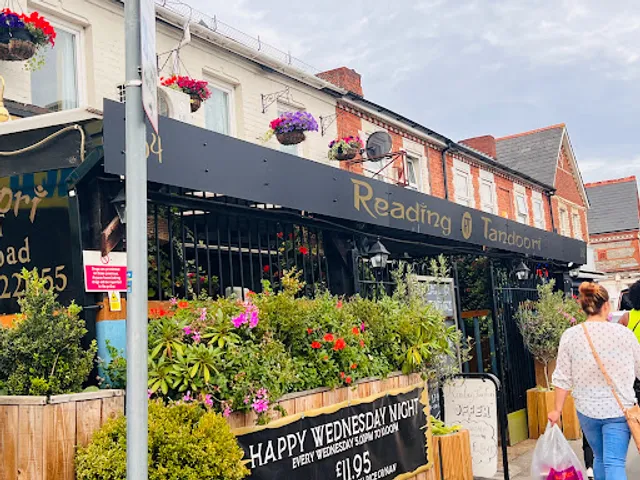
Reading Tandoori
4.0
(218)
Open until 12:00 AM
Click for details
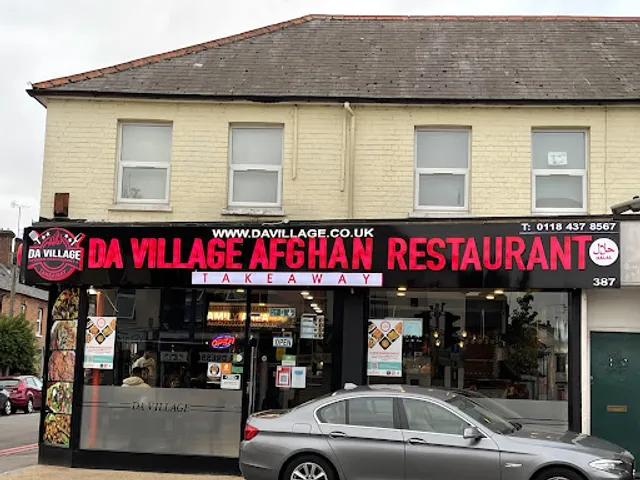
Da Village Afghan Restaurant
4.3
(357)
Open until 11:00 PM
Click for details

DeNata Coffee & Co.
4.9
(143)
Open until 5:00 PM
Click for details
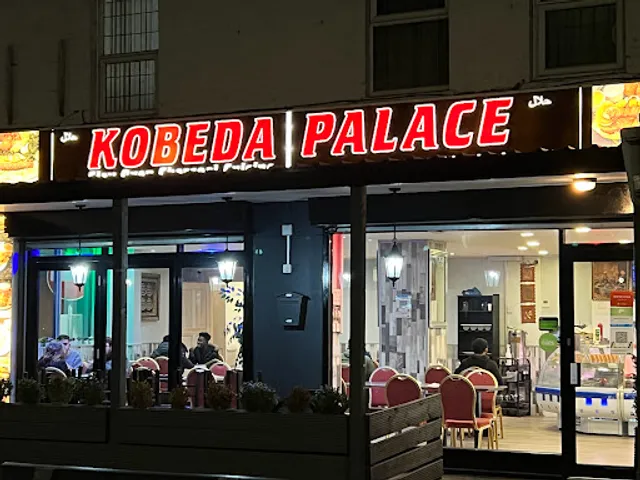
Kobeda Palace
4.1
(411)
Open until 12:00 AM
Click for details
Nearby local services of Workhouse Coffee
Istanbul Food Centre
CoLaz Aesthetics Clinic - Reading
LIDL
The Obsession Reading Hair and Beauty
Oxford Road Nail
Style Nation by Kimmy
Dua flavours LTD
Chinaheavenlytouchmassage
Rio Grande Brazilian Market - Reading
Bobby's Dry Cleaning&Loundry

Istanbul Food Centre
4.6
(428)
Click for details

CoLaz Aesthetics Clinic - Reading
4.9
(214)
Click for details

LIDL
4.2
(1.1K)
Click for details

The Obsession Reading Hair and Beauty
5.0
(154)
Click for details