Tony's Eat & Drink things to do, attractions, restaurants, events info and trip planning
Basic Info
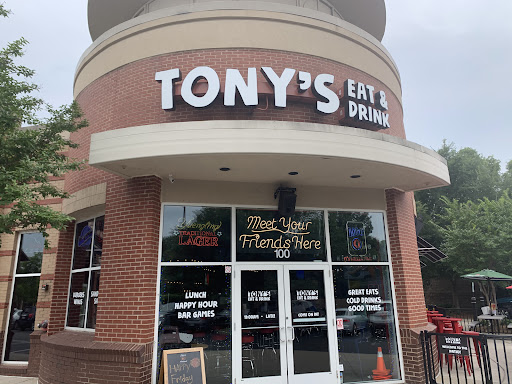
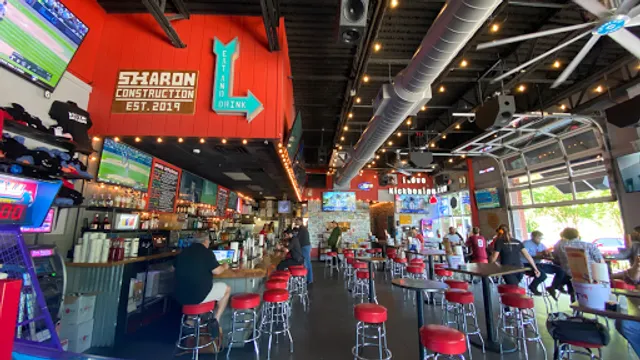
Tony's Eat & Drink
1000 Meridian Blvd #100, Franklin, TN 37067
4.4(357)$$$$
Open until 1:00 AM



delivery
Save
spot
spot
Ratings & Description
Info
attractions: , restaurants: Tupelo Honey Southern Kitchen & Bar, Little Hats Italian Market Cool Springs, First Watch, Cajun Steamer Bar & Grill, Ugly Bagel, The Eastern Peak - Franklin, Clean Juice, Handel's Homemade Ice Cream, Noodles and Company, Ground Restaurant-Cool Springs, local businesses: Meridian Cool Springs, The Dinner Detective True Crime Murder Mystery Dinner Show - Franklin, TN, Byrna Nashville | Corporate Retail Store, Dillard's, CoolSprings Galleria, Avanti Nail Spa, Puffy Cotton Candy, Marti & Liz Shoes, Apple CoolSprings Galleria, Cool Springs Market
 Learn more insights from Wanderboat AI.
Phone
(615) 472-8536
Website
tonyseatanddrink.com
Open hoursSee all hours
Sun11 AM - 1 AMOpen
Plan your stay

Pet-friendly Hotels in Franklin
Find a cozy hotel nearby and make it a full experience.

Affordable Hotels in Franklin
Find a cozy hotel nearby and make it a full experience.

The Coolest Hotels You Haven't Heard Of (Yet)
Find a cozy hotel nearby and make it a full experience.

Trending Stays Worth the Hype in Franklin
Find a cozy hotel nearby and make it a full experience.
Featured dishes
View full menu
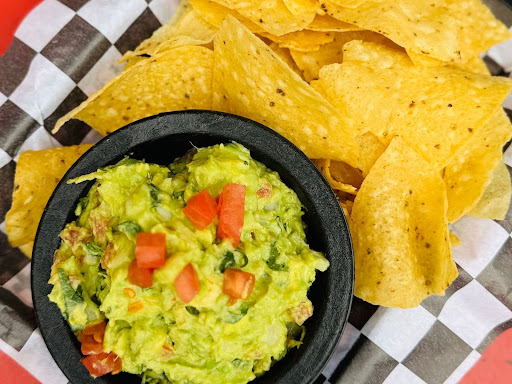
Grande Guacamole
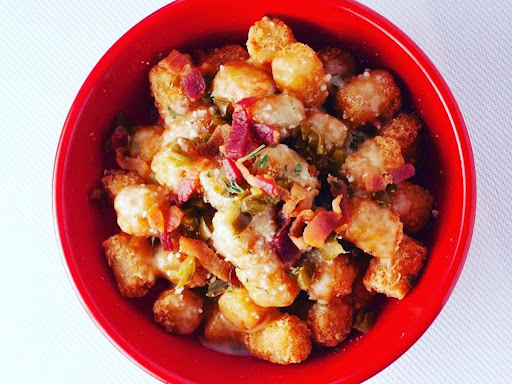
Tater Bangers
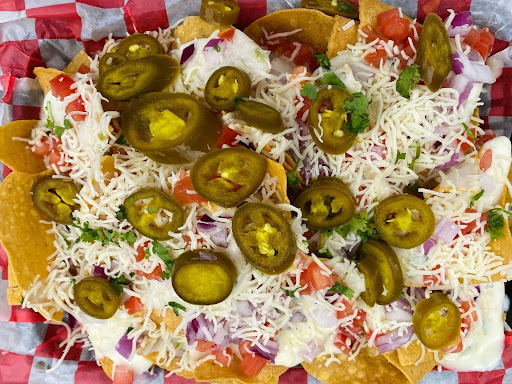
Tony's Nachos
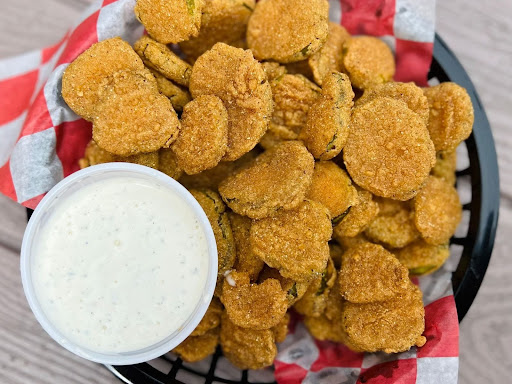
Fried Pickles
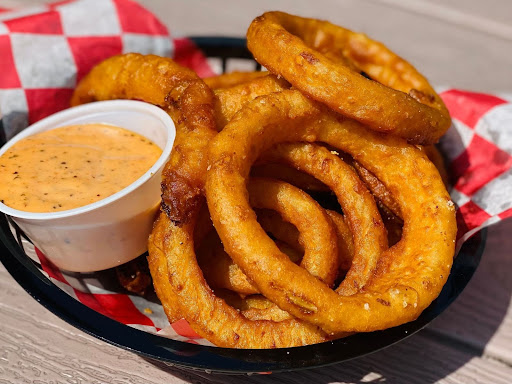
Onion Rings
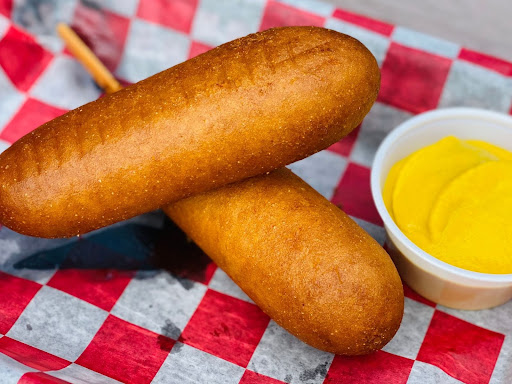
Corn Dogs
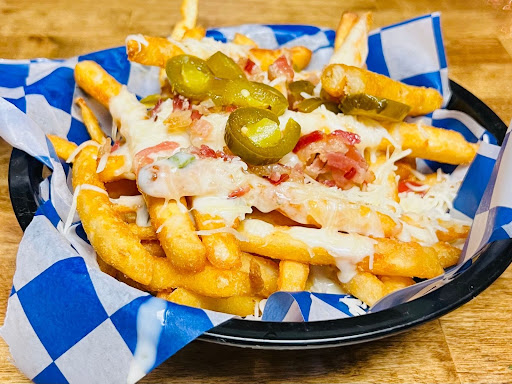
Cheese Fries
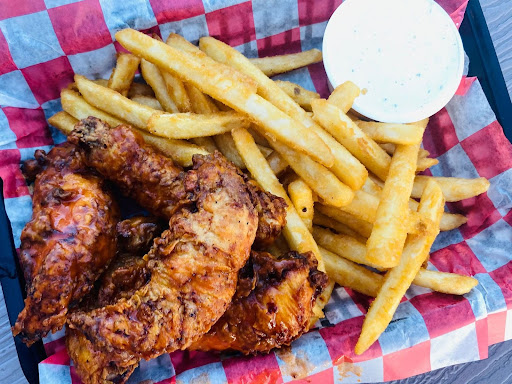
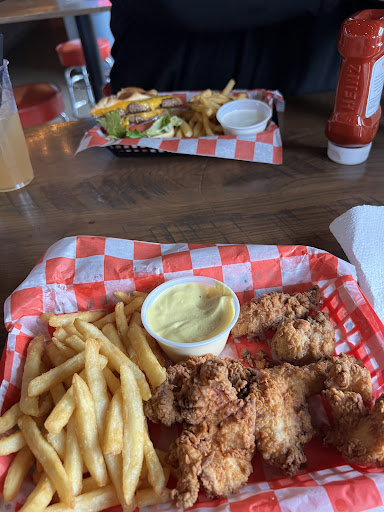
Kickin' Tender Basket
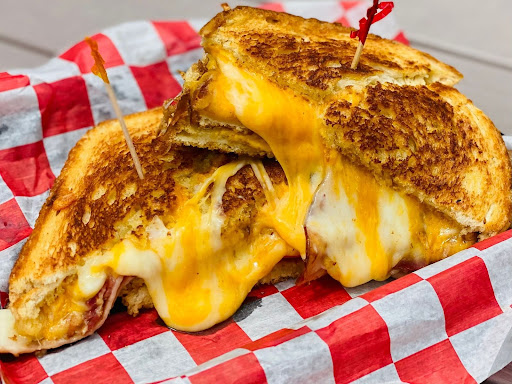
"The Oinker" Grilled Cheese
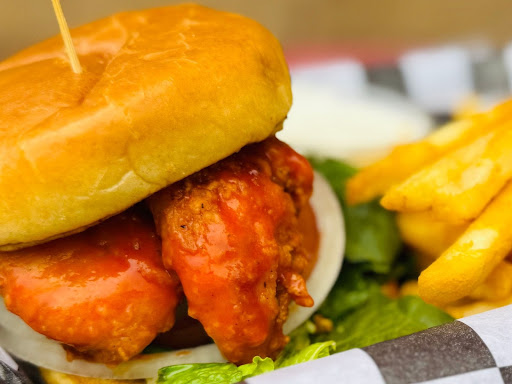
Kickin' Chicken Sandwich
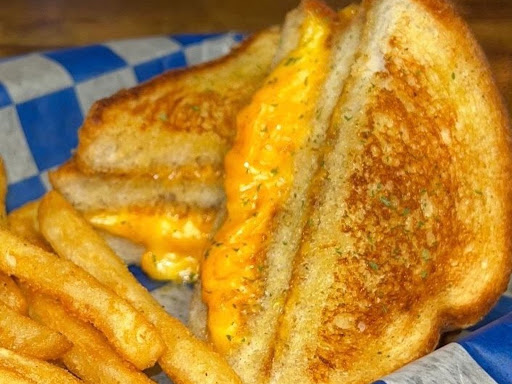
Ultimate Grilled Cheese
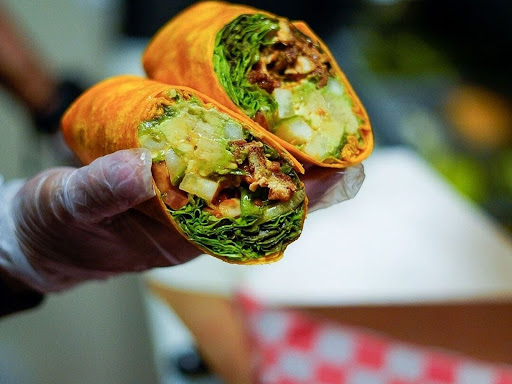
Kickin' Chicken Wrap
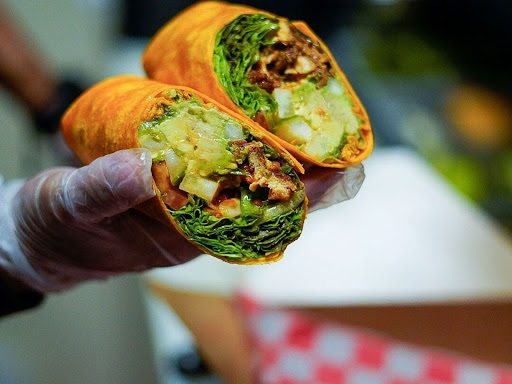
Veggie Wrap
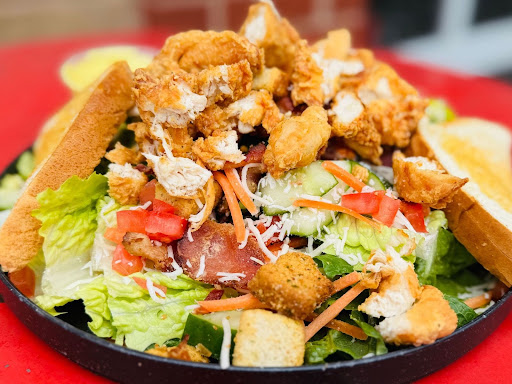
Southern Fried Chicken Salad
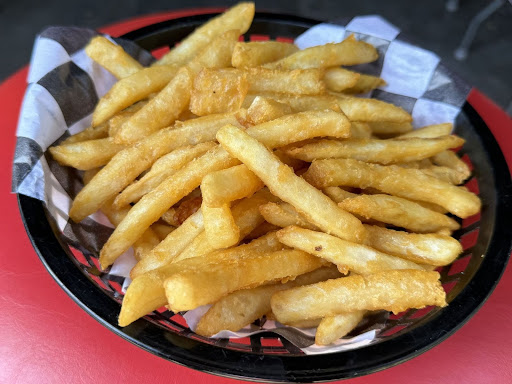
Side Fries
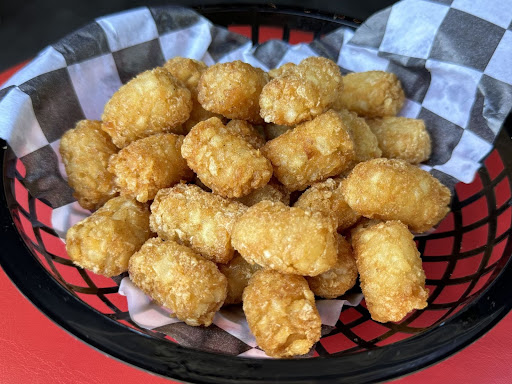
Side Tots
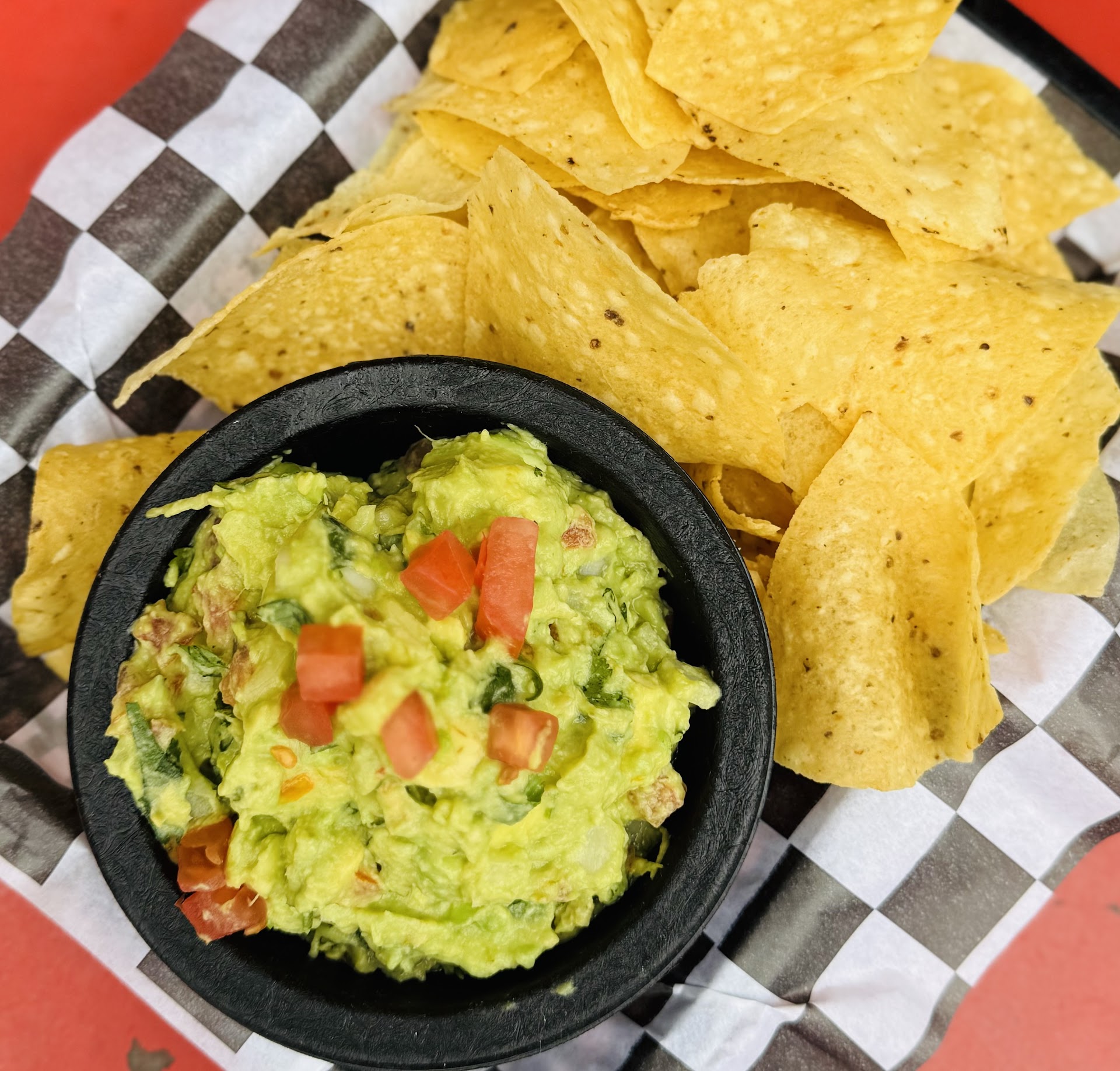
Side Queso
Reviews
Live events

Line Dance Lessons in Nashville
Sun, Feb 22 • 3:30 PM
Nashville, Tennessee, 37201
View details

Splatter Paint Nashville
Sun, Feb 22 • 3:30 PM
Nashville, Tennessee, 37218
View details

Sing Karaoke in Waylon Jennings’ studio
Sun, Feb 22 • 4:00 PM
Nashville, Tennessee, 37212
View details
Nearby restaurants of Tony's Eat & Drink
Tupelo Honey Southern Kitchen & Bar
Little Hats Italian Market Cool Springs
First Watch
Cajun Steamer Bar & Grill
Ugly Bagel
The Eastern Peak - Franklin
Clean Juice
Handel's Homemade Ice Cream
Noodles and Company
Ground Restaurant-Cool Springs
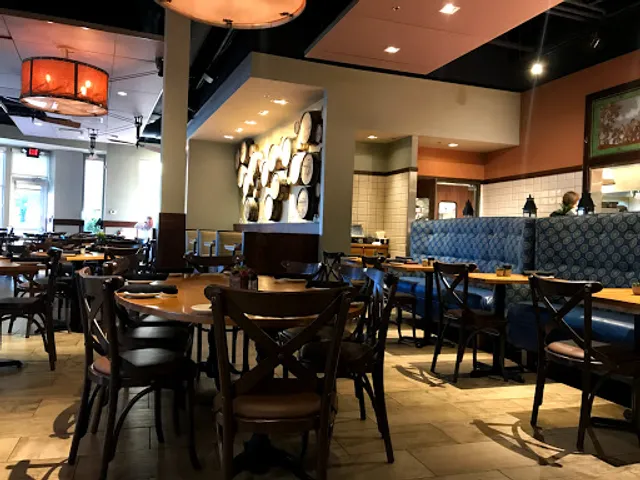
Tupelo Honey Southern Kitchen & Bar
4.3
(1.6K)
$$
Open until 8:00 PM
Click for details
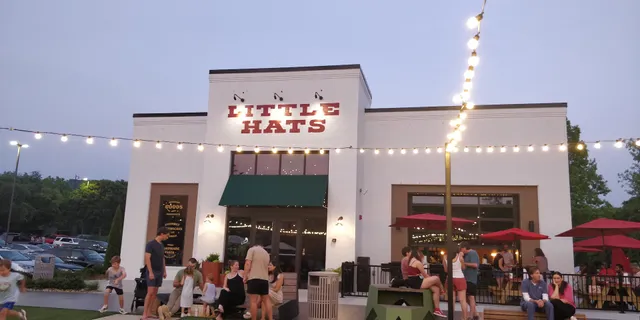
Little Hats Italian Market Cool Springs
4.1
(129)
$
Open until 8:00 PM
Click for details
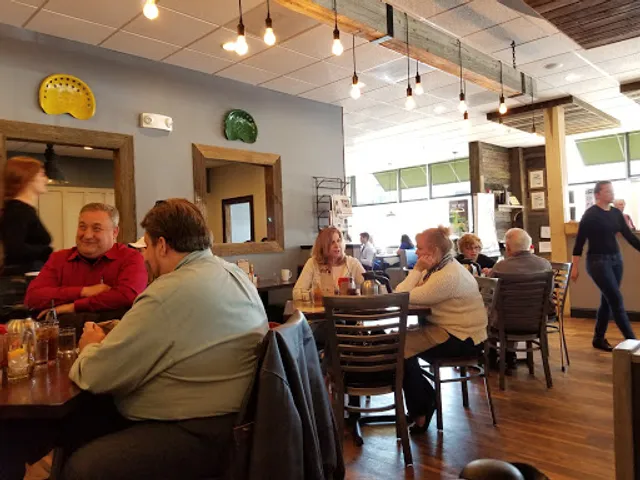
First Watch
4.4
(569)
$
Closed
Click for details
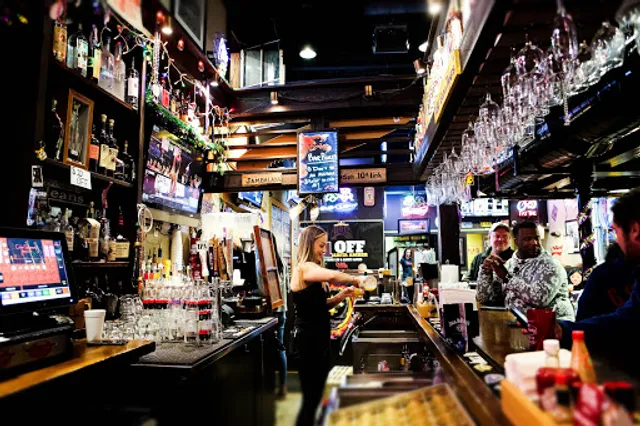
Cajun Steamer Bar & Grill
4.4
(841)
$$
Open until 9:00 PM
Click for details
Nearby local services of Tony's Eat & Drink
Meridian Cool Springs
The Dinner Detective True Crime Murder Mystery Dinner Show - Franklin, TN
Byrna Nashville | Corporate Retail Store
Dillard's
CoolSprings Galleria
Avanti Nail Spa
Puffy Cotton Candy
Marti & Liz Shoes
Apple CoolSprings Galleria
Cool Springs Market
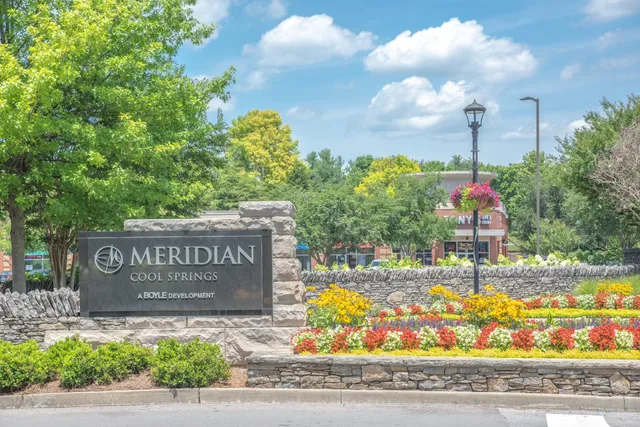
Meridian Cool Springs
4.5
(153)
Click for details
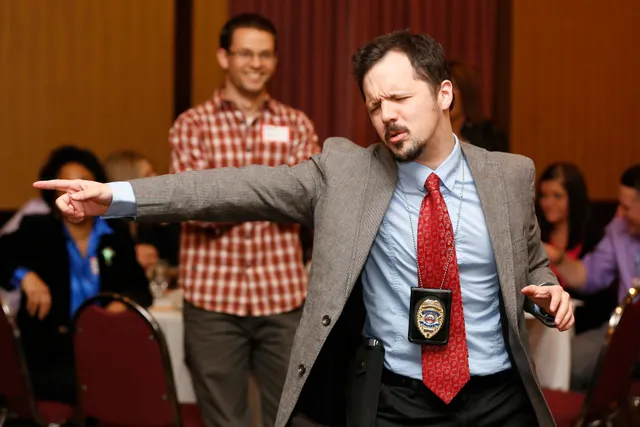
The Dinner Detective True Crime Murder Mystery Dinner Show - Franklin, TN
4.9
(314)
Click for details

Byrna Nashville | Corporate Retail Store
5.0
(72)
Click for details
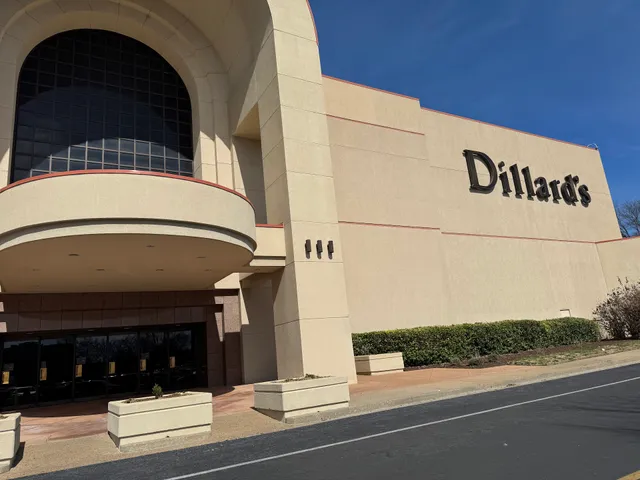
Dillard's
4.3
(584)
Click for details