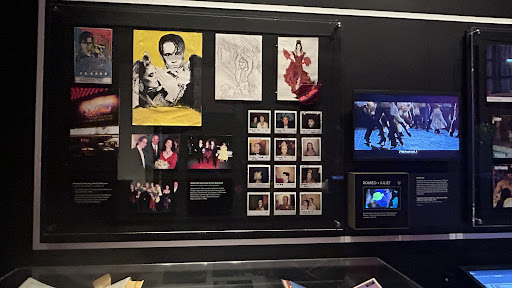
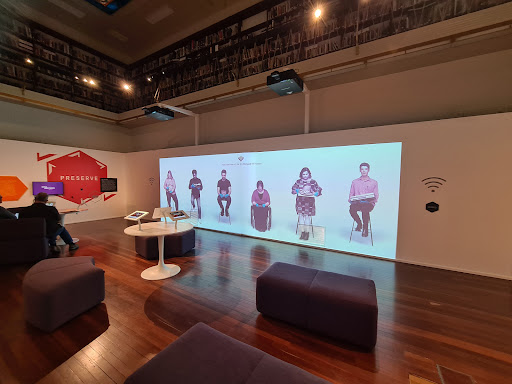
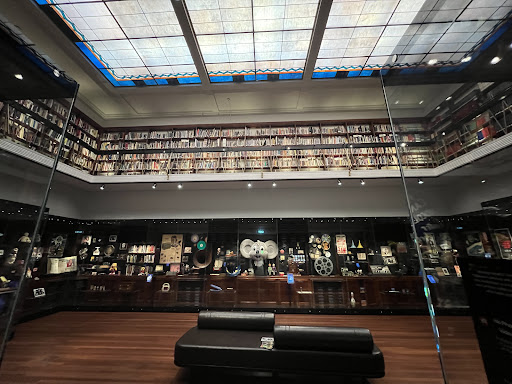
National Film and Sound Archive of Australia (NFSA) things to do, attractions, restaurants, events info and trip planning
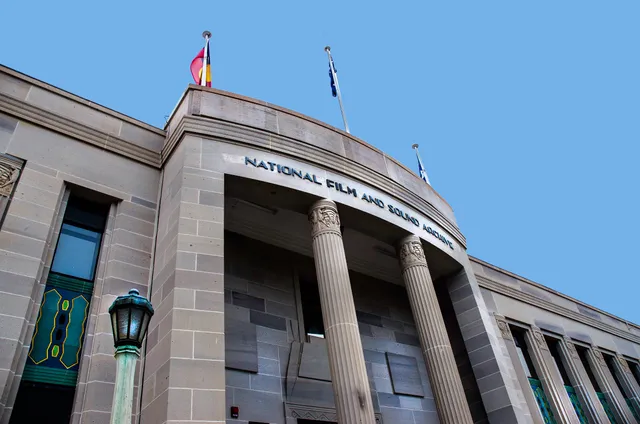
AustraliaAustralian Capital TerritoryDistrict of Canberra CentralNational Film and Sound Archive of Australia (NFSA)
Basic Info
National Film and Sound Archive of Australia (NFSA)
1 McCoy Cct, Acton ACT 2601, Australia
4.3(425)
Closed
Save
spot
spot
Ratings & Description
Info
Cultural
Entertainment
Family friendly
Accessibility
attractions: The Shine Dome, The Australian National University, The Street Theatre, Canberra Theatre Centre, City Hill, Civic Square, Canberra Museum and Gallery, Drill Hall Gallery, The Big Parcel, Craft + Design Canberra, restaurants: Monster Kitchen and Bar, Bicicletta Restaurant, Rebel Rebel, QT Canberra, thegodscafe, Savoir French, Fekerte’s Ethiopian, Močan & Green Grout, Capitol Bar & Grill Restaurant, Roy Jr., local businesses: The Shine Dome, Australian National University Classics Museum, Davey Lodge, Kambri, canberrs, ACT Magistrates Court, Warrumbul Lodge, Sydney Building, Kinloch Lodge, Lena Karmel Lodge, Corona Tabaconist International
 Learn more insights from Wanderboat AI.
Phone
+61 2 6248 2000
Website
nfsa.gov.au
Open hoursSee all hours
Thu10 AM - 4 PMClosed
Plan your stay

Pet-friendly Hotels in District of Canberra Central
Find a cozy hotel nearby and make it a full experience.

Affordable Hotels in District of Canberra Central
Find a cozy hotel nearby and make it a full experience.

The Coolest Hotels You Haven't Heard Of (Yet)
Find a cozy hotel nearby and make it a full experience.

Trending Stays Worth the Hype in District of Canberra Central
Find a cozy hotel nearby and make it a full experience.
Reviews
Live events
Candlelight: The Best of Hans Zimmer
Fri, Jan 30 • 8:30 PM
Parkes Pl E, Parkes ACT 2600, Australia, 2600
View details
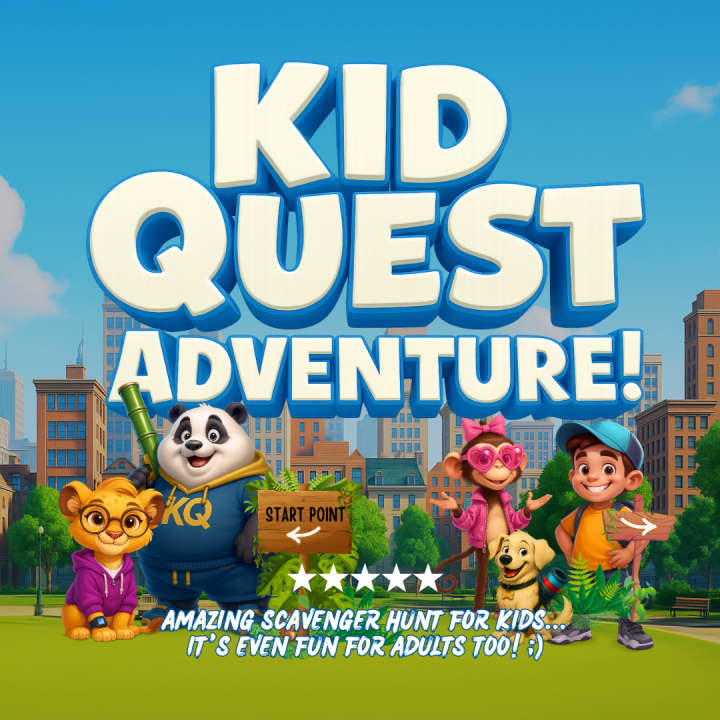
Kid Quest in Canberra: Superhero City Adventure for Kids (Ages 4–8)
Thu, Jan 1 • 12:00 AM
Shop AG12/148 Bunda St, Canberra, 2601
View details

Canberra Boat Licence Course
Thu, Jan 29 • 8:00 AM
Canberra ACT, Australia, 10 Whatmore Ct, Nicholls ACT 2913, Australia, Hall
View details
Nearby attractions of National Film and Sound Archive of Australia (NFSA)
The Shine Dome
The Australian National University
The Street Theatre
Canberra Theatre Centre
City Hill
Civic Square
Canberra Museum and Gallery
Drill Hall Gallery
The Big Parcel
Craft + Design Canberra
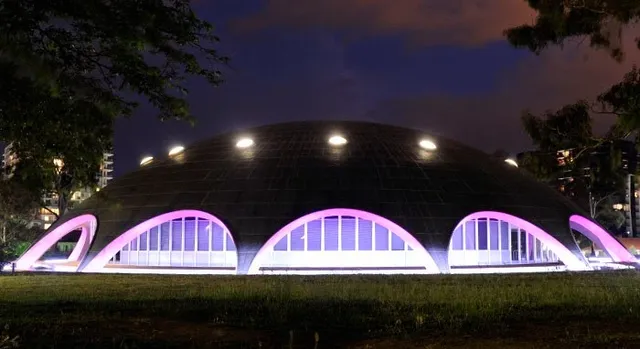
The Shine Dome
4.7
(82)
Open 24 hours
Click for details
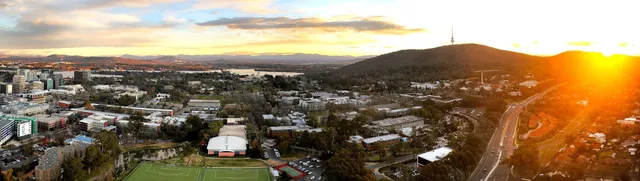
The Australian National University
4.4
(331)
Open 24 hours
Click for details
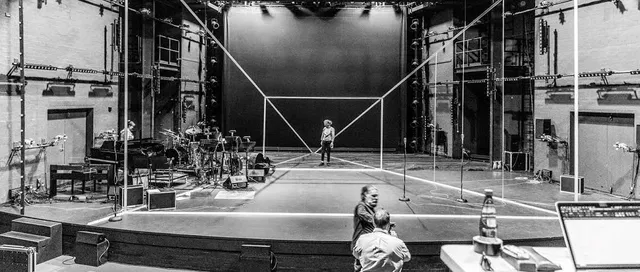
The Street Theatre
4.5
(174)
Open 24 hours
Click for details
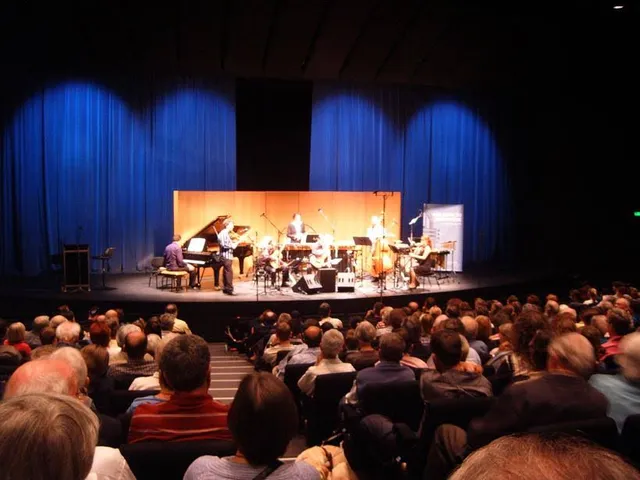
Canberra Theatre Centre
4.5
(916)
Open 24 hours
Click for details
Nearby restaurants of National Film and Sound Archive of Australia (NFSA)
Monster Kitchen and Bar
Bicicletta Restaurant
Rebel Rebel
QT Canberra
thegodscafe
Savoir French
Fekerte’s Ethiopian
Močan & Green Grout
Capitol Bar & Grill Restaurant
Roy Jr.
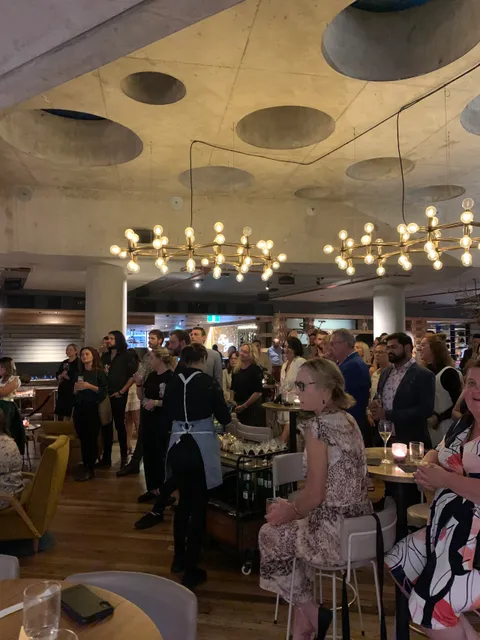
Monster Kitchen and Bar
3.9
(519)
$$$
Closed
Click for details
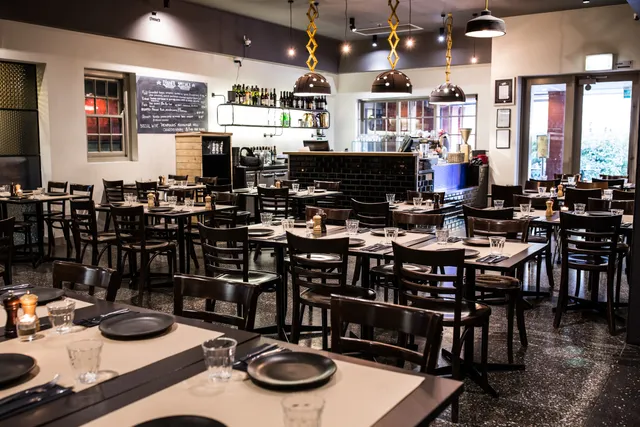
Bicicletta Restaurant
3.9
(384)
Closed
Click for details
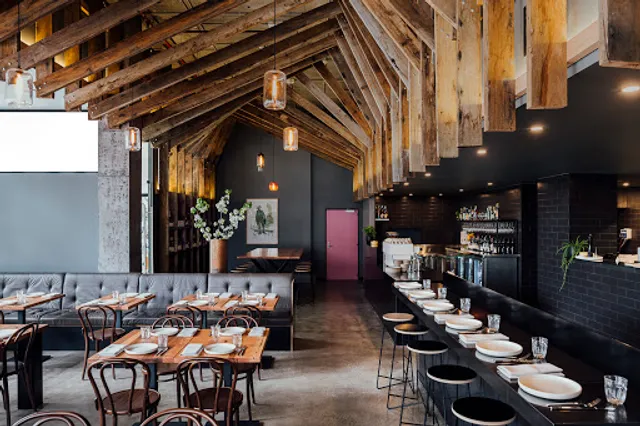
Rebel Rebel
4.6
(361)
$$
Closed
Click for details
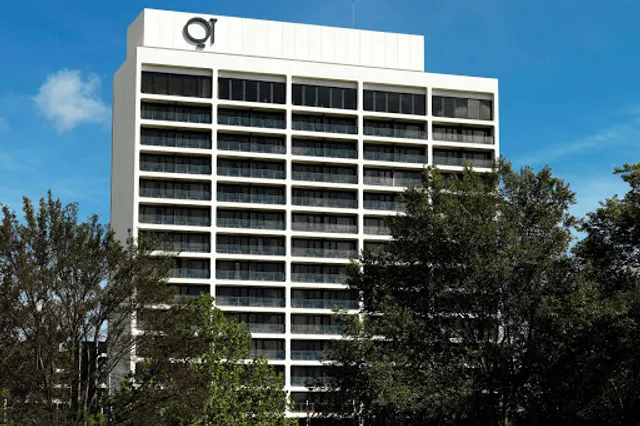
QT Canberra
4.0
(1.1K)
Click for details
Nearby local services of National Film and Sound Archive of Australia (NFSA)
The Shine Dome
Australian National University Classics Museum
Davey Lodge
Kambri, canberrs
ACT Magistrates Court
Warrumbul Lodge
Sydney Building
Kinloch Lodge
Lena Karmel Lodge
Corona Tabaconist International
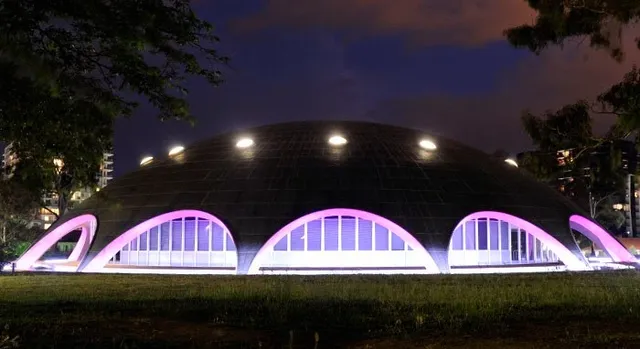
The Shine Dome
4.7
(66)
Click for details
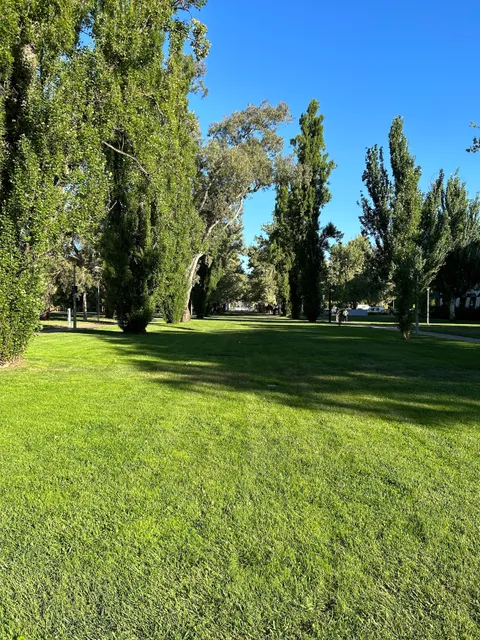
Australian National University Classics Museum
4.6
(17)
Click for details
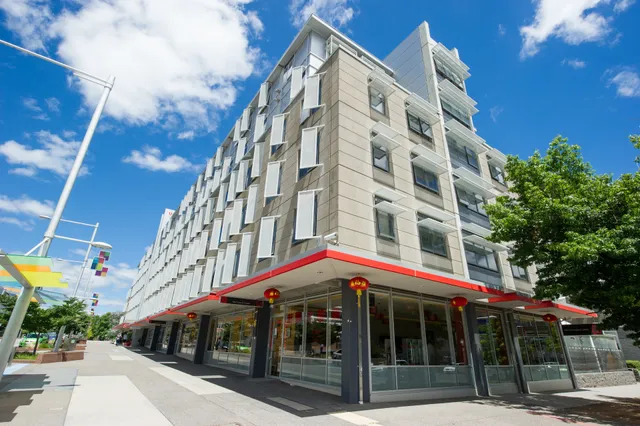
Davey Lodge
3.5
(64)
Click for details
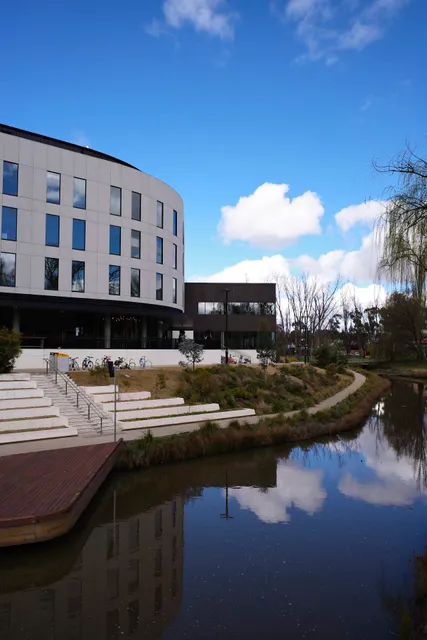
Kambri, canberrs
4.2
(19)
Click for details