A Galaxy Built with Bricks and Love I remember seeing Star Wars in 1977, and it was light years ahead of Star Trek or anything else at the time—not just in special effects, but in its storytelling. That iconic opening, the swelling John Williams score, the scrolling words “A long time ago in a galaxy far, far away…” sent tingles through my whole body then—and still does. This weekend, I was treated to a personalised tour of the LEGO® Star Wars: The Exhibition by my son, Tiger. From the moment you enter the introduction room, the tone is set—you know you’re about to experience something extraordinary. Only a limited number of visitors are allowed in at a time, which makes the exhibition feel spacious and unrushed. There’s time to take everything in without the crush of a crowd. And take it in, you must. The builds are breathtaking in scale and detail. Tiger and I have long bonded over Star Wars—and Marvel too—sharing movie nights and quoting lines back and forth. So seeing him in his element, showing me around and pointing out pieces he’d worked on, filled me with joy and pride. One of the standout features of the exhibit is how interactive it is. Kids (and big kids like me) can build their own LEGO creations and add them to the community displays. The soft rustling of hands shuffling through bricks is oddly nostalgic and comforting. There are plenty of hands-on building activities to keep fans of all ages fully immersed. You can build your own droids on Tatooine, construct starfighters for either the Rebel Alliance or the Galactic Empire, and even scan your creations into digital hangars to watch them engage in a simulated space battle. In the Lightsaber Workshop, visitors can design their own custom lightsaber hilt, then use augmented reality to “ignite” the blade—complete with sound effects—and snap a photo worthy of a Jedi (or Sith). You can also contribute to one of six Star Wars Mystery Mosaics or help build Ewok traps and Imperial vehicles on Endor. It’s fun, creative, and deeply engaging—bringing the galaxy to life, one brick at a time. My favourite large-scale creation? Definitely the Death Star. It’s absolutely massive, slowly rotating so you can catch glimpses into its many interior rooms—some you can’t even see unless you look really closely. Because of its sheer size, at least 30% of the rooms higher up are hidden from view. Luckily, Tiger’s insider knowledge meant I got the inside scoop. He pointed out some of the more amusing and unexpected rooms the Brickman team had created—details most people would miss. There is also the chance to sit on the Emperor’s throne, flanked by royal guards. Or then there’s the cross-section of a Star Destroyer—imaginative in its detail. And Tiger pointing out one of the room he’d designed like the laundry (see photo) where a minifigure standing in front of a front loader washing machine holding a red sock and a pink sheet. That’s his quirky sense of humour. My favourite character was Asoka. The likeness is absolutely spot-on—she looks so strong. So fierce. So real. Standing there, lightsaber in hand, radiating power and calm in equal measure. She gave me goosebumps. This exhibition is not just visual—it’s completely immersive. The whirr of TIE fighters, the hum of lightsabers, Darth Vader’s haunting mechanical baritone breath (thank you James Earl Jones RIP), the clash of blasters—all set to that iconic score. It’s cinematic. It’s emotional. It’s unforgettable. We finished with lunch at the Galactic Café, conveniently located just beyond the exhibition’s merchandise store. Of course, we ordered the blue milk, a Canto Bight Burger, and a Wookie Cookie—a fun and fitting way to punctuate the end of an unforgettable day. With the 25,000 hours of work, 8 million bricks, the Melbourne Museum is the ideal venue for this kind of experience. A huge shout-out to everyone involved in bringing this to life. Tiger, thank you for guiding me through this galaxy once more. The Force is...
Read more🏛️ Melbourne Museum – A Fascinating World of Dinosaurs, Wildlife, Culture & More 🌿🦖✨
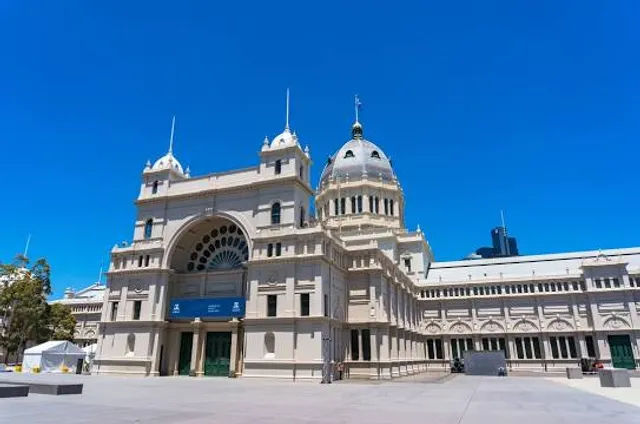
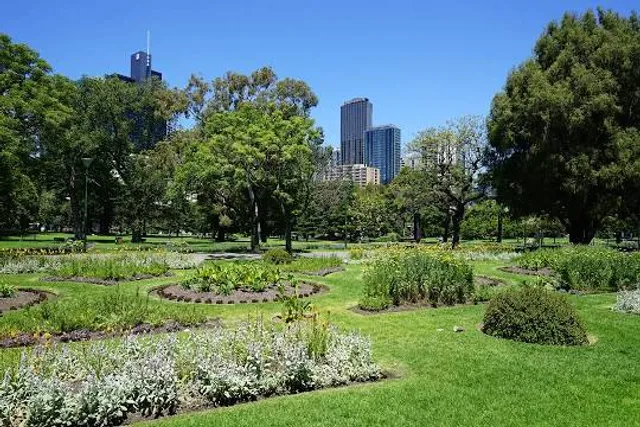
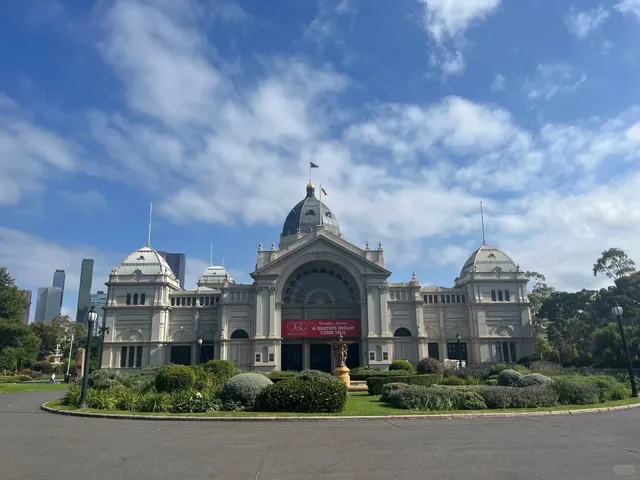
If you’re looking for a place in Melbourne where history, science, nature, and culture come together under one roof, Melbourne Museum is an absolute must-visit! Located right next to the beautiful Carlton Gardens, this world-class museum offers an unforgettable experience for families, students, and anyone curious about the wonders of our world.
⸻
🦖 Step Back in Time – The Dinosaur Walk
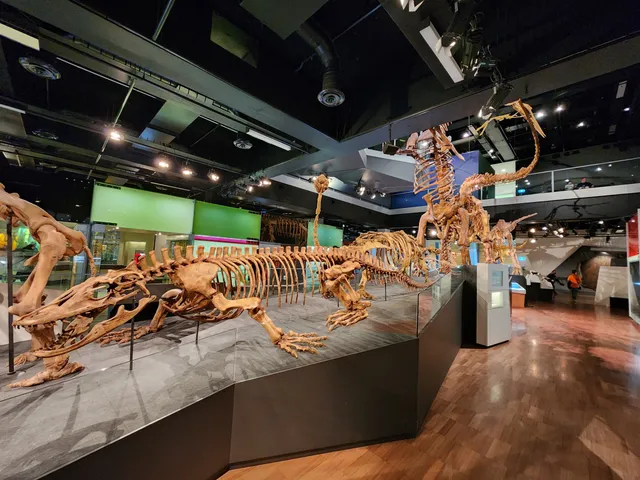
One of the biggest highlights is the Dinosaur Walk Gallery, where life-sized skeletons of prehistoric giants instantly capture your imagination. Standing beneath the towering Mamenchisaurus or face-to-face with the fearsome Tyrannosaurus rex feels surreal. The interactive displays and detailed information make it fun for kids and adults alike — you’ll learn, explore, and be amazed all at once.
⸻
🦘 Wildlife & Natural History Exhibits
The Wild: Amazing Animals in a Changing World gallery showcases hundreds of real animal specimens — from kangaroos and koalas to lions, birds, and insects. There’s also an impressive forest gallery, a living indoor rainforest where you can experience the sights, sounds, and smells of Australia’s natural habitats. It’s like stepping into the wild without leaving the city! 🦜🐍🌿
⸻
🌏 Indigenous Cultures & Australian History
The museum also provides a powerful and insightful look into First Nations cultures through its Bunjilaka Aboriginal Cultural Centre. Here, you’ll discover thousands of years of Aboriginal history, storytelling, art, and traditions that shaped Australia. It’s deeply educational and gives visitors a chance to appreciate the rich heritage of the land we live on.
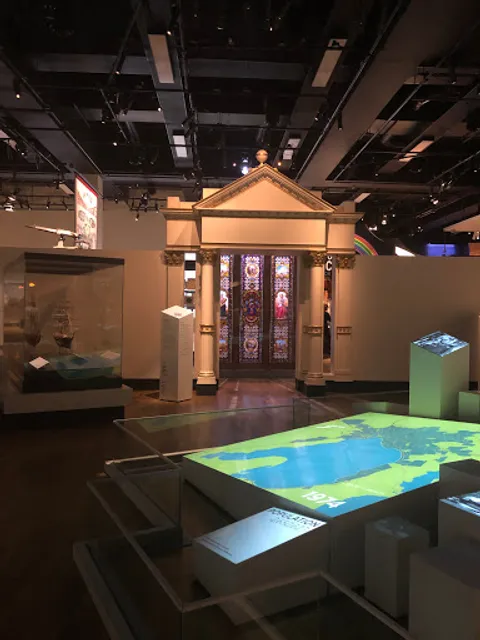
You’ll also find exhibits exploring Australia’s social history, migration stories, and the development of Melbourne as a vibrant, multicultural city.
⸻
🧠 Science, Discovery & Family Fun
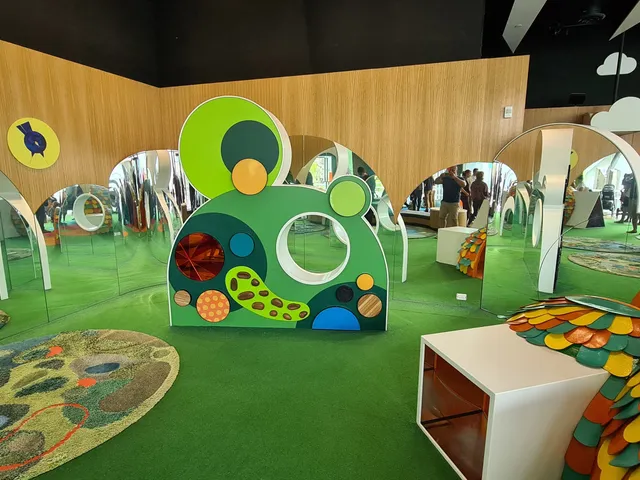
For kids and the young at heart, the Children’s Gallery is an interactive wonderland filled with hands-on activities, play spaces, and fun educational experiences. From digging for fossils to exploring the world of bugs, there’s something for every curious mind.
On top of that, the museum frequently hosts special exhibitions — from international science showcases to cultural festivals — so there’s always something new to see and learn.
⸻
🎥 IMAX Melbourne – The Big-Screen Experience
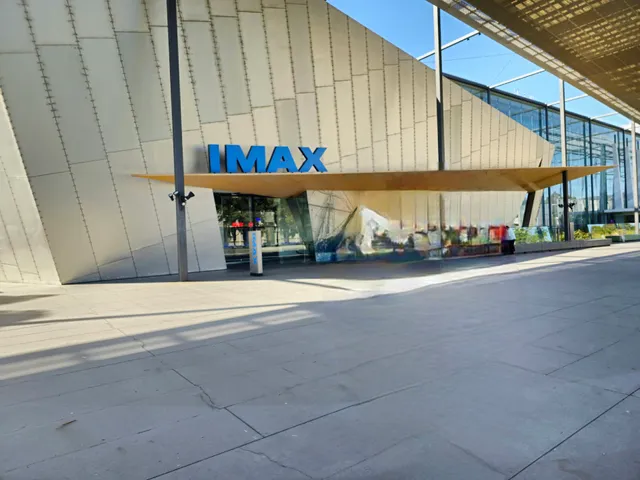
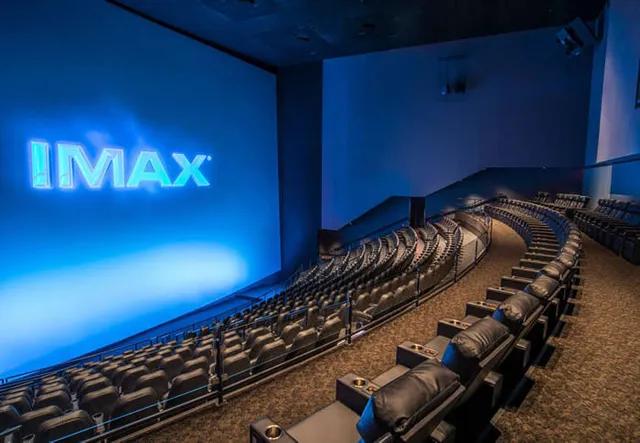
Right next door, the IMAX Melbourne theatre offers one of the largest cinema screens in the world, showcasing breathtaking documentaries and blockbuster films. It’s the perfect way to wrap up your museum visit with a visually stunning experience. 🎬🍿
⸻
🌟 Why You’ll Love Melbourne Museum • ✅ Diverse exhibits: Dinosaurs, wildlife, culture, science, and more • ✅ Family-friendly: Perfect for kids, students, and adults alike • ✅ Interactive learning: Hands-on activities and immersive galleries • ✅ Central location: Situated right next to Carlton Gardens and easily accessible • ✅ Constantly evolving: Regular special exhibitions and events
⸻
📝 Final Thoughts
Whether you’re into dinosaurs, natural history, art, science, or culture, the Melbourne Museum truly has something for everyone. It’s not just a place to look at exhibits — it’s a place where you experience, discover, and connect with the world around us.
If you’re visiting Melbourne — or even if you live here — set aside a day to explore the museum. You’ll leave feeling inspired, amazed, and full of new...
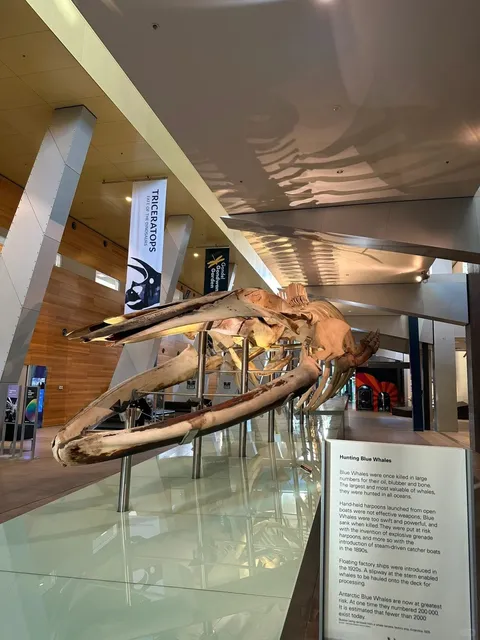
Read moreAs an undergraduate in London, I wandered into the Melbourne Museum expecting a pleasant diversion. Instead, I left with a sense of quiet awe—impressed not by paintings or artifacts, but by the skeletal displays. Towering dinosaur fossils, reconstructed megafauna, and delicate human frames stood as both scientific exhibits and profound meditations on time, structure, and fragility.
The skeletal displays commanded attention through their starkness. Stripped of flesh and context, bones became architecture—supports, joints, and curves that spoke of design through evolution. To me, still early in my training as an economist, it was as though I was looking at the ultimate form of structural models: frameworks that held systems together long after surface details had vanished. The clarity of form echoed the clarity of abstraction, reducing life to its essential scaffolding.
The experience impressed upon me the power of scale and duration. In economics, time is measured in quarters or decades; in paleontology, in millennia. The skeletons reminded me that equilibrium is fleeting, survival contingent, and systems fragile. Seeing creatures long extinct, I recognized a humbling truth: markets, civilizations, even entire species are temporary. What remains are traces—structures and legacies, not transactions. It was one of the first times I felt the bridge between empirical study and existential reflection.
Melbourne Museum staged these displays with a balance of education and wonder. The vast open halls allowed the dinosaur fossils to loom overhead, while human skeletons were displayed with quiet intimacy. The layout encouraged both learning and contemplation—facts presented on plaques, but space left for imagination to fill in the life that once animated bone. It was an environment where science became narrative, much like how economics, when done well, becomes more than data: it becomes story.
That visit left a lasting imprint. For an undergraduate economist, the skeletal displays were more than scientific specimens—they were metaphors for structure, resilience, and impermanence. They marked one of my earliest realizations that disciplines, whether biology or economics, are ultimately attempts to understand systems larger than ourselves. The bones at Melbourne Museum taught me that reduction to essentials is not just analysis—it is...
Read more