The Powerhouse Museum, also known as the Museum of Applied Arts and Sciences (MAAS), is a prominent museum located in Sydney, Australia. It is one of the country's major cultural institutions and is dedicated to showcasing and preserving Australia's history of science, technology, design, and innovation. Here's an explanation of the Powerhouse Museum:
Location: The Powerhouse Museum is situated in Ultimo, a suburb of Sydney, and is conveniently located near the central business district.
History: The museum's roots date back to the late 19th century when it was established as the "Technological, Industrial, and Sanitary Museum." Over the years, it underwent various name changes and expansions, eventually becoming the Powerhouse Museum in recognition of its location in a former power station building. The museum has played a significant role in preserving and celebrating Australia's technological and design heritage.
Key Features and Exhibitions:
Collections: The Powerhouse Museum houses an extensive and diverse collection of objects and artifacts across various fields, including science, technology, design, decorative arts, fashion, and transport. These collections encompass everything from historic scientific instruments to contemporary design pieces.
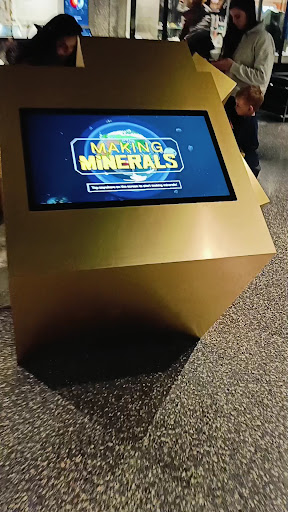
Interactive Exhibits: The museum is known for its interactive and hands-on exhibits, making it an engaging and educational destination for visitors of all ages. Many exhibits allow visitors to explore scientific principles, technological innovations, and design concepts through interactive displays and demonstrations.
Transportation: The museum features a significant transportation collection, including historic locomotives, cars, bicycles, and aircraft. Visitors can learn about the evolution of transportation in Australia.
Design and Fashion: There are exhibitions dedicated to Australian fashion and design, showcasing both historical and contemporary creations.
Science and Innovation: The Powerhouse Museum explores Australia's scientific achievements and innovations in fields such as astronomy, medicine, and telecommunications.
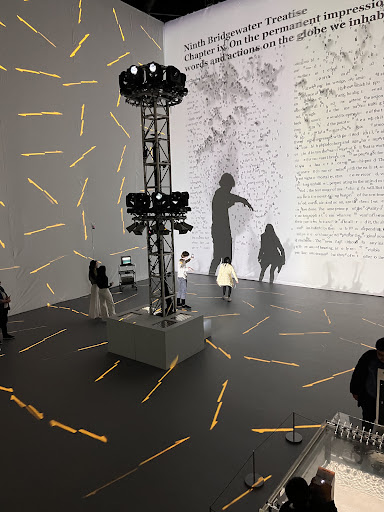
Temporary Exhibitions: The museum regularly hosts temporary exhibitions that cover a wide range of topics, including art, pop culture, technology, and more.
Planetarium: The Powerhouse Museum includes a planetarium that offers immersive shows on astronomy and space exploration.
Educational Programs: The museum offers educational programs and resources for schools, students, and teachers, making it a valuable resource for STEM (science, technology, engineering, and mathematics) education.
Cultural and Community Events: The Powerhouse Museum hosts cultural events, workshops, lectures, and public programs throughout the year, providing opportunities for visitors to engage with art, science, and culture.
Archives and Research: The museum houses an extensive archive and research library that supports scholarly research in various fields related to science, technology, and design.
Accessibility: The museum is designed to be accessible to all visitors, including those with disabilities, and offers facilities such as ramps, elevators, and accessible restrooms.
The Powerhouse Museum is a place where history, science, technology, and design converge, offering a dynamic and interactive experience that highlights Australia's contributions to these fields. It is a valuable cultural institution that appeals to both locals and tourists interested in exploring the country's rich heritage of innovation...
Read more@PowerhouseMuseumSydney is a beacon of cultural exploration and progressive thought in the heart of Australia's bustling Sydney. It effortlessly bridges the gap between Australia's rich historical legacy and its innovative future. Here are some highlights from my enlightening visit:
The museum's structure is a marvel of design. Its layout and architecture are not only visually arresting but also ensure a smooth navigation for all visitors.
I was particularly impressed with the museum's exhibition dedicated to LGBTQ history and rights. The prominence and space it received within the museum's floor plan underline Powerhouse's commitment to inclusion and representation.
The interactive segments of the museum deserve special mention. The experimentation and Space exhibitions were both immersive and educational, allowing visitors to engage with the displays in a hands-on manner.
On my visit, I was offered an orientation tour by a knowledgeable volunteer, which was a godsend considering the museum's expansive layout. This personal touch made the visit even more memorable.
The museum's initiative to offer sunflower keychains for visitors with hidden disabilities is an exceptional gesture. It allows staff and other visitors to recognize and offer assistance if needed, fostering a supportive environment for all.
As always, the collaboration between the museum and universities is praiseworthy. By providing opportunities for internships and hands-on programs, they ensure a new generation remains engaged and inspired.
True to the ethos of ICOM, the Powerhouse Museum stands as a testament to the power of knowledge and its dissemination through diverse exhibits, workshops, and community outreach.
Its strategic location not only draws in a myriad of locals and tourists but also facilitates a rich exchange of multicultural ideas and dialogues.
And, much to the delight of visitors, entry remains free of charge!
Lastly, the museum's dedication to accessibility shines brightly. Whether it's provisions for wheelchair users, families, or those with hidden disabilities, Powerhouse truly ensures an inclusive...
Read moreI enjoyed the museum; however, I was disappointed overall.
I walked in; there is no reception - no personnel, so no welcome, and no map; you are left to your own devices. It later turned out there was an A4 paper map on a white-painted table, but I overlooked it.
The first thing you see is the locomotive and carriages - this is great.
However, the museum signage is virtually non-existent so it is easy to miss an entire gallery. For example, I walked downstairs and from a landing saw some stationary steam engines - I thought they looked interesting so proceeded downstairs and found myself in a "kids fun zone thing" - where were the engines? I'd missed the 'turn-off' as there was no signage.
As per most 'designer modern museums', the lighting is appalling. Please DON'T paint the ceiling black and then have spot lights! If you are an exhibition space your job is to show off what you have; don't put things in the dark! Paint everything white and have proper lighting!
There is no thematic interpretation - some humans demonstrating and interpreting the exhibits would be good.
There is quite a lot of empty space in the museum - this is because of the original building's design; however, this isn't interpreted in any way shape or form. Tell me about why the building was built, what was the original purpose, light and interpret the gantry cranes.
Whilst I was there a large part of the museum appeared to be taken up with fabrics and textiles. This was of no interest to me - I was expecting machines and industry in a 'Powerhouse'.
The historic beam engine was very difficult to see up close and photograph.
The museum shop was a joke. It looked like a posh designer had been engaged and filled it with designer apparel and arty books. There were no souvenirs - nothing purchased.
Seen it. I have no need to see...
Read more