Lentos Kunstmuseum Linz things to do, attractions, restaurants, events info and trip planning
Basic Info
Lentos Kunstmuseum Linz
Doktor-Ernst-Koref-Promenade 1, 4020 Linz, Austria
4.5(1.0K)
Open until 6:00 PM

tickets
Save
spot
spot
Ratings & Description
Info
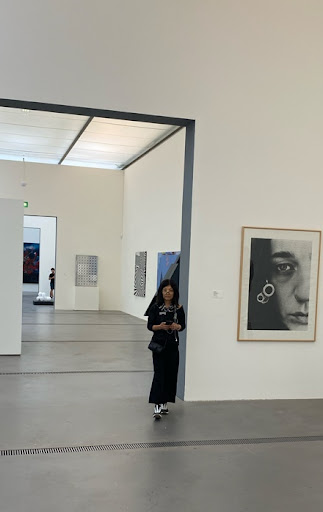
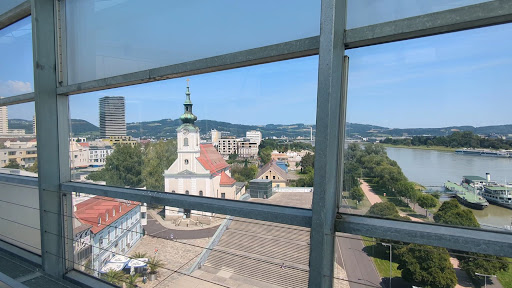
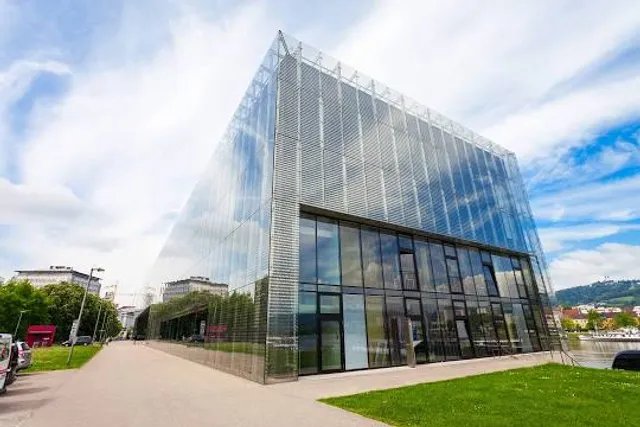
The Lentos Art Museum is a museum of modern art in Linz, Austria, which opened in May 2003 as the successor to the Neue Galerie der Stadt Linz. The museum was designed by Zurich-based architectural firm Weber & Hofer. It is 130 m long and has approximately 8,000 m² of floor space.
Cultural
Accessibility
attractions: Linz’s main square, Ars Electronica Center, Stifterhaus, Brucknerhaus Linz, Stadtwerkstatt, Alter Dom - Ignatiuskirche, Zahnmuseum Linz, Schlossmuseum Linz, FC Francisco Carolinum Linz, Nordico Stadtmuseum, restaurants: STEAKHOUSE, Cafe Meier, Golden Pagoda中餐, Gerberei, ÄNGUS Steaks & Izakaya, SANDBURG, Wirtshaus Keintzel, Taverne Sorbas, Leberkas-Pepi Linz Rathausgasse, Panda Wok China Restaurant, local businesses: Columna de la Trinidad, Nibelungenbrücke, clever fit Linz Zentrum, Old Town Hall / City of Linz, Bruckner's im Brucknerhaus Linz, tinamisu - Italienische Spezialitäten, Donaulände, Landstraße 14, Castle Park, Tabakfabrik Linz
 Learn more insights from Wanderboat AI.
Phone
+43 732 70703600
Website
lentos.at
Open hoursSee all hours
Sat10 AM - 6 PMOpen
Plan your stay

Pet-friendly Hotels in Linz
Find a cozy hotel nearby and make it a full experience.

Affordable Hotels in Linz
Find a cozy hotel nearby and make it a full experience.

The Coolest Hotels You Haven't Heard Of (Yet)
Find a cozy hotel nearby and make it a full experience.

Trending Stays Worth the Hype in Linz
Find a cozy hotel nearby and make it a full experience.
Reviews
Live events

Candlelight: Tribut an Hans Zimmer
Sat, Feb 21 • 6:00 PM
Landstraße 49, Linz, 4020
View details

Candlelight: Ed Sheeran meets Coldplay
Sun, Feb 22 • 5:30 PM
Stiftstraße 1, Sankt Florian, 4490
View details
Nearby attractions of Lentos Kunstmuseum Linz
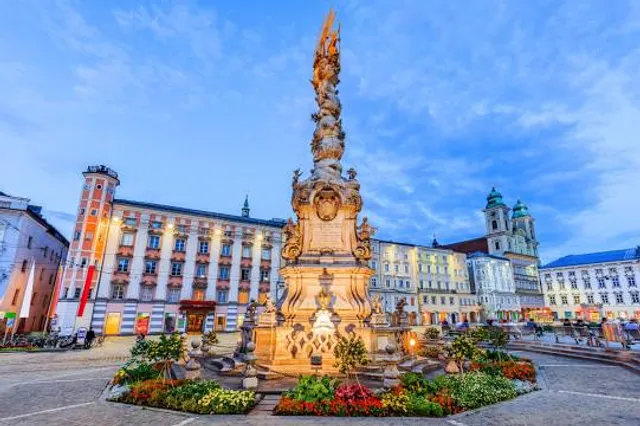
Linz’s main square
Ars Electronica Center
Stifterhaus
Brucknerhaus Linz
Stadtwerkstatt
Alter Dom - Ignatiuskirche
Zahnmuseum Linz
Schlossmuseum Linz
FC Francisco Carolinum Linz
Nordico Stadtmuseum
Linz’s main square
4.6
(3.2K)
Open until 12:00 AM
Click for details
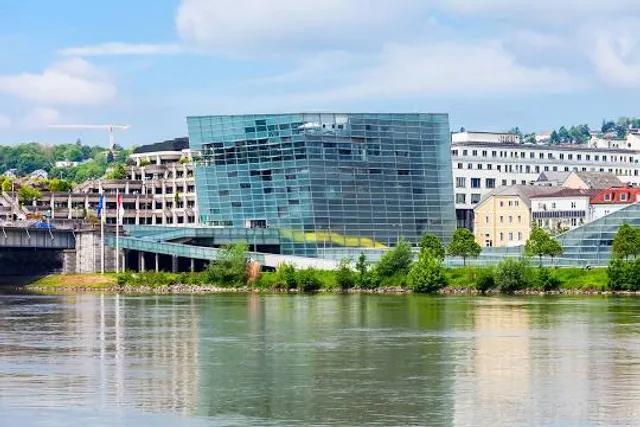
Ars Electronica Center
4.5
(2.8K)
Open until 5:00 PM
Click for details
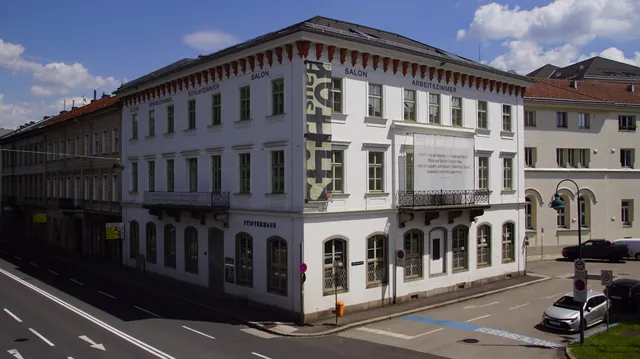
Stifterhaus
4.8
(28)
Closed
Click for details
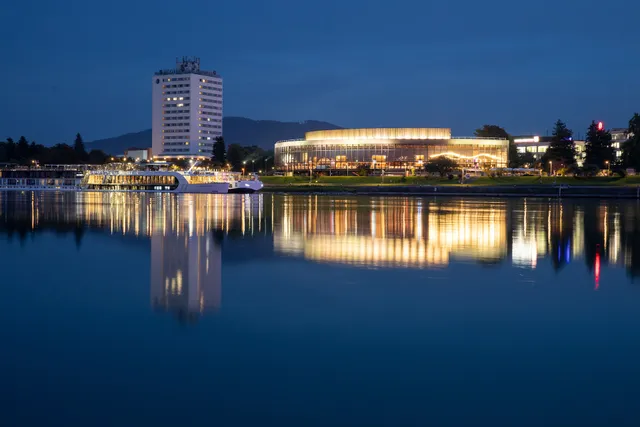
Brucknerhaus Linz
4.5
(1.3K)
Open 24 hours
Click for details
Nearby restaurants of Lentos Kunstmuseum Linz
STEAKHOUSE
Cafe Meier
Golden Pagoda中餐
Gerberei
ÄNGUS Steaks & Izakaya
SANDBURG
Wirtshaus Keintzel
Taverne Sorbas
Leberkas-Pepi Linz Rathausgasse
Panda Wok China Restaurant
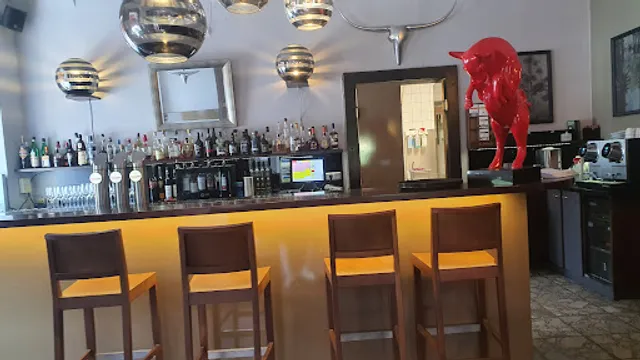
STEAKHOUSE
4.7
(880)
$$$
Closed
Click for details
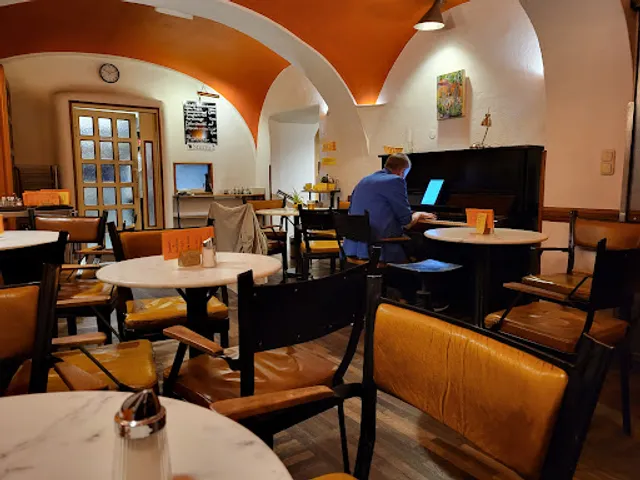
Cafe Meier
4.2
(624)
Open until 12:00 AM
Click for details

Golden Pagoda中餐
4.5
(302)
Closed
Click for details
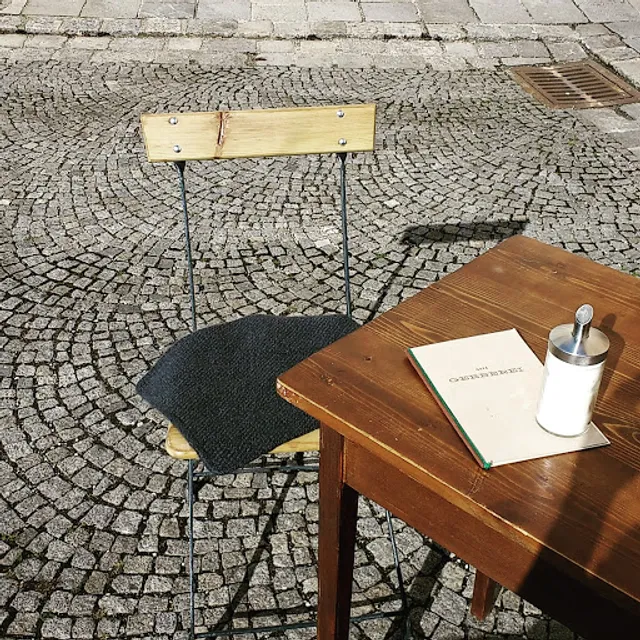
Gerberei
4.8
(262)
Open until 7:00 PM
Click for details
Nearby local services of Lentos Kunstmuseum Linz
Columna de la Trinidad
Nibelungenbrücke
clever fit Linz Zentrum
Old Town Hall / City of Linz
Bruckner's im Brucknerhaus Linz
tinamisu - Italienische Spezialitäten
Donaulände
Landstraße 14
Castle Park
Tabakfabrik Linz
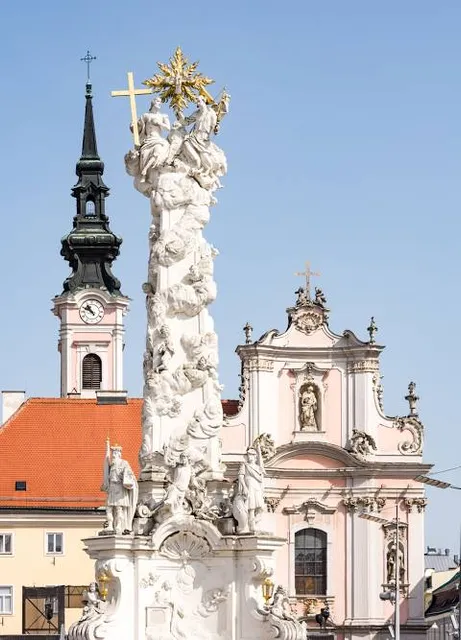
Columna de la Trinidad
4.4
(667)
Click for details

Nibelungenbrücke
4.4
(128)
Click for details

clever fit Linz Zentrum
4.7
(444)
Click for details
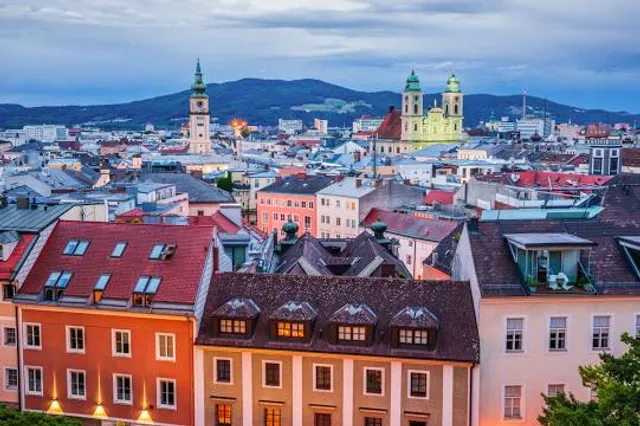
Old Town Hall / City of Linz
4.4
(42)
Click for details