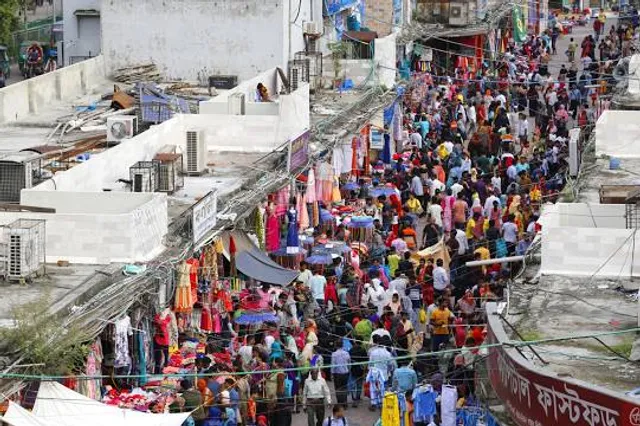
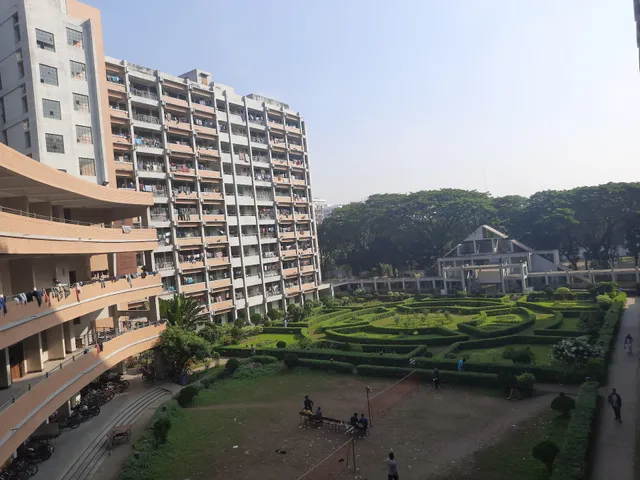
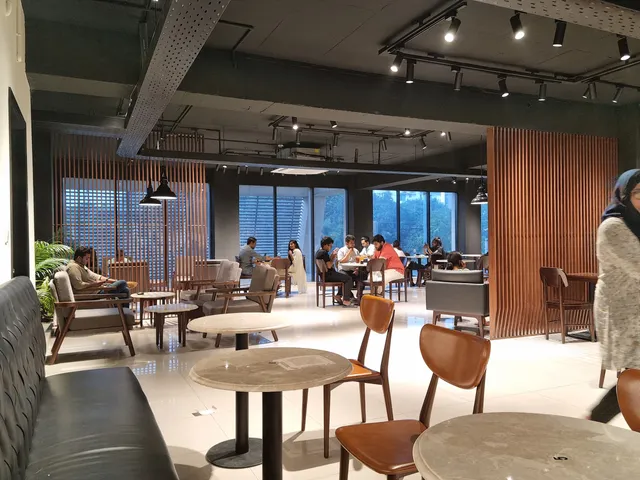
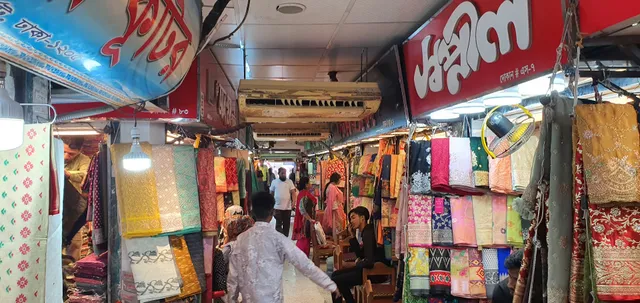
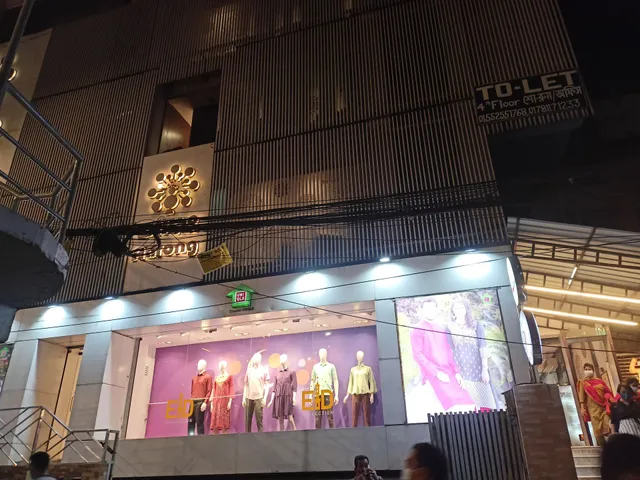
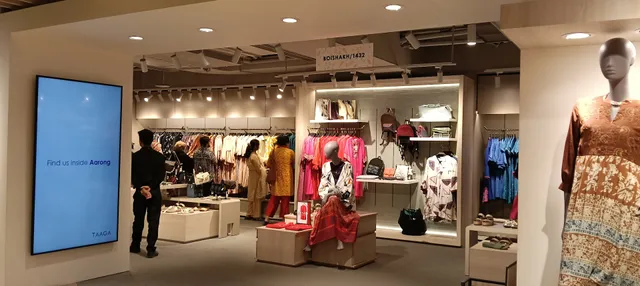
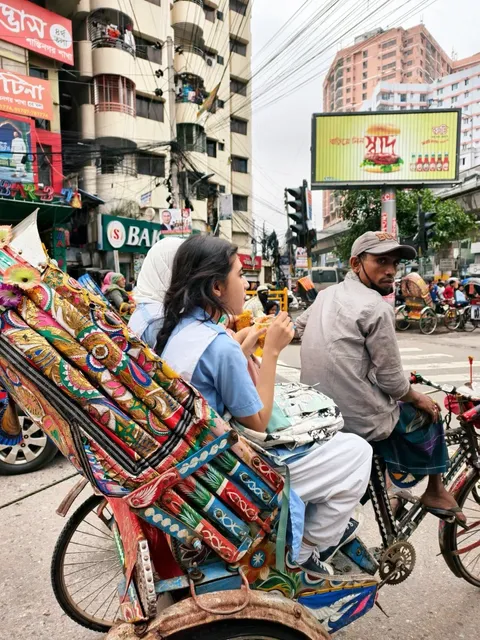
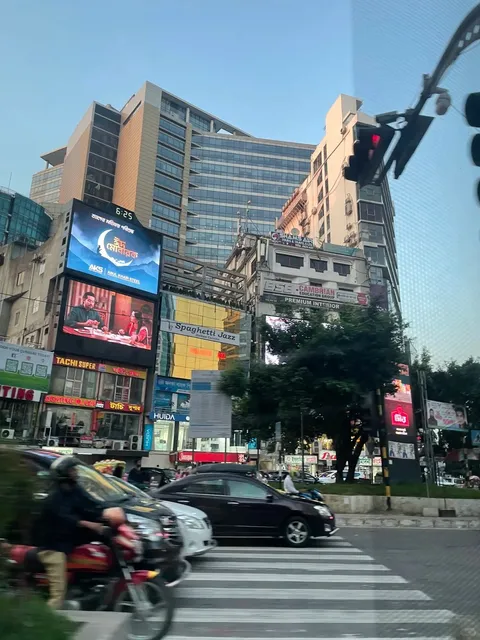
Dhaka New Market is not just a marketplace; it is an institution, etched into the socio-cultural and commercial fabric of the city. Built in 1954 during East Pakistan’s era, this market was envisioned to be a modern marvel, catering to the growing urban population. Its striking circular design, a rare architectural feature for its time, gave it a distinctive character that set it apart from the conventional bazaars of Dhaka. The large, central courtyard, enclosed by a series of interconnected shops, creates an environment that feels both intimate and sprawling. Stepping into New Market is like plunging into a torrent of human activity—an overwhelming barrage of sights, sounds, and smells. The sheer volume of trade taking place within its narrow confines can be dizzying, yet there is a raw magnetism to the hustle and bustle. Vendors shout over the din, calling out their wares with practiced urgency, their voices rising above the incessant honking of rickshaws and the chatter of haggling customers. It is a place where commerce is conducted with a ferocity that matches the relentless pace of the city itself. What sets New Market apart from the more sanitized, air-conditioned malls is its visceral authenticity. Here, the practice of bargaining is not just tolerated but expected, a ritual where seasoned shoppers display their prowess, whittling down prices with sharp wit and relentless persistence. It's a place where relationships are built between customers and vendors, often through generations. Some stalls have been family-run for decades, their owners having weathered the political upheavals, economic fluctuations, and social transformations that have shaped Dhaka. One of the lesser-known facets of Dhaka New Market is its evolution over time. While it began as a relatively modest commercial hub, catering primarily to the needs of the middle-class Bengali populace, it has since transformed into a microcosm of Dhaka’s broader society. Today, its narrow passageways teem with a diverse clientele—students, housewives, tourists, and even the occasional connoisseur in search of rare textiles or handcrafted goods. The market has expanded over the years, with newer sections added to accommodate the increasing demand, but the original structure still stands as a reminder of its storied past. The market is also a treasure trove for those with a keen eye for antiques and curiosities. Hidden among the more common stalls are sellers offering everything from vintage vinyl records to centuries-old coins, and even rare manuscripts. While these stalls are less prominent, they add a layer of depth to the market’s offerings, catering to collectors and history enthusiasts alike. Yet, New Market is not just about commerce. It has a rich cultural significance as well. Over the years, it has become a social hub, a place where friends and families gather for casual shopping trips that inevitably turn into long, meandering strolls punctuated by tea breaks and street food indulgences. The food stalls lining its periphery are famous in their own right, offering quintessentially local flavors—mouthwatering fuchka, samosas, jilapis, and a variety of traditional Bengali sweets—that draw crowds just as much as the shops themselves. Despite the onslaught of modern shopping centers and online commerce, Dhaka New Market endures, a monument to resilience. It is a living, breathing entity, constantly evolving while retaining the soul of what it has always been—a dynamic, unfiltered snapshot of Dhaka’s relentless energy. To walk through its corridors is to experience the city in its rawest form: chaotic, unyielding, and unapologetically vibrant. It is not merely a place to shop—it is a journey through the beating heart of Dhaka, where every corner holds a story waiting to...
Read moreOf course! Here's a long and engaging story focused on marketing, products, and the lively experience of shopping in Dhaka's New Market — the sounds, smells, people, products, marketing styles, and the overall enjoyment of the place.
Title: “Magic of Marketing at Dhaka’s New Market”
Step into New Market, Dhaka — and you’re not just entering a shopping destination, you’re diving into a world where colors speak, sounds dance, and marketing becomes an art form.
The sun shines hot on the tin roofs. From the entrance, loud voices float in the air:
“Aiye bhai! Dekhen, new arrival! Export quality, not China!” “Apa, just try this one — no one can give this price!”
This isn’t corporate marketing. No digital billboards or expensive Facebook ads. This is street-smart, heart-to-heart marketing. Real people selling real products with raw passion and sharp wit.
The Product Paradise
From the moment you walk in, your senses are bombarded. One alley is lined with colorful sarees — silk, cotton, jamdani, georgette — hanging like rainbows. Another lane sparkles with jewelry — shiny bangles, nose pins, and dazzling rings that glimmer under cheap yellow lights.
Shoes? Sandals? Fancy heels? Just turn left — there’s a whole section with hundreds of styles stacked on shelves, floors, and even hung from the ceiling.
In another corner, you’ll find school bags, makeup kits, T-shirts with funny quotes, jeans stitched with fake designer labels, and cosmetics that promise “whitening in 7 days.”
And food? Oh, the food! Sellers market their snacks like pros:
“Hot samosa, bhai! Inside full of chicken, not just potato!” “Fuchka pani homemade, no chemicals! Taste once, you’ll come back!”
The Art of Bargaining — A Game of Marketing
Marketing here isn’t just about shouting offers — it’s a game. A battle of psychology.
You: “Bhai, koto?” Seller: “Just 850 taka. Pure cotton. See the stitching!” You: “I’ll give 400.” Seller: “Apa, you’re joking! Okay, 750… final.” You: “450.” Seller (laughing): “You’ll bankrupt me! Okay, okay… for you, 500.”
This is marketing with emotion — laughter, storytelling, and trust. Sellers compliment your taste. They tell you, “You have eyes like my sister, take this one, she loved it too!” Every sentence is a mini advertisement.
Marketing with Personality
Each shopkeeper has a brand personality. Some are loud and humorous, attracting crowds with jokes. Some are calm and polite, building relationships with regular customers.
And some use tech-savvy tricks — printing banners that say “SALE – 50% OFF”, hanging fake certificates like “Best Shop of the Year,” or even using Bluetooth speakers to blast catchy music and grab attention.
Tailors promise “perfect fitting in 24 hours.” Henna artists show photos of their designs on Instagram. A guy selling perfumes lets you try a spritz — and says, “Smell like Dubai, but spend like Dhaka!”
Even the boys selling pens or socks on the footpath are marketers — they shout, smile, and follow you politely, offering deals like “Buy 3, get 1 free!”
Festivals: The Marketing Festival
Come during Eid, Pohela Boishakh, or Durga Puja, and the market turns into a festival of products and promotions. Banners everywhere. Loudspeakers announcing sales. Shops decorated with lights and balloons.
Crowds move like rivers. Sellers shout louder. Shoppers get hungrier for discounts. It’s like a marketing mela — and everyone plays their part.
Enjoying the Chaos
Yes, it’s crowded. Yes, it’s noisy. But that’s the beauty. You’ll laugh, argue, discover, and sometimes get fooled — but you’ll enjoy every second.
You’ll leave with hands full of shopping bags, mind full of stories, and heart full of satisfaction.
Because marketing here isn’t about money only — it’s about emotion, connection, and...
Read moreTitle: Exploring the Vibrant Charm of Dhaka New Market
Introduction: During my recent trip to Dhaka, Bangladesh, I had the pleasure of visiting Dhaka New Market. This bustling marketplace, renowned for its vibrant atmosphere and diverse range of products, left a lasting impression on me. In this review, I will delve into the highlights of my experience and why Dhaka New Market is a must-visit for anyone exploring the city.
A Shopper's Paradise: Dhaka New Market truly lives up to its reputation as a shopper's paradise. From traditional garments and textiles to electronics, jewelry, handicrafts, and more, the market offers an incredible variety of goods. As I strolled through the narrow lanes, I was captivated by the vivid colors and the lively chatter of local vendors. The array of clothing stores, both modern and traditional, catered to all tastes and budgets, making it a great place to shop for both locals and tourists.
Cultural Immersion: One of the highlights of my visit was the opportunity to immerse myself in the rich cultural heritage of Bangladesh. The market is a treasure trove of traditional Bangladeshi crafts and artifacts, providing a glimpse into the country's artistic traditions. I was particularly drawn to the exquisite handwoven fabrics, such as muslin and Jamdani sarees, which reflected the craftsmanship and elegance of the local artisans.
Delicious Culinary Delights: Exploring Dhaka New Market is not just about shopping; it is also a culinary adventure. The market is home to numerous food stalls and restaurants, offering a wide range of delectable treats. From mouthwatering street food, such as samosas and jhalmuri (spicy puffed rice), to traditional Bangladeshi sweets like rasgulla and shondesh, there was an abundance of flavors to savor. I highly recommend indulging in some local delicacies while taking a break from your shopping spree.
Local Hospitality: The warm and welcoming nature of the locals added to the charm of my visit. Shopkeepers and vendors were always ready to assist with a smile, creating a friendly and enjoyable shopping experience. Their willingness to share stories and recommendations made my time at Dhaka New Market all the more memorable.
Conclusion: Dhaka New Market offers a vibrant and culturally rich shopping experience that should not be missed when visiting Dhaka. From its diverse range of products to its delectable culinary offerings and the friendly locals, the market is a feast for the senses. Whether you are a shopaholic, a cultural enthusiast, or a food lover, Dhaka New Market has something for everyone. I left the market with a newfound appreciation for the city's vibrant spirit and the wonderful hospitality...
Read more