HTML SitemapExplore
logo
Find Things to DoFind The Best Restaurants

Museum Vleeshuis — Attraction in Antwerp

Name
Museum Vleeshuis
Description
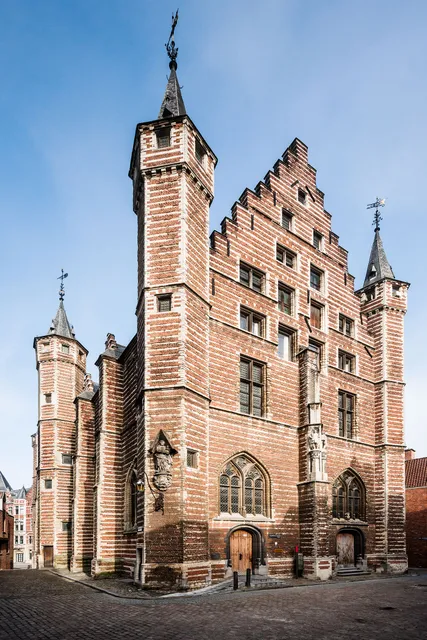
The Vleeshuis in Antwerp, Belgium, is a former guildhall. It is now a museum located between the Drie Hespenstraat, the Repenstraat and the Vleeshouwersstraat. The slope where the Drie Hespenstraat meets the Burchtgracht used to be known as the Bloedberg or Blood Mountain.
Nearby attractions
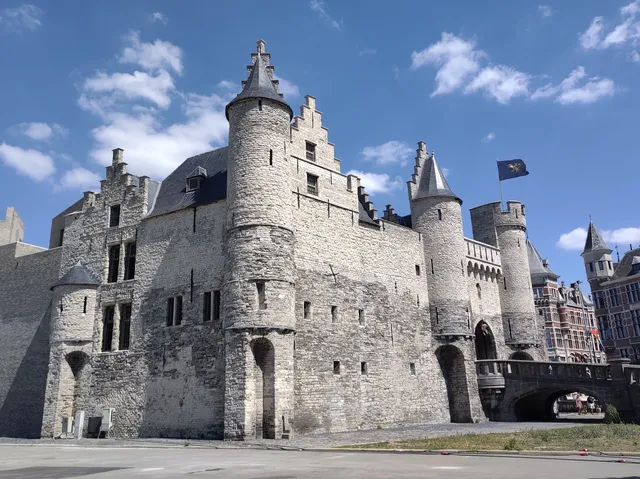
Het Steen
Het Steen, Steenplein 1, 2000 Antwerpen, Belgium
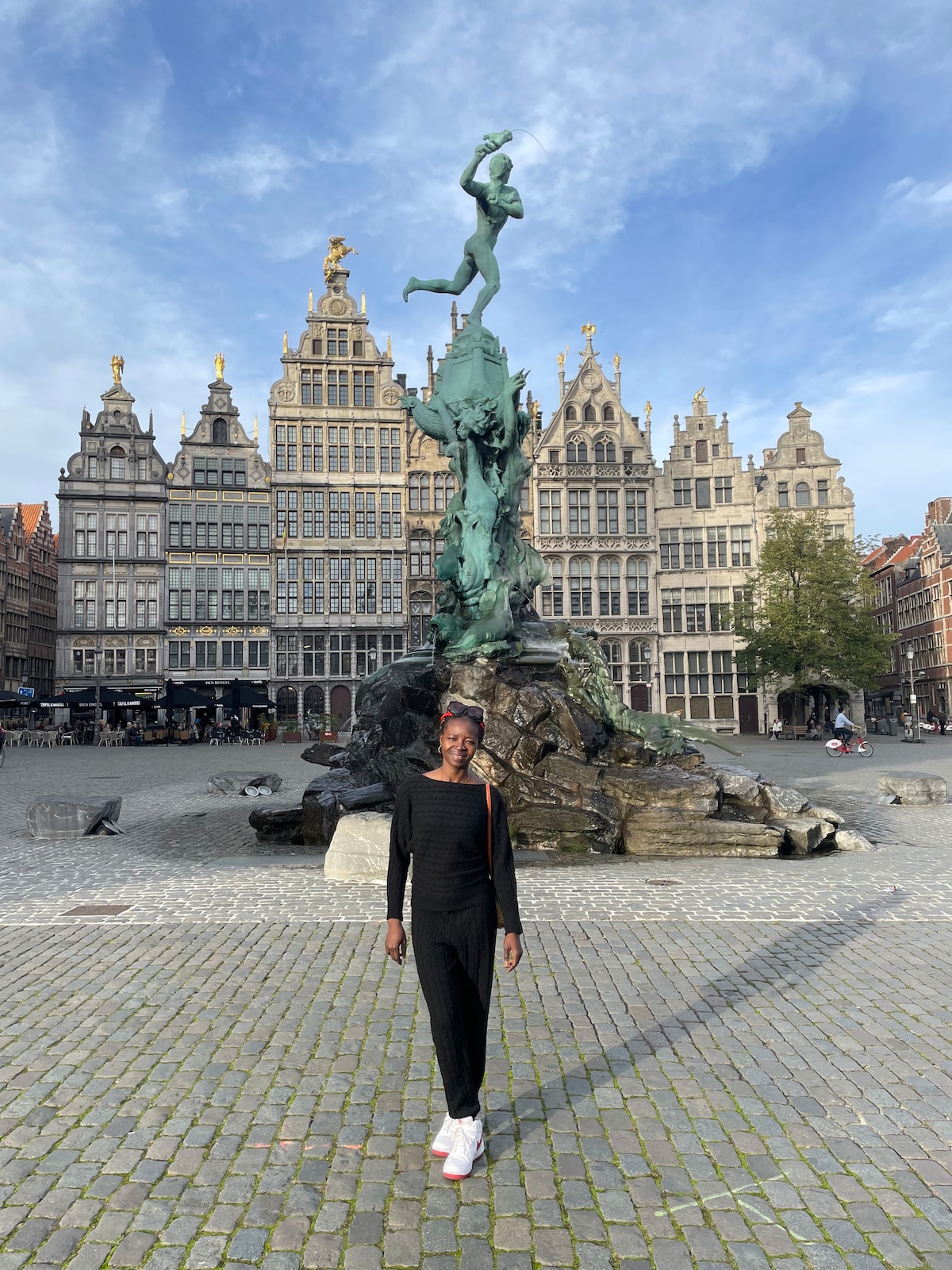
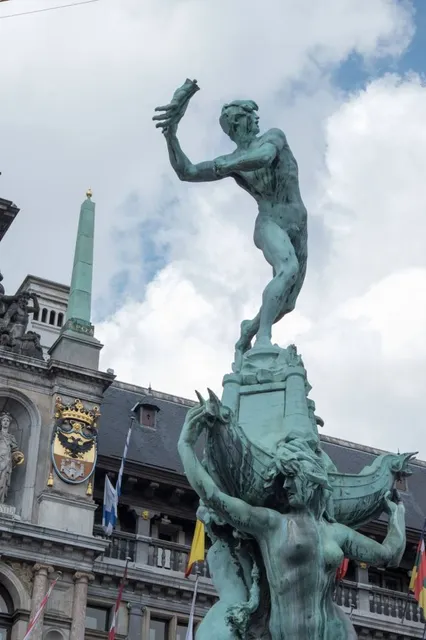
Brabo's Monument
Grote Markt, 2000 Antwerpen, Belgium
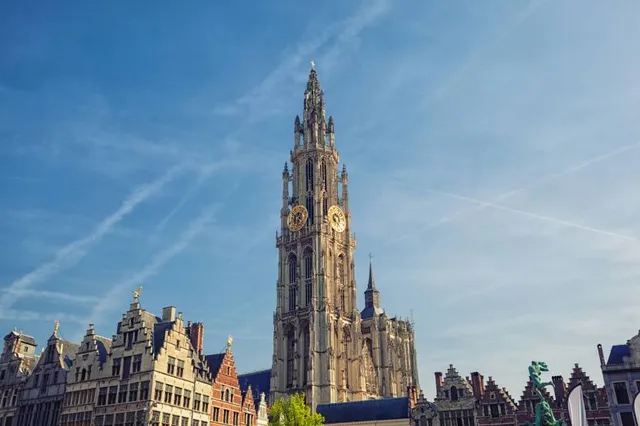
Cathedral of Our Lady
Groenplaats 21, 2000 Antwerpen, Belgium
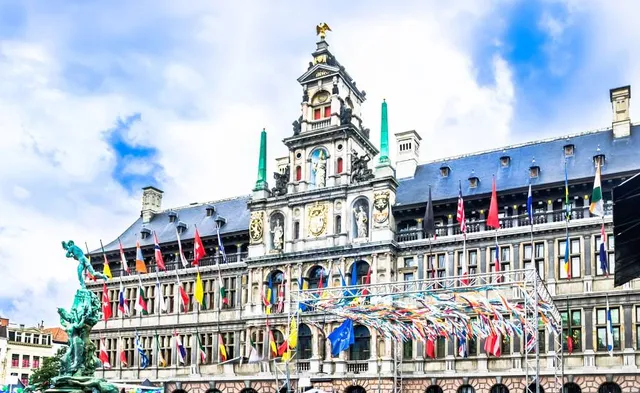
Antwerp City Hall
Grote Markt 1, 2000 Antwerpen, Belgium
DIVA, museum voor diamant, juwelen en zilver
Suikerrui 17/19, 2000 Antwerpen, Belgium
Museum De Reede
Ernest Van Dijckkaai 7, 2000 Antwerpen, Belgium
De Ruien
Suikerrui 21, 2000 Antwerpen, Belgium
Toeristische Dienst - Visit Antwerpen
Het Steen, Steenplein 1, 2000 Antwerpen, Belgium
Nello & Patrasche Statue
Handschoenmarkt 3/Het 17de-18de Eeuwse Salon, 2000 Antwerpen, Belgium
The Antwerp Story
Het Steen, Steenplein 1, 2000 Antwerpen, Belgium
Nearby restaurants
De Zeven Schaken
Braderijstraat 24, 2000 Antwerpen, Belgium
Refill
Kleine Koraalberg 8, 2000 Antwerpen, Belgium
Meat Factory
Grote Markt 28, 2000 Antwerpen, Belgium
Amadeus Antwerpen 2
Suikerrui 7/9, 2000 Antwerpen, Belgium
Elfde Gebod
Torfbrug 10, 2000 Antwerpen, Belgium
Fish A'Gogo
Handschoenmarkt 1, 2000 Antwerpen, Belgium
Da Giovanni Groenplaats
Jan Blomstraat 8, 2000 Antwerpen, Belgium
Bia Mara
Maalderijstraat 1, 2000 Antwerpen, Belgium
Jan zonder vrees charming suites openingstijden variabel
Palingbrug 8, 2000 Antwerpen, Belgium
Philly Sandwich Bar
Oude Beurs 25, 2000 Antwerpen, Belgium
Nearby hotels
Citystay Antwerp
Burchtgracht 43, 2000 Antwerpen, Belgium
HotelO
Handschoenmarkt 3/5, 2000 Antwerpen, Belgium
Antwerp City Hostel
Grote Markt 40, 2000 Antwerpen, Belgium
Hotel Rubens - Grote Markt
Oude Beurs 29, 2000 Antwerpen, Belgium
BTFL Living Antwerp
Zirkstraat 25, 2000 Antwerpen, Belgium
Urban Dreams
Veemarkt 26, 2000 Antwerpen, Belgium
Hotel Matelote
Haarstraat 11a, 2000 Antwerpen, Belgium
Hilton Antwerp Old Town
Groenplaats 32, 2000 Antwerpen, Belgium
Hotel Riga
Korte Koepoortstraat 4, 2000 Antwerpen, Belgium
P6 Antwerp
Blauwmoezelstraat 6, 2000 Antwerpen, Belgium
Related posts
Antwerp, Belgium 🇧🇪 | Ultimate Free & Easy Travel Guide
Keywords
Museum Vleeshuis tourism.Museum Vleeshuis hotels.Museum Vleeshuis bed and breakfast. flights to Museum Vleeshuis.Museum Vleeshuis attractions.Museum Vleeshuis restaurants.Museum Vleeshuis travel.Museum Vleeshuis travel guide.Museum Vleeshuis travel blog.Museum Vleeshuis pictures.Museum Vleeshuis photos.Museum Vleeshuis travel tips.Museum Vleeshuis maps.Museum Vleeshuis things to do.
Museum Vleeshuis things to do, attractions, restaurants, events info and trip planning
Museum Vleeshuis
BelgiumAntwerpAntwerpMuseum Vleeshuis

Basic Info

Museum Vleeshuis

Vleeshouwersstraat 38/40, 2000 Antwerpen, Belgium
4.4(453)
Open 24 hours
Save
spot

Ratings & Description

Info

The Vleeshuis in Antwerp, Belgium, is a former guildhall. It is now a museum located between the Drie Hespenstraat, the Repenstraat and the Vleeshouwersstraat. The slope where the Drie Hespenstraat meets the Burchtgracht used to be known as the Bloedberg or Blood Mountain.

Cultural
Family friendly
Accessibility
attractions: Het Steen, Brabo's Monument, Cathedral of Our Lady, Antwerp City Hall, DIVA, museum voor diamant, juwelen en zilver, Museum De Reede, De Ruien, Toeristische Dienst - Visit Antwerpen, Nello & Patrasche Statue, The Antwerp Story, restaurants: De Zeven Schaken, Refill, Meat Factory, Amadeus Antwerpen 2, Elfde Gebod, Fish A'Gogo, Da Giovanni Groenplaats, Bia Mara, Jan zonder vrees charming suites openingstijden variabel, Philly Sandwich Bar
logoLearn more insights from Wanderboat AI.
Phone
+32 3 292 61 01
Website
museumvleeshuis.be

Plan your stay

hotel
Pet-friendly Hotels in Antwerp
Find a cozy hotel nearby and make it a full experience.

hotel
Affordable Hotels in Antwerp
Find a cozy hotel nearby and make it a full experience.

hotel
The Coolest Hotels You Haven't Heard Of (Yet)
Find a cozy hotel nearby and make it a full experience.

hotel
Trending Stays Worth the Hype in Antwerp
Find a cozy hotel nearby and make it a full experience.

Reviews

Nearby attractions of Museum Vleeshuis

Het Steen

Brabo's Monument

Cathedral of Our Lady

Antwerp City Hall

DIVA, museum voor diamant, juwelen en zilver

Museum De Reede

De Ruien

Toeristische Dienst - Visit Antwerpen

Nello & Patrasche Statue

The Antwerp Story

Het Steen

Het Steen

4.3

(3.9K)

Open 24 hours
Click for details
Brabo's Monument

Brabo's Monument

4.6

(1.3K)

Open 24 hours
Click for details
Cathedral of Our Lady

Cathedral of Our Lady

4.6

(5.1K)

Open until 5:00 PM
Click for details
Antwerp City Hall

Antwerp City Hall

4.5

(496)

Open until 5:30 PM
Click for details

Things to do nearby

Titanic: Een Immersieve Reis
Fri, Dec 5 • 1:00 PM
Carnotstraat 90, Antwerpen, 2060
View details
Explore Antwerp’s quirky streets with Michèle
Sat, Dec 6 • 10:30 AM
2000, Antwerp, Belgium
View details
Eonarium Genesis: De Spectaculaire Lichtshow
Fri, Dec 5 • 5:00 PM
Twaalfmaandenstraat, 2000 Antwerpen, Belgium, 2000
View details

Nearby restaurants of Museum Vleeshuis

De Zeven Schaken

Refill

Meat Factory

Amadeus Antwerpen 2

Elfde Gebod

Fish A'Gogo

Da Giovanni Groenplaats

Bia Mara

Jan zonder vrees charming suites openingstijden variabel

Philly Sandwich Bar

De Zeven Schaken

De Zeven Schaken

4.4

(818)

Click for details
Refill

Refill

4.6

(323)

$$

Click for details
Meat Factory

Meat Factory

4.7

(1.2K)

$$

Click for details
Amadeus Antwerpen 2

Amadeus Antwerpen 2

4.1

(1.1K)

Click for details
Get the Appoverlay
Get the AppOne tap to find yournext favorite spots!
Wanderboat LogoWanderboat

Your everyday Al companion for getaway ideas

CompanyAbout Us
InformationAI Trip PlannerSitemap
SocialXInstagramTiktokLinkedin
LegalTerms of ServicePrivacy Policy

Get the app

© 2025 Wanderboat. All rights reserved.
logo

Posts

Antwerp, Belgium 🇧🇪 | Ultimate Free & Easy Travel Guide
Lena HoffmannLena Hoffmann
Antwerp, Belgium 🇧🇪 | Ultimate Free & Easy Travel Guide
Lara Star MartiniLara Star Martini
I was not originally going to check out a museum devoted to music and musical instruments, since I don't really have musical talent and don't play much of anything- so I felt this was not "for me". I will sound crazy, but I paid admission and entered because I was desperate for some wifi, since I didn't have cell service and I needed to use my map app! I was a little lost, and this was my plan. I am SO happy I did! This museum has all sorts of instruments on display, and really gives you an incredibly rich history of instruments. You can hear a snippet of everything on display as well, which is a remarkable addition to this museum. I actually preferred the lower level, where you can see how a bell is made- form the initial sculpting, making the cast, pouring it, revealing it, and then adding the finishing touches. It was INCREDIBLE! I watched the entire video that showed the process, too. I was basically the only person in the museum when I went, so I had the place to myself. As a result, the gentleman downstairs turned on the large organ that had moveable dancing pieces - and I got to look inside it and at the back, to see HOW it played the music! This was all because of the wonderful man who spoke to me, and showed me things I would never have seen if he didn't offer. There is also a section showing how brass instruments are made- and there are a ton of horns hanging from the ceiling. The guard, or worker, went outside for a smoke break and let me follow him so we could continue our chat! I felt so special, and learned so much. I even left the museum through that secret back door! It is so unique, and I don't think there is another museum like it- certainly not housed in such a spectacular building.
Carol BampsCarol Bamps
Open van donderdag tot zondag. Halle in gotische stijl gebouwd door het gilde van de Beenhouwers, dat hiervoor in 1500 het privilegie verkreeg van Filips de Schone. Het nieuwe Vleeshuis verving het te klein geworden oude Vleeshuis op de dezelfde plaats, dat na 1250 door de stedelijke overheid was opgetrokken, in opdracht van Hendrik II van Brabant. De bouw werd in 1501 aangevat onder leiding van bouwmeester Herman de Waghemakere de Oude, na diens dood in 1502 vermoedelijk voortgezet door zijn zoon Domien de Waghemakere, en voltooid in 1504. Metselaar Jan Van Breen die de werken uitvoerde, overleed nog voor het gebouw voltooid was. De hardstenen onderdelen dragen steenhouwersmerken die mogelijk zijn toe te schrijven aan de familie Le Prince uit Ecaussines. De hoge, overwelfde benedenverdieping bood ruimte aan 62 slagersbanken voor de verkoop van vlees, en de gildekapel met sacristie aan de westzijde. Op de bovenverdieping ontsloten door de vijf traptorens, bevond de raadszaal of ambachtskamer zich in de zuidbeuk, en de zogenaamde “ruet-kamer” voor het smelten van vet in de noordbeuk. Volgens de overlevering dienden de kelders, toegankelijk via de overwelfde doorgang aan de Burchtgracht, voor het slachten en versnijden van het vlees, waaraan de naam Bloedberg ontleend is. De immense zolders hadden geen andere functie dan opslagruimte. Uit iconografische bronnen valt af te leiden dat de centrale traptoren aan de zuidzijde van het Vleeshuis tussen 1518 en 1565 werd verhoogd naar het model van de vier hoektorens. Tussen de steunberen bevonden zich kleine constructies als cijns- en penshuisjes voor de verkoop van slachtafval. Door het stelselmatig overwelven en bebouwen van de Burchtgracht, was de westgevel tegen het einde van de 18de eeuw volledig ingebouwd. Na het opheffen van gilden en ambachten door het Franse bewind in 1795, werd het Vleeshuis in 1799 als Nationaal Goed openbaar verkocht. Een collectief van 29 leden van het oude beenhouwersambacht wist het gebouw terug te kopen, en opnieuw als vleeshal in dienst te nemen. Meerdere schilders waaronder Hendrik Raphael Schaeffels, Cornels Sels, Gustave Wappers en Nicaise de Keyser richtten in de eerste helft van de 19de eeuw hun ateliers in op de bovenverdieping. In 1841 verkochten de slagers het Vleeshuis aan Jean Daniel Peyrot-Van Bommel, eigenaar van “Den Wolsack” aan de Oude Beurs. Hij gebruikte het gebouw als opslagplaats voor zijn wijnhandel, en liet tussen 1841 en 1843 de nodige instandhoudings- en verbouwingswerken uitvoeren. Vier marmeren vloerplaten met dierenfiguren uit de ambachtskamer kwamen in de hal van “Den Wolsack” terecht. Onder impuls van schepen voor Schone Kunsten Frans Van Kuyck wist de Stad Antwerpen in 1899 het Vleeshuis voor een bedrag van 300.000 Belgische frank aan te kopen van de familie Peyrot. Een eerdere poging op initiatief van stadsarchivaris Pierre Génard was in 1880 gestrand op de vraagprijs. Het zou echter nog tot 1901 duren vooraleer de familie Peyrot en haar huurders het gebouw ontruimd hadden.
See more posts
See more posts
hotel
Find your stay

Pet-friendly Hotels in Antwerp

Find a cozy hotel nearby and make it a full experience.

Antwerp, Belgium 🇧🇪 | Ultimate Free & Easy Travel Guide
Lena Hoffmann

Lena Hoffmann

hotel
Find your stay

Affordable Hotels in Antwerp

Find a cozy hotel nearby and make it a full experience.

Get the Appoverlay
Get the AppOne tap to find yournext favorite spots!
I was not originally going to check out a museum devoted to music and musical instruments, since I don't really have musical talent and don't play much of anything- so I felt this was not "for me". I will sound crazy, but I paid admission and entered because I was desperate for some wifi, since I didn't have cell service and I needed to use my map app! I was a little lost, and this was my plan. I am SO happy I did! This museum has all sorts of instruments on display, and really gives you an incredibly rich history of instruments. You can hear a snippet of everything on display as well, which is a remarkable addition to this museum. I actually preferred the lower level, where you can see how a bell is made- form the initial sculpting, making the cast, pouring it, revealing it, and then adding the finishing touches. It was INCREDIBLE! I watched the entire video that showed the process, too. I was basically the only person in the museum when I went, so I had the place to myself. As a result, the gentleman downstairs turned on the large organ that had moveable dancing pieces - and I got to look inside it and at the back, to see HOW it played the music! This was all because of the wonderful man who spoke to me, and showed me things I would never have seen if he didn't offer. There is also a section showing how brass instruments are made- and there are a ton of horns hanging from the ceiling. The guard, or worker, went outside for a smoke break and let me follow him so we could continue our chat! I felt so special, and learned so much. I even left the museum through that secret back door! It is so unique, and I don't think there is another museum like it- certainly not housed in such a spectacular building.
Lara Star Martini

Lara Star Martini

hotel
Find your stay

The Coolest Hotels You Haven't Heard Of (Yet)

Find a cozy hotel nearby and make it a full experience.

hotel
Find your stay

Trending Stays Worth the Hype in Antwerp

Find a cozy hotel nearby and make it a full experience.

Open van donderdag tot zondag. Halle in gotische stijl gebouwd door het gilde van de Beenhouwers, dat hiervoor in 1500 het privilegie verkreeg van Filips de Schone. Het nieuwe Vleeshuis verving het te klein geworden oude Vleeshuis op de dezelfde plaats, dat na 1250 door de stedelijke overheid was opgetrokken, in opdracht van Hendrik II van Brabant. De bouw werd in 1501 aangevat onder leiding van bouwmeester Herman de Waghemakere de Oude, na diens dood in 1502 vermoedelijk voortgezet door zijn zoon Domien de Waghemakere, en voltooid in 1504. Metselaar Jan Van Breen die de werken uitvoerde, overleed nog voor het gebouw voltooid was. De hardstenen onderdelen dragen steenhouwersmerken die mogelijk zijn toe te schrijven aan de familie Le Prince uit Ecaussines. De hoge, overwelfde benedenverdieping bood ruimte aan 62 slagersbanken voor de verkoop van vlees, en de gildekapel met sacristie aan de westzijde. Op de bovenverdieping ontsloten door de vijf traptorens, bevond de raadszaal of ambachtskamer zich in de zuidbeuk, en de zogenaamde “ruet-kamer” voor het smelten van vet in de noordbeuk. Volgens de overlevering dienden de kelders, toegankelijk via de overwelfde doorgang aan de Burchtgracht, voor het slachten en versnijden van het vlees, waaraan de naam Bloedberg ontleend is. De immense zolders hadden geen andere functie dan opslagruimte. Uit iconografische bronnen valt af te leiden dat de centrale traptoren aan de zuidzijde van het Vleeshuis tussen 1518 en 1565 werd verhoogd naar het model van de vier hoektorens. Tussen de steunberen bevonden zich kleine constructies als cijns- en penshuisjes voor de verkoop van slachtafval. Door het stelselmatig overwelven en bebouwen van de Burchtgracht, was de westgevel tegen het einde van de 18de eeuw volledig ingebouwd. Na het opheffen van gilden en ambachten door het Franse bewind in 1795, werd het Vleeshuis in 1799 als Nationaal Goed openbaar verkocht. Een collectief van 29 leden van het oude beenhouwersambacht wist het gebouw terug te kopen, en opnieuw als vleeshal in dienst te nemen. Meerdere schilders waaronder Hendrik Raphael Schaeffels, Cornels Sels, Gustave Wappers en Nicaise de Keyser richtten in de eerste helft van de 19de eeuw hun ateliers in op de bovenverdieping. In 1841 verkochten de slagers het Vleeshuis aan Jean Daniel Peyrot-Van Bommel, eigenaar van “Den Wolsack” aan de Oude Beurs. Hij gebruikte het gebouw als opslagplaats voor zijn wijnhandel, en liet tussen 1841 en 1843 de nodige instandhoudings- en verbouwingswerken uitvoeren. Vier marmeren vloerplaten met dierenfiguren uit de ambachtskamer kwamen in de hal van “Den Wolsack” terecht. Onder impuls van schepen voor Schone Kunsten Frans Van Kuyck wist de Stad Antwerpen in 1899 het Vleeshuis voor een bedrag van 300.000 Belgische frank aan te kopen van de familie Peyrot. Een eerdere poging op initiatief van stadsarchivaris Pierre Génard was in 1880 gestrand op de vraagprijs. Het zou echter nog tot 1901 duren vooraleer de familie Peyrot en haar huurders het gebouw ontruimd hadden.
Carol Bamps

Carol Bamps

See more posts
See more posts

Reviews of Museum Vleeshuis

4.4
(453)
avatar
5.0
1y

I was not originally going to check out a museum devoted to music and musical instruments, since I don't really have musical talent and don't play much of anything- so I felt this was not "for me".

I will sound crazy, but I paid admission and entered because I was desperate for some wifi, since I didn't have cell service and I needed to use my map app! I was a little lost, and this was my plan. I am SO happy I did!

This museum has all sorts of instruments on display, and really gives you an incredibly rich history of instruments. You can hear a snippet of everything on display as well, which is a remarkable addition to this museum.

I actually preferred the lower level, where you can see how a bell is made- form the initial sculpting, making the cast, pouring it, revealing it, and then adding the finishing touches. It was INCREDIBLE! I watched the entire video that showed the process, too.

I was basically the only person in the museum when I went, so I had the place to myself. As a result, the gentleman downstairs turned on the large organ that had moveable dancing pieces - and I got to look inside it and at the back, to see HOW it played the music! This was all because of the wonderful man who spoke to me, and showed me things I would never have seen if he didn't offer.

There is also a section showing how brass instruments are made- and there are a ton of horns hanging from the ceiling.

The guard, or worker, went outside for a smoke break and let me follow him so we could continue our chat! I felt so special, and learned so much.

I even left the museum through that secret back door!

It is so unique, and I don't think there is another museum like it- certainly not housed in such a...

   Read more
avatar
5.0
3y

Open van donderdag tot zondag. Halle in gotische stijl gebouwd door het gilde van de Beenhouwers, dat hiervoor in 1500 het privilegie verkreeg van Filips de Schone. Het nieuwe Vleeshuis verving het te klein geworden oude Vleeshuis op de dezelfde plaats, dat na 1250 door de stedelijke overheid was opgetrokken, in opdracht van Hendrik II van Brabant. De bouw werd in 1501 aangevat onder leiding van bouwmeester Herman de Waghemakere de Oude, na diens dood in 1502 vermoedelijk voortgezet door zijn zoon Domien de Waghemakere, en voltooid in 1504. Metselaar Jan Van Breen die de werken uitvoerde, overleed nog voor het gebouw voltooid was. De hardstenen onderdelen dragen steenhouwersmerken die mogelijk zijn toe te schrijven aan de familie Le Prince uit Ecaussines. De hoge, overwelfde benedenverdieping bood ruimte aan 62 slagersbanken voor de verkoop van vlees, en de gildekapel met sacristie aan de westzijde. Op de bovenverdieping ontsloten door de vijf traptorens, bevond de raadszaal of ambachtskamer zich in de zuidbeuk, en de zogenaamde “ruet-kamer” voor het smelten van vet in de noordbeuk. Volgens de overlevering dienden de kelders, toegankelijk via de overwelfde doorgang aan de Burchtgracht, voor het slachten en versnijden van het vlees, waaraan de naam Bloedberg ontleend is. De immense zolders hadden geen andere functie dan opslagruimte. Uit iconografische bronnen valt af te leiden dat de centrale traptoren aan de zuidzijde van het Vleeshuis tussen 1518 en 1565 werd verhoogd naar het model van de vier hoektorens. Tussen de steunberen bevonden zich kleine constructies als cijns- en penshuisjes voor de verkoop van slachtafval. Door het stelselmatig overwelven en bebouwen van de Burchtgracht, was de westgevel tegen het einde van de 18de eeuw volledig ingebouwd.

Na het opheffen van gilden en ambachten door het Franse bewind in 1795, werd het Vleeshuis in 1799 als Nationaal Goed openbaar verkocht. Een collectief van 29 leden van het oude beenhouwersambacht wist het gebouw terug te kopen, en opnieuw als vleeshal in dienst te nemen. Meerdere schilders waaronder Hendrik Raphael Schaeffels, Cornels Sels, Gustave Wappers en Nicaise de Keyser richtten in de eerste helft van de 19de eeuw hun ateliers in op de bovenverdieping. In 1841 verkochten de slagers het Vleeshuis aan Jean Daniel Peyrot-Van Bommel, eigenaar van “Den Wolsack” aan de Oude Beurs. Hij gebruikte het gebouw als opslagplaats voor zijn wijnhandel, en liet tussen 1841 en 1843 de nodige instandhoudings- en verbouwingswerken uitvoeren. Vier marmeren vloerplaten met dierenfiguren uit de ambachtskamer kwamen in de hal van “Den Wolsack” terecht. Onder impuls van schepen voor Schone Kunsten Frans Van Kuyck wist de Stad Antwerpen in 1899 het Vleeshuis voor een bedrag van 300.000 Belgische frank aan te kopen van de familie Peyrot. Een eerdere poging op initiatief van stadsarchivaris Pierre Génard was in 1880 gestrand op de vraagprijs. Het zou echter nog tot 1901 duren vooraleer de familie Peyrot en haar huurders het gebouw...

   Read more
avatar
3.0
3y

This museum aims to convey the sounds, music and dance of historic Antwerp. There is an amazing collection of ancient musical instruments. You can listen to some of the instruments and get information by using the link to your mobile phone. We were asked to turn the volume of the audio down despite being the only visitors in the museum. I couldn't find any audio reference to the singing, music and dance of poorer people, although I am sure folk and work songs must have existed in Antwerp. There is very little dance represented apart from a black and white film on a loop. It would be great to have a "soundscape" of the city with the sounds of the river, boatmen, cries of street sellers, noises of the animals etc. as this aural side of history is often missed and yet cities would have sounded...

   Read more
Page 1 of 7
Previous
Next