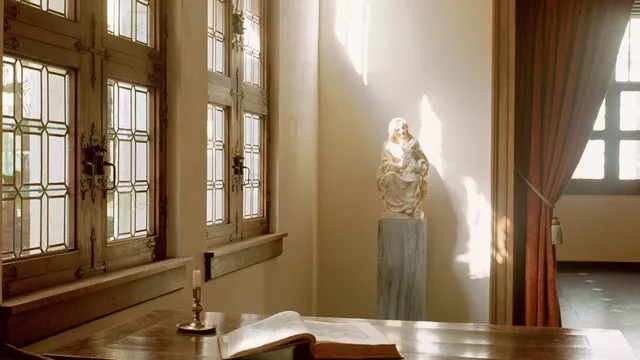
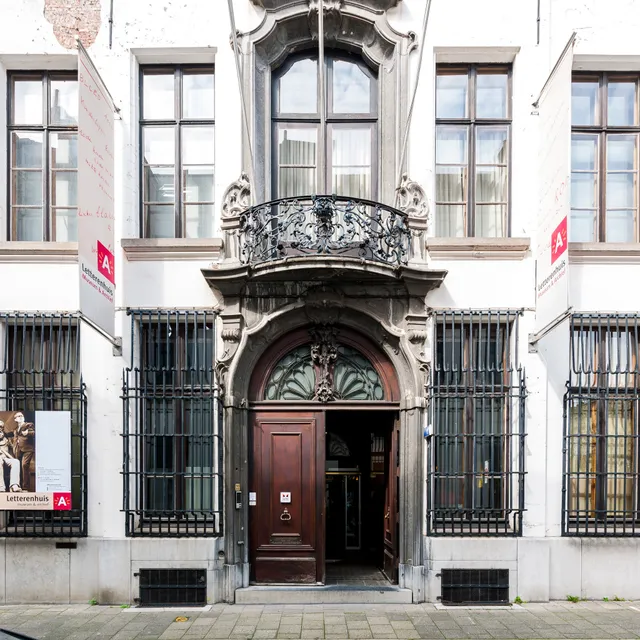
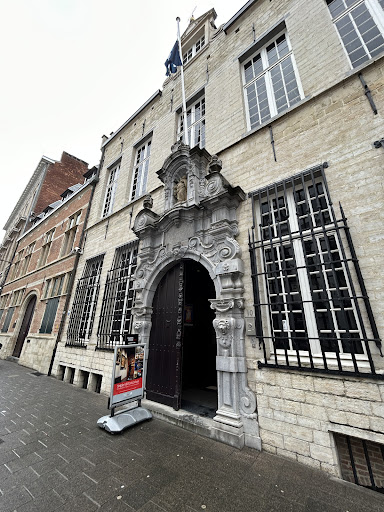
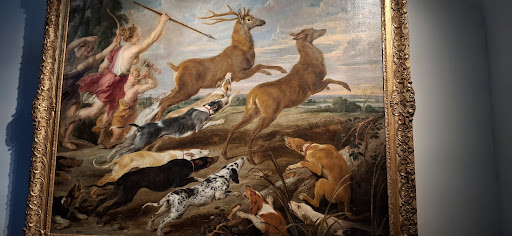
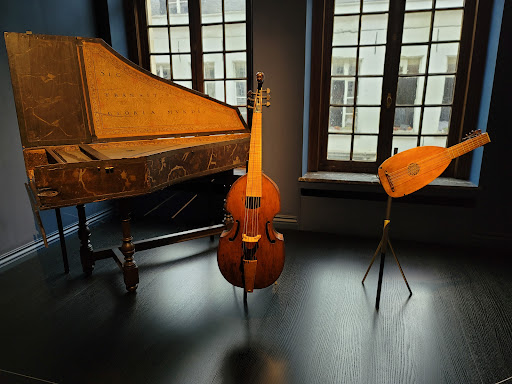
This museum is a wonderful gem! I was so impressed by how polished and unique the experience was. I found the whole experience to be very charming and interesting. My #1 recommendation would be to take the audio guide. The staff made it seem like it was a take it or leave it option that gave you more general information about the museum and its founders than any specific artifacts -which is true. That being said, I found the audio tour so charming. The audio is a mock guide made to mimic the owners of the house. Normally I find that type of guide to be annoying or inaccurate in some way but I thought it was very witty and well done. It seemed like the audio guide captured the personalities and relationships of the owners very well. I can see how it wouldn't be for everyone but I personally felt it made my experience really fun. Ticket price is very reasonable (esp for students) and the entire museum can be done in 45 mins to 1.5 hours. The house and its little courtyard are beautiful and and the museum gives you a sense of what Antwerp must have been like during the Seventeenth century. The paintings and artifacts are very interesting and worth seeing. The museum was not very crowded on the mid afternoon weekday that I visited. The coatroom lockers are free!! The staff is very pleasant and helpful. The front desk man/security gave me a very thorough guide on how to use the Ipad/navigate the museum. I also sneezed multiple times while working and security in each room always said bless you and were very friendly and helpful with directions. The museum does not have information plaques for the artifacts and uses Ipads instead. I was skeptical about this system when I was reading reviews as I thought it may be distracting but I was shocked by how much I enjoyed it and how easy the museum made it. They have by far the best museum exploration software i've ever seen -far better than any audio guide or tablet, I was very pleasantly surprised and impressed. The Ipad is set to camera and automatically recognizes when you are in a new room and begins the audio guide as you walk in. It also recognizes paintings when you hold the camera up to them and tells you their details and blurbs. Some of the bigger paintings even have analysis points drawn onto the canvas via the Ipad that you can click and learn more about. It is very intuitive. There are also some very well curated and designed interactive displays and activities. Some of the best I have ever done in any museum. The Bruegel display is especially fun. Highly highly educational and entertaining, I recommend it. The museum displays were well organized and curated, I truly was so impressed by how polished and well designed this smaller museum was. The room upstairs with the music is beautiful and very nice to see. There are not any extremely famous pieces but definitely dont let that deter you -this museum tells an excellent and interesting story that is worth a look. The audio guide and Ipad give more general Flemish art history background as well. There are a few Rubens, Jacob Jordaens and Van Dycks that are very cool and worth seeing. I really recommend this museum, definitely give it a look if you have some free time and want to learn more about seventeenth century Antwerp and its...
Read moreThe Snijders&Rockox House is an excellent museum. Art lovers, prioritise this over a visit to Antwerp's Royal Museum of Fine Arts. There are enough works by the old masters to warrant a visit. The museum is a beautiful conversion of two neighbouring houses that each belonged to important members of Antwerp's Baroque: Nicolaas Rockox (friend and patron of Peter Paul Rubens) and Frans Snyders (probably the second Flemish baroque painter after Rubens). Each visitor is given an iPad upon entry; this does not give the visitors any augmented reality as I had hoped, but it does provide some excellent extra information on each work. I feel I leaned a lot more at Rockhox House than I would at a regular art museum. I like that much of the integrity of the building is conserved, so its interior is something of a portal to the 17th century as well as an art museum. The information provided tells almost as much about life in Spanish Antwerp as it does fine art, and I found the experience rather immersive. Much of the museum is dedicated to the background and context of the Flemish baroque than it is to the artwork themselves. Check out the old musical instruments upstairs. There are lots of friendly staff around to answer your questions. They have a lot of passion for the work. Take some time to lounge in the lovely courtyard garden. Regular admissions tickets were 10 euros upon my last visit, which is little steep in my opinion, but all of Antwerp is expensive from an outsiders...
Read moreFrans Snijders (1579-1657) was een Antwerpse tekenaar en schilder. Hij heeft vooral naam gemaakt als stilleven- en dierenschilder tijdens de eerste helft van de 17de eeuw. Zijn scherpe oog, zijn kennis van de natuur en zijn originele composities vormden voor vele kunstenaars een inspiratiebron tot diep in de 19de eeuw. Hij huwde in 1611 met Margriete de Vos (?-1647), de zus van de dierenschilder Paul (1595-1678) en de portretschilder Cornelis de Vos (1584-1651). Vanaf 1622 woonden Frans en Margriete in de Keizerstraat. Ze kochten er de patriciërswoning De Fortuyne. Het echtpaar Snijders was er voor bijna twintig jaar het burenstel van Nicolaas Rockox.
Zijn loopbaan
Frans was een leerling van Hendrick van Balen I (1573-1632) en Pieter Brueghel II (1564-1638). Maar belangrijker voor Snijders was de ontmoeting met Jan Brueghel I (1568-1625), de broer van Pieter Brueghel II. Jan had veel meer dan zijn broer aandacht voor het detail, een talent dat ook Snijders bezat. Jan werd Frans’ mentor. Snijders was op zijn beurt de leermeester van Joannes Fijt (1611-1661). Frans werd in 1602 vrijmeester in het Antwerpse Sint-Lucasgilde. In 1628 werd hij aangesteld als deken van dat gilde. Snijders verbleef van 1608 tot 1609 in Italië waar hij in Rome en Milaan werkte. Hij vestigde zich daarna in Antwerpen waar hij zich ontpopte tot stilleven- en dierenschilder en meester van machtige jachttaferelen. In de jaren 1640 reisde hij meerdere malen naar de Noordelijke Nederlanden om er kunstwerken te maken.
Zijn kunst
frans snijders vismarkt antwerpen Vismarkt te Antwerpen Snijders spreidde in zijn schilderkunst een grote variatie tentoon en experimenteerde met nieuwe thema’s. Hij werkte marktstukken uit, gaf stillevens een barokke toets en schilderde opmerkelijke jachttaferelen vol dynamiek. Dieren, dood of levend, hij wist ze zeer realistisch te penselen. Maar ook de tactiliteit waarmee hij voorwerpen in zijn composities wist weer te geven, is frappant. De opbouw van zijn schilderijen is geometrisch en bewaakt het evenwicht tussen kleur en vormgeving. Snijders werd vaak gevraagd door andere kunstenaars om stillevens en dieren in hun werken te integreren. Zo werkte hij onder meer samen met Abraham Janssens (1567-1632), Cornelis de Vos (1584-1651), Jacques Jordaens I (1593-1678) en Peter Paul Rubens (1577-1640). Dat hij al snel succes kende en zijn verdere leven hoog op de sociale ladder stond, bewijst onder meer de aankoop van zijn woning in de Keizerstraat. Snijders was niet enkel een bekende in Antwerpen, maar eveneens een gevraagd schilder in Engeland. Ook de aartshertogen Albrecht en Isabella bezaten werk...
Read more