The Rubens House things to do, attractions, restaurants, events info and trip planning
Basic Info
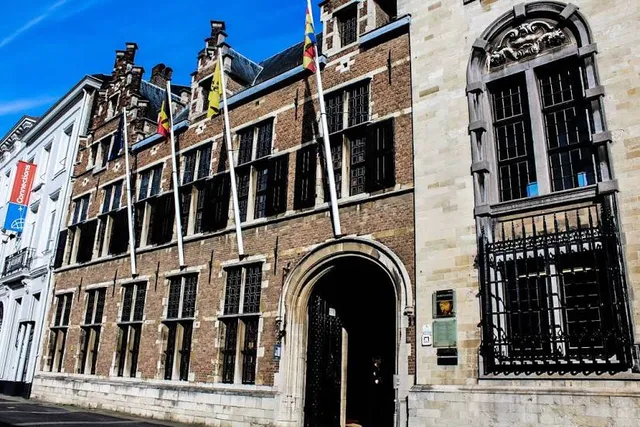
The Rubens House
Hopland 13, 2000 Antwerpen, Belgium
4.4(2.8K)
Open until 5:00 PM

tickets
Save
spot
spot
Ratings & Description
Info
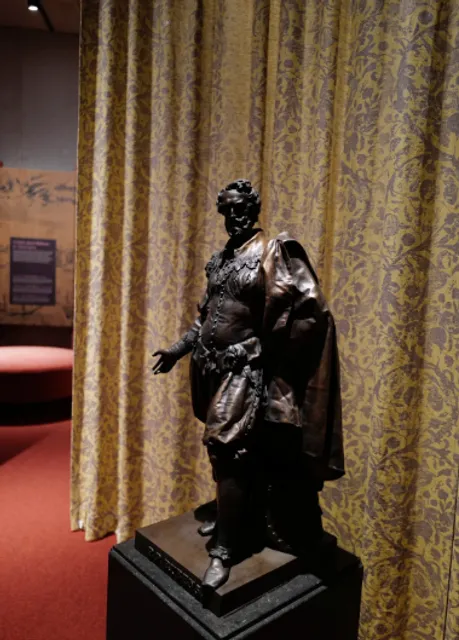
The Rubenshuis is the former home and workshop of Peter Paul Rubens in Antwerp. Purchased in 1610, Rubens had the Flemish townhouse renovated and extended on the basis of designs by Rubens himself.
Cultural
Accessibility
attractions: Paleis op de Meir (Koninklijk Paleis), Bourlaschouwburg, Plantentuin, Illusion Antwerpen (illusion Museum), Museum Mayer van den Bergh, Forwart Gallery Antwerpen, Opera Antwerpen, Stadspark, Statue David Teniers, Maagdenhuis, restaurants: Horta Grand Café & Art Nouveau Zaal, Oud Arsenaal, Bourla, WASBAR, V modern Italian Antwerp fashion, Balls & Glory, da Lory, ANTOON VAN DYCK BRASSERIE, Australian Home Made Ice Cream, Graanmarkt 13, local businesses: Action, Delhaize Hopland, Boekhandel De Slegte Antwerpen, Zara, Fnac, UNIQLO MEIR, Primark, Inno, Hema, Meir
 Learn more insights from Wanderboat AI.
Phone
+32 3 201 15 55
Website
rubenshuis.be
Open hoursSee all hours
Tue10 AM - 5 PMOpen
Plan your stay

Pet-friendly Hotels in Antwerp
Find a cozy hotel nearby and make it a full experience.

Affordable Hotels in Antwerp
Find a cozy hotel nearby and make it a full experience.

The Coolest Hotels You Haven't Heard Of (Yet)
Find a cozy hotel nearby and make it a full experience.

Trending Stays Worth the Hype in Antwerp
Find a cozy hotel nearby and make it a full experience.
Reviews
Live events

Titanic: Een Immersieve Reis
Tue, Feb 24 • 10:00 AM
Carnotstraat 90, Antwerpen, 2060
View details
Candlelight: Een tribute aan Beethoven
Fri, Feb 27 • 9:00 PM
Kammenstraat 81, Antwerpen, 2000
View details
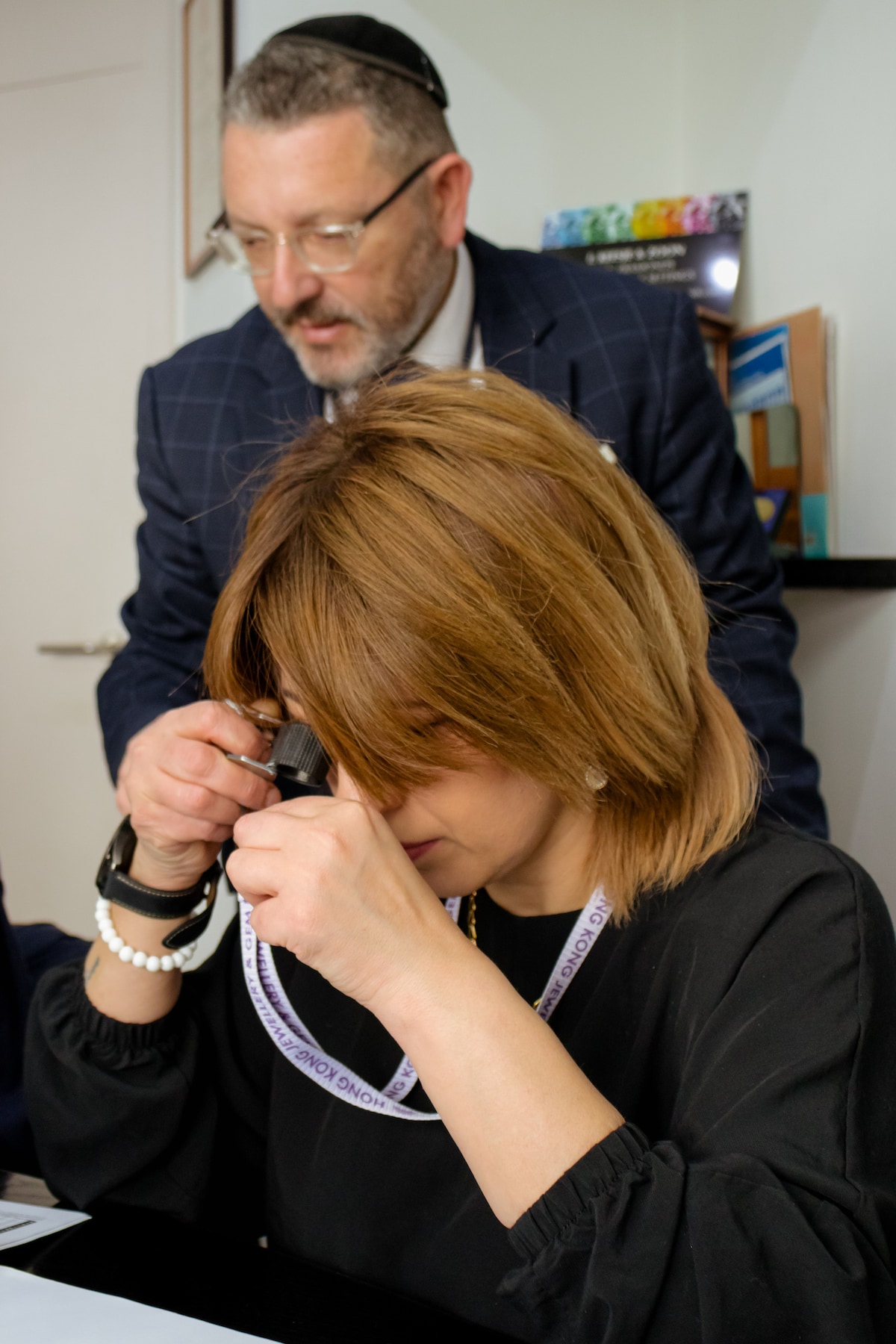
Discover the secrets of diamonds
Fri, Feb 27 • 1:00 PM
2018, Antwerp, Belgium
View details
Nearby attractions of The Rubens House
Paleis op de Meir (Koninklijk Paleis)
Bourlaschouwburg
Plantentuin
Illusion Antwerpen (illusion Museum)
Museum Mayer van den Bergh
Forwart Gallery Antwerpen
Opera Antwerpen
Stadspark
Statue David Teniers
Maagdenhuis
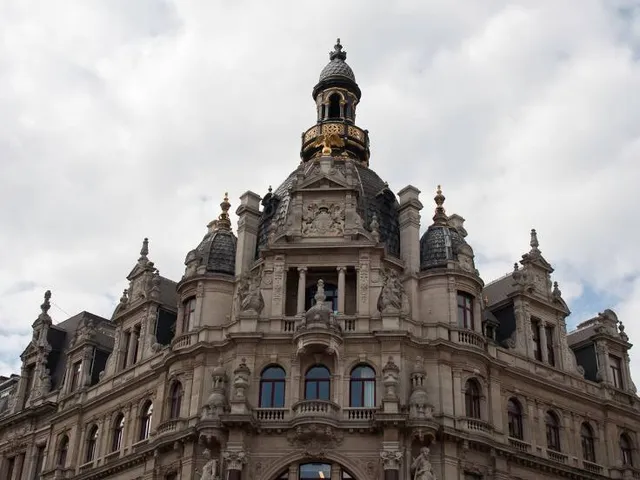
Paleis op de Meir (Koninklijk Paleis)
4.3
(358)
Open 24 hours
Click for details
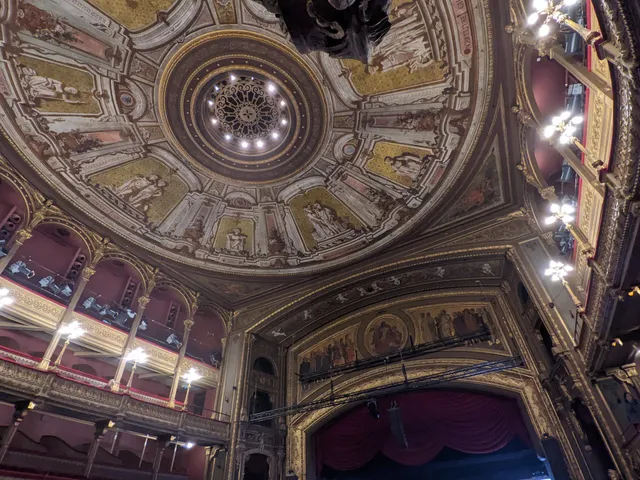
Bourlaschouwburg
4.4
(529)
Open 24 hours
Click for details
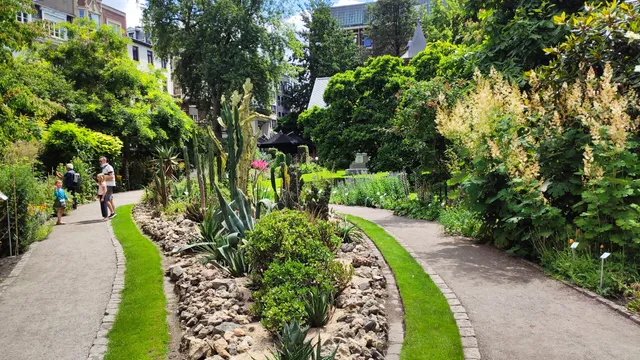
Plantentuin
4.4
(1.4K)
Open until 8:00 PM
Click for details
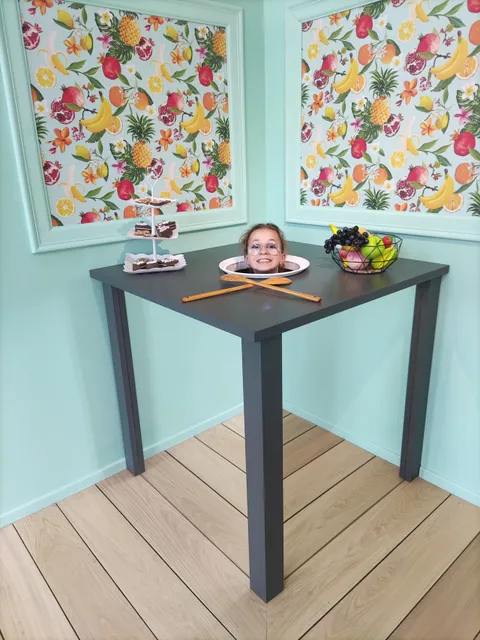
Illusion Antwerpen (illusion Museum)
4.8
(1.5K)
Open until 5:00 PM
Click for details
Nearby restaurants of The Rubens House
Horta Grand Café & Art Nouveau Zaal
Oud Arsenaal
Bourla
WASBAR
V modern Italian Antwerp fashion
Balls & Glory
da Lory
ANTOON VAN DYCK BRASSERIE
Australian Home Made Ice Cream
Graanmarkt 13
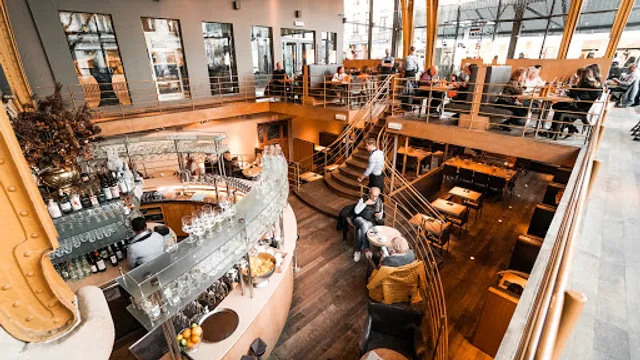
Horta Grand Café & Art Nouveau Zaal
4.1
(1.1K)
$$
Open until 10:00 PM
Click for details
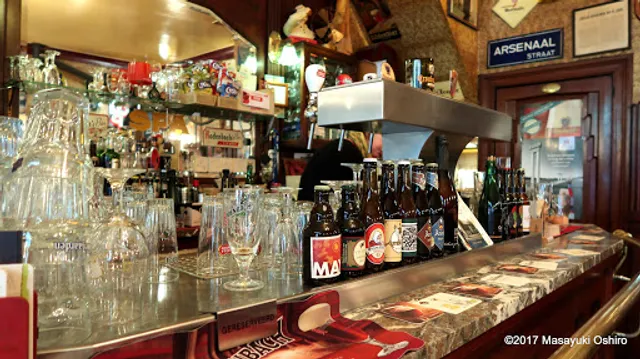
Oud Arsenaal
4.7
(401)
Open until 12:00 AM
Click for details
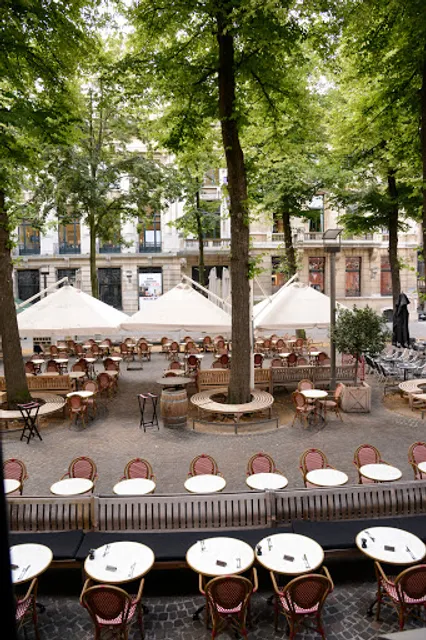
Bourla
4.3
(903)
$$
Closed
Click for details
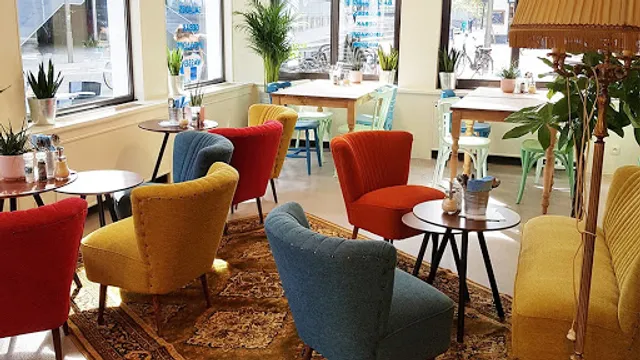
WASBAR
3.8
(962)
Open until 9:00 PM
Click for details
Nearby local services of The Rubens House
Action
Delhaize Hopland
Boekhandel De Slegte Antwerpen
Zara
Fnac
UNIQLO MEIR
Primark
Inno
Hema
Meir
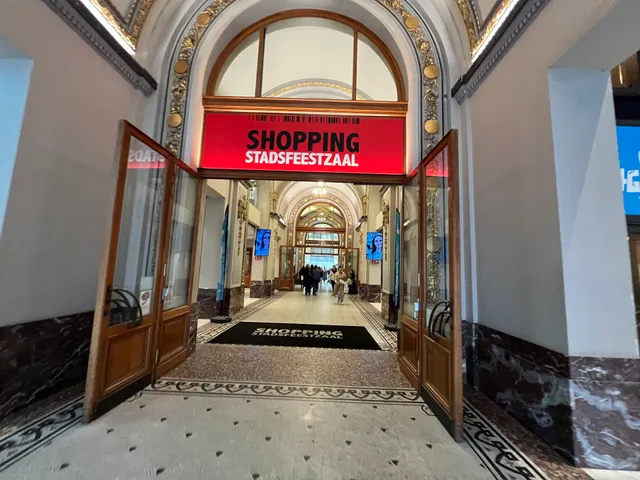
Action
3.9
(1.8K)
Click for details

Delhaize Hopland
4.0
(682)
Click for details
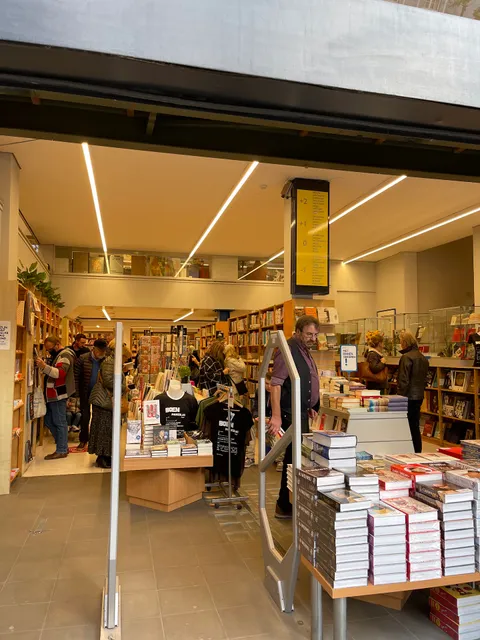
Boekhandel De Slegte Antwerpen
4.3
(608)
Click for details
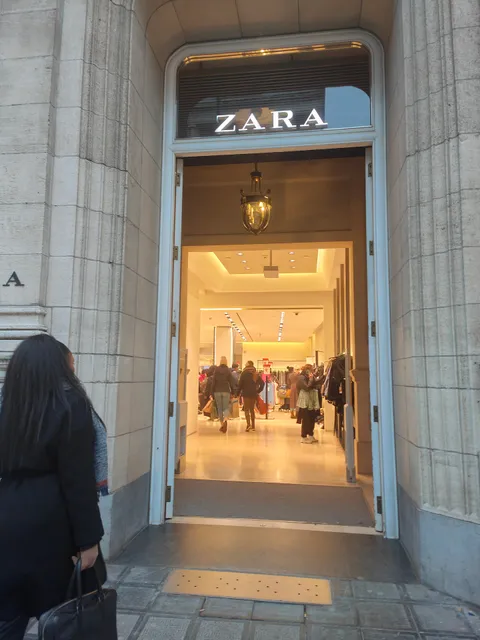
Zara
4.0
(1.1K)
Click for details