Hello guys, here are the history of this museum.
April 17, 1894: A group of visionaries forms the Art, Historical and Scientific Association.
November 1, 1894: The Governor-General officially opens the exhibition of pictures and curios on the upper floor of Alderman Dunn's building on Granville Street. A banner invites visitors to view "Paintings and Curios". The first recorded item contributed to the museum is a stuffed trumpeter swan. Donations to the museum are cosmopolitan and eclectic.
1903: Sara McLagan becomes Associations’ first female president. On August 26 of that year, the Association agrees to hand over its collection to the City of Vancouver.
1905: The City Museum and its collection move in to the Carnegie Library at Main and Hastings provided to the city by American philanthropist Andrew Carnegie. That year more than ten-thousand people sign the City Museum’s guest register.
1913 - 1958 image-asset.jpeg 1913: Pauline Johnson bequeathed her performance costume.
1914-1918: Despite the Great War, Canadian citizens continue to donate their treasures to the Vancouver Museum. Soon the City Museum is crammed from floor to ceiling.
1922: Dr. George Kidd donates the remains of a mummified child from a tomb in Luxor, Egypt to the museum.
1939–1945: Attendance at the Museum soars to new heights as Vancouver bustles with military people and workers in the war industries. As a wartime precaution, the most valuable of the Museum’s treasures are removed to an underground vault for safekeeping.
1958: The year raises fresh hopes for a new museum and library. The library relocates to a new complex at Robson and Burrard while the City Museum alone occupies all three floors of the Carnegie Building.
1967-1999
1967: The City announces that Vancouver will build a new museum as part of Canada's Centennial celebrations.
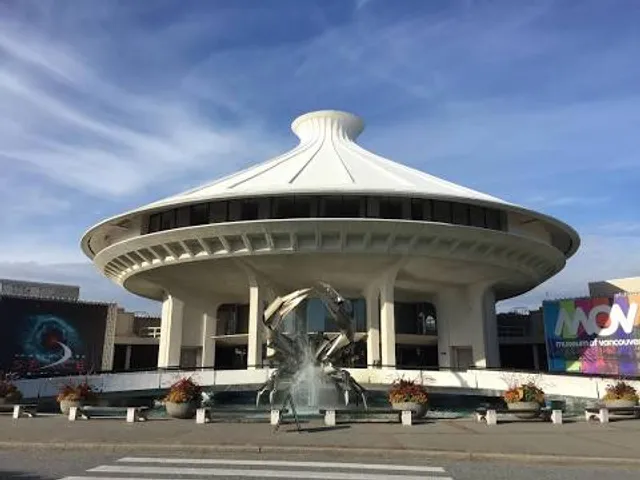
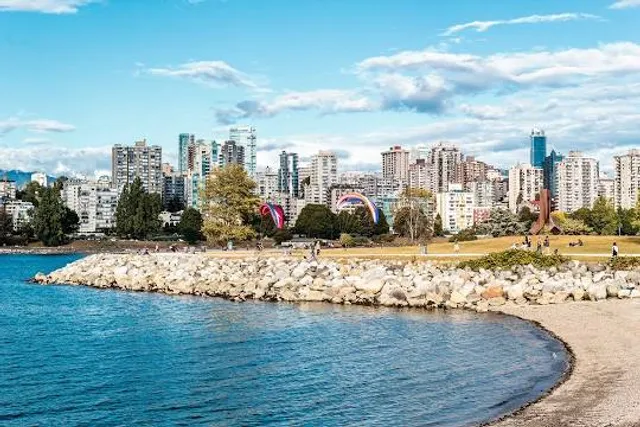
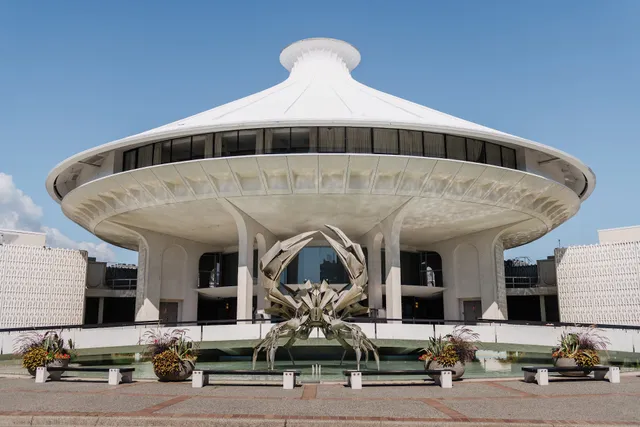
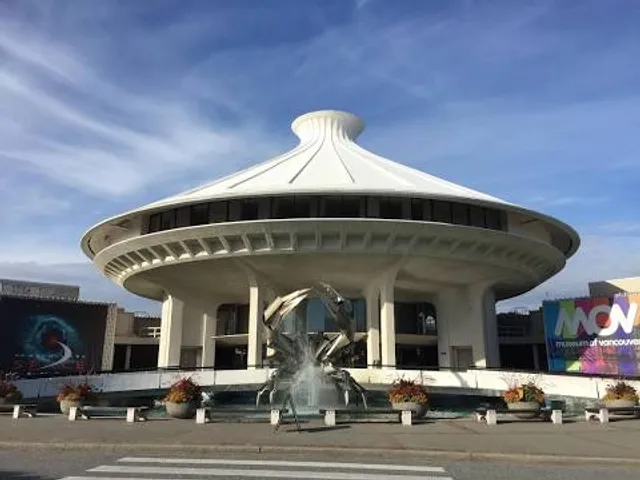
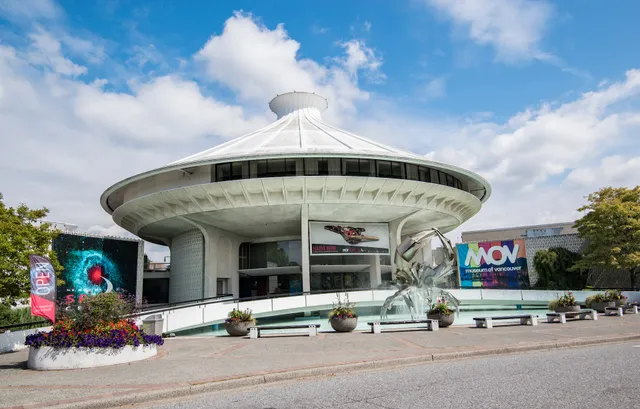
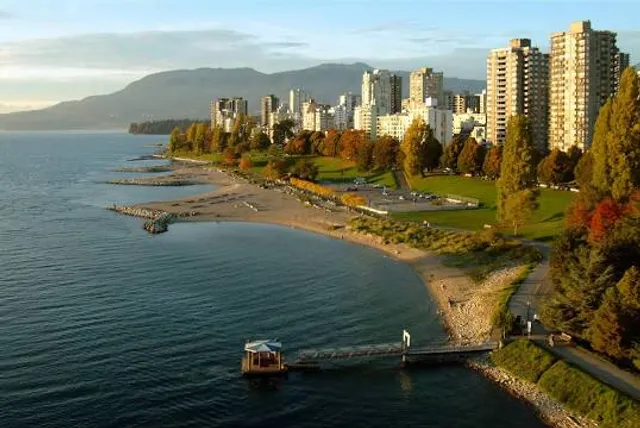
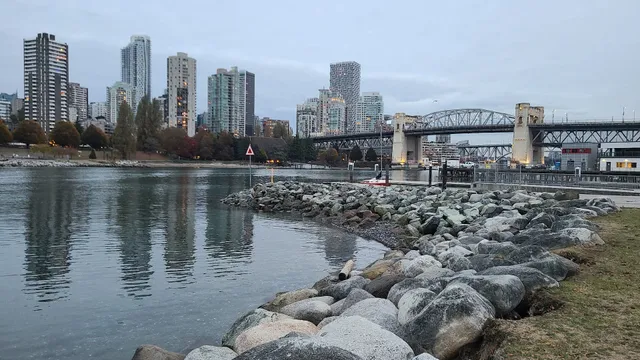
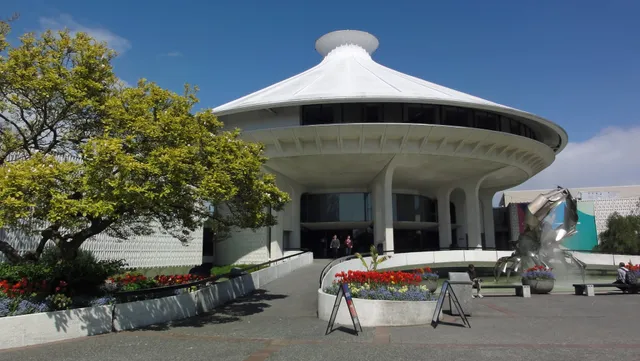
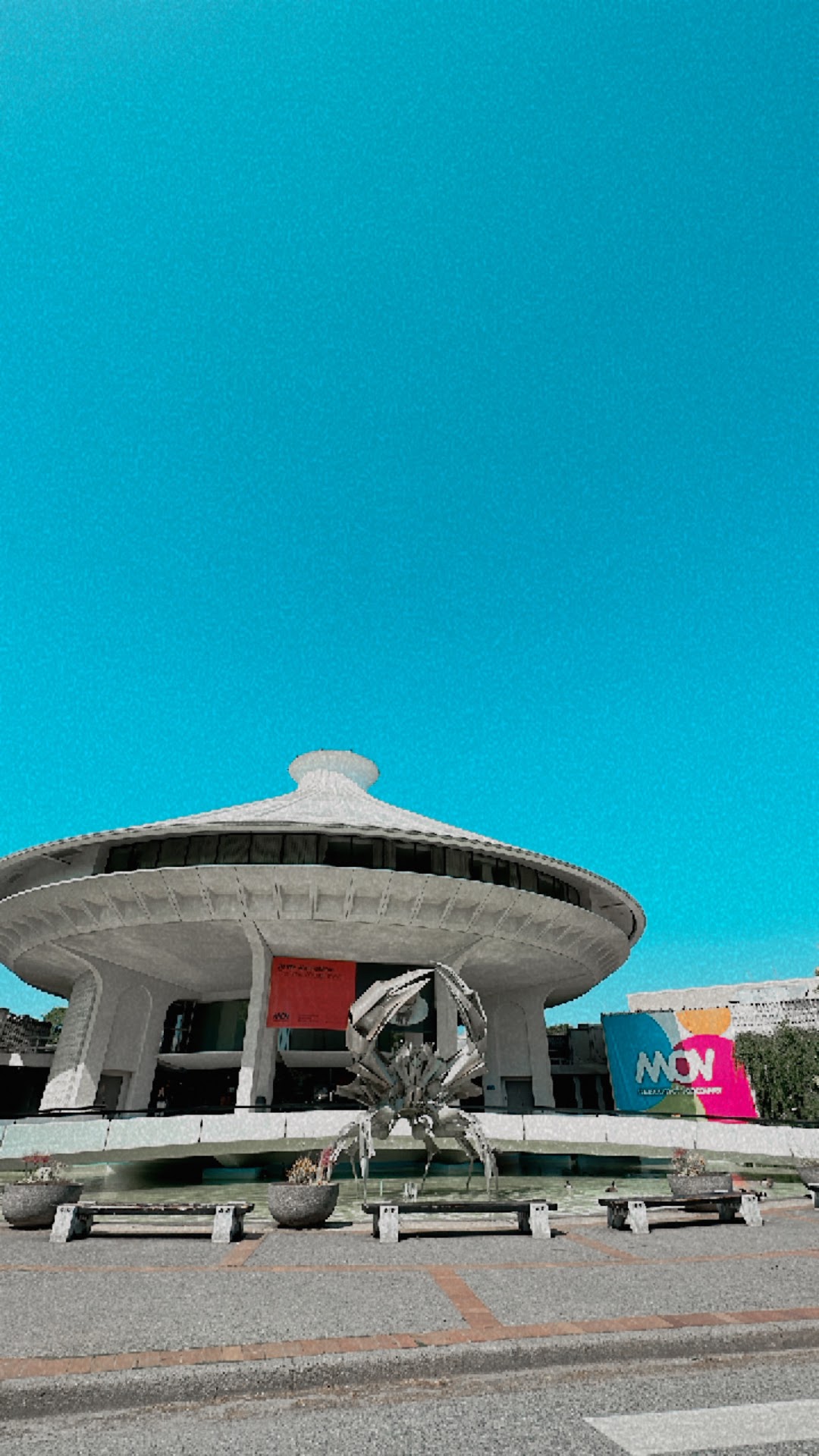
1968: The City Museum moves into its current landmark building on the south shore of False Creek (now known as Vanier Park) and becomes the Centennial Museum. Designed by the well-known architect Gerald Hamilton, the building is planned to house only the museum.
A generous gift by the late H.R. MacMillan allows the architect to incorporate a planetarium into the design. The distinctive dome atop the Museum, similar in shape to that of a woven basket hat made by Northwest Coast First Nations peoples, becomes one of the best-known landmarks on the city skyline.
1981: The Centennial Museum is re-named the Vancouver Museum. Permanent displays, exhibitions and educational programs are produced about the natural, cultural and human history of the Vancouver region. The new federal Canadian Cultural Property Act makes it possible to obtain rare and important treasures to add to the Museum's growing collection.
1992: The Museum hires its first university trained conservator to protect and preserve the City's collection.
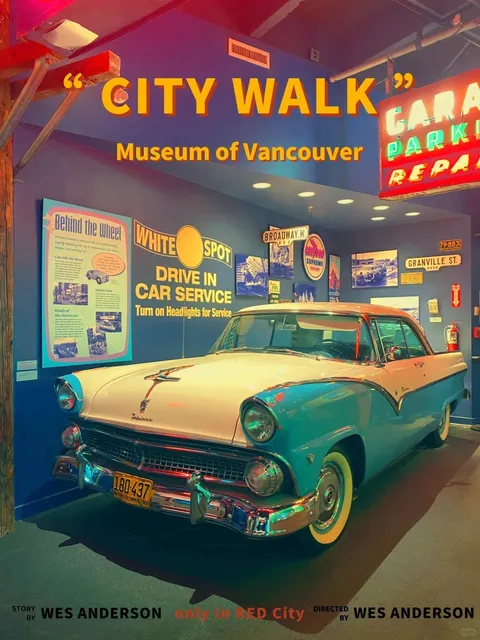
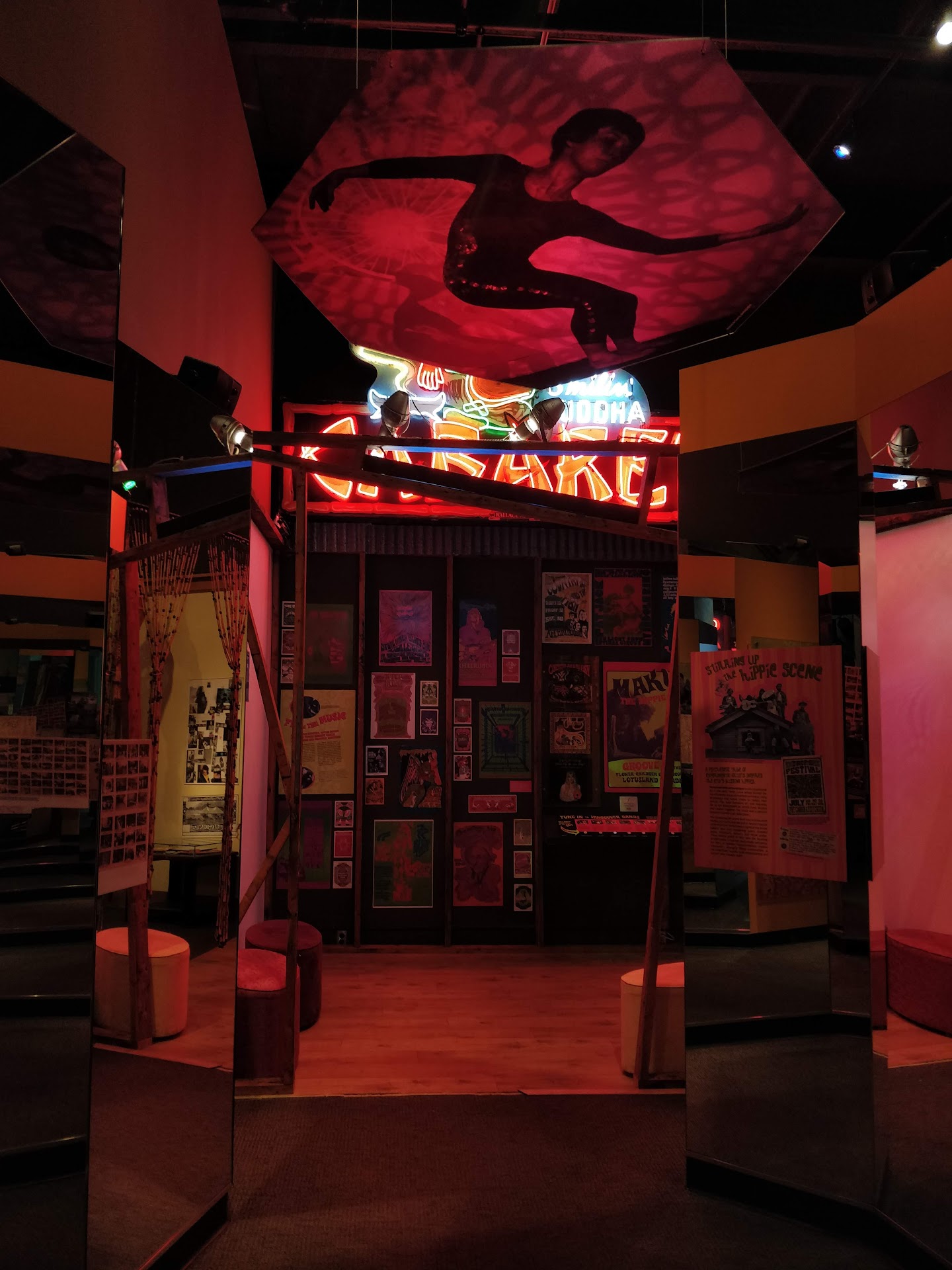
1999: The Museum’s neon collection is showcased in a landmark exhibit that spurs public interest in preserving and extending Vancouver’s neon heritage. 2002: A new wing, inspired by Joyce Walley and her work as an education volunteer and trustee of the Museum, is constructed connecting to the north side of the building. The Local History Lab and the Archaeology Education Centre make it possible to expand the Museum's school programs.
2002-2006: New interpretive exhibits about Vancouver from the 1900s to the 1970s are produced in consultation with community groups and individuals.
2008: The Museum announces the results of a major visioning project. The Museum will focus on the City of Vancouver, both as a physical reality and as an idea, using cross-disciplinary approaches and engaging the community in dialogue about contemporary issues.
2009: To reflect the new vision, the Museum changes its name to Museum of Vancouver. The MOV is launched with the opening of the exhibition, Velo-City: Vancouver and the Bicycle Revolution.
2010: The Museum of Vancouver wins the Canadian Museums Association (CMA) Award for Outstanding Achievement in Management for the Museum's...
Read moreI love the exhibits but I felt slighted by the staff. I am Indigenous, non-status, but still Indigenous and I asked about the discount because I’d heard there was one for Indigenous peoples. When I questioned about it I was asked if I had my status card, (which first of all is a problematic way of classifying Indigenous people’s) I said no, but explained where I was from and that my dad is a chief of a nearby nation. I was with my mom who’s father was status as well. The reason my mom doesn’t have her status is because her dad passed away without a will and a step sibling took all of his personal documents including his Indigenous identification card. She has been unable to apply despite trying. I don’t have my status because my great grandfather sold his family’s status during enfranchisement. He sold my grandmothers status illegally because she already lived away from home at the time. My grandmother is a residential school survivor. After the trauma she went through she did not want to fight to get her status back. It’s a very long and complicated history and I am as well as my siblings trying to get our status. The government does not make it easy. It is upsetting to be met with such doubt when explaining my lineage. For a museum with so much Indigenous presence you would think they would be more understanding to non status Indigenous individuals if they can claim where they are from. I understand there’s a concern people will try to take advantage of free admission, but there must be better systems in place to deal with these issues. I felt slighted and judged by the gaze of the person I was getting my ticket from. It doesn’t feel good especially because my family has had their fair...
Read moreThis is the first time I've written a quite negative review of a museum, but I really think it's justified: The Museum of Vancouver is a smallish museum charging a fairly hefty C$20 entry. While the aesthetics of the exhibits/thematic areas are generally very good, there is a severe lack of connection, context, narrative to link things into a cohesive story of the city. A paucity of maps, timelines, or continuation of themes. For instance, you have a section about Chinese immigration, then a separate one about Japanese immigration. It would be easy to miss the very different time periods involved. And then there's nothing about more recent immigration, even though that's a strong part of Vancouver's story. Maps are mostly lacking, with little clear sense of what/where/who/why Vancouver is what it is. Most displays feel like fun magazine pages with pop-out boxes for random pieces of information. Sure, this makes it visually entertaining, but I don't think most visitors have much chance of any serious understanding/learning. It just feels like a mishmash of random info in boxes thrown all over the walls. Even the opening exhibit relating to the indigenous identity of the area fails to create a strong story, with historical detail along the walls, often with smallish heavy text, while the open space is devoted to cultural artefacts, and then finally at the end of the space is a map. At the end! How can you understand a place if the physical environment isn't communicated...
Read more