St. Roch National Historic Site things to do, attractions, restaurants, events info and trip planning
Basic Info
St. Roch National Historic Site
1095 Ogden Ave, Vancouver, BC V6J 1A1, Canada
4.8(17)
Open until 12:00 AM
Save
spot
spot
Ratings & Description
Info
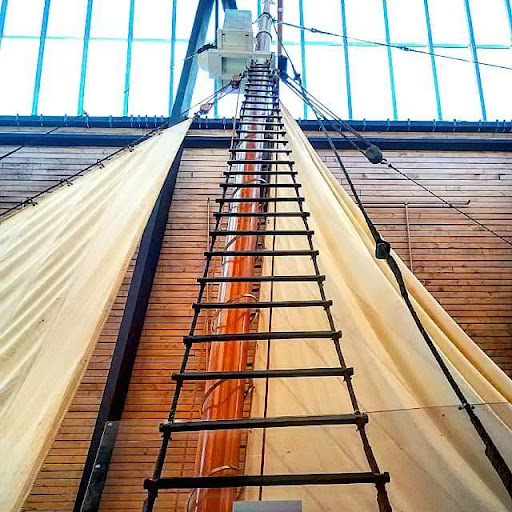
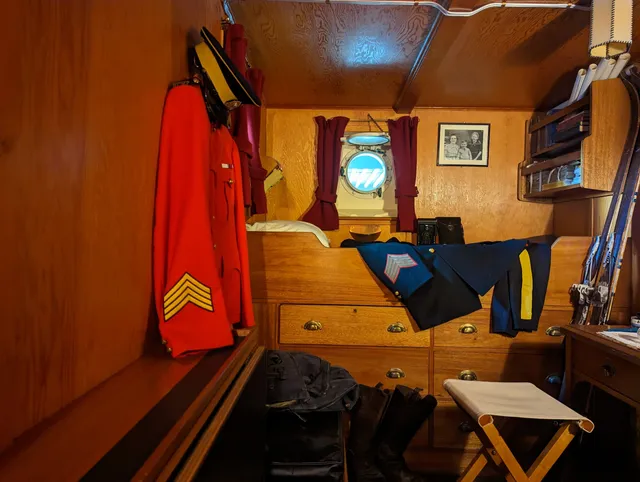
RCMPV St. Roch is a Royal Canadian Mounted Police schooner, the first ship to completely circumnavigate North America, and the second vessel to transit the Northwest Passage.
Cultural
Family friendly
Accessibility
attractions: Vancouver Maritime Museum, Hadden Park, Hadden Beach, Museum of Vancouver, Vanier Park, Vancouver Planetarium, H.R. MacMillan Space Centre, Kitsilano Beach, Kitsilano Beach Park, Sunset Beach, restaurants: Siegel's Bagels, Moltan, Corduroy Restaurant, Cockney Kings Fish & Chips, Albasha Express Shawarma & Falafel, Octopus' Garden Restaurant, Juliet's Cafe, Kits Beach Coffee, Charqui, Vera's Burger Shack Kitsilano, local businesses: Heritage Harbour, Maritime Museum, The Dome, Sunset Beach Park, Sunset Beach, Vanier Park Parking, lululemon Store Support Centre (SSC), Kitsilano Pool, Aquatic Centre Ferry Dock, LA Salon
 Learn more insights from Wanderboat AI.
Phone
+1 604-257-8300
Website
vanmaritime.com
Open hoursSee all hours
SatOpen 24 hoursOpen
Plan your stay

Pet-friendly Hotels in Vancouver
Find a cozy hotel nearby and make it a full experience.

Affordable Hotels in Vancouver
Find a cozy hotel nearby and make it a full experience.

The Coolest Hotels You Haven't Heard Of (Yet)
Find a cozy hotel nearby and make it a full experience.

Trending Stays Worth the Hype in Vancouver
Find a cozy hotel nearby and make it a full experience.
Reviews
Live events
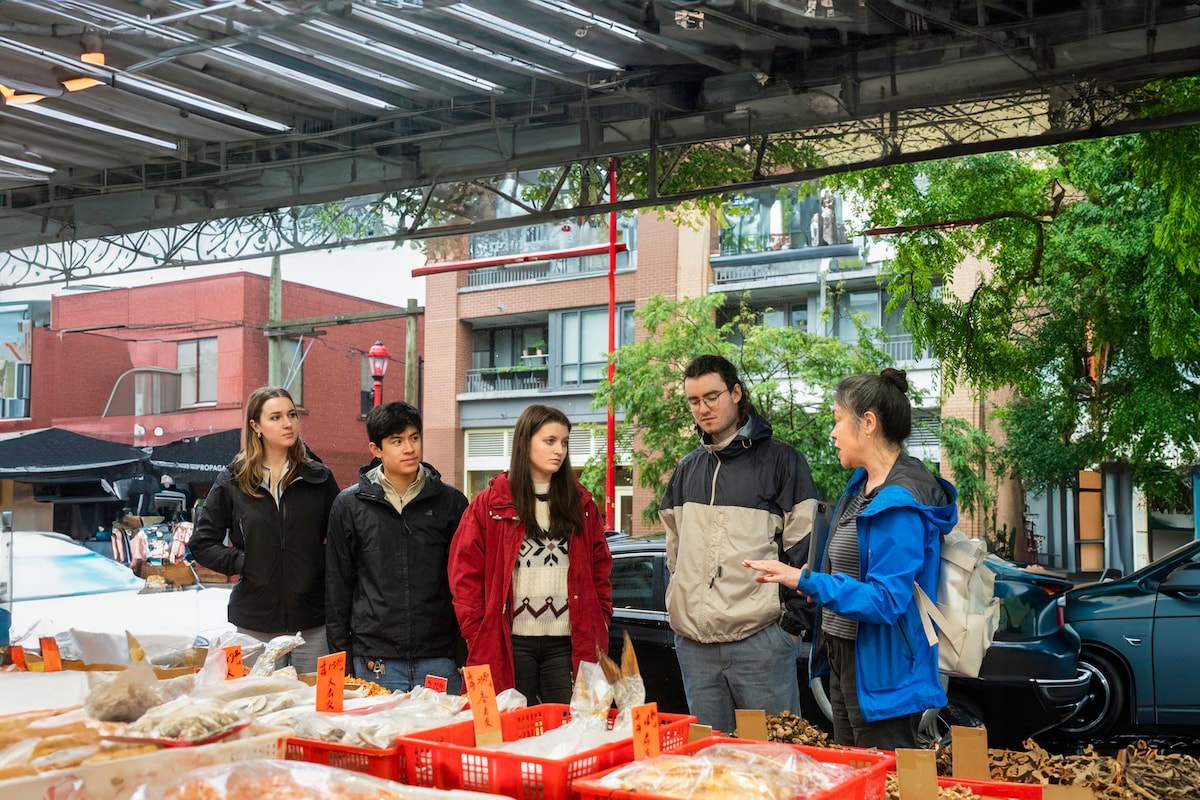
Explore Vancouvers Chinatown
Sat, Feb 7 • 10:00 AM
Vancouver, British Columbia, V6A 2T4, Canada
View details
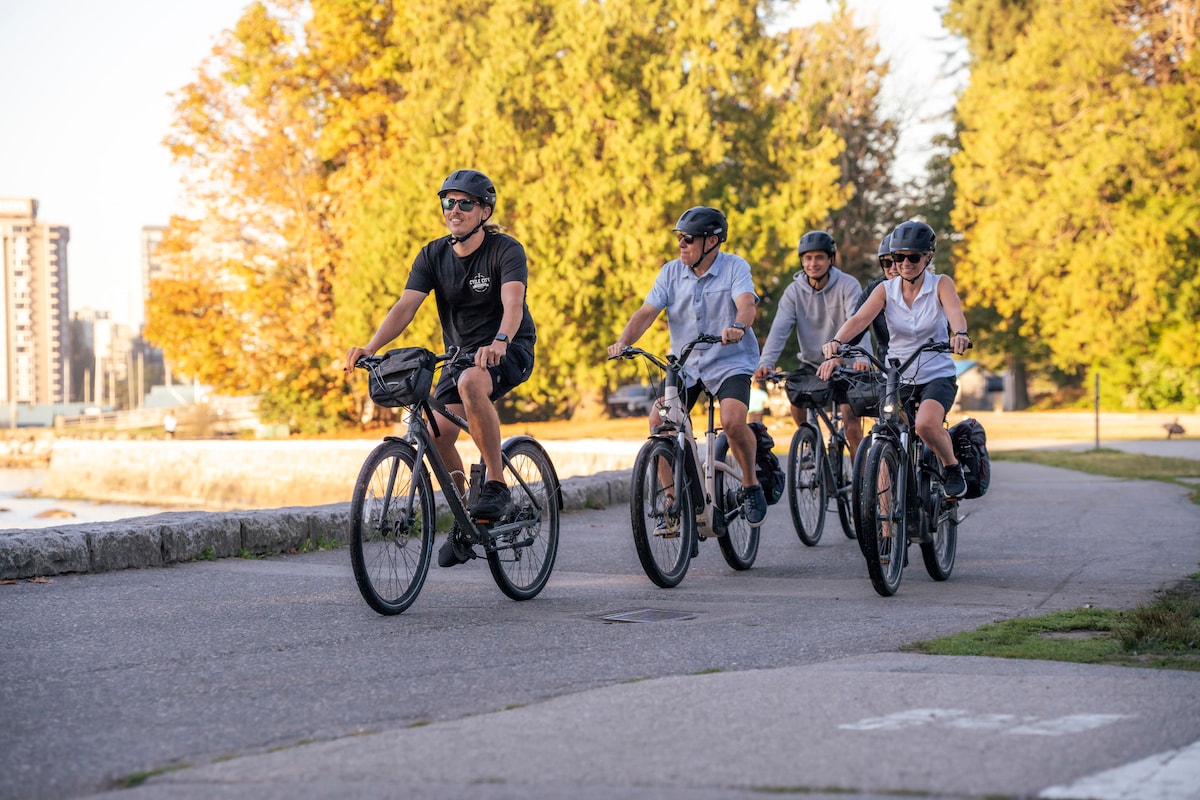
The Grand Bike Tour- Vancouver Encompassed
Sat, Feb 7 • 10:00 AM
Vancouver, British Columbia, V6C 3E8, Canada
View details
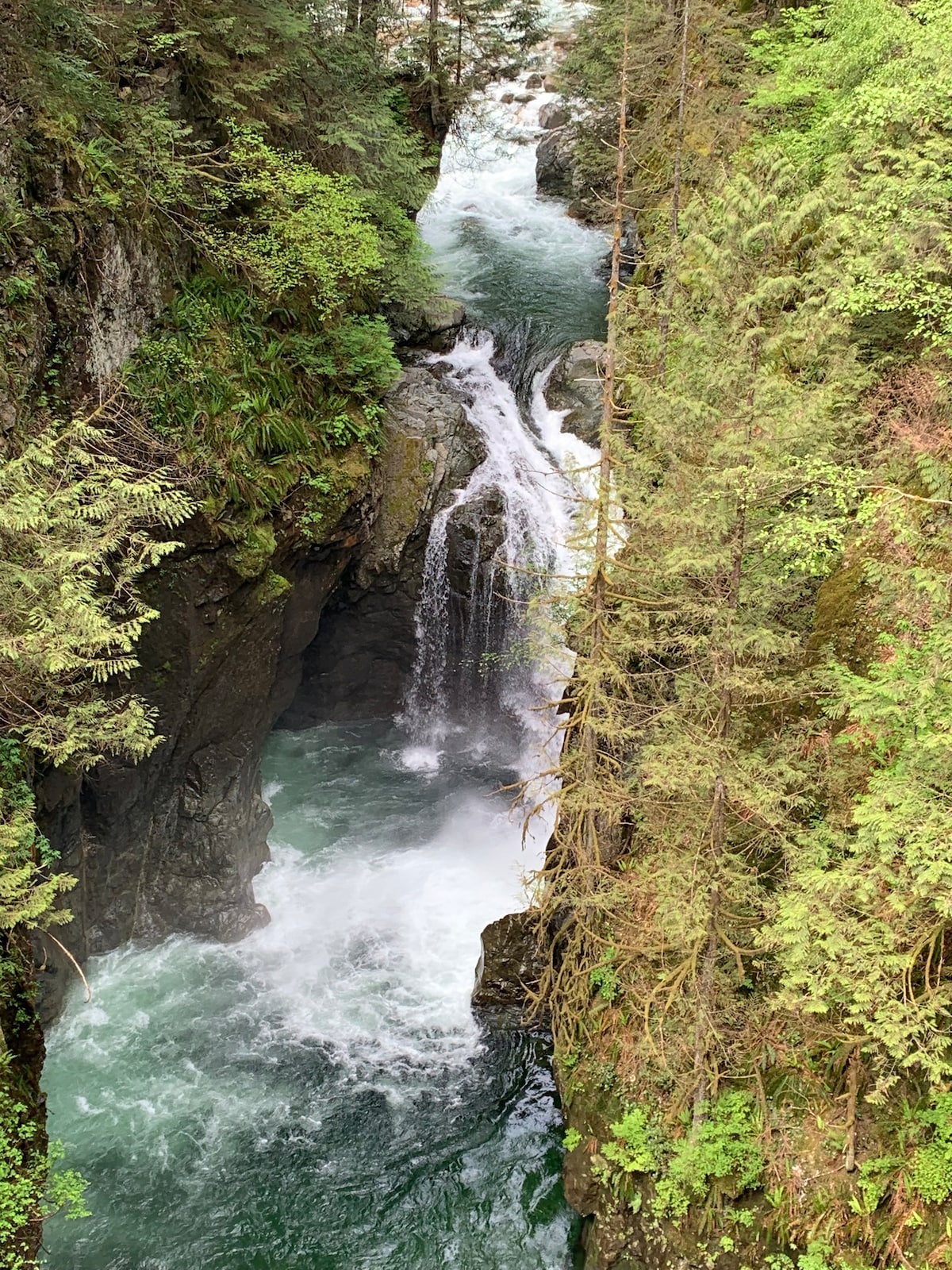
Hike the Vancouver rainforest with waterfalls
Sat, Feb 7 • 8:30 AM
Vancouver, British Columbia, V6R 2M9, Canada
View details
Nearby attractions of St. Roch National Historic Site
Vancouver Maritime Museum
Hadden Park
Hadden Beach
Museum of Vancouver
Vanier Park
Vancouver Planetarium
H.R. MacMillan Space Centre
Kitsilano Beach
Kitsilano Beach Park
Sunset Beach
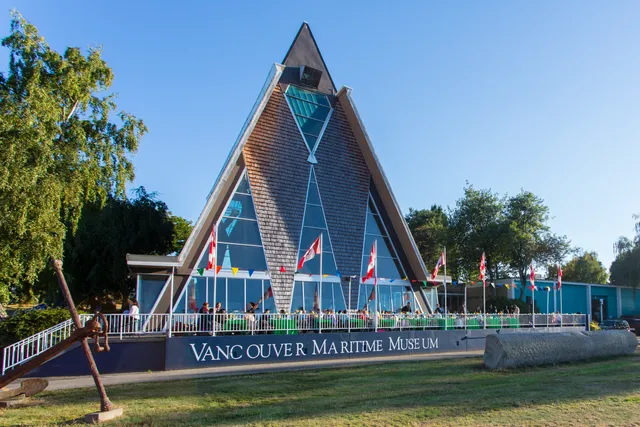
Vancouver Maritime Museum
4.4
(242)
Open until 5:00 PM
Click for details
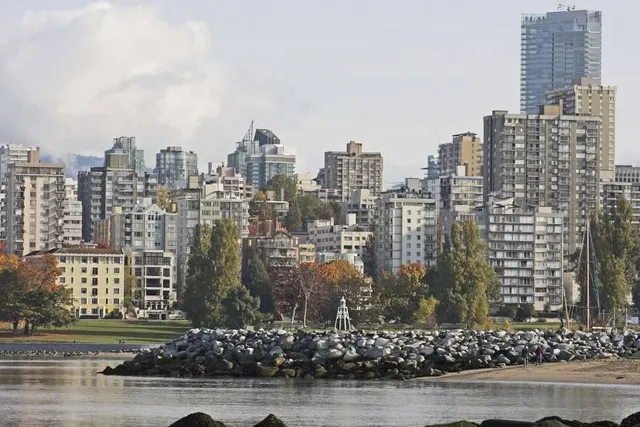
Hadden Park
4.6
(330)
Open until 10:00 PM
Click for details
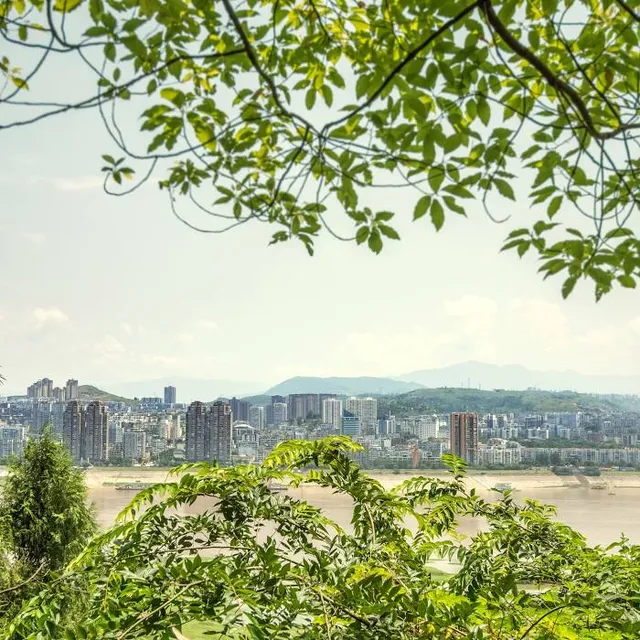
Hadden Beach
4.7
(327)
Open until 10:00 PM
Click for details
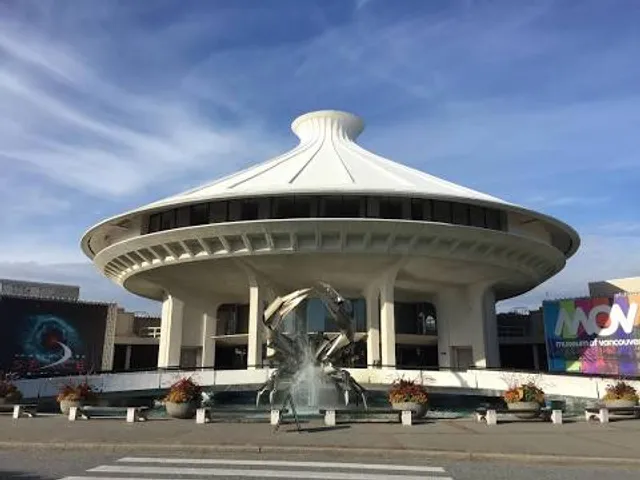
Museum of Vancouver
4.3
(912)
Open until 8:00 PM
Click for details
Nearby restaurants of St. Roch National Historic Site
Siegel's Bagels
Moltan
Corduroy Restaurant
Cockney Kings Fish & Chips
Albasha Express Shawarma & Falafel
Octopus' Garden Restaurant
Juliet's Cafe
Kits Beach Coffee
Charqui
Vera's Burger Shack Kitsilano
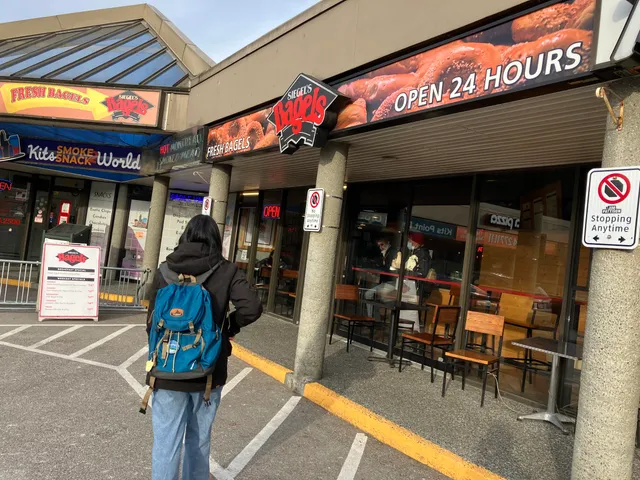
Siegel's Bagels
4.5
(1.2K)
Open until 12:00 AM
Click for details
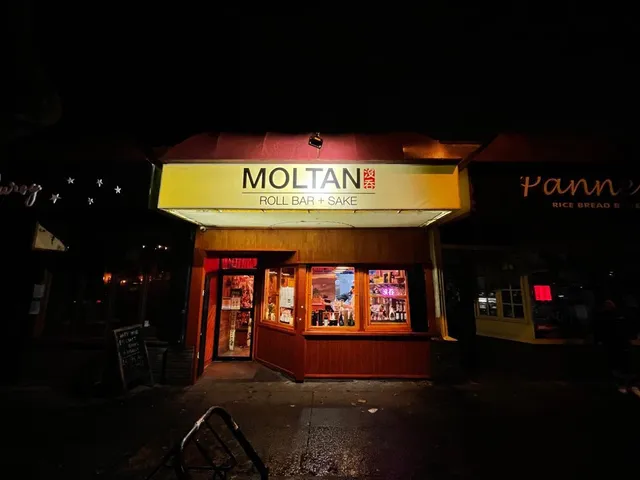
Moltan
4.3
(423)
Open until 10:30 PM
Click for details
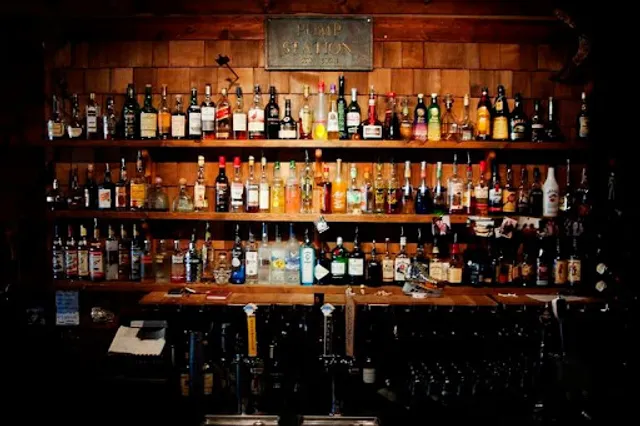
Corduroy Restaurant
4.0
(495)
Click for details
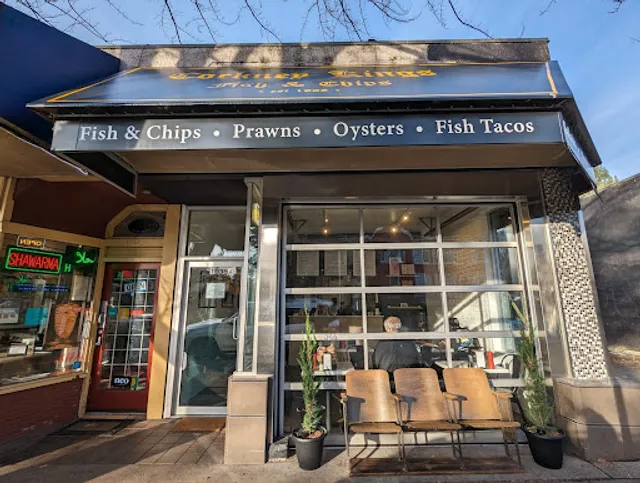
Cockney Kings Fish & Chips
4.8
(351)
Open until 9:00 PM
Click for details
Nearby local services of St. Roch National Historic Site
Heritage Harbour
Maritime Museum
The Dome
Sunset Beach Park
Sunset Beach
Vanier Park Parking
lululemon Store Support Centre (SSC)
Kitsilano Pool
Aquatic Centre Ferry Dock
LA Salon
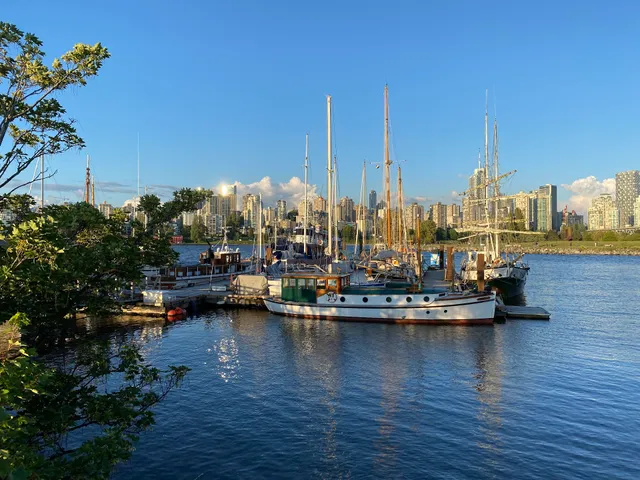
Heritage Harbour
4.8
(8)
Click for details
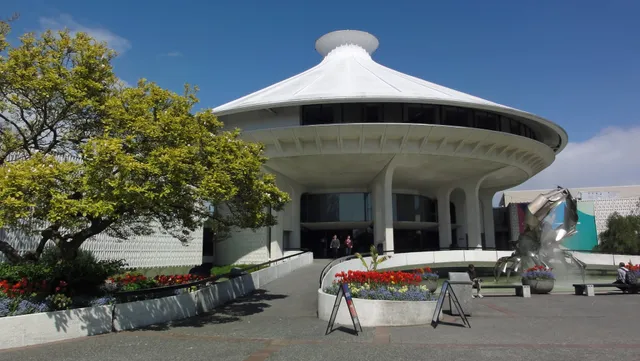
Maritime Museum
4.6
(24)
Click for details
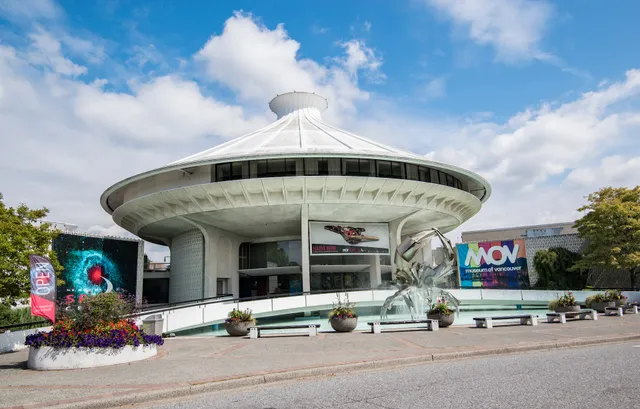
The Dome
4.2
(98)
Click for details
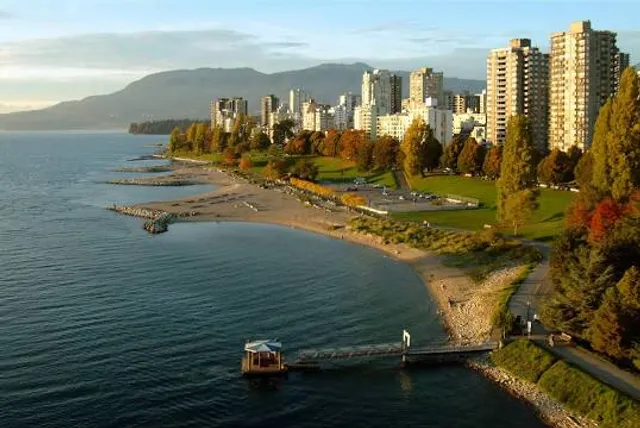
Sunset Beach Park
4.7
(3.8K)
Click for details