Beijing Temple of Confucius things to do, attractions, restaurants, events info and trip planning
Basic Info
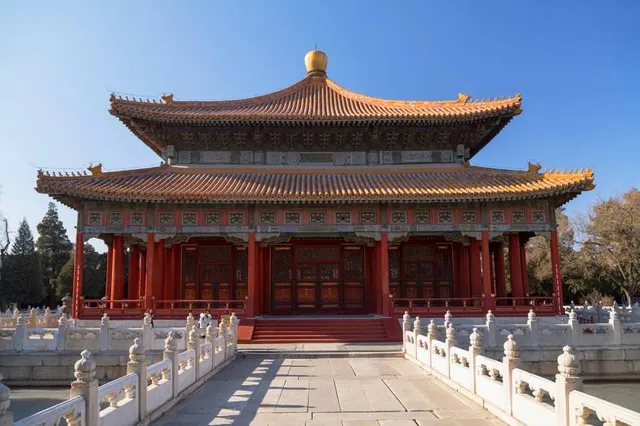
Beijing Temple of Confucius
15 Guozijian St, 国子监 Dongcheng, Beijing, China, 100011
4.5(212)$$$$
Open 24 hours


tickets
Save
spot
spot
Ratings & Description
Info
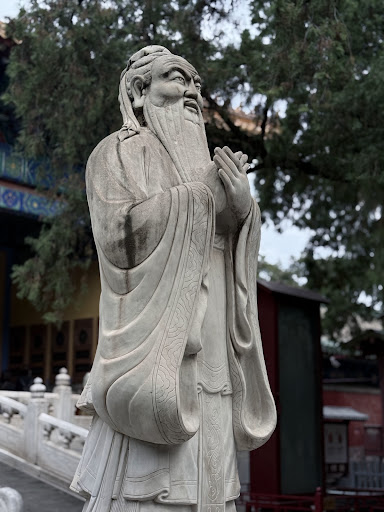
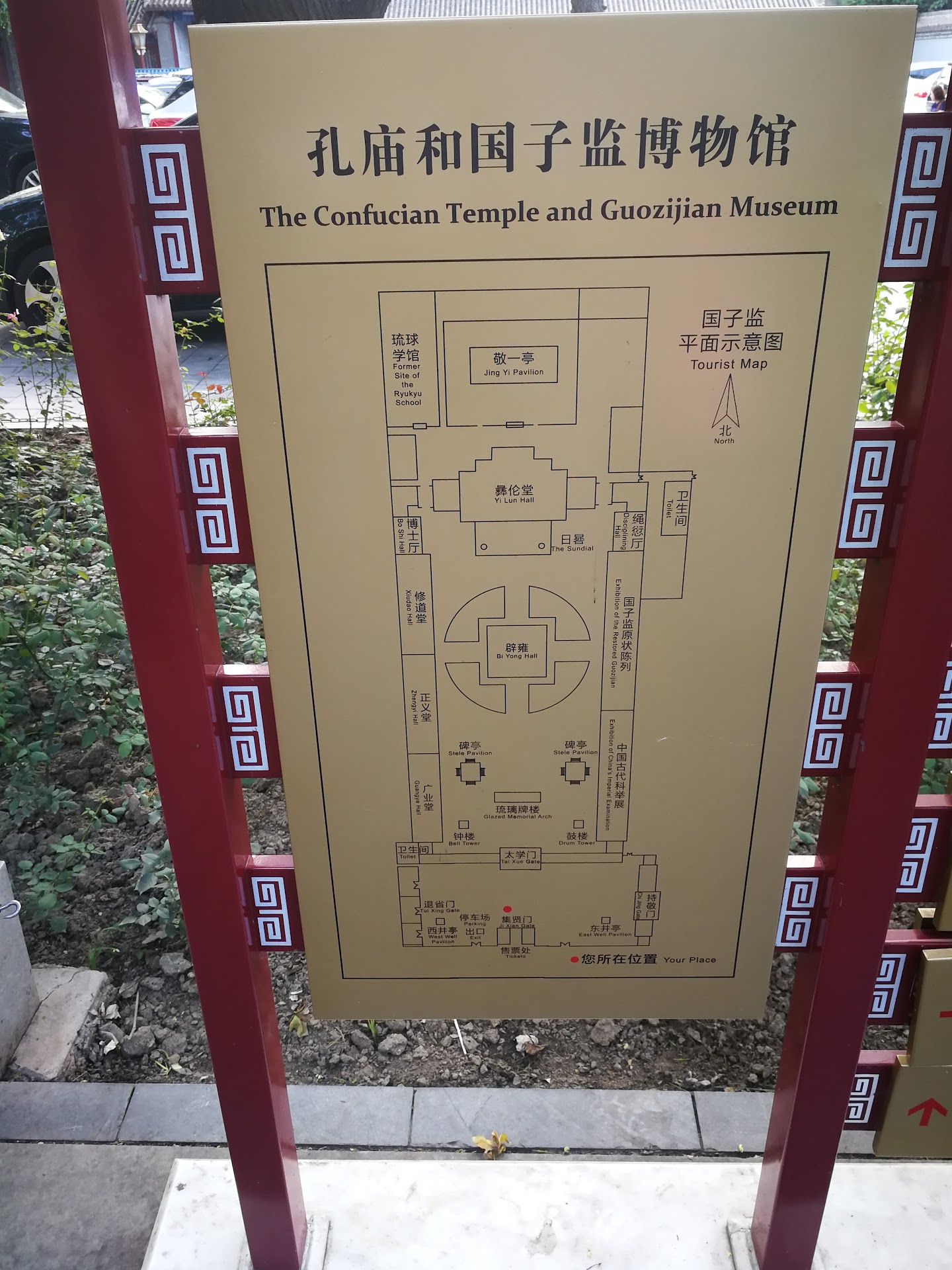
Beijing Temple of Confucius is the second-largest Confucian temple in China, after the one in Confucius's hometown of Qufu.
Cultural
Scenic
Family friendly
Accessibility
attractions: 北京国子监, Lama Temple, Confucius Temple and The Imperial College Museum, 地坛公园, Ditan Park (West Gate), restaurants: King's Joy, 吃素的, School, Chawei Tea House (The Lama Temple Branch), 葡萄院儿, Chabozhai, 雍Cafe, Barista Coffee Roasters, The V, Hanlin Academy, local businesses: Yuangu Head Store, Chengxian Street, Dongtu Theatre
 Learn more insights from Wanderboat AI.
Phone
+86 10 8402 7224
Website
kmgzj.com
Plan your stay

Pet-friendly Hotels in Beijing
Find a cozy hotel nearby and make it a full experience.

Affordable Hotels in Beijing
Find a cozy hotel nearby and make it a full experience.

The Coolest Hotels You Haven't Heard Of (Yet)
Find a cozy hotel nearby and make it a full experience.

Trending Stays Worth the Hype in Beijing
Find a cozy hotel nearby and make it a full experience.
Reviews
Live events

AI Tech & Startup Night — Beijing
Wed, Feb 25 • 11:00 AM
Dongsi 2nd Alley Community Residents' Committee, 460 Dong Si Bei Da Jie, Dong Cheng Qu, Bei Jing Shi, China, 100009
View details

OpenClaw 北京 Developer Night
Thu, Feb 26 • 10:00 AM
Wudaokou, Haidian District, Beijing, China
View details
Nearby attractions of Beijing Temple of Confucius
北京国子监
Lama Temple
Confucius Temple and The Imperial College Museum
地坛公园
Ditan Park (West Gate)
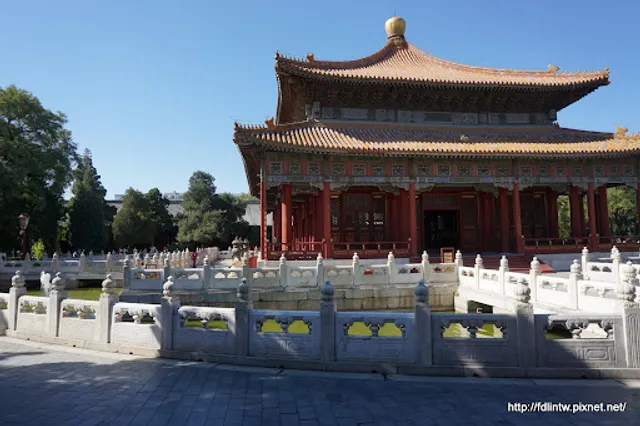
北京国子监
4.5
(234)
Open 24 hours
Click for details
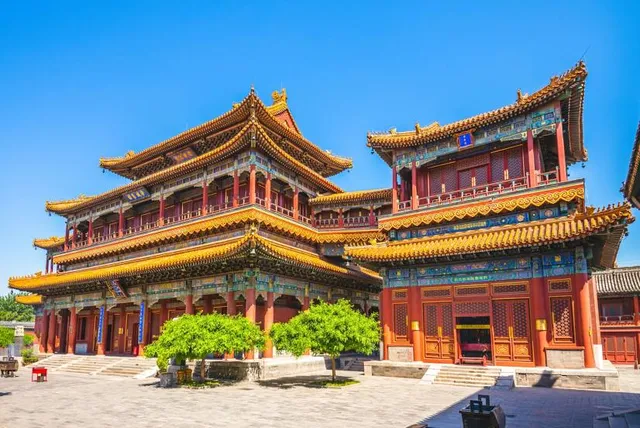
Lama Temple
4.7
(517)
Open until 5:00 PM
Click for details
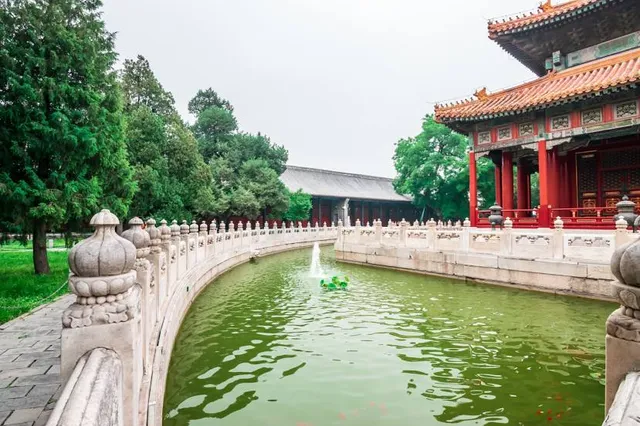
Confucius Temple and The Imperial College Museum
4.6
(33)
Open 24 hours
Click for details
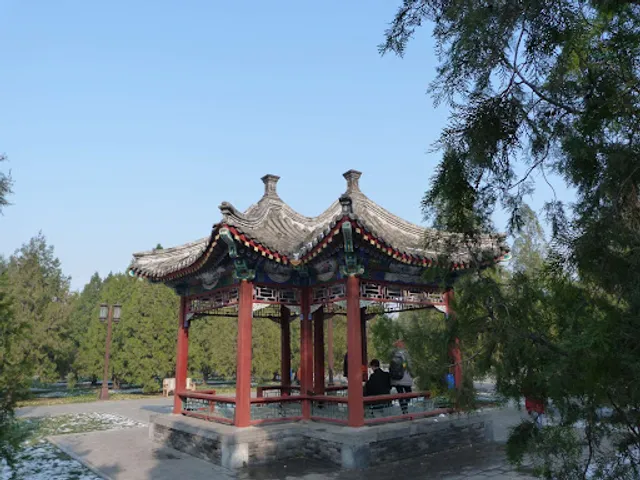
地坛公园
4.3
(80)
Open until 9:30 PM
Click for details
Nearby restaurants of Beijing Temple of Confucius
King's Joy
吃素的
School
Chawei Tea House (The Lama Temple Branch)
葡萄院儿
Chabozhai
雍Cafe
Barista Coffee Roasters
The V
Hanlin Academy
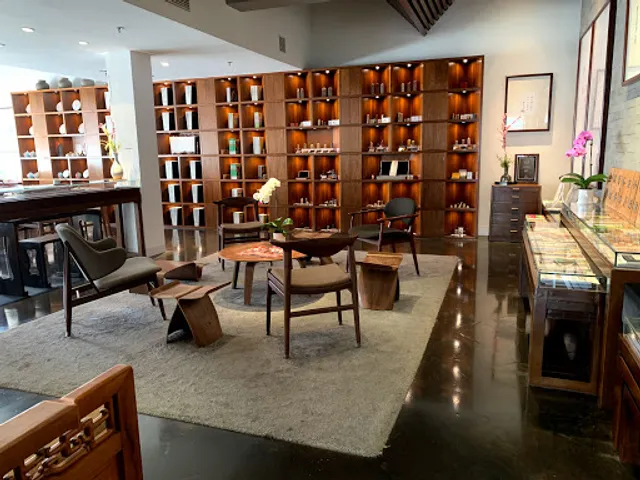
King's Joy
4.4
(95)
$$$$
Open until 10:00 PM
Click for details
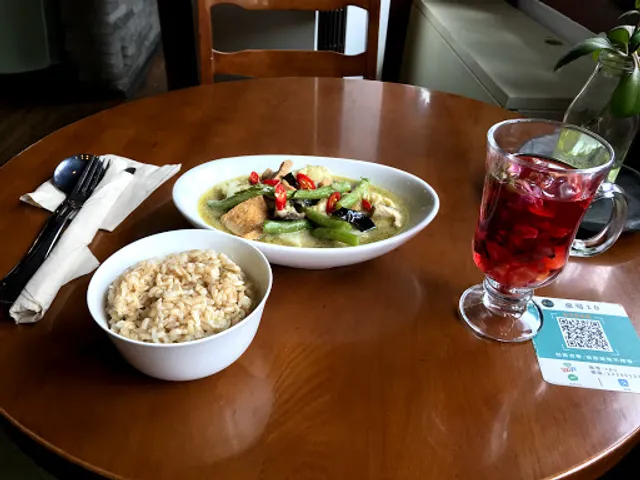
吃素的
4.1
(26)
Open until 9:30 PM
Click for details
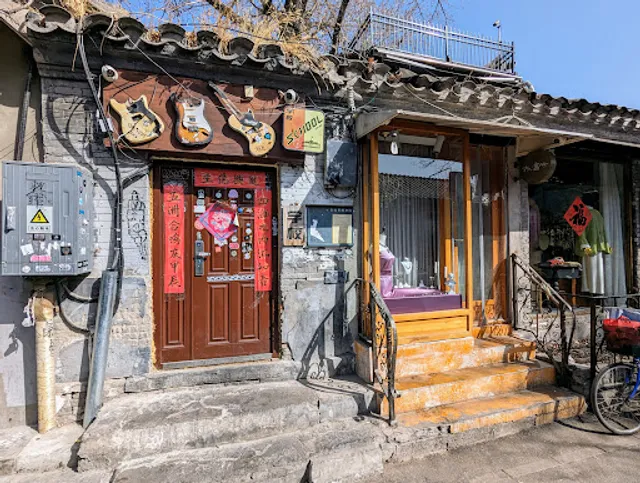
School
4.5
(21)
Click for details
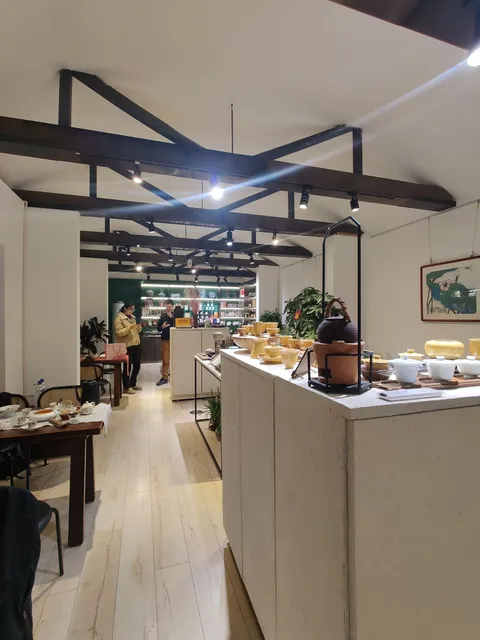
Chawei Tea House (The Lama Temple Branch)
4.2
(4)
Click for details
Nearby local services of Beijing Temple of Confucius
Yuangu Head Store
Chengxian Street
Dongtu Theatre
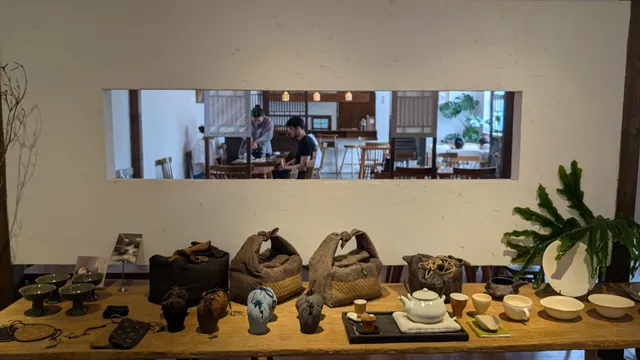
Yuangu Head Store
5.0
(11)
Click for details
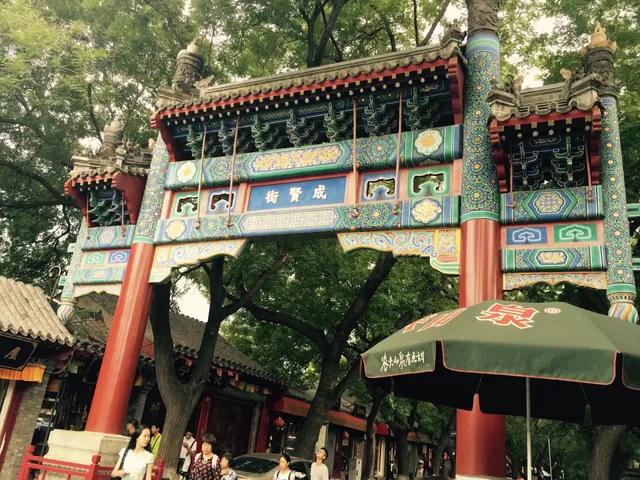
Chengxian Street
4.5
(8)
Click for details
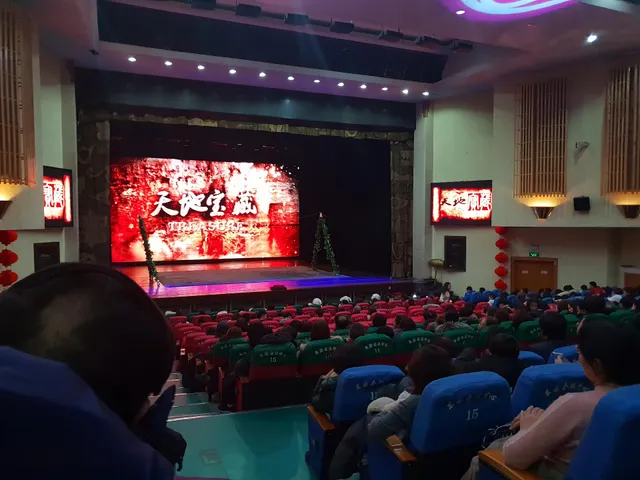
Dongtu Theatre
4.1
(17)
Click for details