HTML SitemapExplore
logo
Find Things to DoFind The Best Restaurants

Lama Temple — Attraction in Beijing

Name
Lama Temple
Description
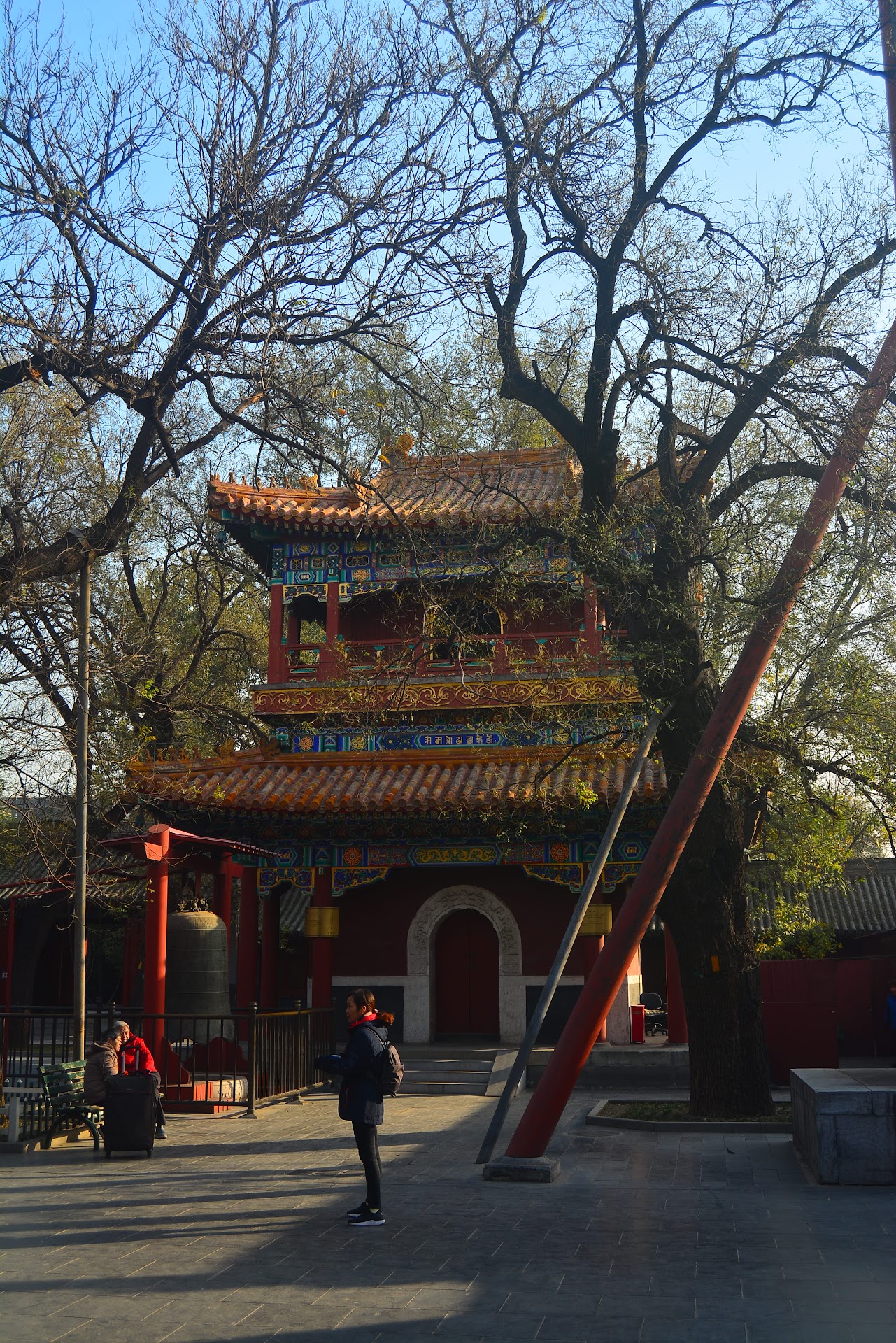
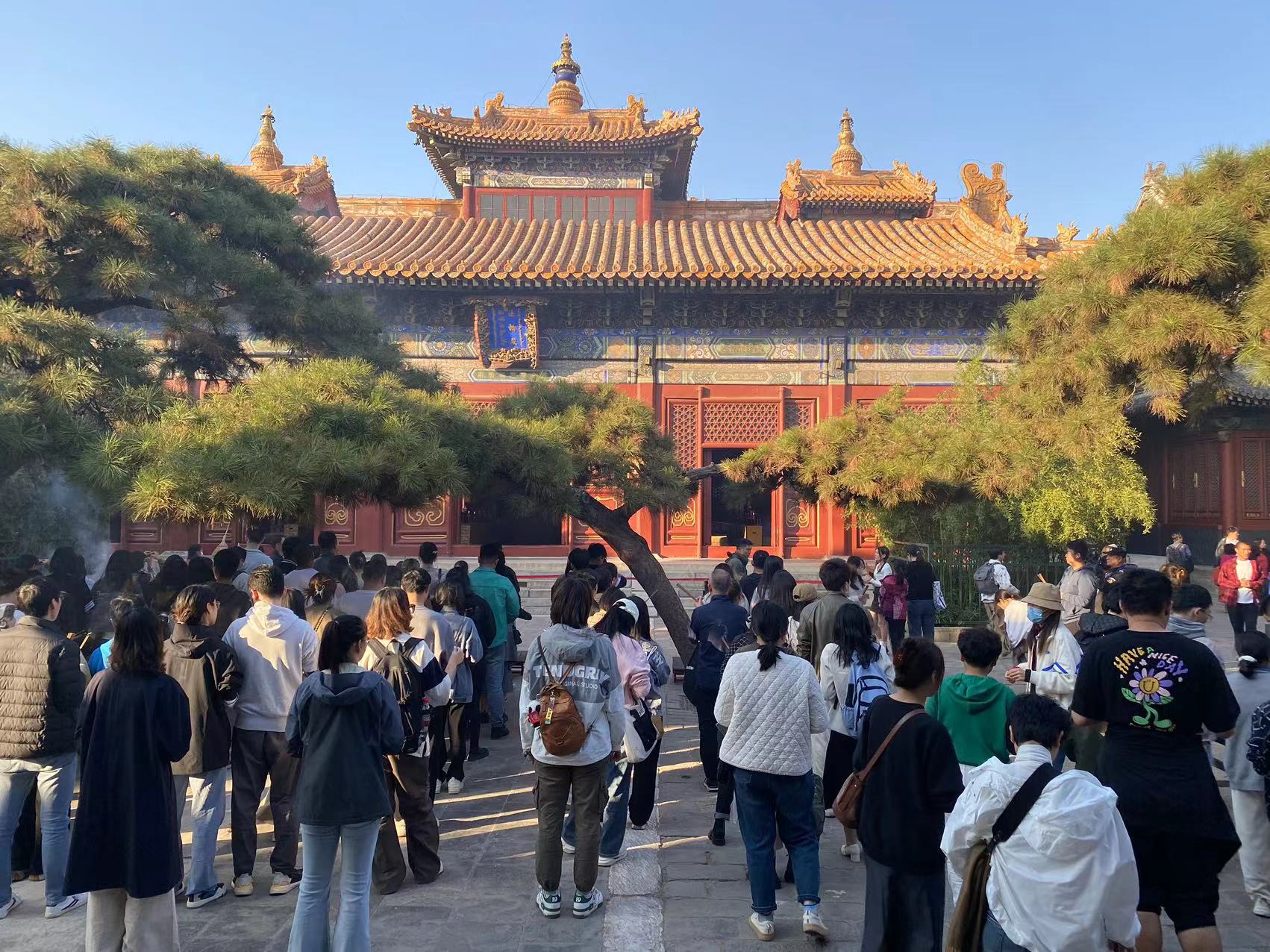
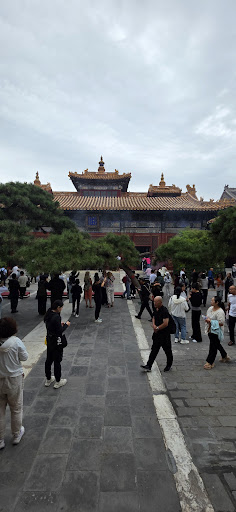
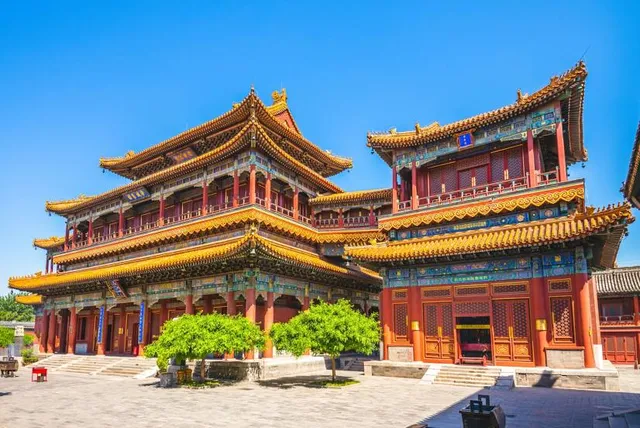
The Yonghe Temple, also known as the Yonghe Lamasery, or popularly as the Lama Temple, is a temple and monastery of the Gelug school of Tibetan Buddhism located on 12 Yonghegong Street, Dongcheng District, Beijing, China. The building and artwork of the temple is a combination of Han Chinese and Tibetan styles.
Nearby attractions
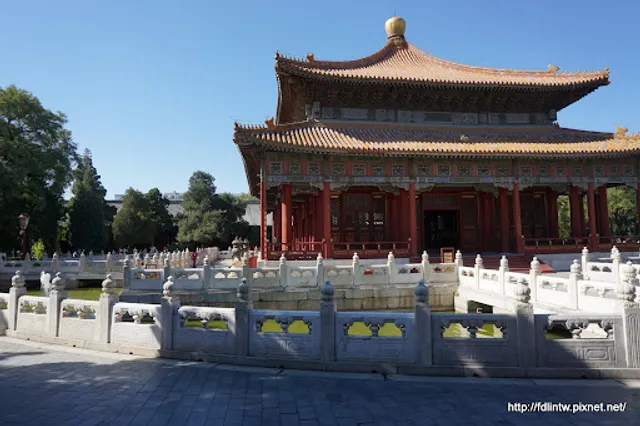
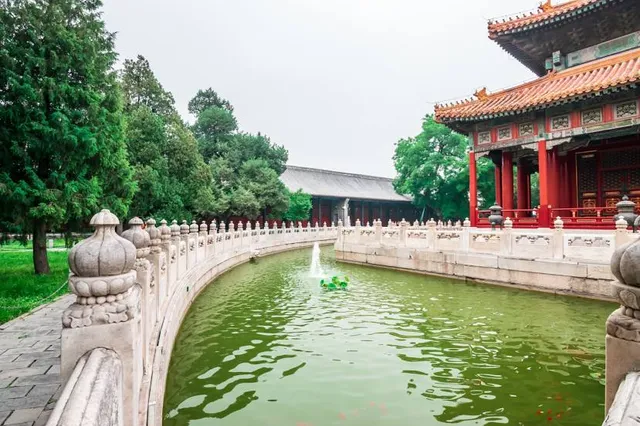
Beijing Temple of Confucius
15 Guozijian St, 国子监 Dongcheng, Beijing, China, 100011
北京国子监
13 Guozijian St, 国子监 Dongcheng, Beijing, China, 100011
Confucius Temple and The Imperial College Museum
15 Guozijian St, 国子监 Dongcheng, Beijing, China, 100011
地坛公园
China, Beijing, Dongcheng, 蒋宅口安定门外大街 邮政编码: 100011
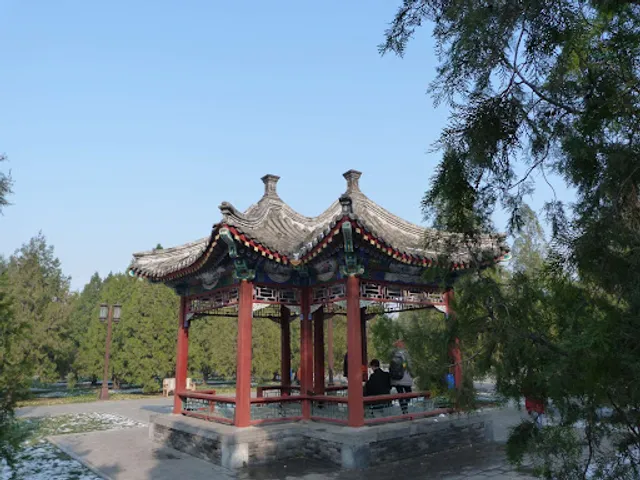
Ditan Park (West Gate)
China, Beijing, Dongcheng, Anwai Ave, 和平里 邮政编码: 100011
Nanguan Park (West Gate)
1 Xiyangguan Hu Tong, Dongzhimen, Dongcheng, Beijing, China, 100007
Nearby restaurants
King's Joy
2 Wudaoying Hu Tong, 国子监 Dongcheng, Beijing, China, 100027
吃素的
China, Beijing, Dongcheng, Wudaoying Hu Tong, 五道营胡同甲19-2号 邮政编码: 100011
Guo'ertiao
WCW9+VJW, Cangjingguan Hu Tong, 国子监 Dongcheng, Beijing, China, 100011
葡萄院儿
31 Wudaoying Hu Tong, 国子监 Dongcheng, China, 100011
Yongyiyuan Restaurant
China, Beijing, Dongcheng, Cangjingguan Hu Tong, 北新桥 邮政编码: 100011
Jindingxuan Ditan Branch
77 Hepingli W St, 77, Dongcheng, Beijing, China, 100011
Chabozhai
WCX7+8GX, Wudaoying Hu Tong, 国子监 Dongcheng, Beijing, China, 100011
灿都餐吧
13 Wudaoying Hu Tong, 国子监 Dongcheng, Beijing, China, 100011
I in the Uuderground Coffee
WCX7+8VR, Wudaoying Hu Tong, 国子监 Dongcheng, Beijing, China, 100011
KFC
WCX8+GG4, Yonghegong Ave, 国子监 Dongcheng, Beijing, China, 100011
Nearby hotels
P.Loft Youth Hostel
29 Paojutou Aly, 国子监 Dongcheng, Beijing, China, 100007
The Classic Courtyard
China, Beijing, Dongcheng, 国子监 邮政编码: 100011
Beijing 161 Lama Temple Courtyard Hotel
46 Beixin Brg 3 Aly, Dongcheng, Beijing, China, 100007
Nostalgia Hotel Beijing Confucius Temple
China, Beijing, 交道口北三条57号 邮政编码: 100007
Traveler Inn Huaqiao Beijing Hotel
5 Beixin Brg 3 Aly, Dongcheng, China, 100007
SSAW Garden Hotel Beijing
No.5 Beixinqiao Santiao, Dongcheng, Beijing, China
北京东方美爵酒店
101 Jiaodaokoudong St, 交道口 Dongcheng, Beijing, China, 100007
Hotel Qianyuan International Business
19 Guijie St, Dongcheng, China, 100007
Read and Rest Hotel
NO, 69 Dongsi N St, Beijing, China, 100010
Beijing Ningxia Hotel
13 Fensiting Hu Tong, 交道口 Dongcheng, Beijing, China, 100009
Related posts
Keywords
Lama Temple tourism.Lama Temple hotels.Lama Temple bed and breakfast. flights to Lama Temple.Lama Temple attractions.Lama Temple restaurants.Lama Temple travel.Lama Temple travel guide.Lama Temple travel blog.Lama Temple pictures.Lama Temple photos.Lama Temple travel tips.Lama Temple maps.Lama Temple things to do.
Lama Temple things to do, attractions, restaurants, events info and trip planning
Lama Temple
ChinaBeijingLama Temple

Basic Info

Lama Temple

12 Yonghegong Ave, 国子监 Dongcheng, China, 100007
4.7(513)$$$$
Open 24 hours
Save
spot

Ratings & Description

Info

The Yonghe Temple, also known as the Yonghe Lamasery, or popularly as the Lama Temple, is a temple and monastery of the Gelug school of Tibetan Buddhism located on 12 Yonghegong Street, Dongcheng District, Beijing, China. The building and artwork of the temple is a combination of Han Chinese and Tibetan styles.

Cultural
Family friendly
Accessibility
attractions: Beijing Temple of Confucius, 北京国子监, Confucius Temple and The Imperial College Museum, 地坛公园, Ditan Park (West Gate), Nanguan Park (West Gate), restaurants: King's Joy, 吃素的, Guo'ertiao, 葡萄院儿, Yongyiyuan Restaurant, Jindingxuan Ditan Branch, Chabozhai, 灿都餐吧, I in the Uuderground Coffee, KFC
logoLearn more insights from Wanderboat AI.
Phone
+86 10 8419 1919
Website
yonghegong.cn

Plan your stay

hotel
Pet-friendly Hotels in Beijing
Find a cozy hotel nearby and make it a full experience.

hotel
Affordable Hotels in Beijing
Find a cozy hotel nearby and make it a full experience.

hotel
The Coolest Hotels You Haven't Heard Of (Yet)
Find a cozy hotel nearby and make it a full experience.

hotel
Trending Stays Worth the Hype in Beijing
Find a cozy hotel nearby and make it a full experience.

Reviews

Nearby attractions of Lama Temple

Beijing Temple of Confucius

北京国子监

Confucius Temple and The Imperial College Museum

地坛公园

Ditan Park (West Gate)

Nanguan Park (West Gate)
Beijing Temple of Confucius

Beijing Temple of Confucius

4.5

(203)

Open 24 hours
Click for details
北京国子监

北京国子监

4.5

(230)

Open 24 hours
Click for details
Confucius Temple and The Imperial College Museum

Confucius Temple and The Imperial College Museum

4.6

(30)

Open 24 hours
Click for details
地坛公园

地坛公园

4.3

(73)

Closed
Click for details

Nearby restaurants of Lama Temple

King's Joy

吃素的

Guo'ertiao

葡萄院儿

Yongyiyuan Restaurant

Jindingxuan Ditan Branch

Chabozhai

灿都餐吧

I in the Uuderground Coffee

KFC

King's Joy

King's Joy

4.4

(92)

$$$$

Click for details
吃素的

吃素的

4.1

(26)

Click for details
Guo'ertiao

Guo'ertiao

4.5

(3)

Click for details
葡萄院儿

葡萄院儿

4.5

(11)

$

Click for details
Get the Appoverlay
Get the AppOne tap to find yournext favorite spots!
Wanderboat LogoWanderboat

Your everyday Al companion for getaway ideas

CompanyAbout Us
InformationAI Trip PlannerSitemap
SocialXInstagramTiktokLinkedin
LegalTerms of ServicePrivacy Policy

Get the app

© 2025 Wanderboat. All rights reserved.
logo

Reviews of Lama Temple

4.7
(513)
avatar
5.0
10y

Yonghegong, popularly known as the Lama Temple, is located in the northeast part of Beijing. To its west is the famous Confucius Temple and Imperial Academy. The Lama Temple is the largest and best-preserved lamasery in Beijing which is 480 meters long and 120 meters wide, with a total area of 66,000 square meters. It is also a well-known monastery of the Gelugpa, the Yellow Sect of Tibetan Buddhism in mainland China.

History

The Lama Temple was originally a palatial residence built in 1694 by Qing Emperor Kangxi (1654-1722) for his fourth son, Prince Yongzheng (1678-1735), who later succeeded the throne. After the death of his father, Emperor Yongzheng moved to the Forbidden City and converted half of his former residence into a temple for the monks of Yellow sect, and the other half served as a temporary palace for him. In 1735, Emperor Yongzheng died and then his son Qianlong (1711-1799) succeeded the throne. He put his father’s coffin here for more than one year before moving it to the Western Qing Tombs, the burial ground of the emperors in the Qing Dynasty (1644 - 1911). He also upgraded Yonghegong to the status of an Imperial Palace by replacing the green titles of the roof with yellow ones, for the yellow color was the imperial color in the old days. In 1744, Yonghegong was formally converted into a lamasery. After 1949, the Chinese Government attached great importance to the Lama Temple. Several renovations have been carried out since then, and the Temple has taken on a new look. In 1950 and 1952, the government allocated large sums of money to renovate it. In 1961, the Lama Temple was listed by the State Council as a major national cultural relic and historical site under the state’s protection. During the ten-year Cultural Revolution from 1966 to 1976, the Lama Temple was very well preserved because of the special care given by former Premier Zhou Enlai. The latest renovation was carried out in 1976, and in 1981 the Lama Temple was reopened to the public.

Today, there are rich collections of cultural relics which are preserved in the Lama Temple, especially those related to Tibetan Buddhism. For instance, there is a large number of vividly sculptured Buddhist images of various sizes, each different in posture and expression; a large collection of Tibetan-style paintings known as Tangka paintings; delicate frescoes, scriptures and religious instruments; the inscriptions and calligraphic works on the stele and boards, and Buddhist scriptures in the languages of Manchu, Tibetan, Han, Mongolian and Sanskrit, all of which being of very high cultural and historical value for the Chinese people.

Presently, there are nearly 100 lamas in the Lama Temple and most of them are Mongolians, Tibetans and people from Qinghai province. Daily traditional religious ceremonies and activities in the Lama Temple are undertaken strictly according to the regulation and disciplines of Tibetan Buddhism. When people visit the Lama Temple, please pay attention to the belt that the lamas have, because the color of it reflects the rank of them. Lamas in red belts are the lowest rank of lamas in the Temple, while lamas with yellow belts are higher rank of lamas. If people see a lama in orange belt, he is probably the head lama in the...

   Read more
avatar
5.0
6y

The Yonghe Temple (Chinese: 雍和宫, "Palace of Peace and Harmony"), also known as the Yonghe Lamasery, or popularly as the Lama Temple, is a temple and monastery of the Gelug school of Tibetan Buddhism located in Dongcheng District, Beijing, China. The building and artwork of the temple is a combination of Han Chinese and Tibetan styles. Building work on the Yonghe Temple started in 1694 during the Qing dynasty on the site where originally stood an official residence for court eunuchs of the previous dynasty. It was then converted into the residence of Yinzhen (Prince Yong), the fourth son of the Kangxi Emperor. After Prince Yong ascended the throne as the Yongzheng Emperor in 1722, half of the building was converted into a lamasery, a monastery for monks of Tibetan Buddhism. The other half remained an imperial palace.

After the Yongzheng Emperor's death in 1735, his coffin was placed in the temple. The Qianlong Emperor, who succeeded the Yongzheng Emperor, gave the temple imperial status signified by having its turquoise tiles replaced with yellow tiles which were reserved for the emperor. Subsequently, the monastery became a residence for large numbers of Tibetan Buddhist monks from Mongolia and Tibet, and so the Yonghe Lamasery became the national centre of Lama administration.

The temple was the site of an armed revolt against the Chinese Nationalist government in 1929.

After the Chinese Civil War ended in 1949, the temple was declared a national monument and closed for the following 32 years.[2] It is said to have survived the Cultural Revolution due to the intervention of Premier Zhou Enlai. Reopened to the public in 1981, it is today both a functioning temple and highly popular tourist attraction...

   Read more
avatar
5.0
1y

วัดลามะ (Lama Temple) .

  1. วัดลามะ (喇嘛庙) หรือที่มีอีกชื่อเรียกว่า ‘ยงเหอกง (雍和宫)’ แปลเป็นไทยว่า ‘พระตำหนักยงเหอ’ อดีตเคยเป็นที่ประทับของ 2 จักรพรรดิแห่งราชวงศ์ชิง🛕 .

  2. ที่นี่เป็นแหล่งรวมวัฒนธรรม 4 สายหลักแห่งชนชาติจีน คือชนชาติฮั่น แมนจู มองโกล และทิเบต ที่ผสมผสานกันอย่างลงตัว ถือเป็นแหล่งท่องเที่ยวที่ทรงคุณค่าทางด้านวัฒนธรรมของปักกิ่ง 🙏

  3. ในช่วงกลางถึงปลายราชวงศ์ชิง วัดลามะถือเป็นวัดพุทธศาสนาแบบทิเบตที่เรืองอำนาจสุดในประเทศจีน โดยเป็นศูนย์กลางของรัฐบาลชิงที่คอยดูแลกิจการพุทธศาสนาแบบทิเบตทั่วประเทศ 🇨🇳 .

  4. เดิมวัดลามะแห่งนี้ ไม่ใช่วัดมาตั้งแต่ต้น แต่เป็นสถานที่สร้างขึ้นในปี ค.ศ.1694 เพื่อใช้เป็นที่ประทับให้แก่ จักรพรรดิยงเจิ้ง (雍正) พระราชโอรสองค์ที่ 4 ของจักรพรรดิคังซี ฮ่องเต้ลำดับที่ 4 แห่งราชวงศ์ชิง ในสมัยที่ท่านยังทรงพระเยาว์ .

  5. ต่อมาเมื่อองค์ชายสี่ได้ขึ้นครองราชย์เป็นจักรพรรดิ จึงย้ายเข้าไปประทับในพระราชวังต้องห้าม (กู้กง) พระองค์จึงได้เปลี่ยนสถานที่แห่งนี้เป็นที่ประทับพักผ่อนอิริยาบถชั่วคราวที่อยู่ภายนอกวัง พร้อมกับพระราชทานพื้นที่ส่วนหนึ่งของพระตำหนักให้กับพระทิเบตนิกายเกลุก หรือนิกายหมวกเหลือง หนึ่งในนิกายย่อยของพระพุทธศาสนาแบบทิเบต เพื่อตั้งเป็นวัดและที่พำนักสำหรับพระลามะจากทิเบต ที่เดินทางเข้ามาติดต่อราชการกับราชวงศ์จีนในสมัยนั้น .

  6. หลังจากที่จักรพรรดิยงเจิ้ง เสด็จสวรรคตไปในปี ค.ศ.1735 ฮ่องเต้เฉียนหลงที่เป็นพระราชโอรสก็ได้ขึ้นครองราชย์สืบต่อ กระทั่งในปี ค.ศ.1744 พระองค์ทรงได้ยกบริเวณพื้นที่พระตำหนักทั้งหมดให้แก่พระภิกษุชาวทิเบต และเปลี่ยนชื่อที่นี่เป็น “วัดลามะ” อย่างที่เราเรียกกันในปัจจุบัน .

  7. วัดลามะแห่งนี้ นอกจากจะเคยเป็นที่ประทับให้กับจักรพรรดิยงเจิ้งแล้ว ที่นี่ยังเป็นสถานที่พระราชสมภพขององค์จักรพรรดิเฉียนหลง (乾隆) ฮ่องเต้ลำดับที่ 6 แห่งราชวงศ์ชิง และด้วยเหตุนี้เองสีของตัวอาคารภายในวัดลามะนั้น จึงได้รับอนุญาตให้สามารถใช้สีแดงเลือดนกและสีเหลือง ซึ่งเป็นสีที่แสดงถึงความเป็นจักรพรรดิ เฉกเช่นเดียวกับสีของพระราชวังต้องห้ามได้

#จุดท่องเที่ยวไฮไลท์ (1) วิหารท้าวจตุโลกบาล (天王殿) หรือ “เทียนหวังเตี้ยน” ภายในวิหารเป็นที่ประดิษฐานขององค์พระศรีอริยเมตไตรยในรูปแบบของลามะทิเบต และท้าวจตุโลกบาล . (2) พระตำหนักใหญ่ยงเหอกง (雍和宫大殿) บริเวณด้านหน้าพระตำหนักมีเขาพระสุเมรุจำลองตามหลักความเชื่อของพุทธศาสนา ภายในพระตำหนักมีพระพุทธรูปพระพุทธเจ้าสามพระองค์คือ องค์ปัจจุบัน องค์ในอดีต และองค์ในอนาคต พร้อมพระอรหันต์สองฝั่งซ้ายขวา . (3) วิหารหยงโย่ว (永佑殿) อยู่ถัดจากพระตำหนักใหญ่ยงเหอกง เป็นที่ประดิษฐานของพระพุทธรูปศักดิ์สิทธิ์ ได้แก่ พระพุทธรูปเย่าซือ (药师佛) เชื่อกันว่าหากไหว้ขอพรแล้วจะช่วยให้หายเจ็บป่วยจากโรคภัยต่างๆ, พระพุทธรูปฉางโซ่ว (长寿佛) ช่วยให้มีอายุยืนยาว และพระพุทธรูปซือโห่ว (狮吼佛) ขับไล่สิ่งอัปมงคล สิ่งชั่วร้ายต่างๆ . (4) วิหารฝ่าหลุน (法轮殿) ภายในวิหารมีรูปหล่อทองสัมฤทธ์องค์จงคาปา ผู้นำแห่งลามะนิกายหมวกเหลือง . (5) วิหารว่านฝูเก๋อ (万福阁) หรือวิหารหมื่นสุข เป็นวิหารที่ใหญ่ที่สุดของวัด ภายในเป็นที่ประดิษฐานองค์พระพุทธรูปที่มีความสูง 26 เมตร โดยฝังอยู่ใต้ดิน 8 เมตรและส่วนที่เหนือพื้นดิน 18 เมตร ซึ่งได้รับการบันทึกใน Guinness World Records เป็นองค์พระที่แกะสลักจากไม้กฤษณาขาวเพียงท่อนเดียวที่ใหญ่ที่สุดในโลก ซึ่งไม้ท่อนนี้ องค์ดาไลลามะที่ 7 ใช้เวลา 3 ปี ในการขนส่งมาที่กรุงปักกิ่ง เพื่อถวายให้กับเฉียนหลงฮ่องเต้ เมื่อปี ค.ศ.1753 และพระองค์ทรงมีราชโองการให้แกะสลักองค์พระโพธิสัตว์รูปนี้ขึ้นเพื่อเป็นสิริมงคลแก่ชาวปักกิ่ง

#เวลาเปิดเข้าชม • 9.00 – 17.00 น. (เม.ย.-ต.ค.) • 9.00 – 16.30 น. (พ.ย.-มี.ค.) . #ค่าเข้าชม 25 หยวน

• ตั๋วเข้าชมสามารถซื้อได้ที่ Ticket Office ด้านหน้าทางเข้า หรือจะจองออนไลน์ไปก่อนก็ได้

📲สอนจองออนไลน์ผ่านใน WeChat ✅ ไม่มีเบอร์จีนก็จองได้ .

  1. ต้องมีบัญชี WeChat .
  2. เปิดวีแชทเข้าไปตรงคำว่าค้นหา พิมพ์ว่า ‘雍和宫预约’ (คัดลอกภาษาจีนคำนี้ไปใส่ได้เลย) .
  3. เลือกคำว่า 个人购票 เลือกวันเข้าชม .
  4. กดเปลี่ยนเป็น 护照 (พาสปอร์ต) .
  5. เลือกจำนวนผู้เข้าชม (ต่อ 1 รายการจอง สามารถจองได้สูงสุด 3 ใบ) .
  6. กรอกนามสกุล-ชื่อ เลขหนังสือเดินทาง (Passport No.) 确认提交 จ่ายเงินผ่าน WeChat Pay .
  7. ตรวจสอบรายละเอียดการจองได้ที่เมนู ‘查看订单’ .
  8. ตั๋วจะได้มาเป็นคิวอาร์โค้ดไว้ใช้สแกนตอนเข้าชม . รายละเอียดกดดูได้จากในรูป

#Tipsสำหรับการเดินทาง 🚇 รถไฟฟ้าใต้ดินสายสีน้ำเงิน Line 2 หรือสายสีม่วง Line 5 ลงสถานี Yonghegong (雍和宫) ทางออก F ส่วนถ้าออกฝั่ง G...

   Read more
Page 1 of 7
Previous
Next

Posts

Ariful HoqueAriful Hoque
The Yonghe Temple (Chinese: 雍和宫, "Palace of Peace and Harmony"), also known as the Yonghe Lamasery, or popularly as the Lama Temple, is a temple and monastery of the Gelug school of Tibetan Buddhism located in Dongcheng District, Beijing, China. The building and artwork of the temple is a combination of Han Chinese and Tibetan styles. Building work on the Yonghe Temple started in 1694 during the Qing dynasty on the site where originally stood an official residence for court eunuchs of the previous dynasty. It was then converted into the residence of Yinzhen (Prince Yong), the fourth son of the Kangxi Emperor. After Prince Yong ascended the throne as the Yongzheng Emperor in 1722, half of the building was converted into a lamasery, a monastery for monks of Tibetan Buddhism. The other half remained an imperial palace. After the Yongzheng Emperor's death in 1735, his coffin was placed in the temple. The Qianlong Emperor, who succeeded the Yongzheng Emperor, gave the temple imperial status signified by having its turquoise tiles replaced with yellow tiles which were reserved for the emperor. Subsequently, the monastery became a residence for large numbers of Tibetan Buddhist monks from Mongolia and Tibet, and so the Yonghe Lamasery became the national centre of Lama administration. The temple was the site of an armed revolt against the Chinese Nationalist government in 1929. After the Chinese Civil War ended in 1949, the temple was declared a national monument and closed for the following 32 years.[2] It is said to have survived the Cultural Revolution due to the intervention of Premier Zhou Enlai. Reopened to the public in 1981, it is today both a functioning temple and highly popular tourist attraction in the city.
Muhammad Mahfuzur RahmanMuhammad Mahfuzur Rahman
Lama Temple is the household name of Yonghe Temple. It is a Tibetan Buddhist Temple, and the largest among such temples in Central China. Initially, during the Ming Dynasty it was a part of the Royal Court as court eunuchs used to live there. Later on, even emperor lived there. At the end of sixteenth-century it became a place for worship. It is so historic that during the civil war, it had a prominent role. It sheltered many. It is now one of the major tourist attractions, as well as functional temple, particularly popular with younger Chinese population. There is a sandalwood sculpture of Matreyi Buddha whose name is entered in Guiness Book of Records as the largest such a sculpture. The temple complex is more than half kilometer long. There are five courtyards one after another. There are halls in between. The Buddha images are restored inside the hall. The devotees pray facing these halls. The authority supplies incense sticks.
Gunnar CayaGunnar Caya
Beautiful temple complex that used to be the home of a prince and former emperor. The architecture and layout of this place is incredible, the giant sandalwood carved Buddha is particularly impressive, and the history is amazing. They must go through a ton of incense here every day, but it makes for a really cool scene. The crowds are small compared to a lot of other famous attractions in Beijing, and the tickets are reasonably priced (40 rmb if I recall). The propaganda about China and its positive relationship with the people of Tibet and China's territorial claims to Tibet are a bit overboard, but it doesn't detract from how great this place is. One of my favorite spots in Beijing which I would wholeheartedly recommend to anyone
See more posts
See more posts
hotel
Find your stay

Pet-friendly Hotels in Beijing

Find a cozy hotel nearby and make it a full experience.

The Yonghe Temple (Chinese: 雍和宫, "Palace of Peace and Harmony"), also known as the Yonghe Lamasery, or popularly as the Lama Temple, is a temple and monastery of the Gelug school of Tibetan Buddhism located in Dongcheng District, Beijing, China. The building and artwork of the temple is a combination of Han Chinese and Tibetan styles. Building work on the Yonghe Temple started in 1694 during the Qing dynasty on the site where originally stood an official residence for court eunuchs of the previous dynasty. It was then converted into the residence of Yinzhen (Prince Yong), the fourth son of the Kangxi Emperor. After Prince Yong ascended the throne as the Yongzheng Emperor in 1722, half of the building was converted into a lamasery, a monastery for monks of Tibetan Buddhism. The other half remained an imperial palace. After the Yongzheng Emperor's death in 1735, his coffin was placed in the temple. The Qianlong Emperor, who succeeded the Yongzheng Emperor, gave the temple imperial status signified by having its turquoise tiles replaced with yellow tiles which were reserved for the emperor. Subsequently, the monastery became a residence for large numbers of Tibetan Buddhist monks from Mongolia and Tibet, and so the Yonghe Lamasery became the national centre of Lama administration. The temple was the site of an armed revolt against the Chinese Nationalist government in 1929. After the Chinese Civil War ended in 1949, the temple was declared a national monument and closed for the following 32 years.[2] It is said to have survived the Cultural Revolution due to the intervention of Premier Zhou Enlai. Reopened to the public in 1981, it is today both a functioning temple and highly popular tourist attraction in the city.
Ariful Hoque

Ariful Hoque

hotel
Find your stay

Affordable Hotels in Beijing

Find a cozy hotel nearby and make it a full experience.

Get the Appoverlay
Get the AppOne tap to find yournext favorite spots!
Lama Temple is the household name of Yonghe Temple. It is a Tibetan Buddhist Temple, and the largest among such temples in Central China. Initially, during the Ming Dynasty it was a part of the Royal Court as court eunuchs used to live there. Later on, even emperor lived there. At the end of sixteenth-century it became a place for worship. It is so historic that during the civil war, it had a prominent role. It sheltered many. It is now one of the major tourist attractions, as well as functional temple, particularly popular with younger Chinese population. There is a sandalwood sculpture of Matreyi Buddha whose name is entered in Guiness Book of Records as the largest such a sculpture. The temple complex is more than half kilometer long. There are five courtyards one after another. There are halls in between. The Buddha images are restored inside the hall. The devotees pray facing these halls. The authority supplies incense sticks.
Muhammad Mahfuzur Rahman

Muhammad Mahfuzur Rahman

hotel
Find your stay

The Coolest Hotels You Haven't Heard Of (Yet)

Find a cozy hotel nearby and make it a full experience.

hotel
Find your stay

Trending Stays Worth the Hype in Beijing

Find a cozy hotel nearby and make it a full experience.

Beautiful temple complex that used to be the home of a prince and former emperor. The architecture and layout of this place is incredible, the giant sandalwood carved Buddha is particularly impressive, and the history is amazing. They must go through a ton of incense here every day, but it makes for a really cool scene. The crowds are small compared to a lot of other famous attractions in Beijing, and the tickets are reasonably priced (40 rmb if I recall). The propaganda about China and its positive relationship with the people of Tibet and China's territorial claims to Tibet are a bit overboard, but it doesn't detract from how great this place is. One of my favorite spots in Beijing which I would wholeheartedly recommend to anyone
Gunnar Caya

Gunnar Caya

See more posts
See more posts