Temple of the Sun things to do, attractions, restaurants, events info and trip planning
Basic Info
Temple of the Sun
WC8V+8PP, Chaoyang, Beijing, China, 100020
4.4(122)
Open 24 hours
Save
spot
spot
Ratings & Description
Info
Cultural
Outdoor
Scenic
Family friendly
attractions: Ritan Park (North Gate), Ritan Park (South Gate), Ritan Gongyuan, Beijing Dongyue Temple, restaurants: Xi He Ya Ju Restaurant, Desert Rose, Schindler's Tankstelle, 日坛涮肉, Maggie’s, Golden Mango Russian Restaurant, Chocolate, Mangguo Western-Style Food, Annie's, Stone Boat Cafe, local businesses: Yabaocheng, Beijing Parkview Green, Embassy of New Zealand in China, Embassy of Poland, Beijing, Embassy of the United Kingdom, Beijing, The Place, Embassy of Mongolia, Embassy of the Republic of Albania, Friendship Store, Jenny Wang Supermarket
 Learn more insights from Wanderboat AI.
Plan your stay

Pet-friendly Hotels in Beijing
Find a cozy hotel nearby and make it a full experience.

Affordable Hotels in Beijing
Find a cozy hotel nearby and make it a full experience.

The Coolest Hotels You Haven't Heard Of (Yet)
Find a cozy hotel nearby and make it a full experience.

Trending Stays Worth the Hype in Beijing
Find a cozy hotel nearby and make it a full experience.
Reviews
Live events

AI Tech & Startup Night — Beijing
Wed, Feb 25 • 11:00 AM
Dongsi 2nd Alley Community Residents' Committee, 460 Dong Si Bei Da Jie, Dong Cheng Qu, Bei Jing Shi, China, 100009
View details

OpenClaw 北京 Developer Night
Thu, Feb 26 • 10:00 AM
Wudaokou, Haidian District, Beijing, China
View details
Nearby attractions of Temple of the Sun
Ritan Park (North Gate)
Ritan Park (South Gate)
Ritan Gongyuan
Beijing Dongyue Temple
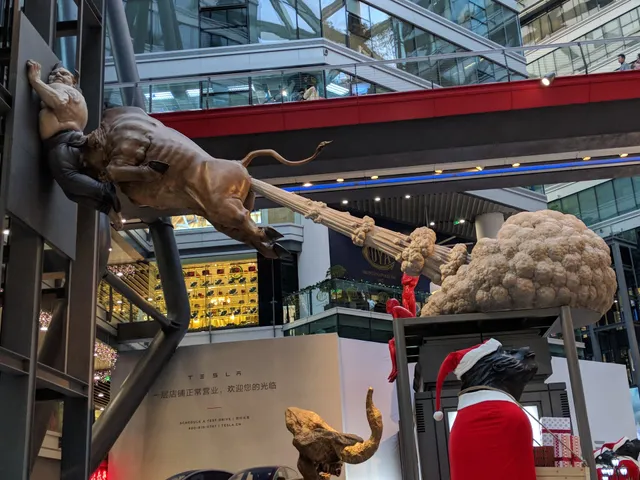
Ritan Park (North Gate)
4.4
(33)
Open 24 hours
Click for details
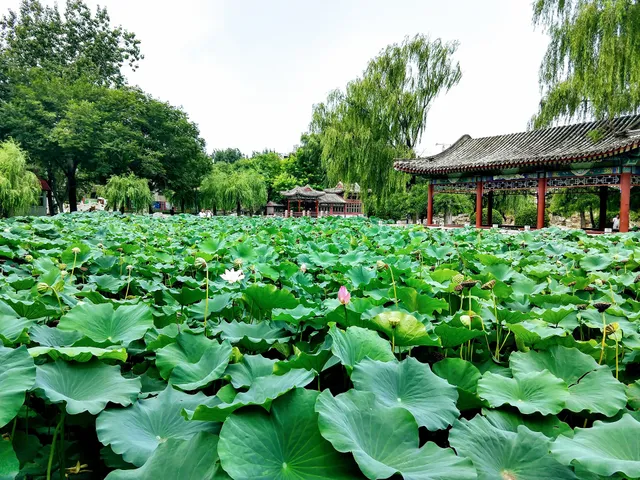
Ritan Park (South Gate)
4.5
(41)
Open 24 hours
Click for details
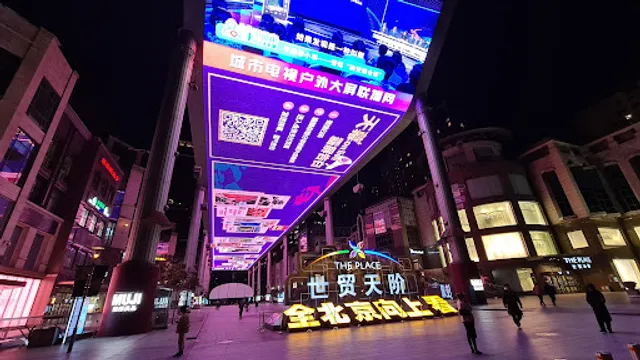
Ritan Gongyuan
4.6
(19)
Open 24 hours
Click for details
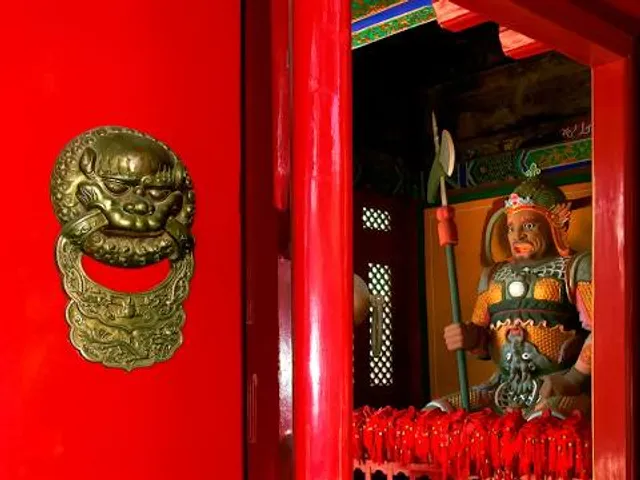
Beijing Dongyue Temple
4.4
(30)
Open 24 hours
Click for details
Nearby restaurants of Temple of the Sun
Xi He Ya Ju Restaurant
Desert Rose
Schindler's Tankstelle
日坛涮肉
Maggie’s
Golden Mango Russian Restaurant
Chocolate
Mangguo Western-Style Food
Annie's
Stone Boat Cafe
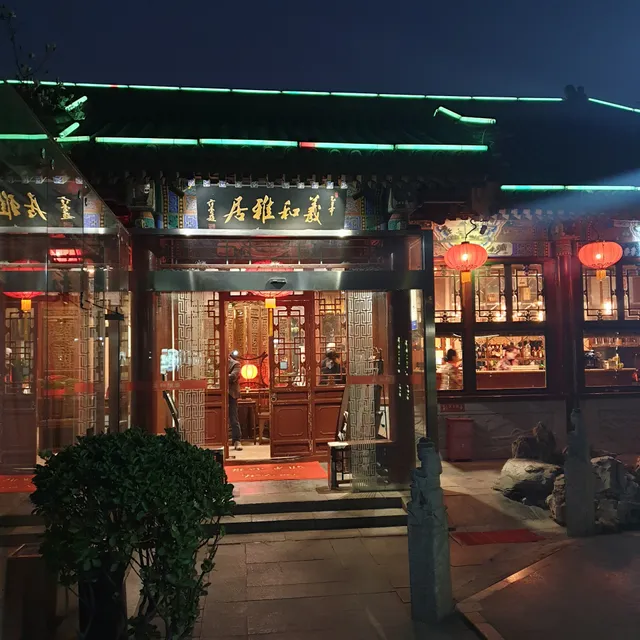
Xi He Ya Ju Restaurant
4.5
(24)
Closed
Click for details
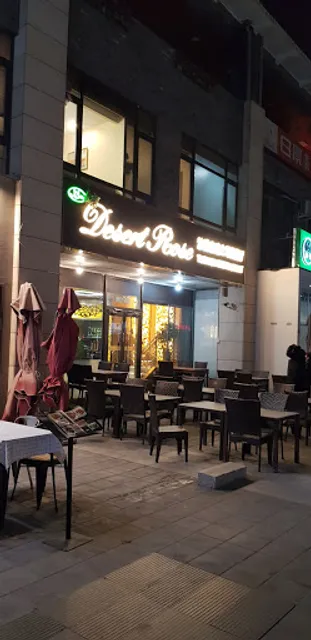
Desert Rose
4.5
(25)
Closed
Click for details
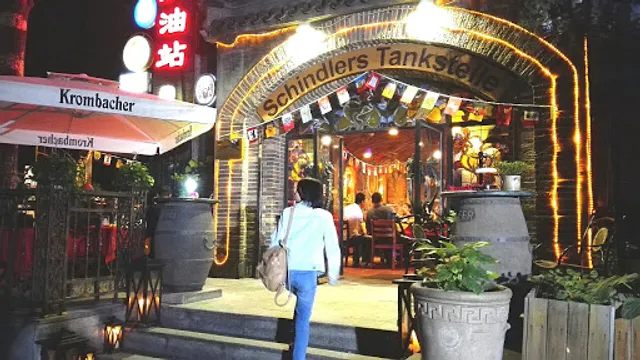
Schindler's Tankstelle
4.7
(45)
$$
Click for details
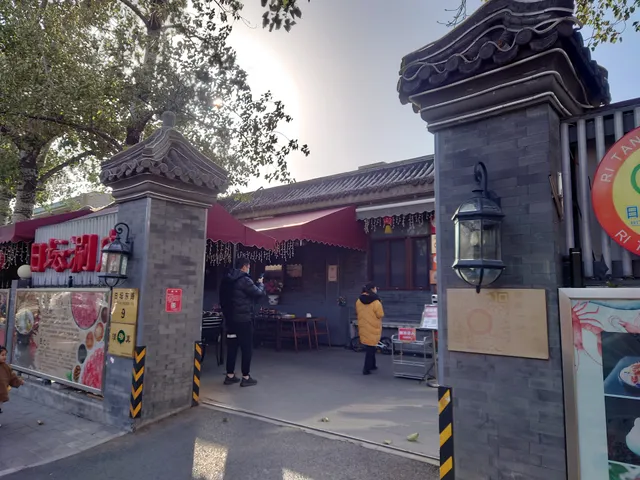
日坛涮肉
4.6
(12)
Closed
Click for details
Nearby local services of Temple of the Sun
Yabaocheng
Beijing Parkview Green
Embassy of New Zealand in China
Embassy of Poland, Beijing
Embassy of the United Kingdom, Beijing
The Place
Embassy of Mongolia
Embassy of the Republic of Albania
Friendship Store
Jenny Wang Supermarket
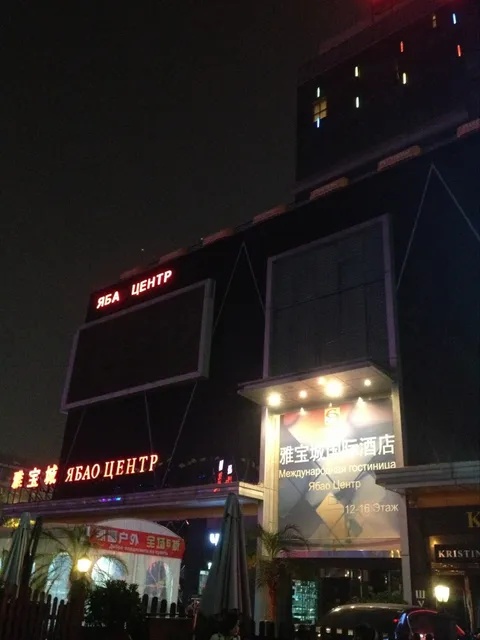
Yabaocheng
4.5
(8)
Click for details
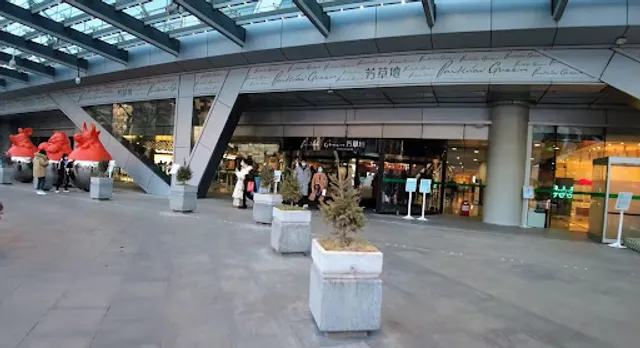
Beijing Parkview Green
4.5
(131)
Click for details
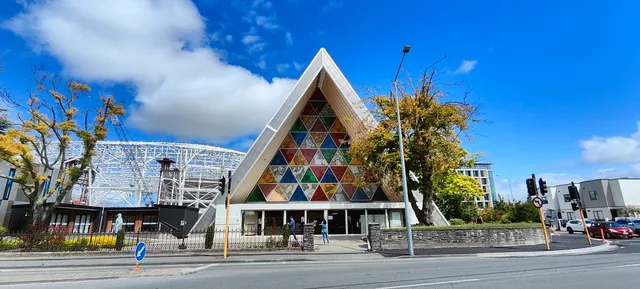
Embassy of New Zealand in China
2.5
(8)
Click for details
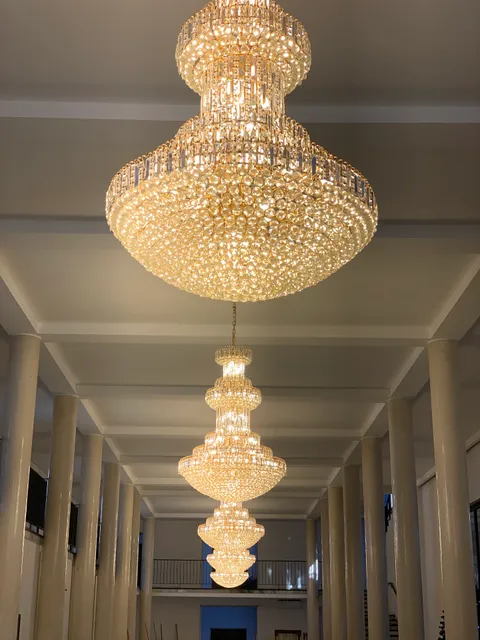
Embassy of Poland, Beijing
3.9
(9)
Click for details