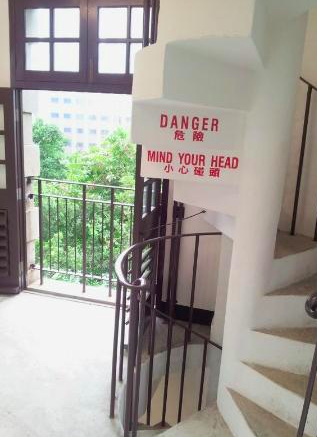
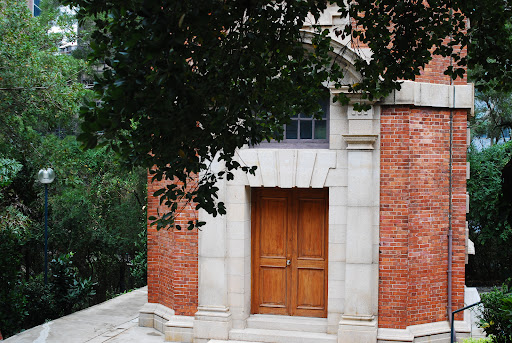
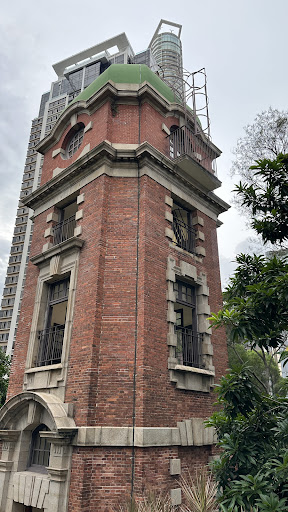
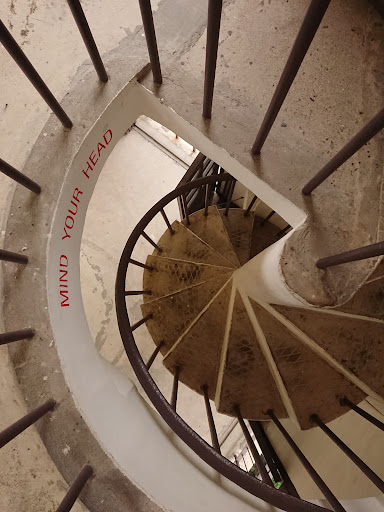
Signal Hill Signal Tower things to do, attractions, restaurants, events info and trip planning
Basic Info
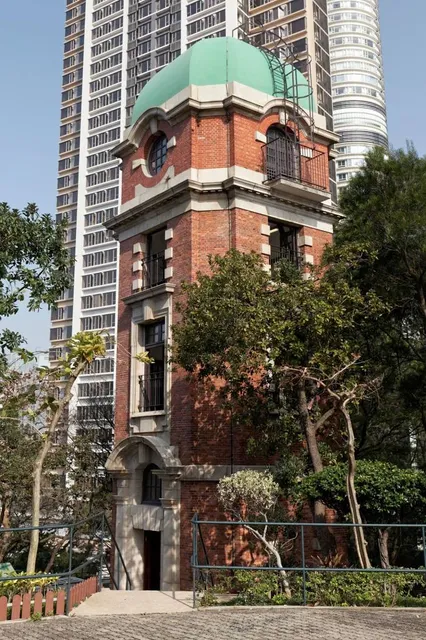
Signal Hill Signal Tower
Minden Row, Tsim Sha Tsui, Hong Kong
4.4(73)
Open 24 hours
Save
spot
spot
Ratings & Description
Info
Cultural
Scenic
attractions: Signal Hill Garden, Middle Road Children's Playground, Victoria Dockside, Bruce Lee Statue, The Garden of Stars, Avenue of Stars HK, Hong Kong Space Museum, Hong Kong Museum of Art, Tsim Sha Tsui Waterfront Park, Sandbox VR - TST Store, restaurants: Ichiran Tsim Sha Tsui Branch, N1 Cafe, Flame Japanese Cuisine, BRICK LANE Gallery, AVOCA, Arashiyama Japanese Restaurant, aqua, Lan Fong Yuen Tsim Sha Tsui Branch, Woodlands Indian Vegetarian Restaurant (Tsim Sha Tsui), Golden Bull Vietnamese Cuisine, local businesses: K11 Art Mall, Avenue of Stars, K11 MUSEA, iSQUARE, Wing On Plus (Tsim Sha Tsui East), Tsim Sha Tsui East Public Transport Interchange Public Toilet, Wing On Plaza, Hong Kong Space Museum, Blackhead Point, K11 ATELIER Victoria Dockside
 Learn more insights from Wanderboat AI.
Plan your stay

Pet-friendly Hotels in Hong Kong
Find a cozy hotel nearby and make it a full experience.

Affordable Hotels in Hong Kong
Find a cozy hotel nearby and make it a full experience.

The Coolest Hotels You Haven't Heard Of (Yet)
Find a cozy hotel nearby and make it a full experience.

Trending Stays Worth the Hype in Hong Kong
Find a cozy hotel nearby and make it a full experience.
Reviews
Live events
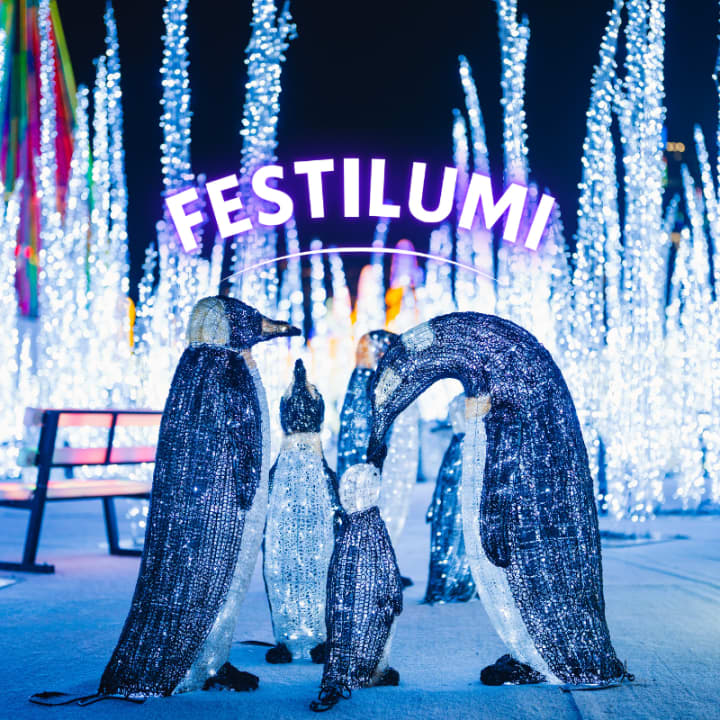
Festilumi - 香港
Sat, Feb 7 • 6:30 PM
3 Hung Hing Rd, Wan Chai, 00000
View details
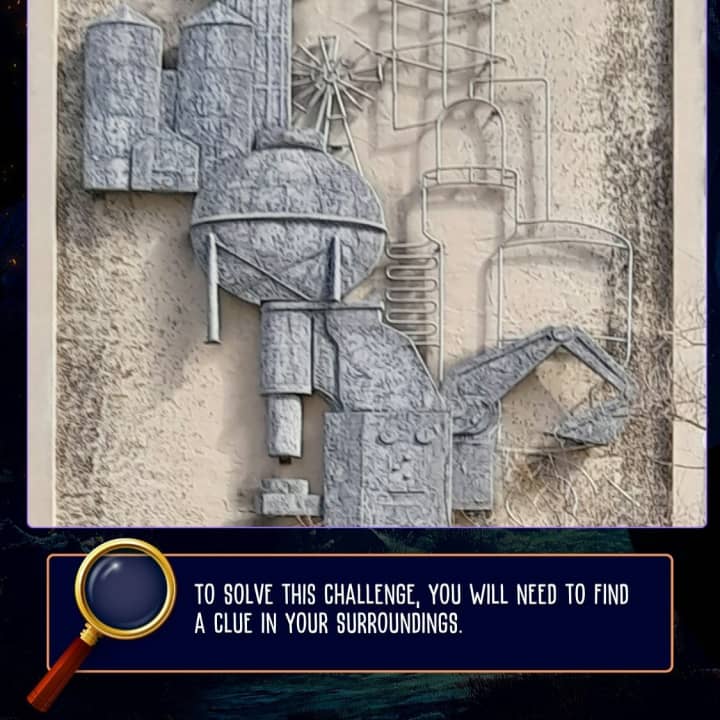
Hong Kong Detective Game: Join the Secret Society!
Sun, Feb 1 • 12:00 AM
Statue Square, Des Voeux Rd Central, Central, Hong Kong, 75J5+CW
View details
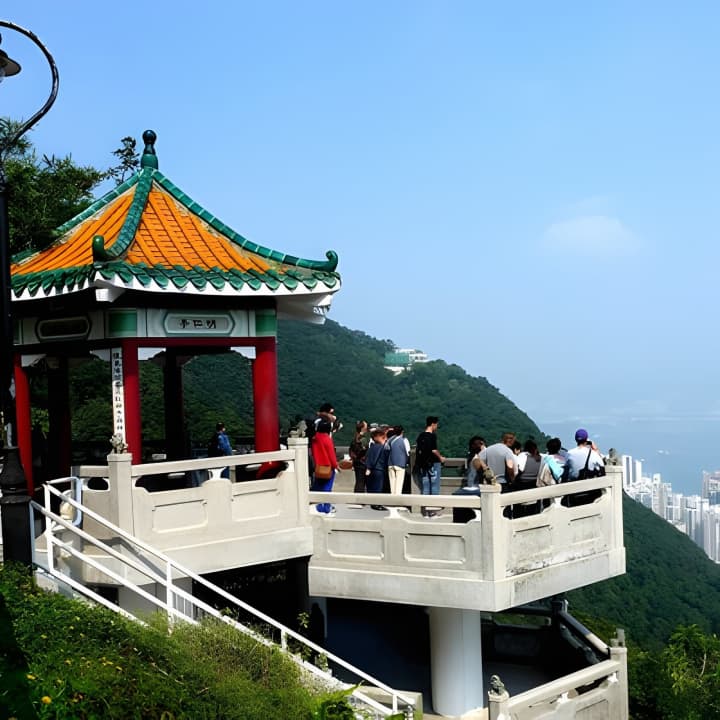
维多利亚山顶参加语音导览,经半山扶手电梯登上山顶
Sat, Feb 7 • 12:00 AM
中環租庇利街
View details
Nearby attractions of Signal Hill Signal Tower
Signal Hill Garden
Middle Road Children's Playground
Victoria Dockside
Bruce Lee Statue
The Garden of Stars
Avenue of Stars HK
Hong Kong Space Museum
Hong Kong Museum of Art
Tsim Sha Tsui Waterfront Park
Sandbox VR - TST Store
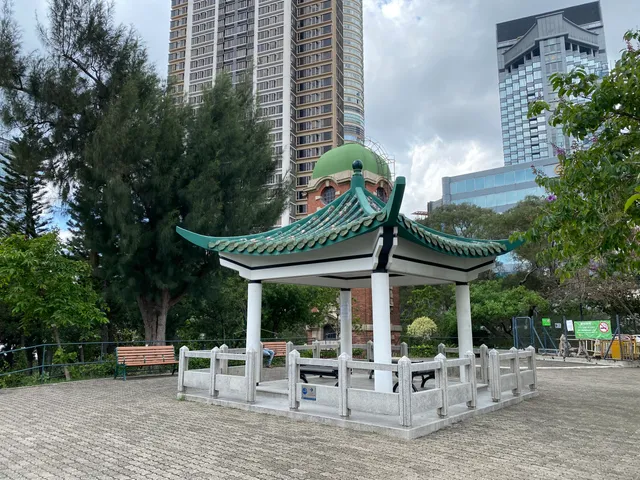
Signal Hill Garden
4.0
(400)
Open until 11:00 PM
Click for details
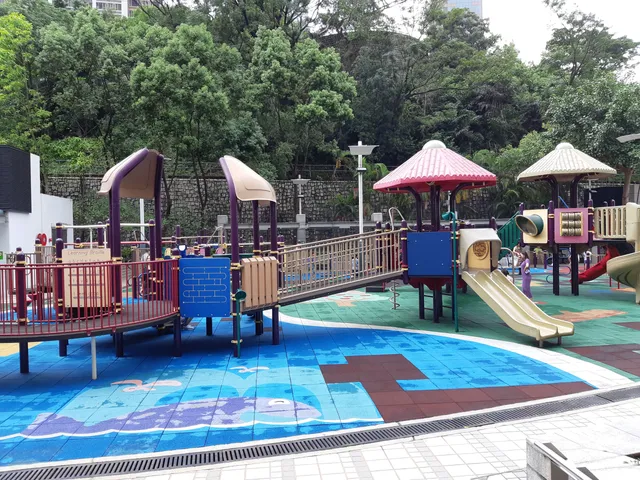
Middle Road Children's Playground
4.2
(247)
Open until 12:00 AM
Click for details
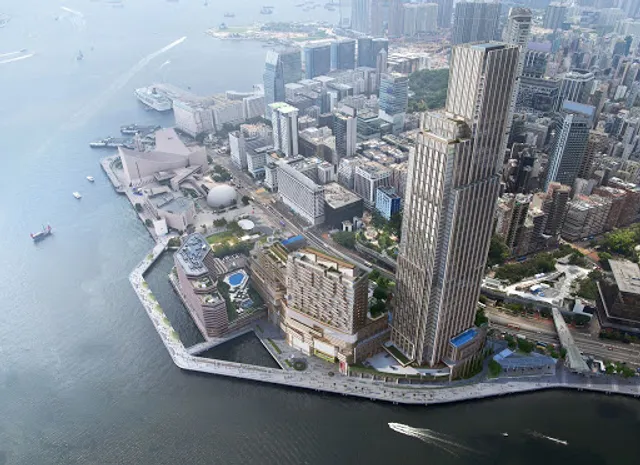
Victoria Dockside
4.5
(1.6K)
Open until 7:00 PM
Click for details
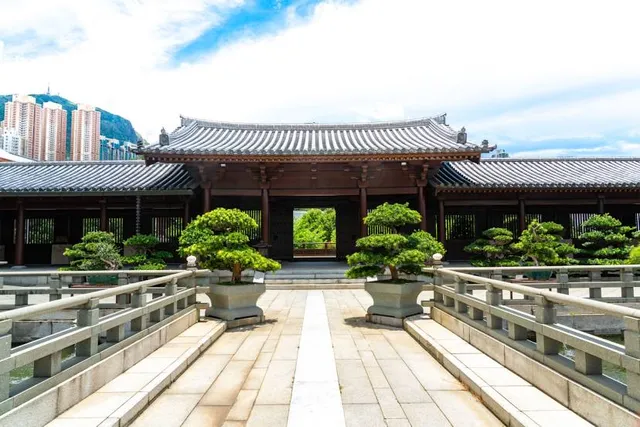
Bruce Lee Statue
4.5
(1.2K)
Open until 12:00 AM
Click for details
Nearby restaurants of Signal Hill Signal Tower
Ichiran Tsim Sha Tsui Branch
N1 Cafe
Flame Japanese Cuisine
BRICK LANE Gallery
AVOCA
Arashiyama Japanese Restaurant
aqua
Lan Fong Yuen Tsim Sha Tsui Branch
Woodlands Indian Vegetarian Restaurant (Tsim Sha Tsui)
Golden Bull Vietnamese Cuisine
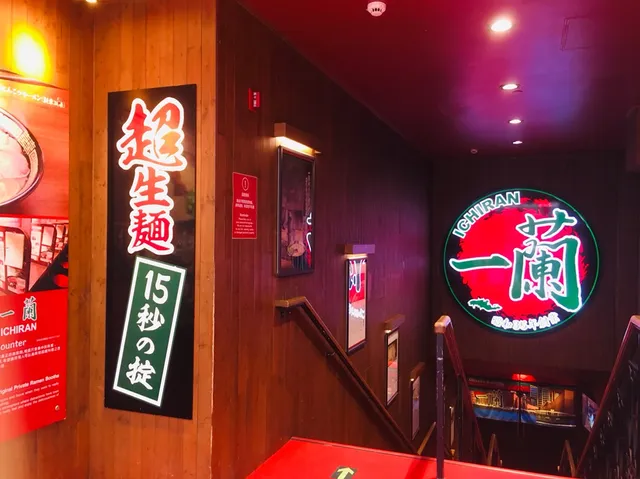
Ichiran Tsim Sha Tsui Branch
4.1
(1.5K)
Open until 3:00 AM
Click for details
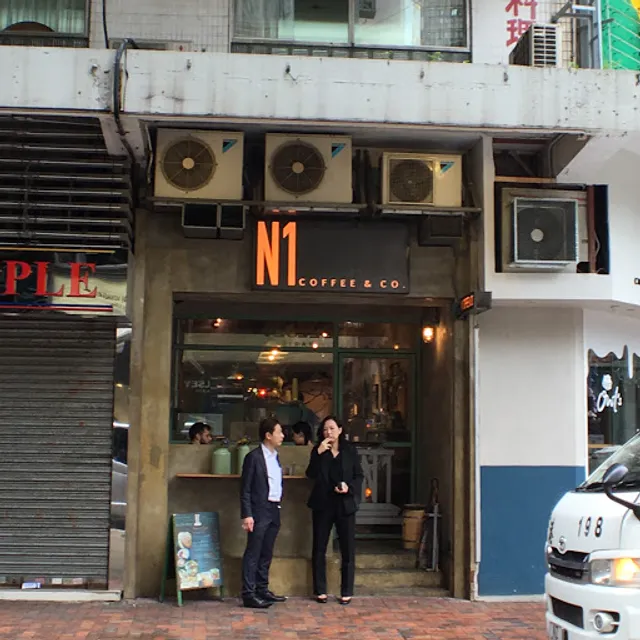
N1 Cafe
4.2
(621)
Open until 6:00 PM
Click for details
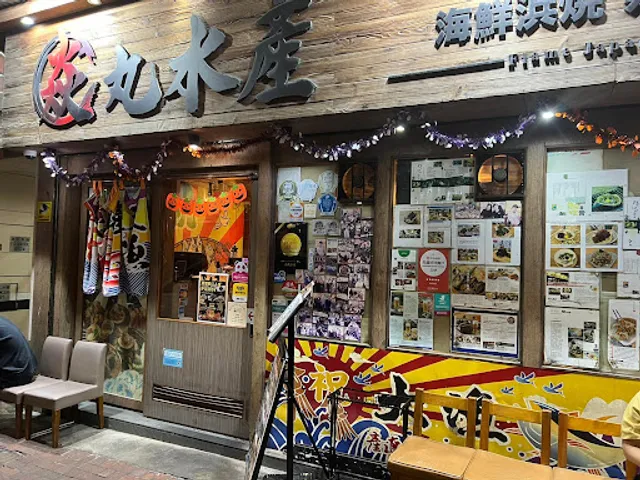
Flame Japanese Cuisine
4.4
(398)
Closed
Click for details
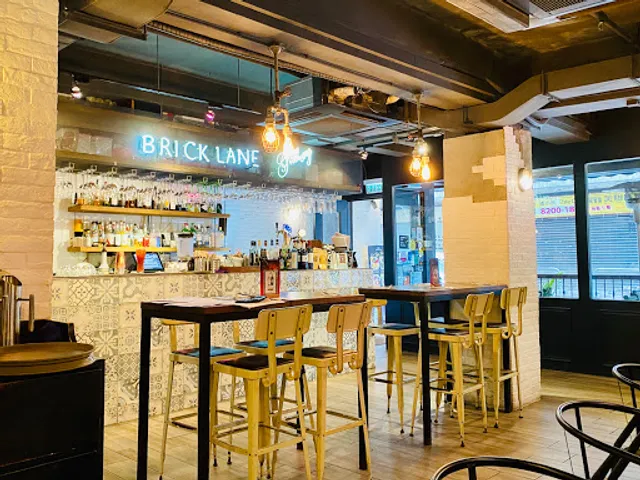
BRICK LANE Gallery
4.0
(448)
$$
Closed
Click for details
Nearby local services of Signal Hill Signal Tower
K11 Art Mall
Avenue of Stars
K11 MUSEA
iSQUARE
Wing On Plus (Tsim Sha Tsui East)
Tsim Sha Tsui East Public Transport Interchange Public Toilet
Wing On Plaza
Hong Kong Space Museum
Blackhead Point
K11 ATELIER Victoria Dockside
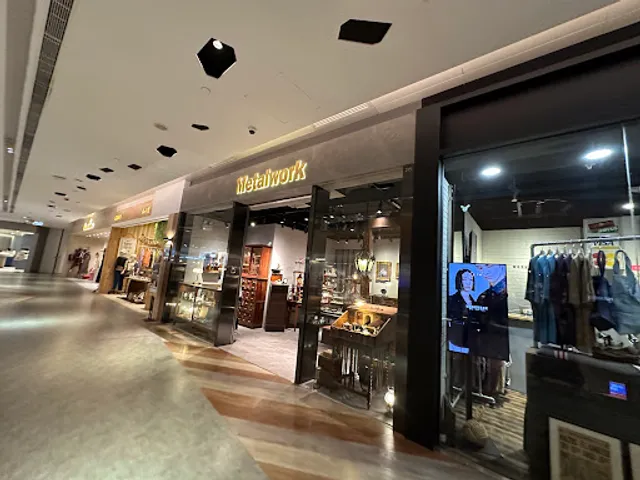
K11 Art Mall
4.1
(4.5K)
Click for details
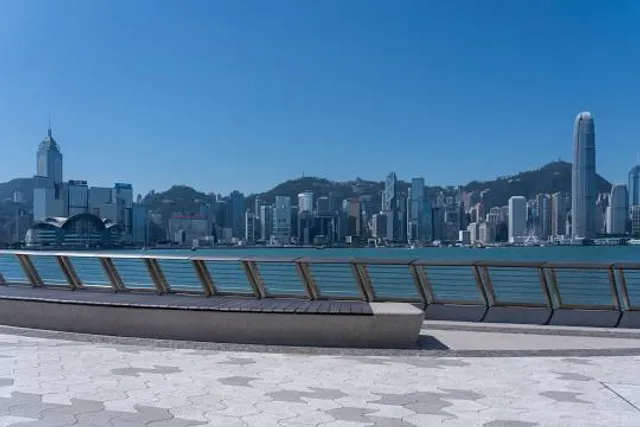
Avenue of Stars
4.2
(4.7K)
Click for details
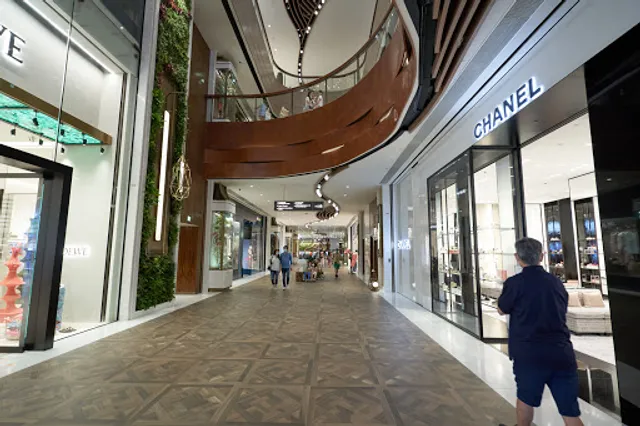
K11 MUSEA
4.3
(3.6K)
Click for details
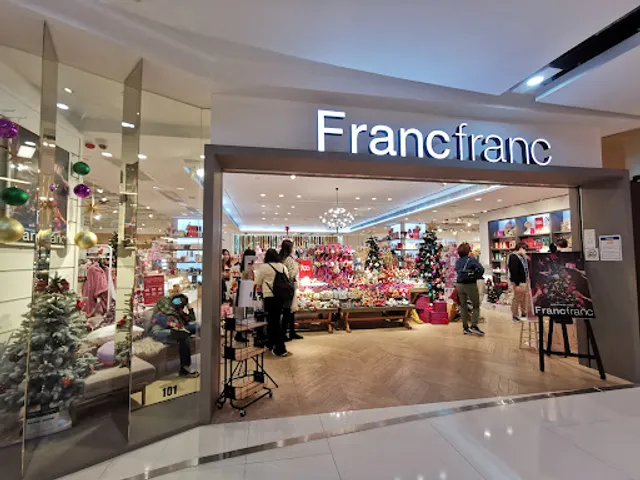
iSQUARE
3.9
(4.7K)
Click for details