Jing'an Temple things to do, attractions, restaurants, events info and trip planning
Basic Info
Jing'an Temple
1686 Nanjing Rd (W), 久光 Jing'An, Shanghai, China, 200040
4.4(582)
Open until 5:00 PM
Save
spot
spot
Ratings & Description
Info
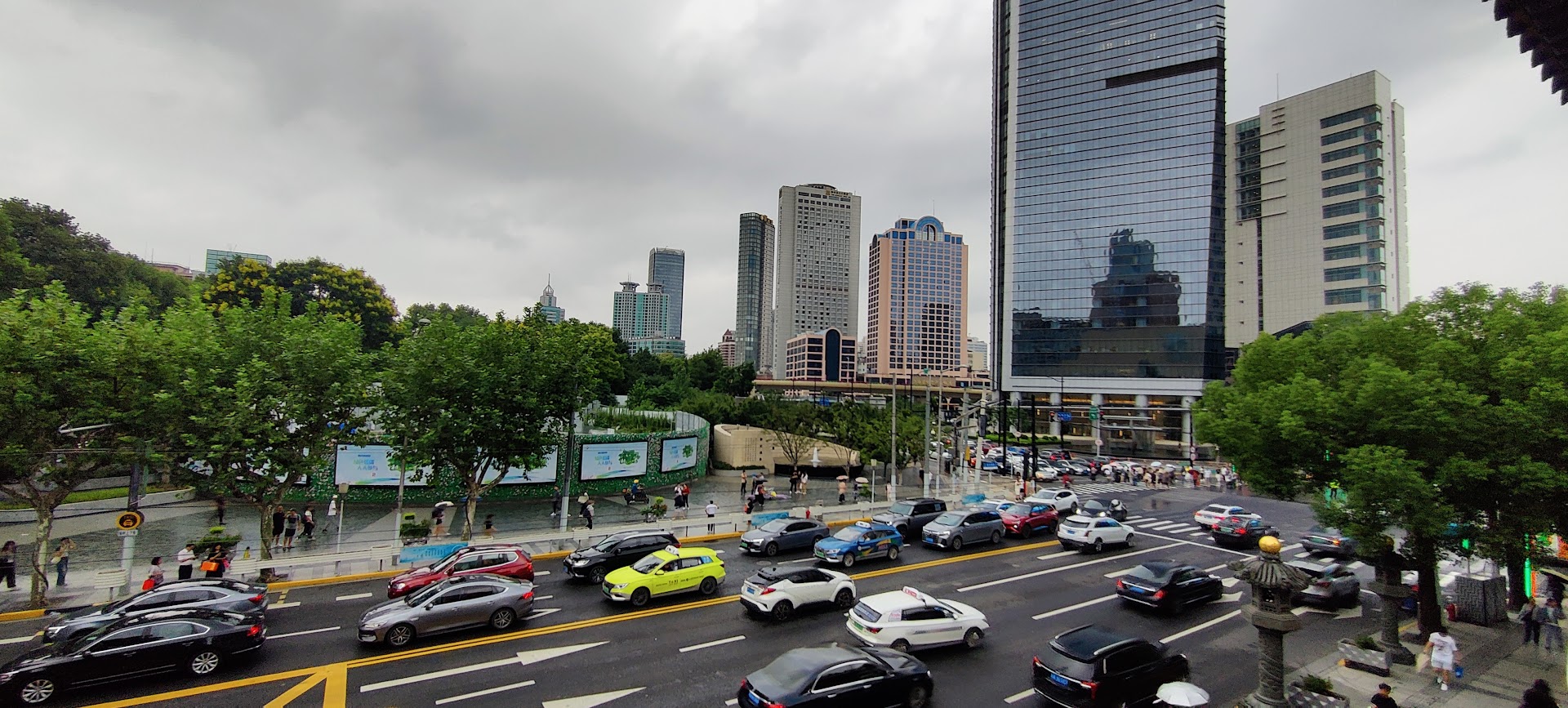
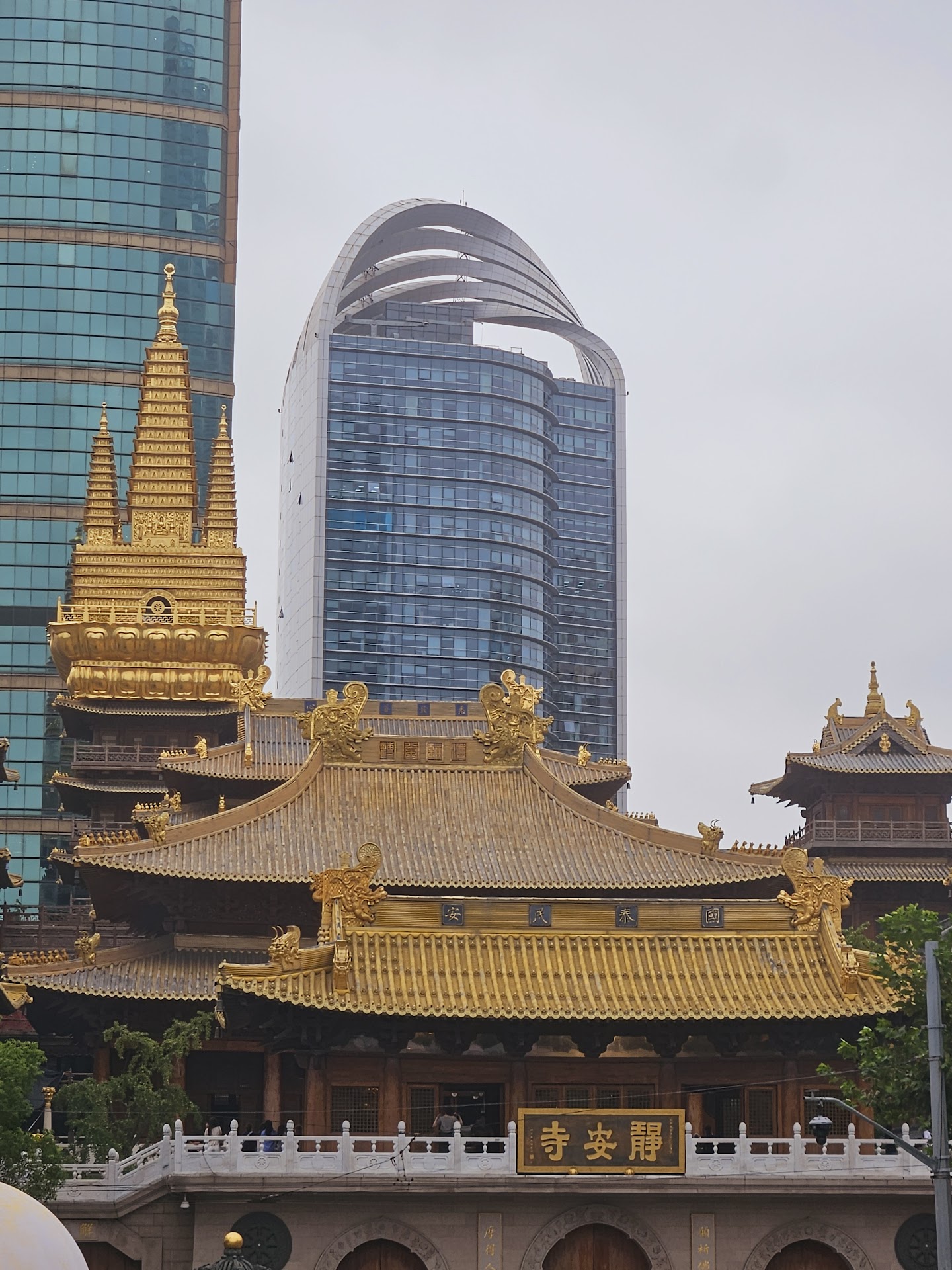
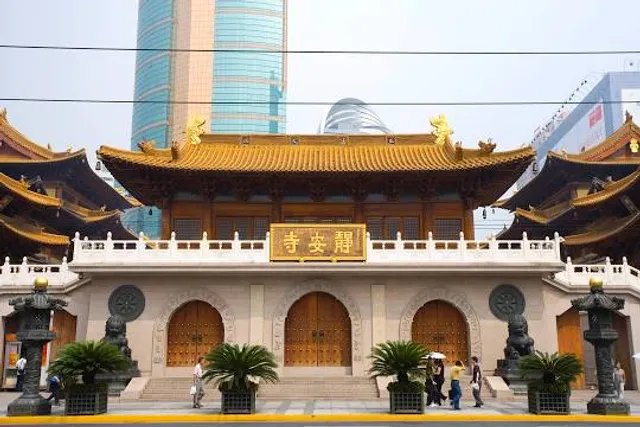
Jing'an Temple is an esoteric Tangmi Buddhist temple on the West Nanjing Road in Shanghai. Jing'an District, where it is located, is named after the temple.
Cultural
Scenic
Family friendly
Accessibility
attractions: Jing'an Park, Jing'ansi Square, Shanghai Wheelock Square, Zhang'ailing Former Residence, Nanjing West Road Greenland, 嘉里中心, SOHO东海广场, Shanghai Exhibition Centre, Shanghai Cai Yuanpei's Former Residence, 上海商城, restaurants: Taiwan Rendao Vegetable Dish, Bali Bistro Indonesia Cuisine, 大董海参店, 静安寺素面, 龙记茶餐厅, Aunn Cafe & Co., 汉堡王愚园路店, Sapar Uygur Restaurant, Shanghai Home Restaurant Jingzuofang, WINDOWS TOO, local businesses: 久光百货, Easy Mandarin Chinese School, 晶品, Consulate General of Canada in Shanghai, 越洋广场, Réel Mall, That's Mandarin, 芮欧百货, 曹家渡花鸟市场, Yun Feng Theater
 Learn more insights from Wanderboat AI.
Phone
+86 21 6256 6366
Open hoursSee all hours
Sat7:30 AM - 5 PMOpen
Plan your stay

Pet-friendly Hotels in Shanghai
Find a cozy hotel nearby and make it a full experience.

Affordable Hotels in Shanghai
Find a cozy hotel nearby and make it a full experience.

The Coolest Hotels You Haven't Heard Of (Yet)
Find a cozy hotel nearby and make it a full experience.

Trending Stays Worth the Hype in Shanghai
Find a cozy hotel nearby and make it a full experience.
Reviews
Live events

AI Tech & Startup Night — Shanghai
Wed, Feb 25 • 10:00 AM
532 Fa Hua Zhen Lu, Chang Ning Qu, Shang Hai Shi, China, 200031
View details
Nearby attractions of Jing'an Temple
Jing'an Park
Jing'ansi Square
Shanghai Wheelock Square
Zhang'ailing Former Residence
Nanjing West Road Greenland
嘉里中心
SOHO东海广场
Shanghai Exhibition Centre
Shanghai Cai Yuanpei's Former Residence
上海商城
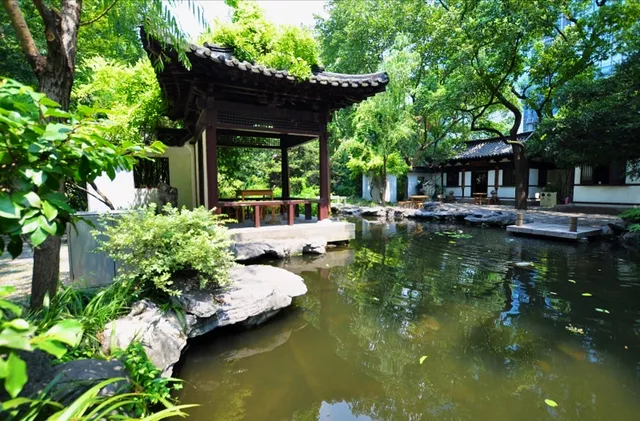
Jing'an Park
4.5
(125)
Open 24 hours
Click for details
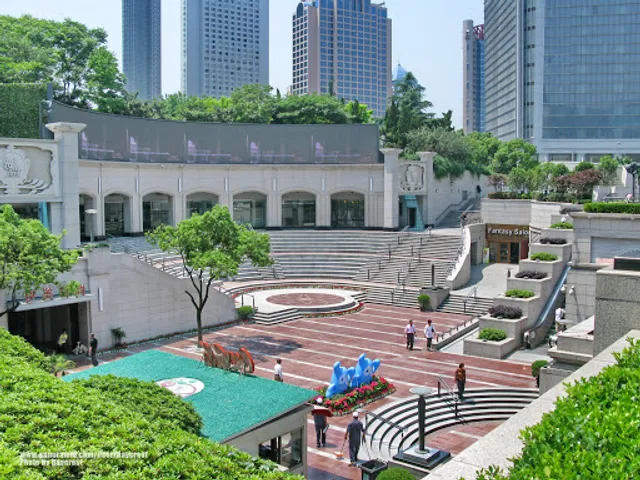
Jing'ansi Square
4.4
(13)
Open 24 hours
Click for details
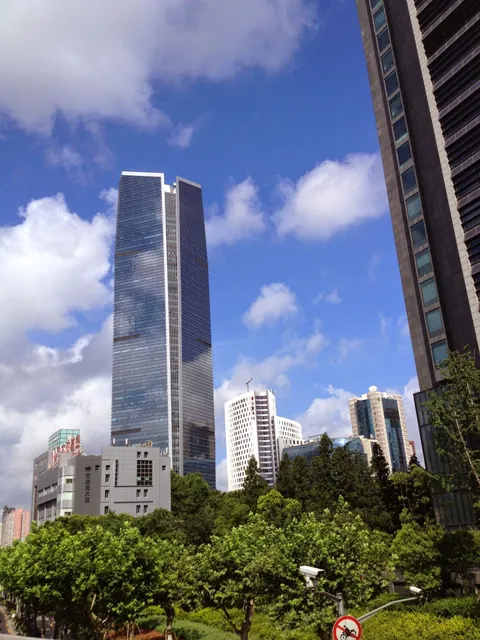
Shanghai Wheelock Square
4.6
(12)
Open 24 hours
Click for details
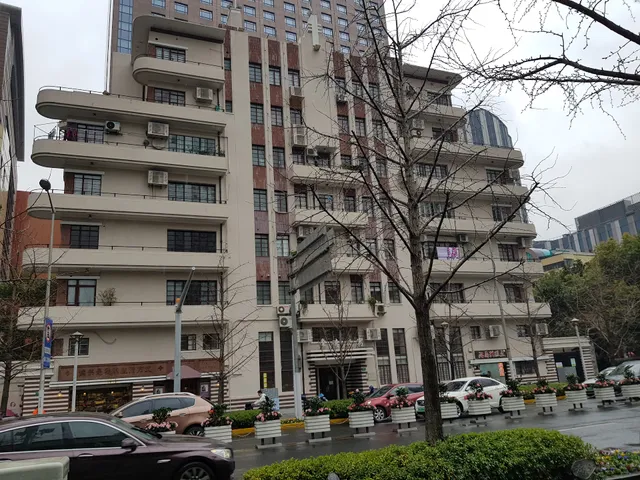
Zhang'ailing Former Residence
4.1
(24)
Open 24 hours
Click for details
Nearby restaurants of Jing'an Temple
Taiwan Rendao Vegetable Dish
Bali Bistro Indonesia Cuisine
大董海参店
静安寺素面
龙记茶餐厅
Aunn Cafe & Co.
汉堡王愚园路店
Sapar Uygur Restaurant
Shanghai Home Restaurant Jingzuofang
WINDOWS TOO
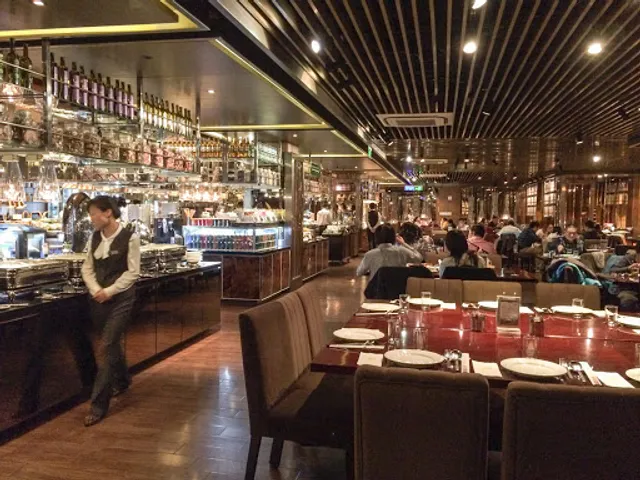
Taiwan Rendao Vegetable Dish
3.8
(15)
Closed
Click for details
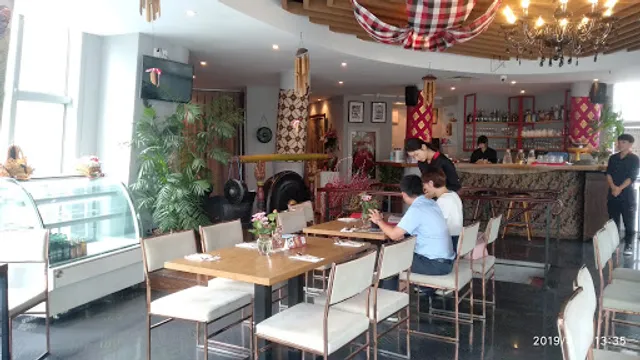
Bali Bistro Indonesia Cuisine
4.1
(34)
Closed
Click for details
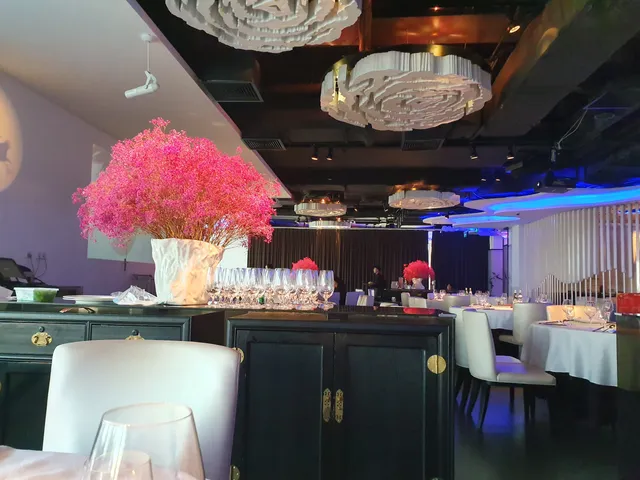
大董海参店
4.4
(33)
Open until 9:00 PM
Click for details
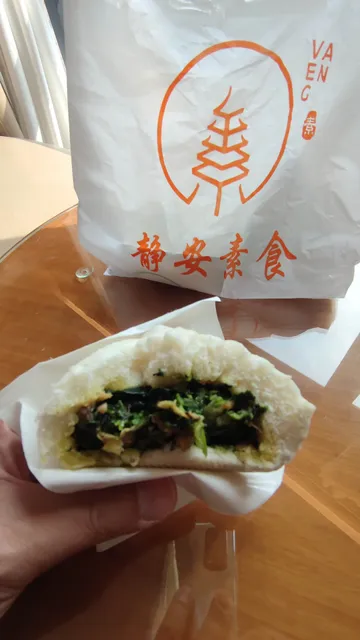
静安寺素面
5.0
(2)
Click for details
Nearby local services of Jing'an Temple
久光百货
Easy Mandarin Chinese School
晶品
Consulate General of Canada in Shanghai
越洋广场
Réel Mall
That's Mandarin
芮欧百货
曹家渡花鸟市场
Yun Feng Theater
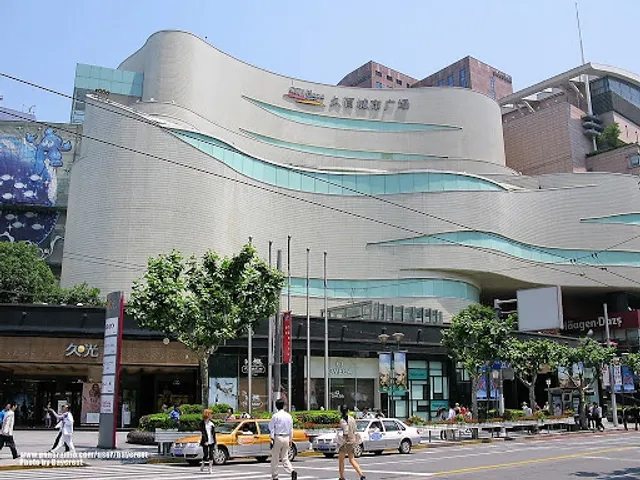
久光百货
4.4
(52)
Click for details
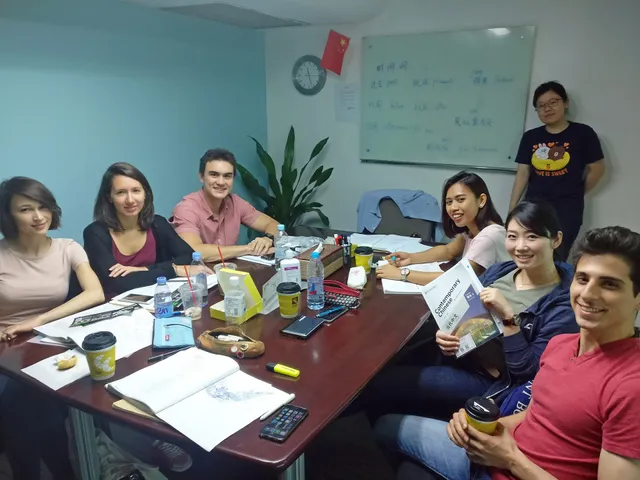
Easy Mandarin Chinese School
4.9
(42)
Click for details
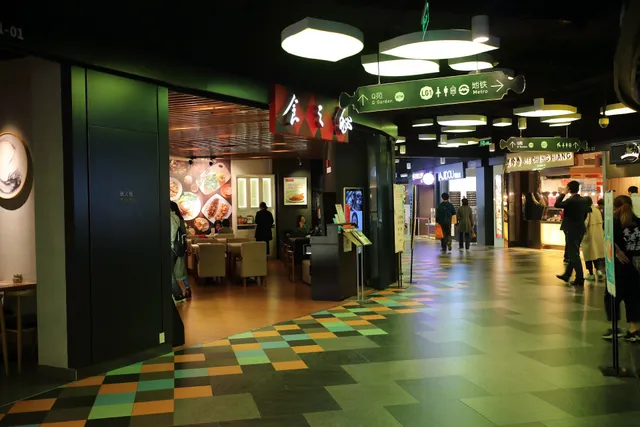
晶品
4.2
(72)
Click for details
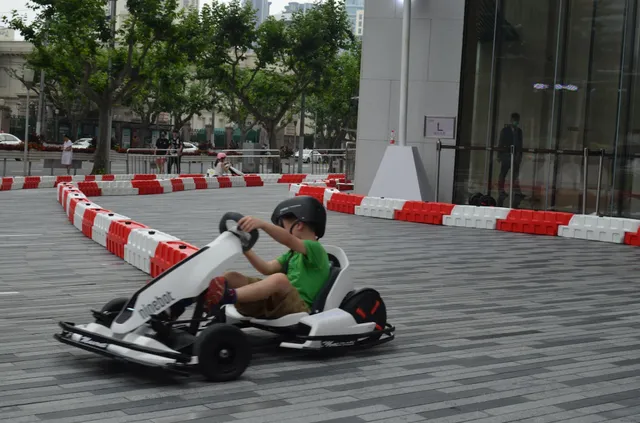
Consulate General of Canada in Shanghai
3.4
(11)
Click for details