Shanghai Natural History Museum. things to do, attractions, restaurants, events info and trip planning
Basic Info
Shanghai Natural History Museum.
Jing'An, China, 200041
4.6(299)
Open 24 hours
Save
spot
spot
Ratings & Description
Info
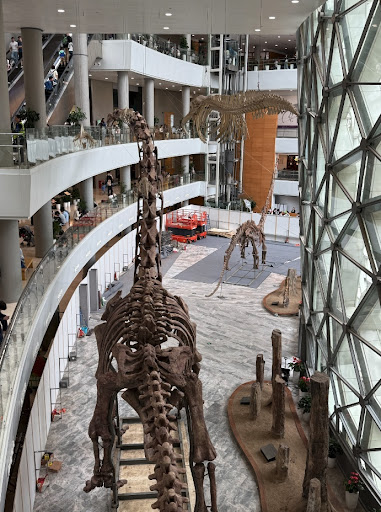
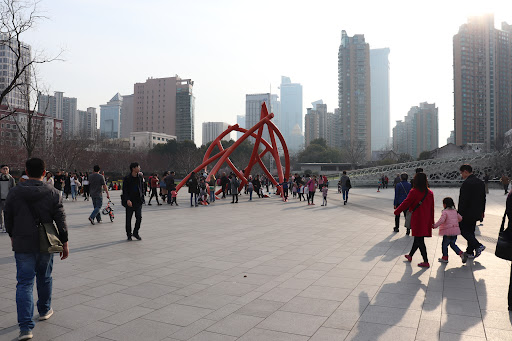
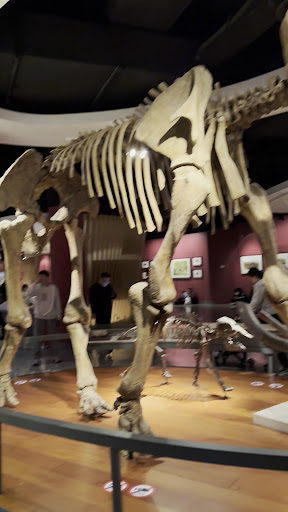
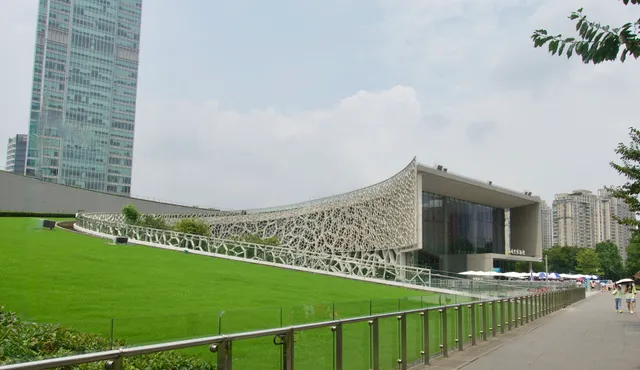
The Shanghai Natural History Museum is a museum dedicated to natural history in the city of Shanghai. It is one of the largest museums of natural sciences in China. Formerly housed in the Shanghai Cotton Exchange Building, the museum was moved to a purpose-built site in the Jing'an Sculpture Park in 2015.
Cultural
Entertainment
Family friendly
Accessibility
attractions: Jing'an Sculpture Park, Phase 2, Hudiewan Garden, Jiuzi Park, Shanghai Historical Museum, Shanghai Real Estate Resource Exhibition Hall, Majestic Theatre, restaurants: Mai Coffee, Starbucks Reserve Roastery 星巴克臻选上海烘焙工坊, Huangdu Cafe, 上海万科隆特香包, 小黑蚝情, 星巴克南京西路店, Yinxi, Chuanfurong, 振鼎鸡, Songji Bakery, local businesses: Jing'an Sculpture Park, 秋勤百货, Hkri Taikoo Hui, 上海电器工业有限公司展销中心, 上海黄圃儿童商场, 818 Plaza, Shanghai Changzheng Hospital, Zhongyi Mansion, Huangpu River, Uniqlo
 Learn more insights from Wanderboat AI.
Phone
+86 21 6321 3548
Website
snhm.org.cn
Plan your stay

Pet-friendly Hotels in Shanghai
Find a cozy hotel nearby and make it a full experience.

Affordable Hotels in Shanghai
Find a cozy hotel nearby and make it a full experience.

The Coolest Hotels You Haven't Heard Of (Yet)
Find a cozy hotel nearby and make it a full experience.

Trending Stays Worth the Hype in Shanghai
Find a cozy hotel nearby and make it a full experience.
Reviews
Nearby attractions of Shanghai Natural History Museum.
Jing'an Sculpture Park
Phase 2, Hudiewan Garden
Jiuzi Park
Shanghai Historical Museum
Shanghai Real Estate Resource Exhibition Hall
Majestic Theatre
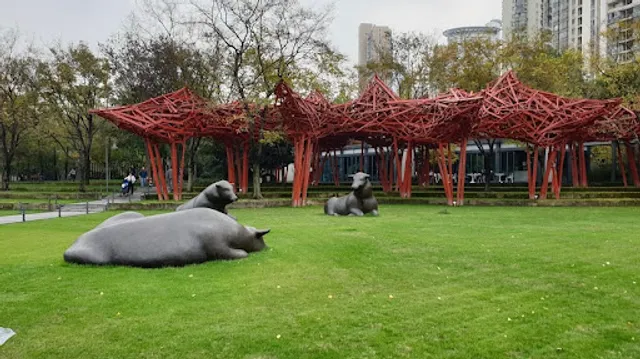
Jing'an Sculpture Park
4.4
(94)
Open 24 hours
Click for details

Phase 2, Hudiewan Garden
4.5
(31)
Open 24 hours
Click for details
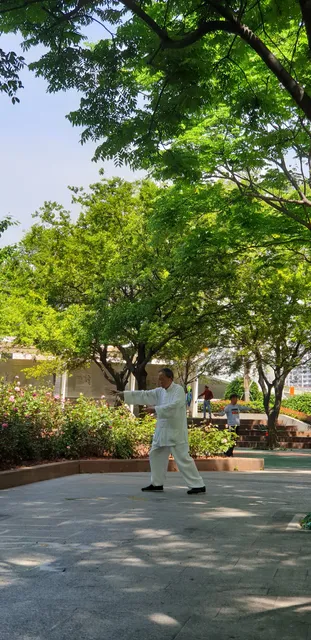
Jiuzi Park
3.9
(9)
Open 24 hours
Click for details
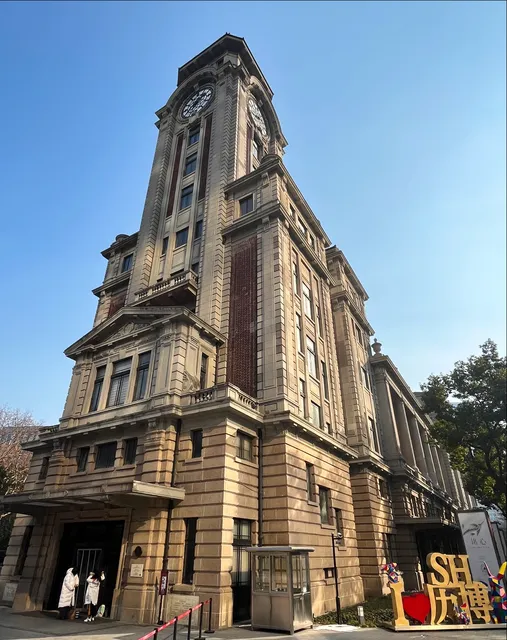
Shanghai Historical Museum
4.6
(47)
Open 24 hours
Click for details
Nearby restaurants of Shanghai Natural History Museum.
Mai Coffee
Starbucks Reserve Roastery 星巴克臻选上海烘焙工坊
Huangdu Cafe
上海万科隆特香包
小黑蚝情
星巴克南京西路店
Yinxi
Chuanfurong
振鼎鸡
Songji Bakery
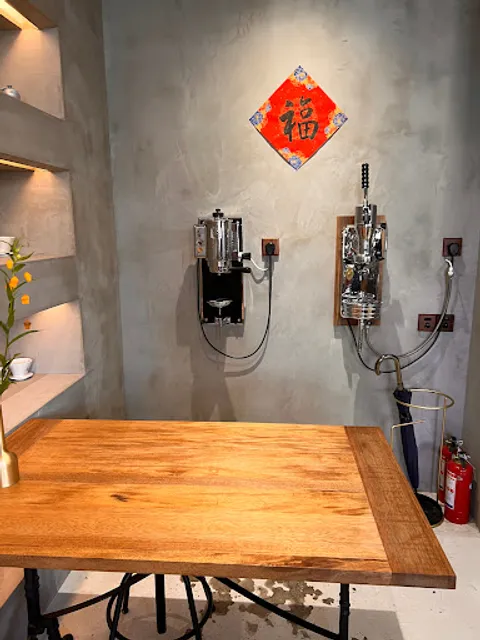
Mai Coffee
4.7
(14)
Click for details
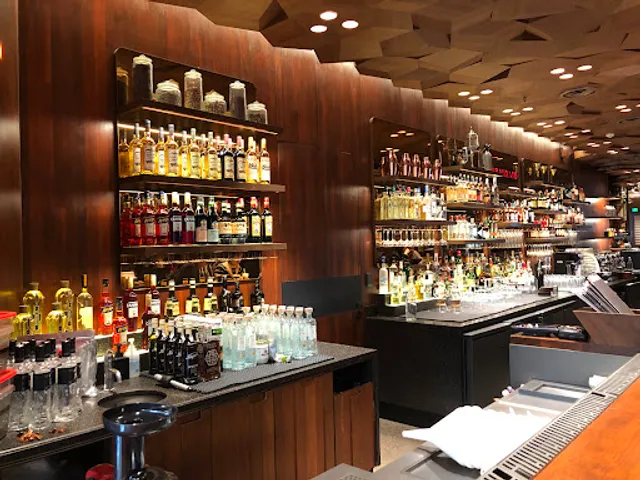
Starbucks Reserve Roastery 星巴克臻选上海烘焙工坊
4.6
(340)
$$
Open until 11:00 PM
Click for details
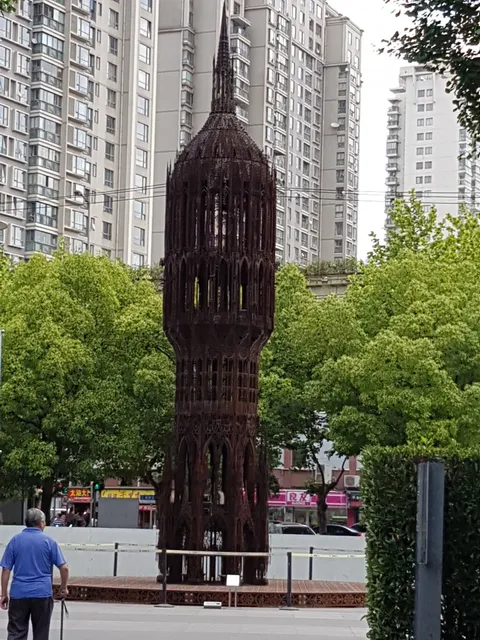
Huangdu Cafe
4.0
(1)
Click for details

上海万科隆特香包
4.5
(15)
Click for details
Nearby local services of Shanghai Natural History Museum.
Jing'an Sculpture Park
秋勤百货
Hkri Taikoo Hui
上海电器工业有限公司展销中心
上海黄圃儿童商场
818 Plaza
Shanghai Changzheng Hospital
Zhongyi Mansion
Huangpu River
Uniqlo
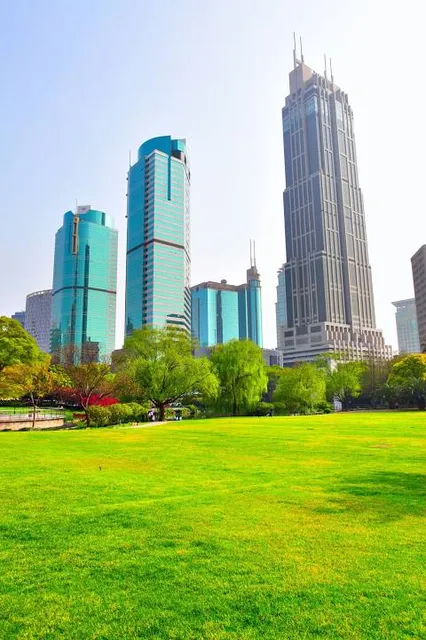
Jing'an Sculpture Park
4.4
(84)
Click for details

秋勤百货
4.0
(21)
Click for details

Hkri Taikoo Hui
4.5
(237)
Click for details

上海电器工业有限公司展销中心
4.0
(72)
Click for details