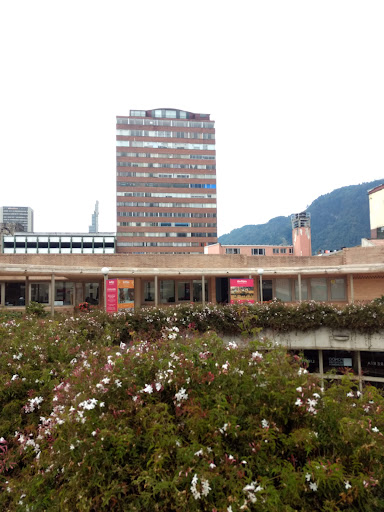
Gabriel García Márquez Cultural Center things to do, attractions, restaurants, events info and trip planning
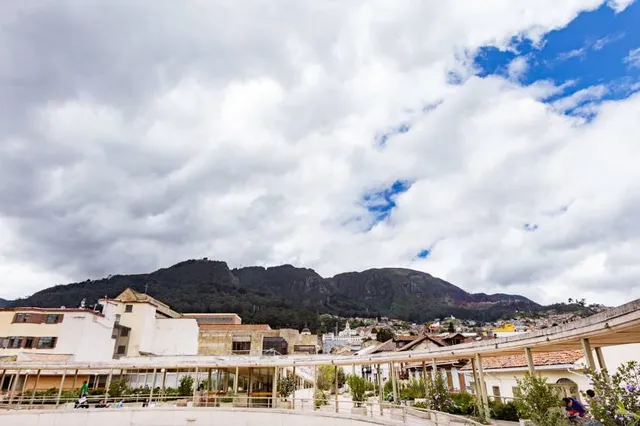
Basic Info
Gabriel García Márquez Cultural Center
Cl. 11 #5-60, Bogotá, Colombia
4.7(4K)
Closed
Save
spot
spot
Ratings & Description
Info
Cultural
Accessibility
Family friendly
attractions: Plaza de Bolívar, Plaza de Bolívar, Plaza de Bolívar, Botero Museum, Teatro Colón Bogotá, Catedral Primada de Colombia, Coin and bill Production Museum, Independence Museum - Casa del Florero, Military Museum of Colombia, Museo Colonial, restaurants: La Puerta Falsa Restaurant, Madre, La Real Gallina Criolla, Hotel de la Opera, LA GRAN PAELLA DE LA CANDELARIA, Mi Viejo Candelaria - Centro Histórico, El Duende Restaurante, El Duende Restaurante, Zaguan del Humo, Gabriel Pizza Pasta Pan, local businesses: Calle Real De La Candelaria Shopping Mall, Centro Nacional de las Artes Delia Zapata Olivella, Palacio Liévano, Archdiocese of Bogotá, Colombian Emeralds - Emerald by Love, Palacio de Justicia Alfonso Reyes Echandia, Bogota Bike Tours, Transmilenio Gold Museum, Beyond Colombia, Iglesia de la Concepcion
 Learn more insights from Wanderboat AI.
Phone
+57 12832200
Open hoursSee all hours
Thu9 AM - 6 PMClosed
Plan your stay

Pet-friendly Hotels in Bogota, Capital District
Find a cozy hotel nearby and make it a full experience.

Affordable Hotels in Bogota, Capital District
Find a cozy hotel nearby and make it a full experience.

The Coolest Hotels You Haven't Heard Of (Yet)
Find a cozy hotel nearby and make it a full experience.

Trending Stays Worth the Hype in Bogota, Capital District
Find a cozy hotel nearby and make it a full experience.
Reviews
Live events
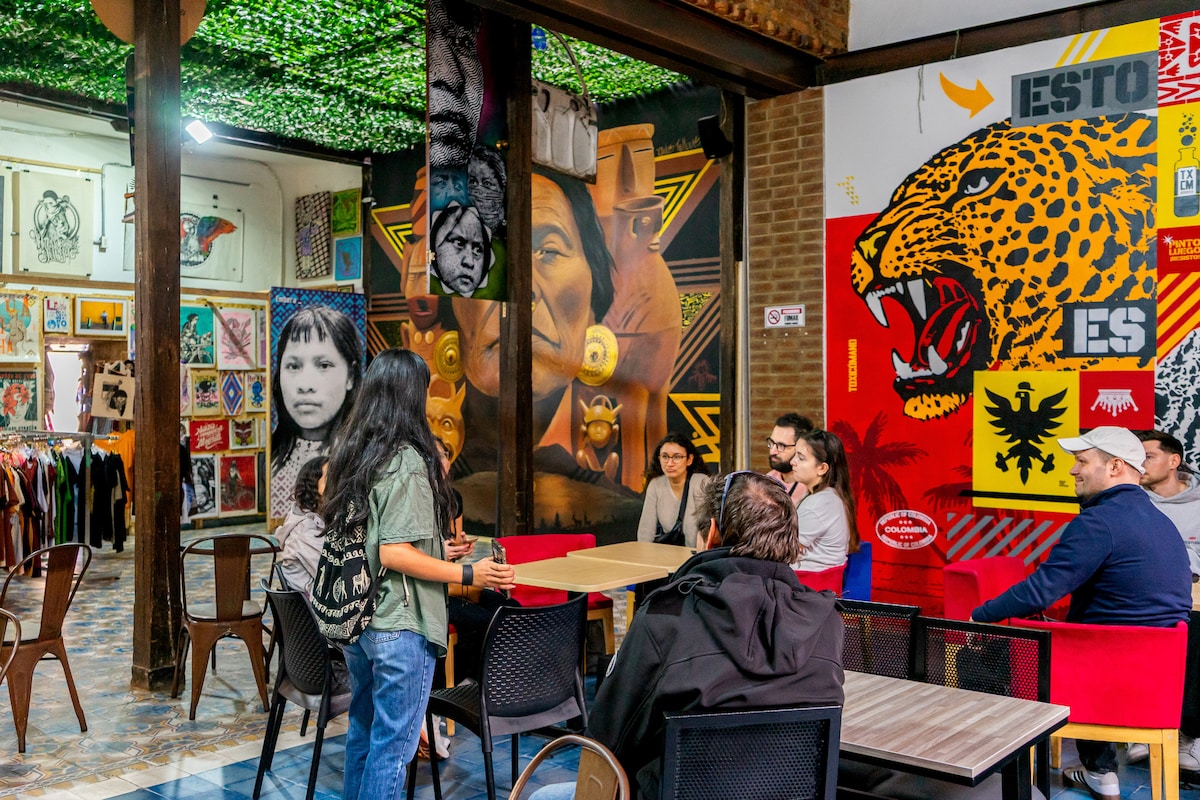
Take a Shared Walking Tour of La Candelaria
Thu, Feb 26 • 10:00 AM
Bogotá, Bogota, Colombia
View details
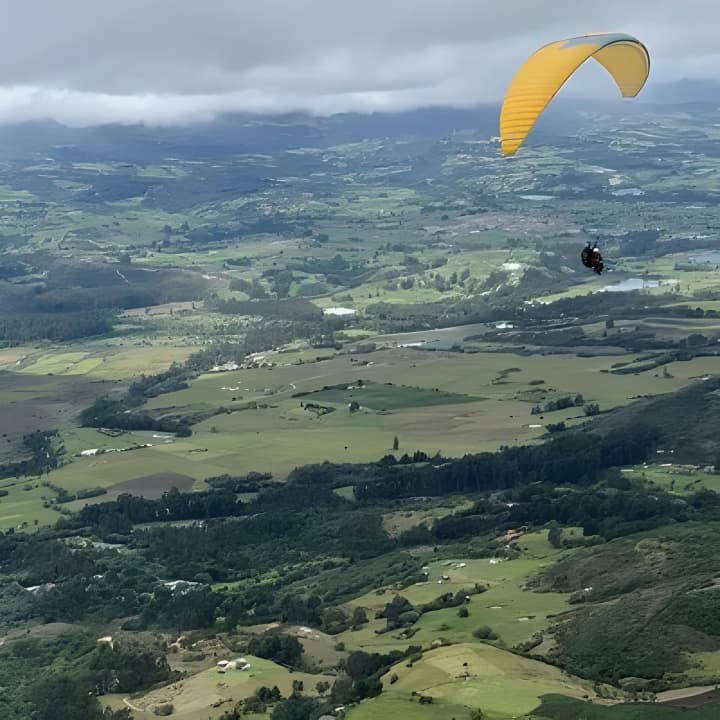
Experiencia de parapente en La Calera
Thu, Feb 26 • 6:00 AM
Finca Los trinos, La Calera, 251207
View details
Nearby attractions of Gabriel García Márquez Cultural Center
Plaza de Bolívar
Plaza de Bolívar
Plaza de Bolívar
Botero Museum
Teatro Colón Bogotá
Catedral Primada de Colombia
Coin and bill Production Museum
Independence Museum - Casa del Florero
Military Museum of Colombia
Museo Colonial
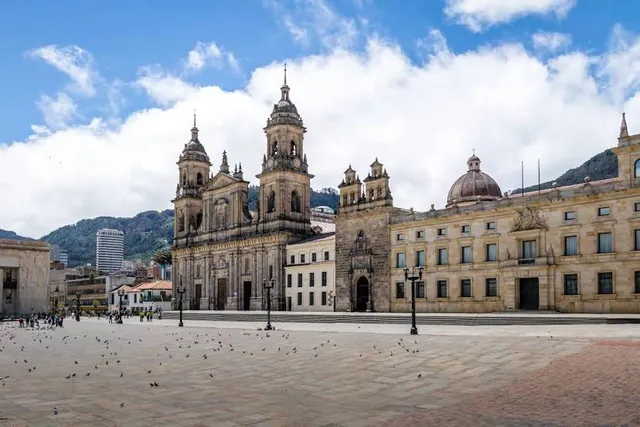
Plaza de Bolívar
4.6
(30.8K)
Open until 12:00 AM
Click for details
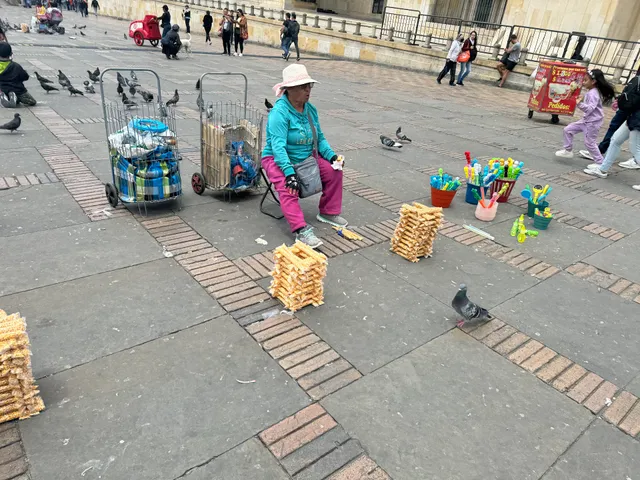
Plaza de Bolívar
4.6
(30.2K)
Open until 12:00 AM
Click for details
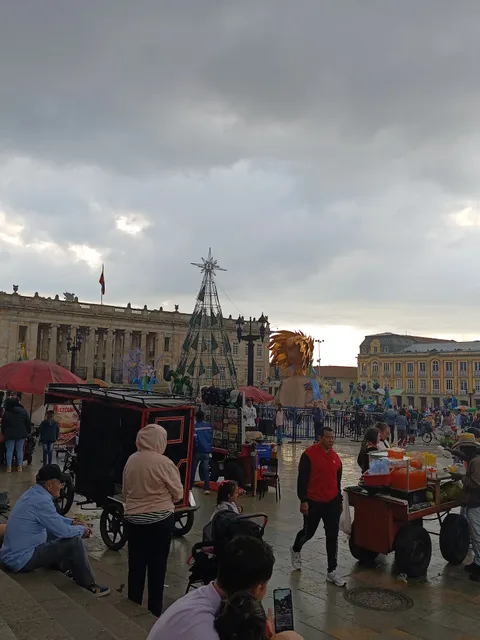
Plaza de Bolívar
4.6
(30.9K)
Open until 12:00 AM
Click for details
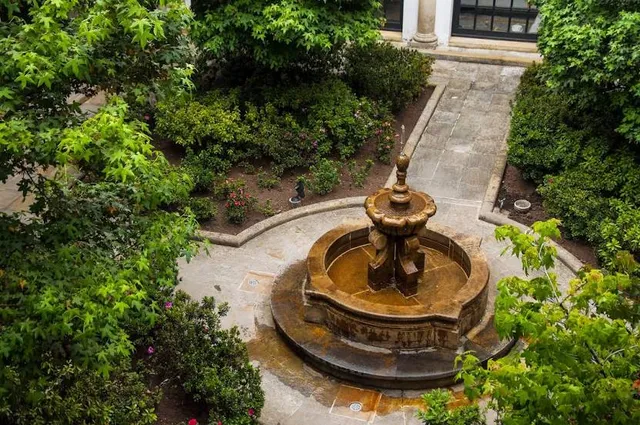
Botero Museum
4.8
(9.8K)
Closed
Click for details
Nearby restaurants of Gabriel García Márquez Cultural Center
La Puerta Falsa Restaurant
Madre
La Real Gallina Criolla
Hotel de la Opera
LA GRAN PAELLA DE LA CANDELARIA
Mi Viejo Candelaria - Centro Histórico
El Duende Restaurante
El Duende Restaurante
Zaguan del Humo
Gabriel Pizza Pasta Pan
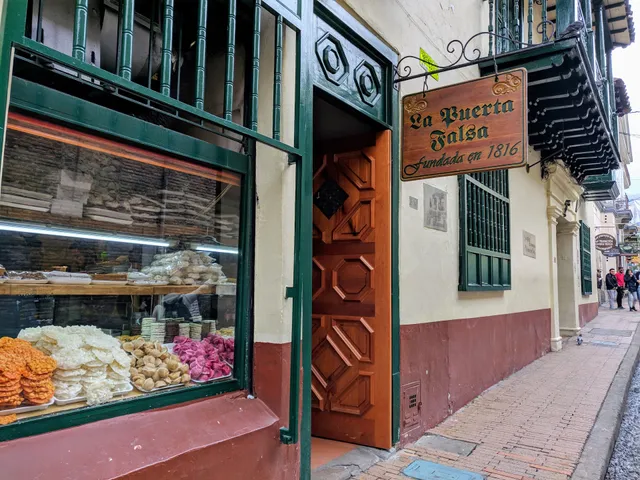
La Puerta Falsa Restaurant
4.3
(2.5K)
Open until 7:30 PM
Click for details
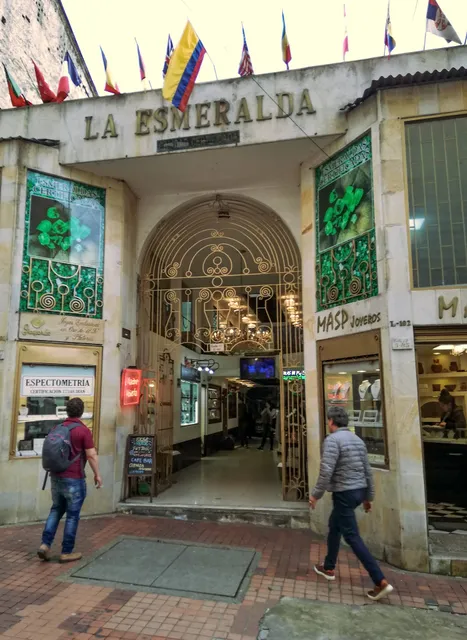
Madre
4.6
(1.6K)
$$$
Closed
Click for details
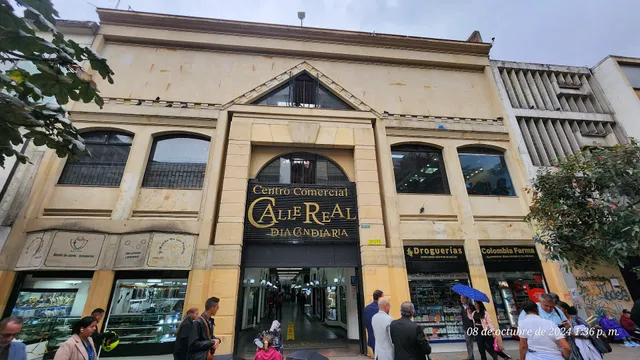
La Real Gallina Criolla
4.6
(734)
Closed
Click for details
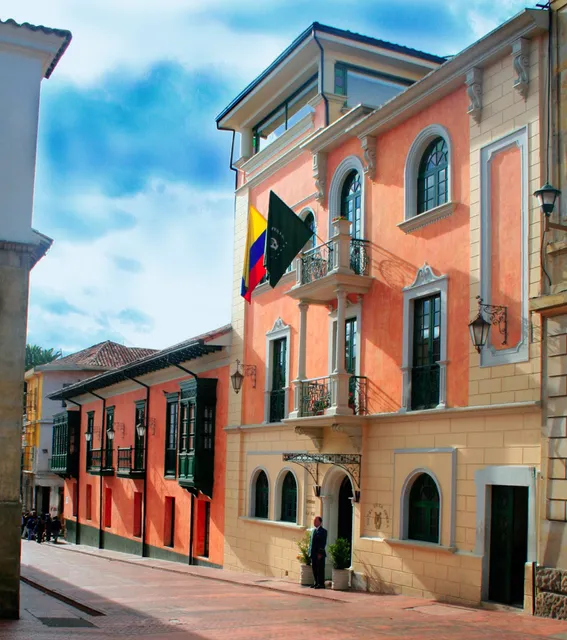
Hotel de la Opera
4.5
(628)
Click for details
Nearby local services of Gabriel García Márquez Cultural Center
Calle Real De La Candelaria Shopping Mall
Centro Nacional de las Artes Delia Zapata Olivella
Palacio Liévano
Archdiocese of Bogotá
Colombian Emeralds - Emerald by Love
Palacio de Justicia Alfonso Reyes Echandia
Bogota Bike Tours
Transmilenio Gold Museum
Beyond Colombia
Iglesia de la Concepcion
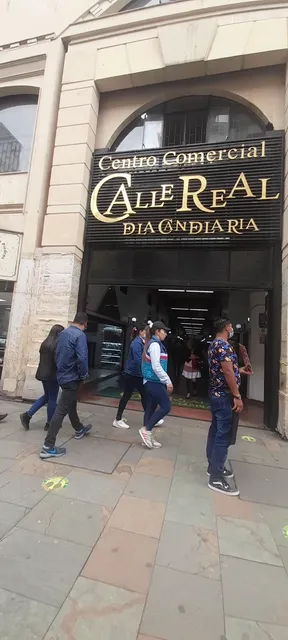
Calle Real De La Candelaria Shopping Mall
4.4
(1.4K)
Click for details
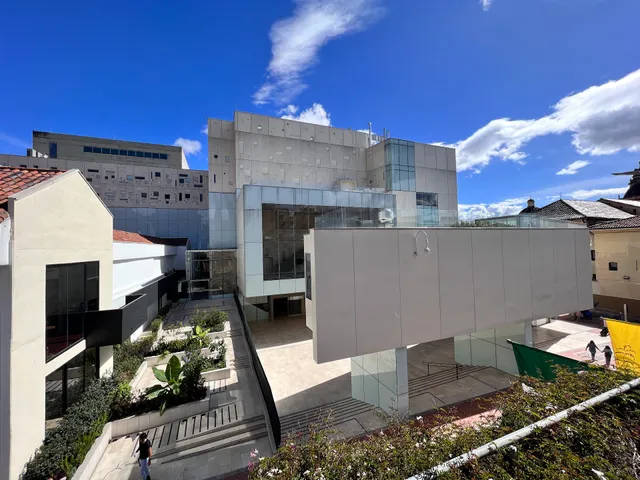
Centro Nacional de las Artes Delia Zapata Olivella
4.9
(378)
Click for details

Palacio Liévano
4.4
(415)
Click for details
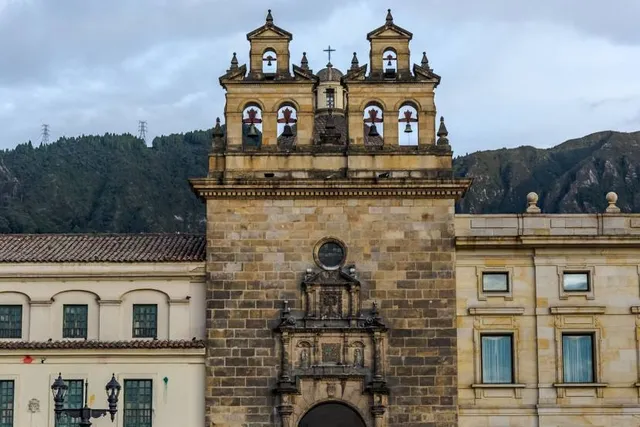
Archdiocese of Bogotá
4.7
(108)
Click for details