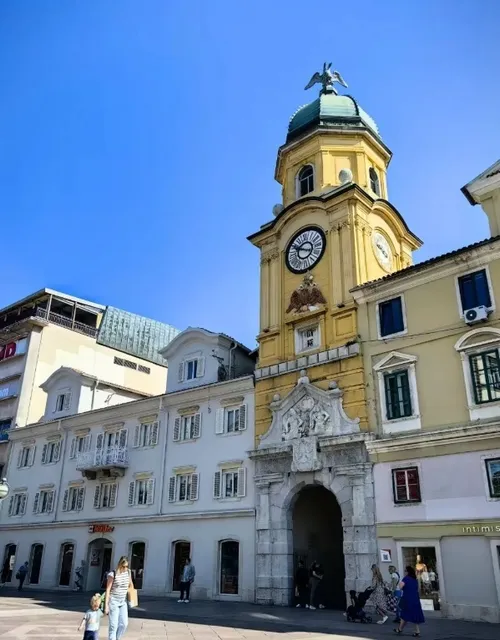
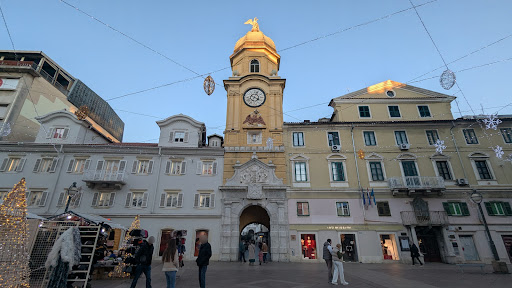
City Clock Tower things to do, attractions, restaurants, events info and trip planning
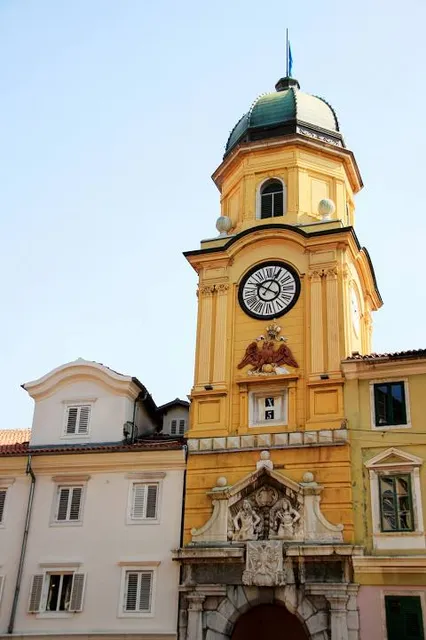
Basic Info
City Clock Tower
Trg Ivana Koblera 1, 51000, Rijeka, Croatia
4.5(790)
Open until 12:00 AM
Save
spot
spot
Ratings & Description
Info
Cultural
Scenic
Family friendly
Accessibility
attractions: Saint Vitus’ Cathedral, Rijeka Tunnel, Old Roman Arch, PEEK&POKE Computer Museum, Park Nikole Hosta, Muzej Farmacije, Maritime and History Museum of the Croatian Coast, Natural History Museum Rijeka, Riječke stepenice, Turkish House, restaurants: Garçon, Concept Restaurant&Bar Rijeka, Azura - Lounge | Eat | Club, Slastičarna The Que, APOTHECA, aROMA gelato experience Boutique Rijeka, El Rio, local businesses: Bridge of Croatian Defenders from the Homeland War, Roomescape Rijeka by Fox in a box, Monument of Liberation
 Learn more insights from Wanderboat AI.
Phone
+385 51 335 882
Website
visitrijeka.hr
Open hoursSee all hours
SunOpen 24 hoursOpen
Plan your stay

Pet-friendly Hotels in Grad Rijeka
Find a cozy hotel nearby and make it a full experience.

Affordable Hotels in Grad Rijeka
Find a cozy hotel nearby and make it a full experience.

The Coolest Hotels You Haven't Heard Of (Yet)
Find a cozy hotel nearby and make it a full experience.

Trending Stays Worth the Hype in Grad Rijeka
Find a cozy hotel nearby and make it a full experience.
Reviews
Live events
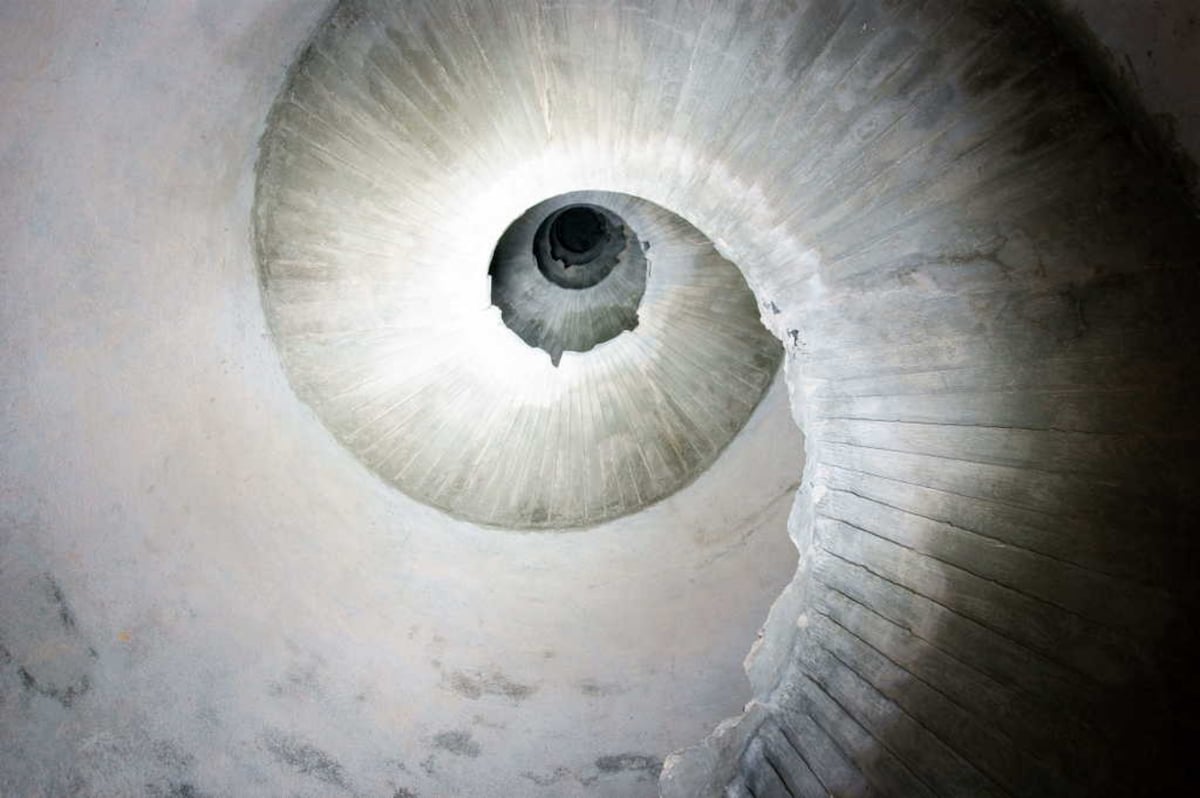
Explore post-WW1 bunker
Tue, Feb 24 • 4:30 PM
51000, Rijeka, Croatia
View details
Nearby attractions of City Clock Tower
Saint Vitus’ Cathedral
Rijeka Tunnel
Old Roman Arch
PEEK&POKE Computer Museum
Park Nikole Hosta
Muzej Farmacije
Maritime and History Museum of the Croatian Coast
Natural History Museum Rijeka
Riječke stepenice
Turkish House
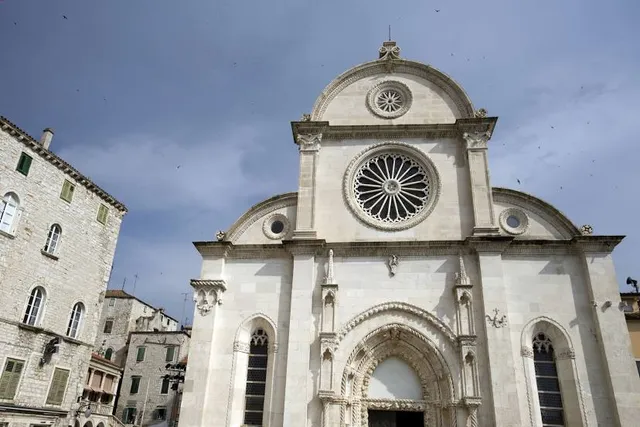
Saint Vitus’ Cathedral
4.5
(504)
Closed
Click for details
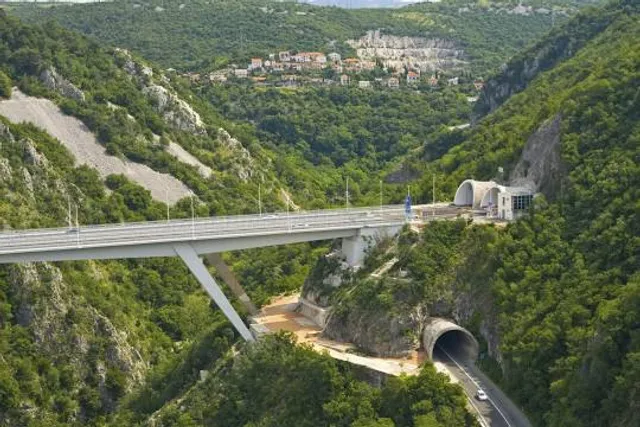
Rijeka Tunnel
4.2
(293)
Open until 12:00 AM
Click for details
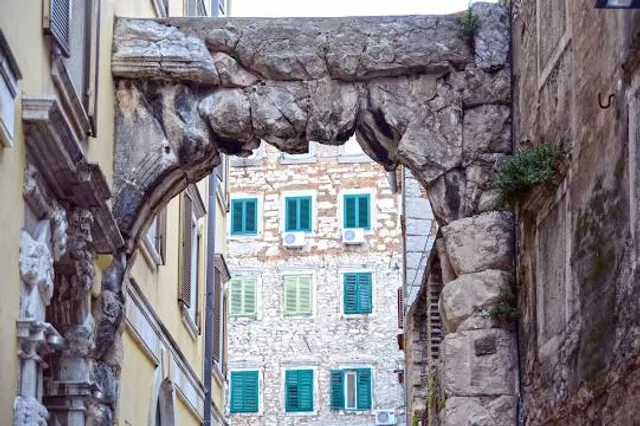
Old Roman Arch
4.3
(87)
Open 24 hours
Click for details

PEEK&POKE Computer Museum
4.9
(520)
Open until 12:00 AM
Click for details
Nearby restaurants of City Clock Tower
Garçon
Concept Restaurant&Bar Rijeka
Azura - Lounge | Eat | Club
Slastičarna The Que
APOTHECA
aROMA gelato experience Boutique Rijeka
El Rio
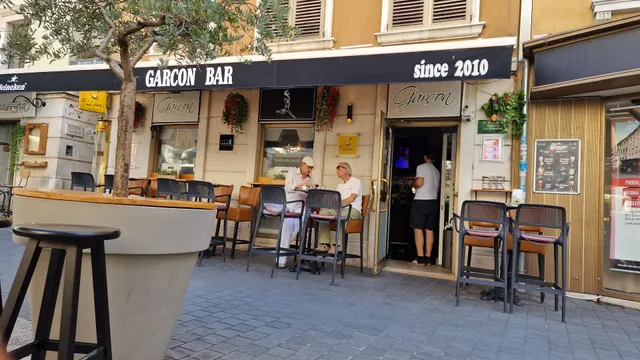
Garçon
4.3
(338)
Closed
Click for details
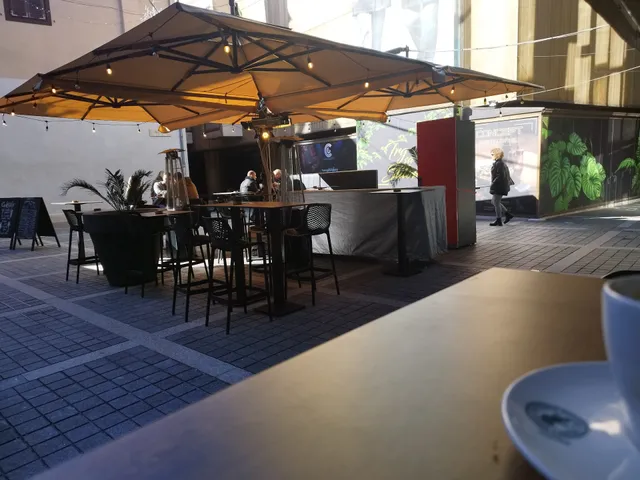
Concept Restaurant&Bar Rijeka
4.3
(147)
$$
Open until 12:00 AM
Click for details
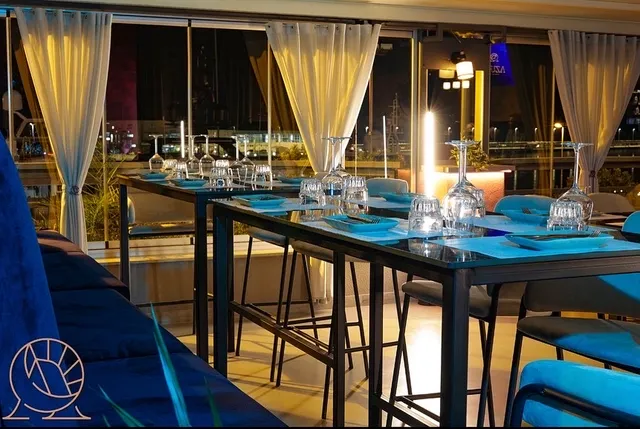
Azura - Lounge | Eat | Club
4.2
(346)
Open until 1:00 AM
Click for details
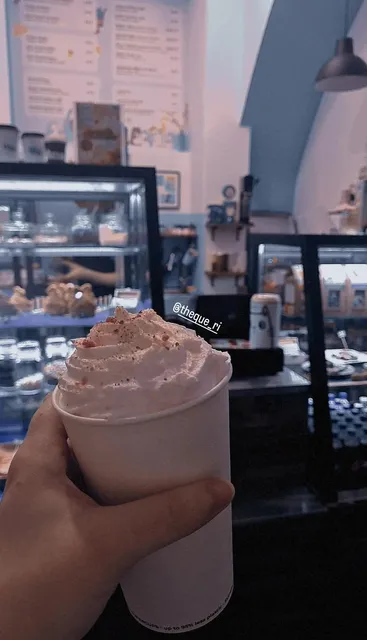
Slastičarna The Que
4.8
(132)
Click for details
Nearby local services of City Clock Tower
Bridge of Croatian Defenders from the Homeland War
Roomescape Rijeka by Fox in a box
Monument of Liberation
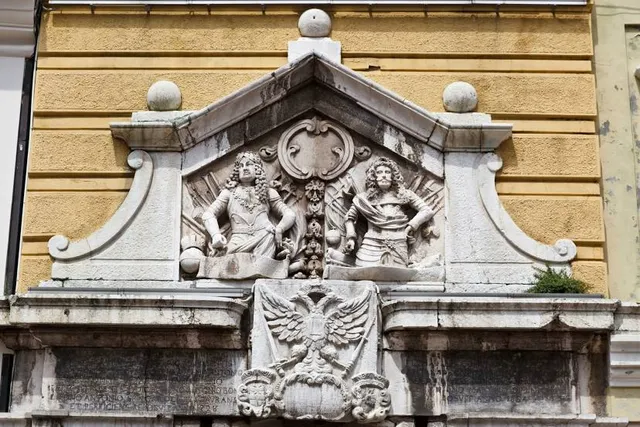
Bridge of Croatian Defenders from the Homeland War
4.4
(335)
Click for details
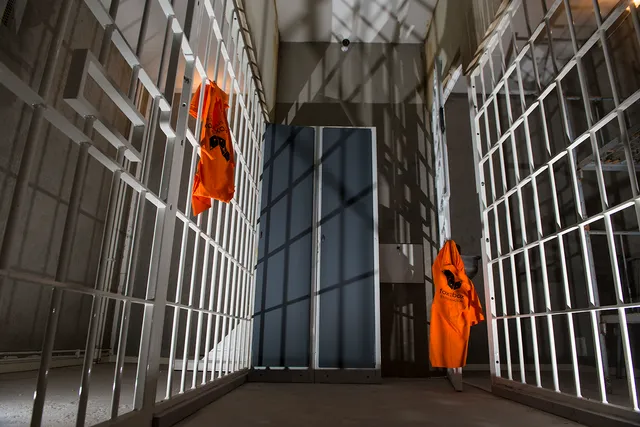
Roomescape Rijeka by Fox in a box
4.8
(75)
Click for details
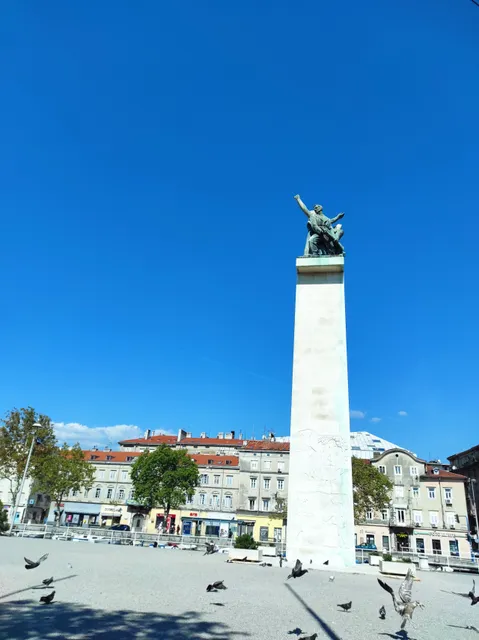
Monument of Liberation
4.6
(42)
Click for details