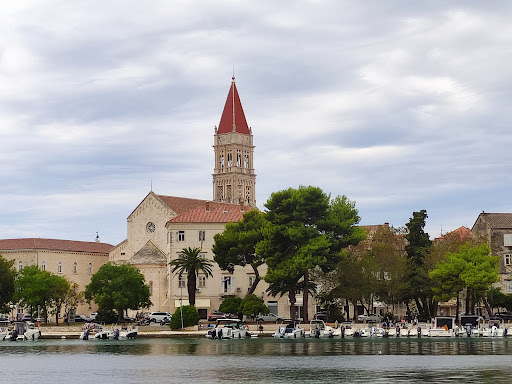
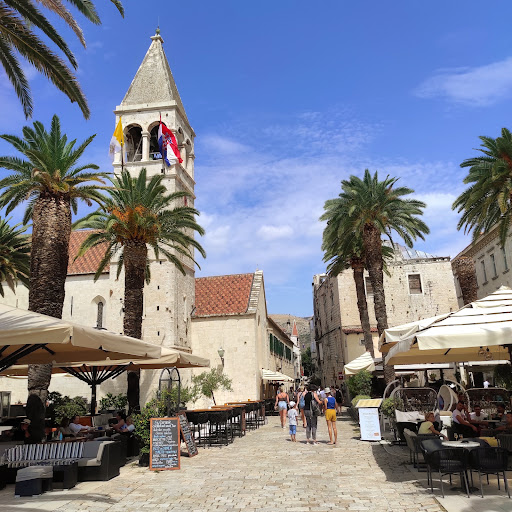
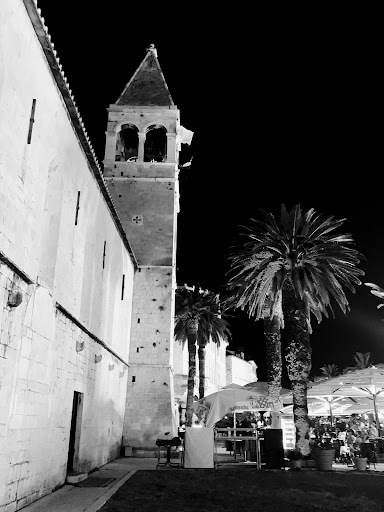
Church and monastery of St. Dominic things to do, attractions, restaurants, events info and trip planning
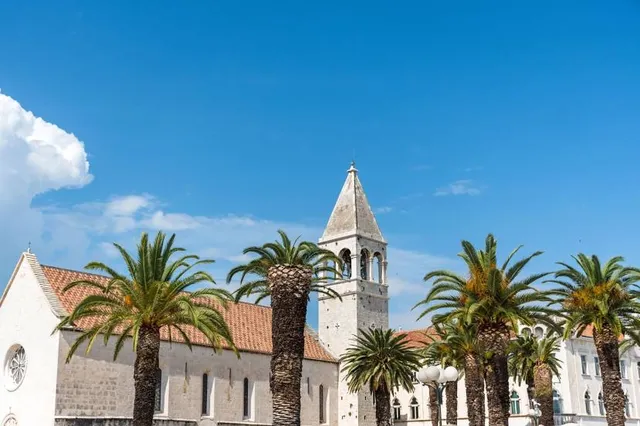
Basic Info
Church and monastery of St. Dominic
Obala bana Berislavića 17, 21220, Trogir, Croatia
4.8(116)
Closed
Save
spot
spot
Ratings & Description
Info
Cultural
Scenic
Relaxation
Family friendly
Accessibility
attractions: Kamerlengo Castle, Trogir Old Town, City Loggia Trogir, Trogir City Museum, Cipiko Palace, Trogir Ciovo, Gradska Plaža Trogir, restaurants: Đovani Gelateria and Pasticceria, Konoba Trs, Gelateria Europa, Restoran il Ponte, 7 Palmi Gelateria, Gelato bar Bella, Gelateria RIVIERA, local businesses: St. Lawrence’s Cathedral, St. Lawrence's Cathedral, Park Žudika, Chapel of Saint John of Trogir, Via Crucis underwater museum, Saldun beach
 Learn more insights from Wanderboat AI.
Phone
+385 21 245 137
Website
dominikanci.hr
Open hoursSee all hours
Tue9 AM - 5 PMClosed
Plan your stay

Pet-friendly Hotels in Grad Trogir
Find a cozy hotel nearby and make it a full experience.

Affordable Hotels in Grad Trogir
Find a cozy hotel nearby and make it a full experience.

The Coolest Hotels You Haven't Heard Of (Yet)
Find a cozy hotel nearby and make it a full experience.

Trending Stays Worth the Hype in Grad Trogir
Find a cozy hotel nearby and make it a full experience.
Reviews
Live events
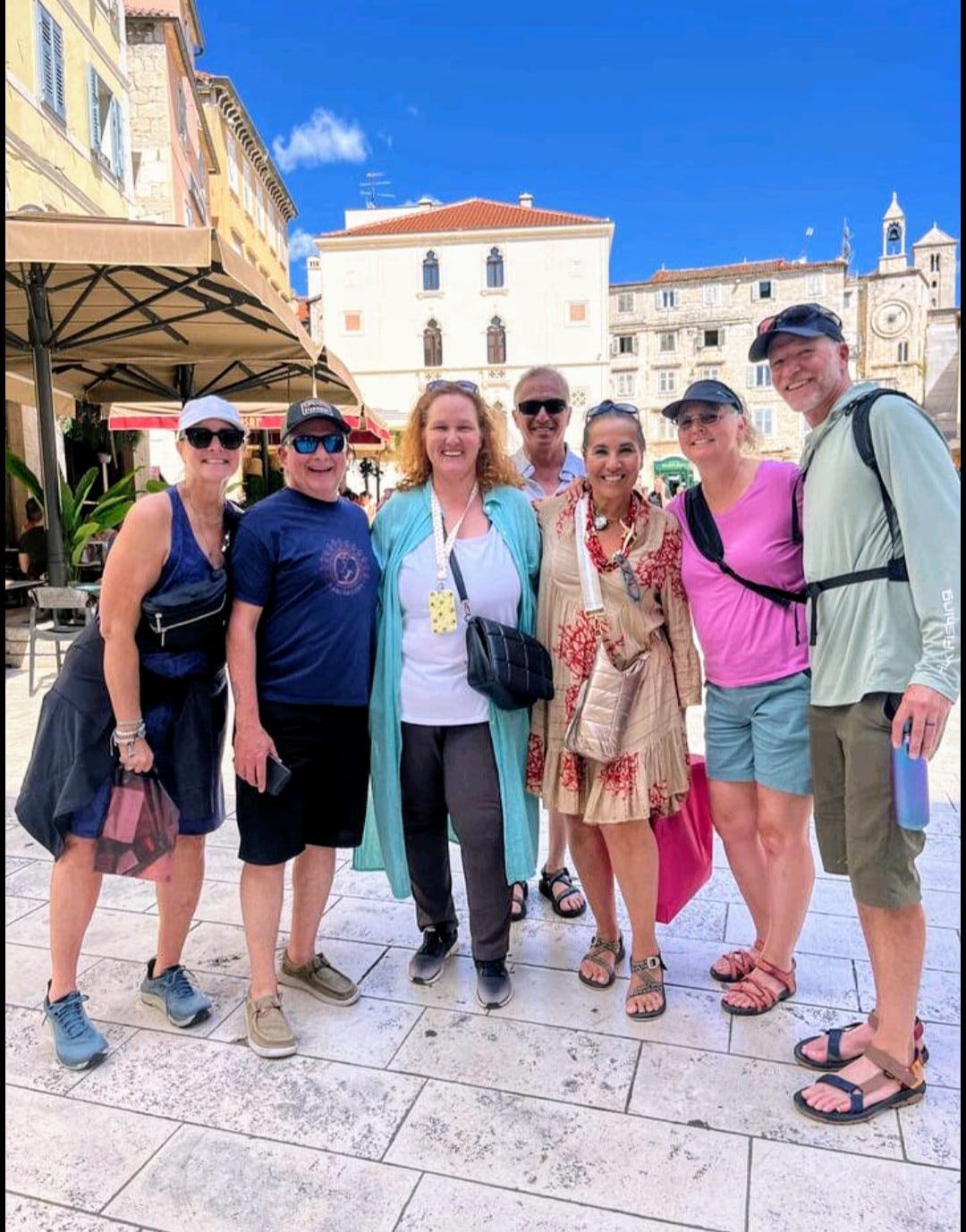
Authentic Split walking tour with locals
Tue, Feb 24 • 10:00 AM
21000, Split, Croatia
View details
Nearby attractions of Church and monastery of St. Dominic
Kamerlengo Castle
Trogir Old Town
City Loggia Trogir
Trogir City Museum
Cipiko Palace
Trogir Ciovo
Gradska Plaža Trogir
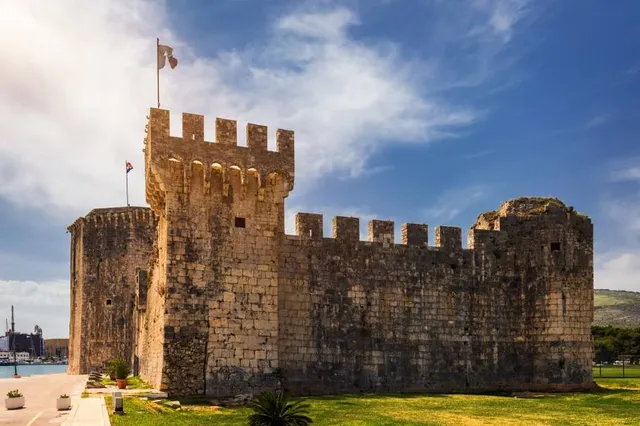
Kamerlengo Castle
4.5
(2.5K)
Closed
Click for details
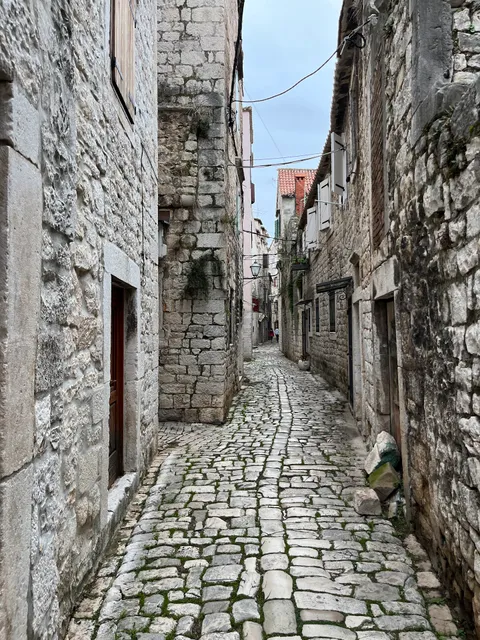
Trogir Old Town
4.8
(4.6K)
Open until 12:00 AM
Click for details
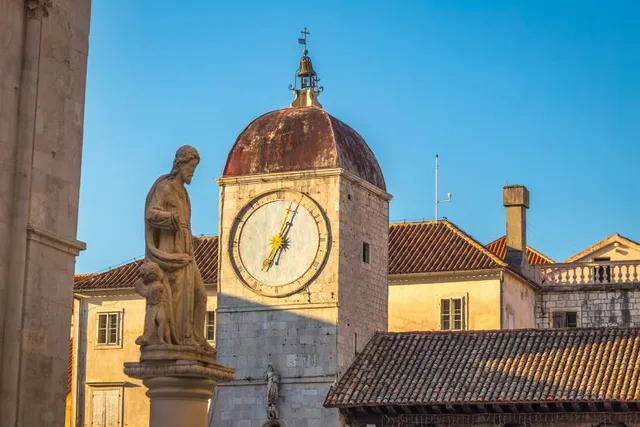
City Loggia Trogir
4.7
(119)
Open 24 hours
Click for details
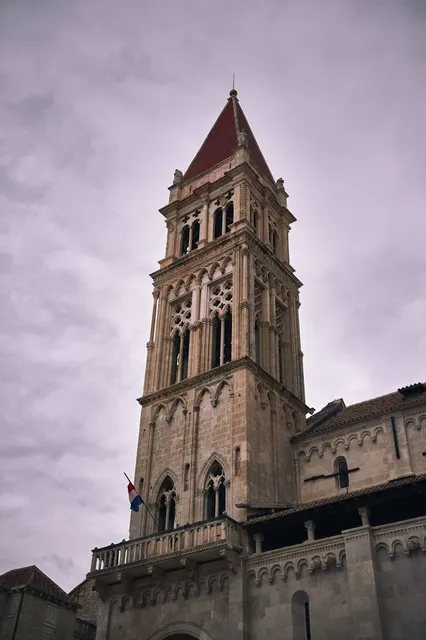
Trogir City Museum
4.5
(116)
Closed
Click for details
Nearby restaurants of Church and monastery of St. Dominic
Đovani Gelateria and Pasticceria
Konoba Trs
Gelateria Europa
Restoran il Ponte
7 Palmi Gelateria
Gelato bar Bella
Gelateria RIVIERA
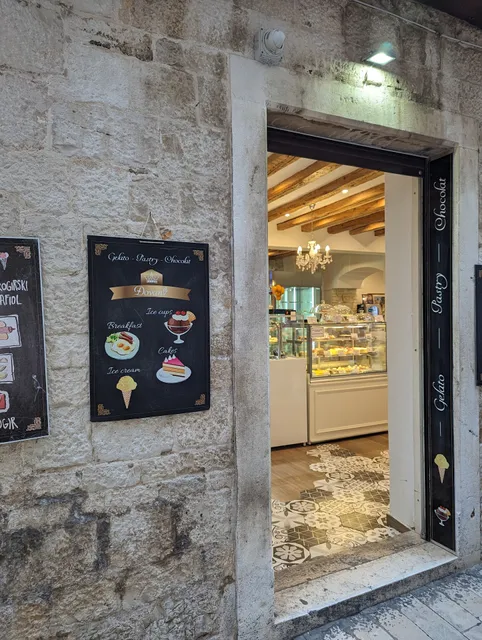
Đovani Gelateria and Pasticceria
4.5
(627)
$$
Closed
Click for details
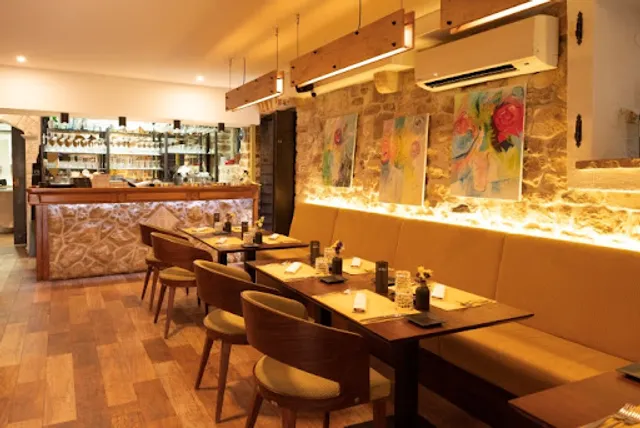
Konoba Trs
4.7
(548)
Click for details
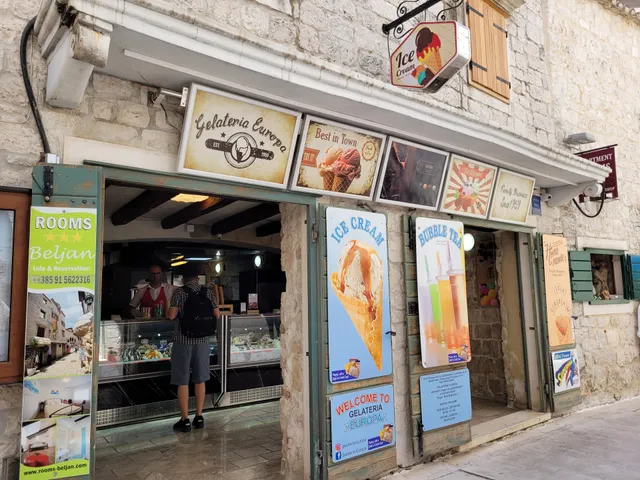
Gelateria Europa
4.5
(74)
Click for details
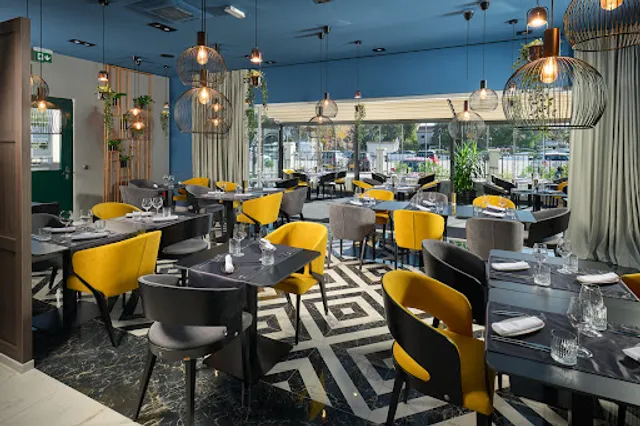
Restoran il Ponte
4.8
(532)
Closed
Click for details
Nearby local services of Church and monastery of St. Dominic
St. Lawrence’s Cathedral
St. Lawrence's Cathedral
Park Žudika
Chapel of Saint John of Trogir
Via Crucis underwater museum
Saldun beach
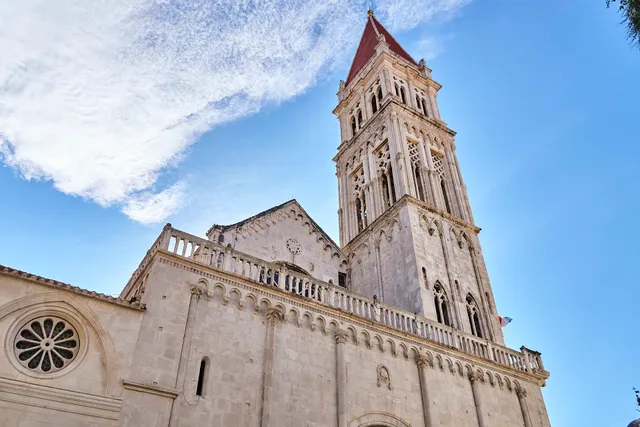
St. Lawrence’s Cathedral
4.6
(1.7K)
Click for details
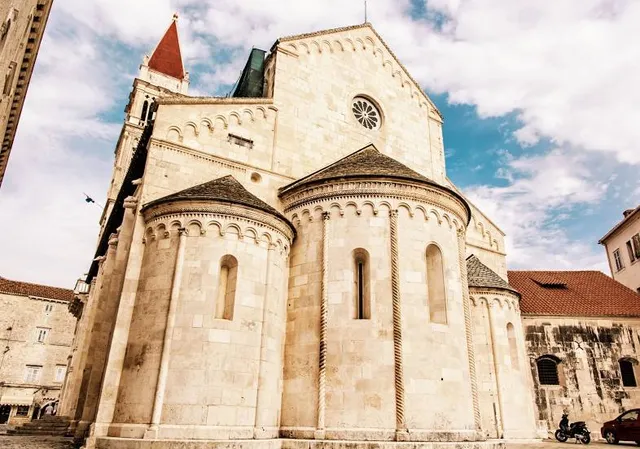
St. Lawrence's Cathedral
4.6
(1.4K)
Click for details
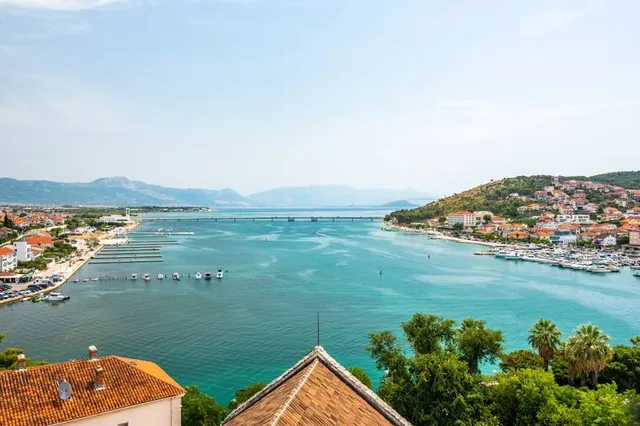
Park Žudika
4.4
(36)
Click for details
Chapel of Saint John of Trogir
4.5
(10)
Click for details