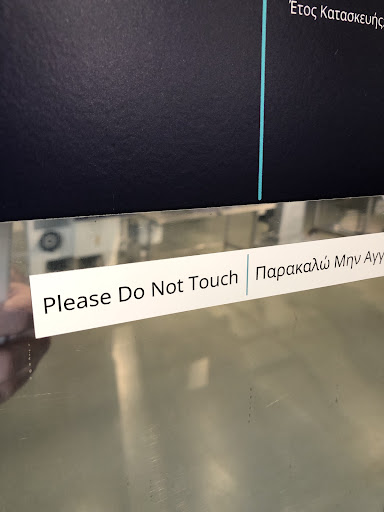
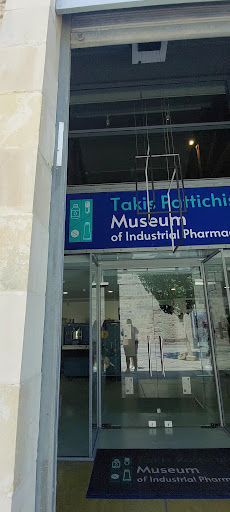
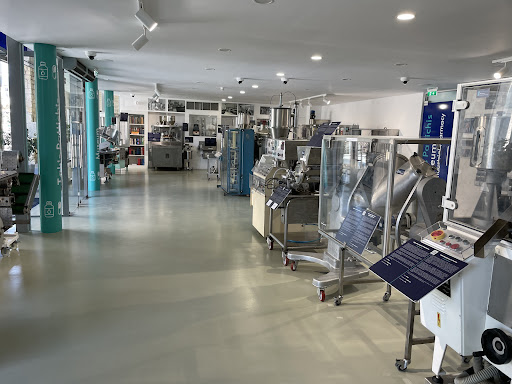
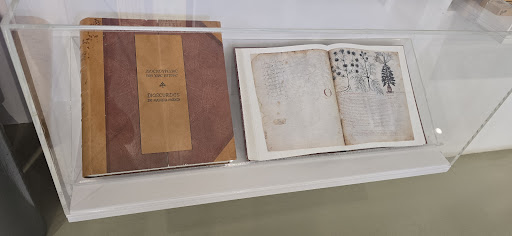
Museum of Industrial Pharmacy things to do, attractions, restaurants, events info and trip planning
Basic Info
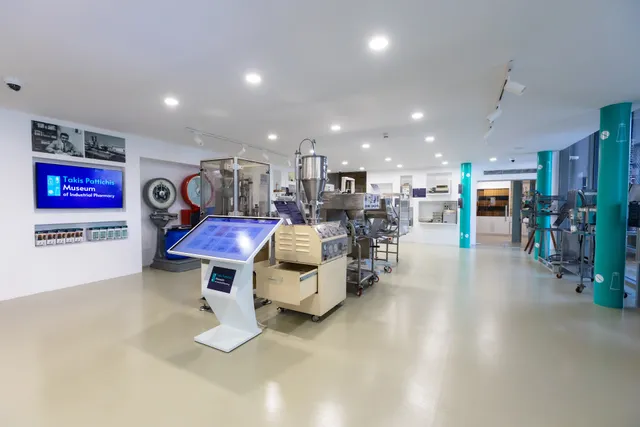
Museum of Industrial Pharmacy
Vasilssis Street, Limassol 3042, Cyprus
4.8(43)
Open until 6:00 PM
Save
spot
spot
Ratings & Description
Info
Cultural
Accessibility
attractions: Limassol Castle - Cyprus Medieval Museum, Limassol Marina, Paradox Museum Limassol, Ancient Tombs, Gallery Morfi, ESCAPE Limassol Old Town, Ayia Napa Cathedral, Molos, Molos Main Pier, Marina beach, restaurants: Karatello Tavern, Draught Microbrewery, Artima Restaurant, Ousia Soulful Kitchen, THYMARI Grill & Salad, IL Castello Restaurant, Afxentis Fish Restaurant, Asado kosher, Jam Limassol, Tartufo Restaurant, local businesses: Carob Mill Restaurants Head Office, Old Port, Paradox Museum Limassol, Spartis 6, Limassol Marina Car Park, E.Pyrga Old Port Limassol, Limassol Grand Mosque, Ravens Music Hall Limassol, Molos, Limassol Old Port
 Learn more insights from Wanderboat AI.
Website
pattichismuseum.cy
Open hoursSee all hours
Wed9:30 a.m. - 6 p.m.Open
Plan your stay

Pet-friendly Hotels in Limassol Municipality
Find a cozy hotel nearby and make it a full experience.

Affordable Hotels in Limassol Municipality
Find a cozy hotel nearby and make it a full experience.

The Coolest Hotels You Haven't Heard Of (Yet)
Find a cozy hotel nearby and make it a full experience.

Trending Stays Worth the Hype in Limassol Municipality
Find a cozy hotel nearby and make it a full experience.
Reviews
Live events

Frm Limassol: Troodos Mountains Full Day Wine Tour
Wed, Feb 11 • 8:00 AM
Limassol, Limassol, 3040, Cyprus
View details
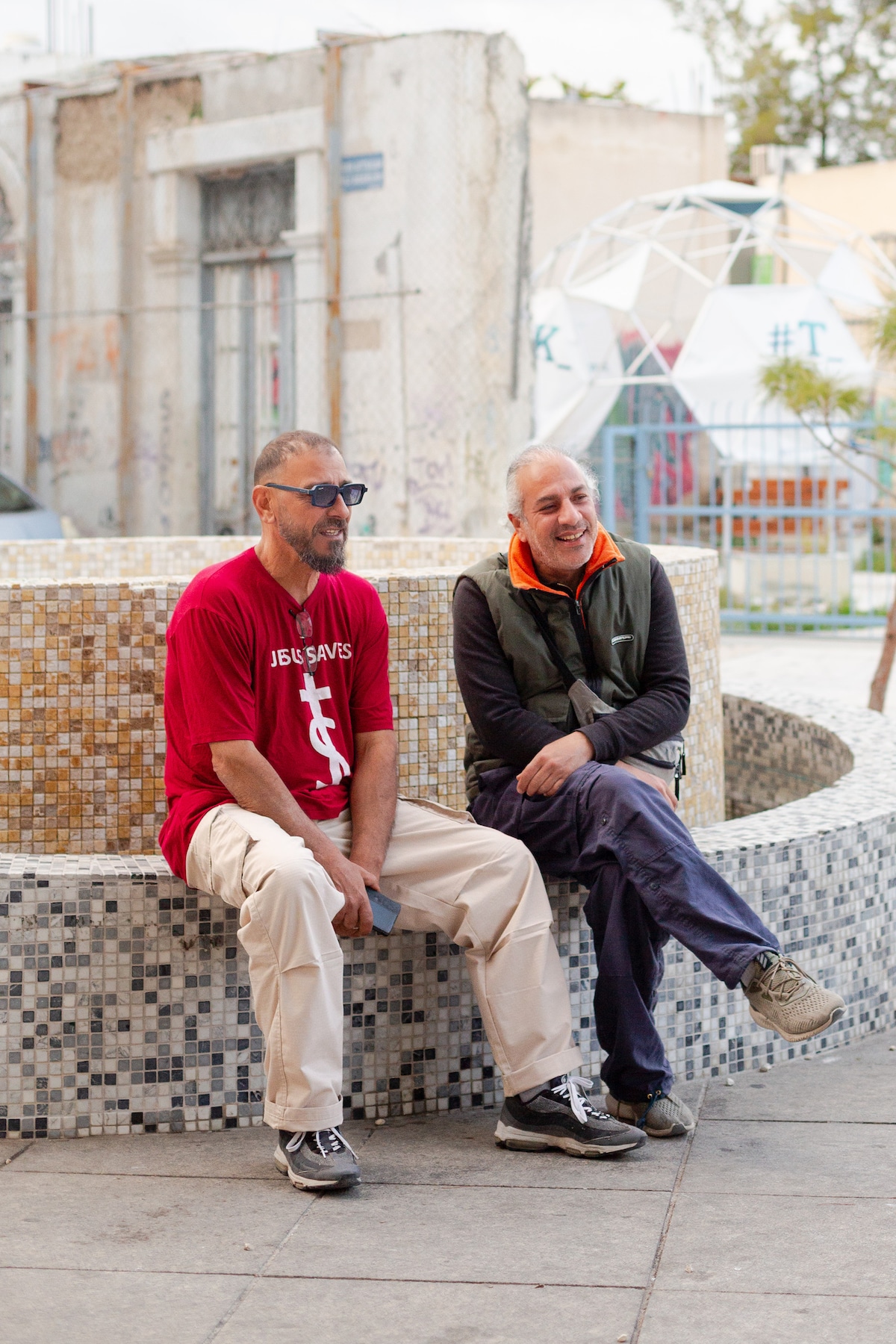
Walk Downtown Limassol and share stories over meal
Wed, Feb 11 • 10:00 AM
Limassol, Limassol, 3042, Cyprus
View details
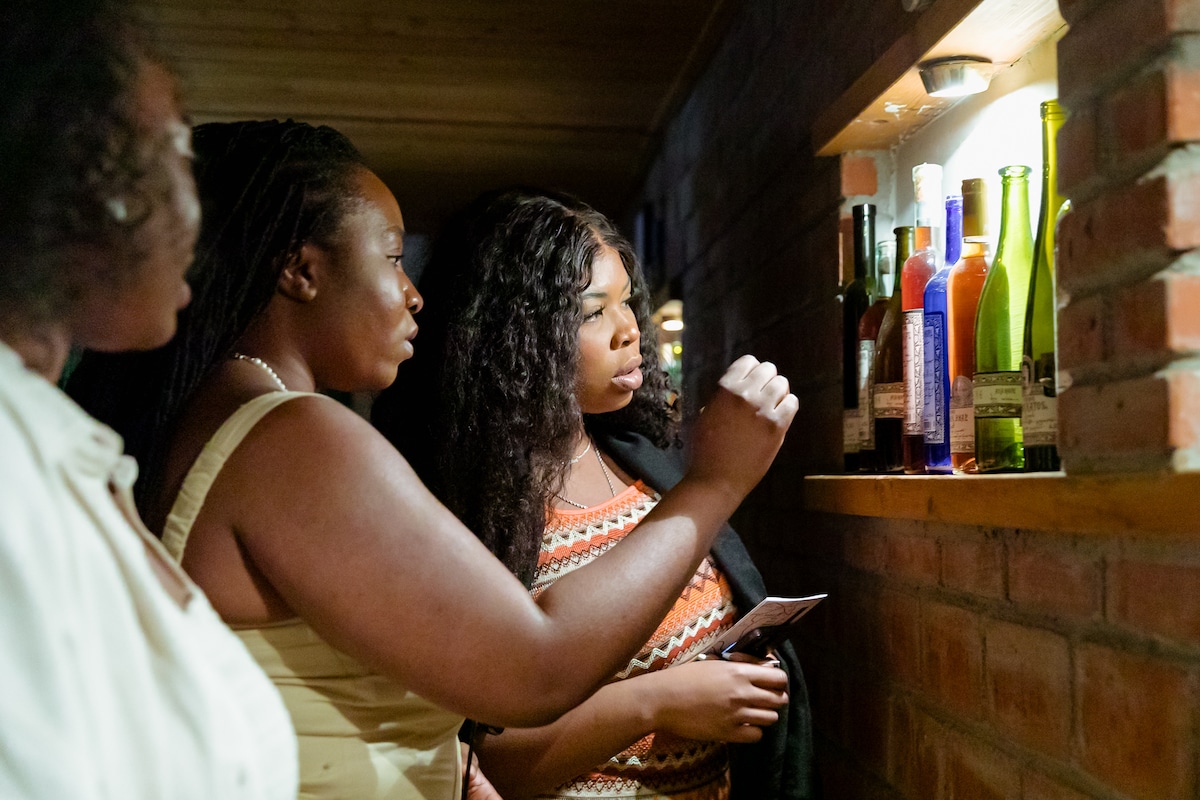
From Limassol: Troodos Mountains Food & Wine Tour
Thu, Feb 12 • 8:00 AM
Limassol, Limassol, 44473, Cyprus
View details
Nearby attractions of Museum of Industrial Pharmacy
Limassol Castle - Cyprus Medieval Museum
Limassol Marina
Paradox Museum Limassol
Ancient Tombs
Gallery Morfi
ESCAPE Limassol Old Town
Ayia Napa Cathedral
Molos
Molos Main Pier
Marina beach
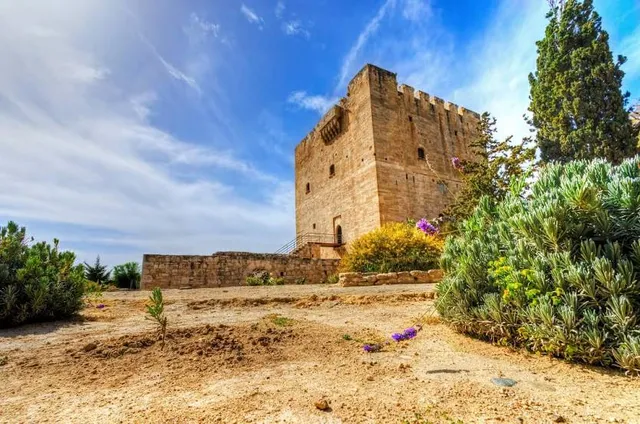
Limassol Castle - Cyprus Medieval Museum
4.3
(2.2K)
Open until 5:00 PM
Click for details
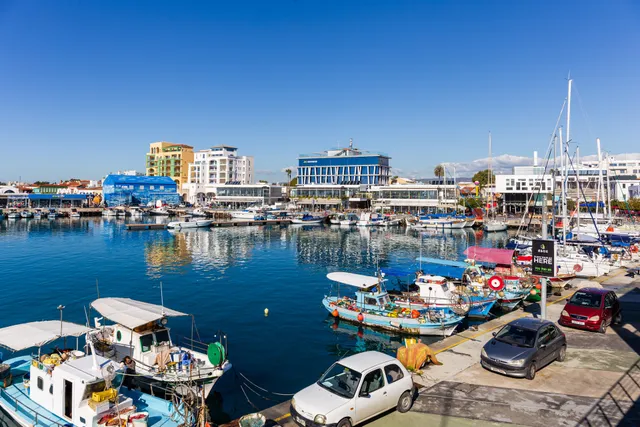
Limassol Marina
4.7
(4.7K)
Open until 12:00 AM
Click for details
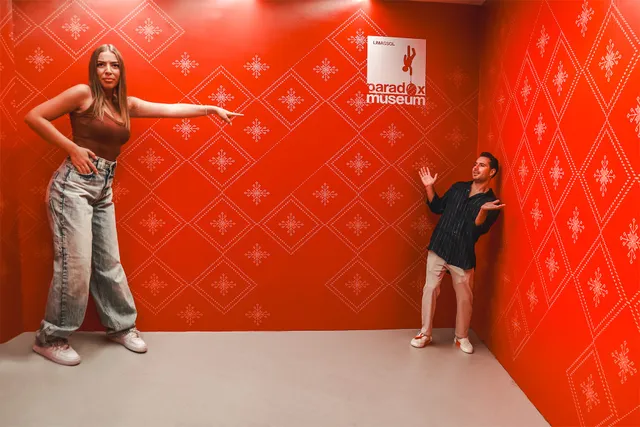
Paradox Museum Limassol
4.7
(1.2K)
Open until 12:00 AM
Click for details
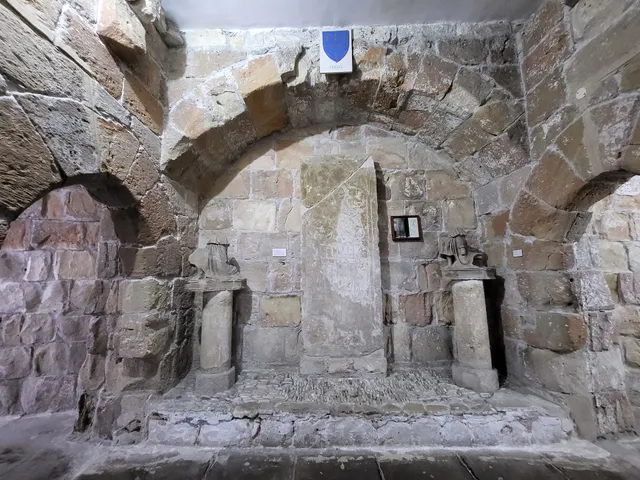
Ancient Tombs
4.9
(8)
Open until 12:00 AM
Click for details
Nearby restaurants of Museum of Industrial Pharmacy
Karatello Tavern
Draught Microbrewery
Artima Restaurant
Ousia Soulful Kitchen
THYMARI Grill & Salad
IL Castello Restaurant
Afxentis Fish Restaurant
Asado kosher
Jam Limassol
Tartufo Restaurant
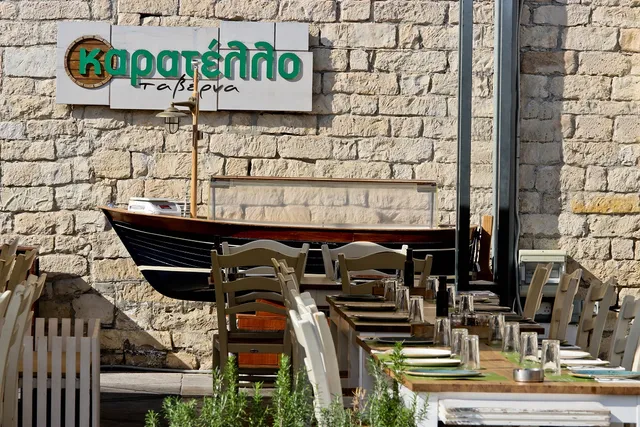
Karatello Tavern
4.5
(446)
$$
Closed
Click for details
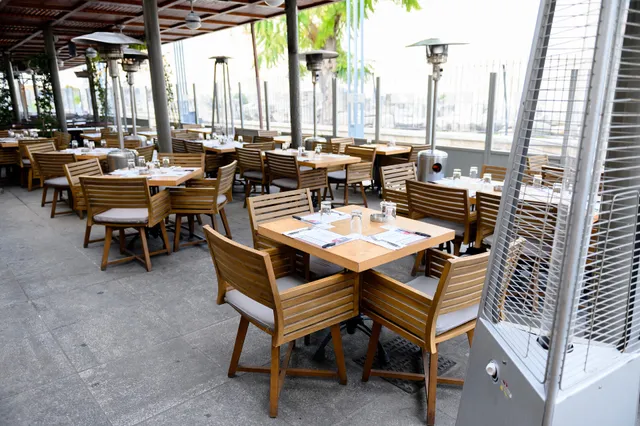
Draught Microbrewery
4.7
(606)
Closed
Click for details
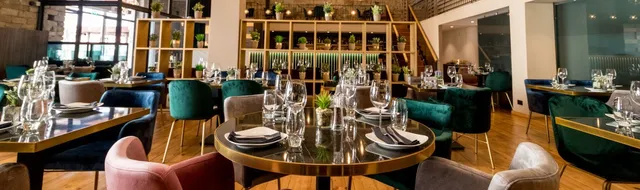
Artima Restaurant
4.6
(322)
Closed
Click for details

Ousia Soulful Kitchen
4.7
(729)
$$
Open until 11:00 PM
Click for details
Nearby local services of Museum of Industrial Pharmacy
Carob Mill Restaurants Head Office
Old Port
Paradox Museum Limassol
Spartis 6
Limassol Marina Car Park
E.Pyrga Old Port Limassol
Limassol Grand Mosque
Ravens Music Hall Limassol
Molos
Limassol Old Port

Carob Mill Restaurants Head Office
4.5
(214)
Click for details
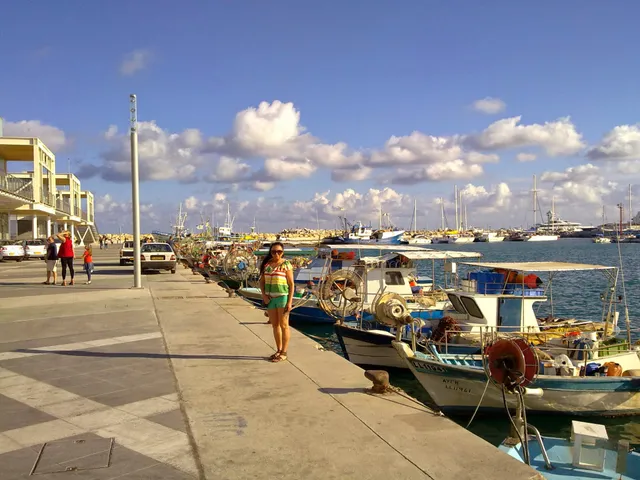
Old Port
4.7
(818)
Click for details
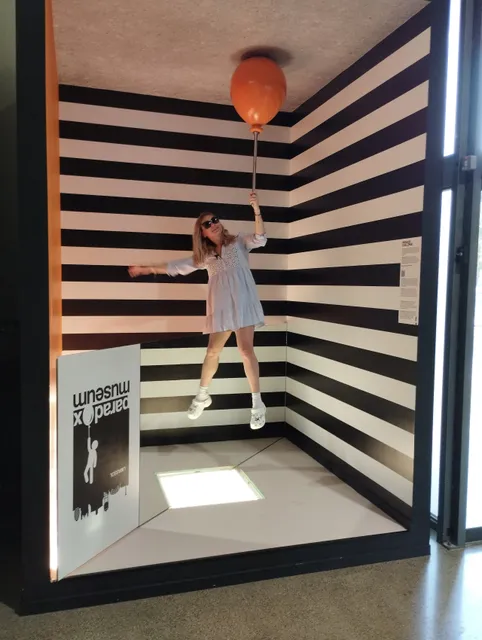
Paradox Museum Limassol
4.8
(378)
Click for details
Spartis 6
5.0
(53)
Click for details