Paphos Castle things to do, attractions, restaurants, events info and trip planning
Basic Info
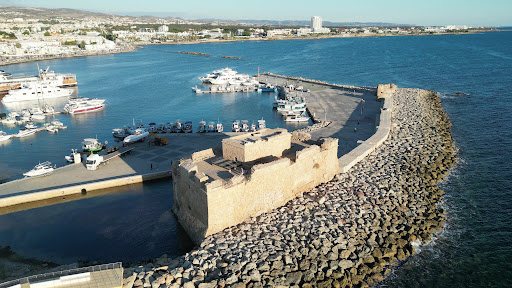
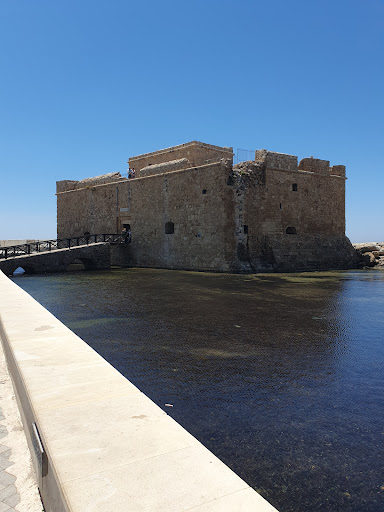
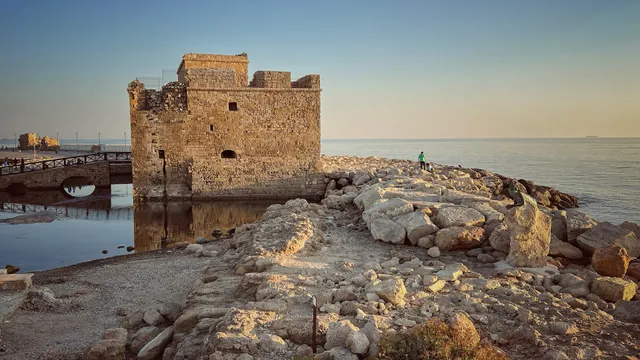
Paphos Castle
Kato Paphos Harbour, Coastal Broadwalk, Paphos 8040, Cyprus
4.1(2.4K)
Closed

tickets
Save
spot
spot
Ratings & Description
Info
Cultural
Scenic
Family friendly
Accessibility
attractions: Archaeological Site of Nea Paphos, Limanaki of Paphos, Paphos Promenade, Kato Pafos Archaeological Park, Pafos Archeological Park - Visitor Center, Paphos Mosaics, House of Dionysus, House of Aion, Villa of Theseus, Paphos Segway Tour, restaurants: Ocean Basket Paphos, Pelican Restaurant, Sail At Castle, Paphos Harbour, Theo's Restaurant, Nautico Restaurant Paphos, STEVE'S - THE PERFECT SPOT -, Kings Restaurant, The Harbour, The Moorings Cafe Restaurant, local businesses: Paphos Castle, Forty Columns Fortress, Pagotomania Gelato, Pafias Afroditis 14
 Learn more insights from Wanderboat AI.
Phone
+357 26 306217
Website
visitcyprus.com
Open hoursSee all hours
Fri8:30 a.m. - 4:30 p.m.Closed
Plan your stay

Pet-friendly Hotels in Paphos Municipality
Find a cozy hotel nearby and make it a full experience.

Affordable Hotels in Paphos Municipality
Find a cozy hotel nearby and make it a full experience.

The Coolest Hotels You Haven't Heard Of (Yet)
Find a cozy hotel nearby and make it a full experience.

Trending Stays Worth the Hype in Paphos Municipality
Find a cozy hotel nearby and make it a full experience.
Reviews
Live events
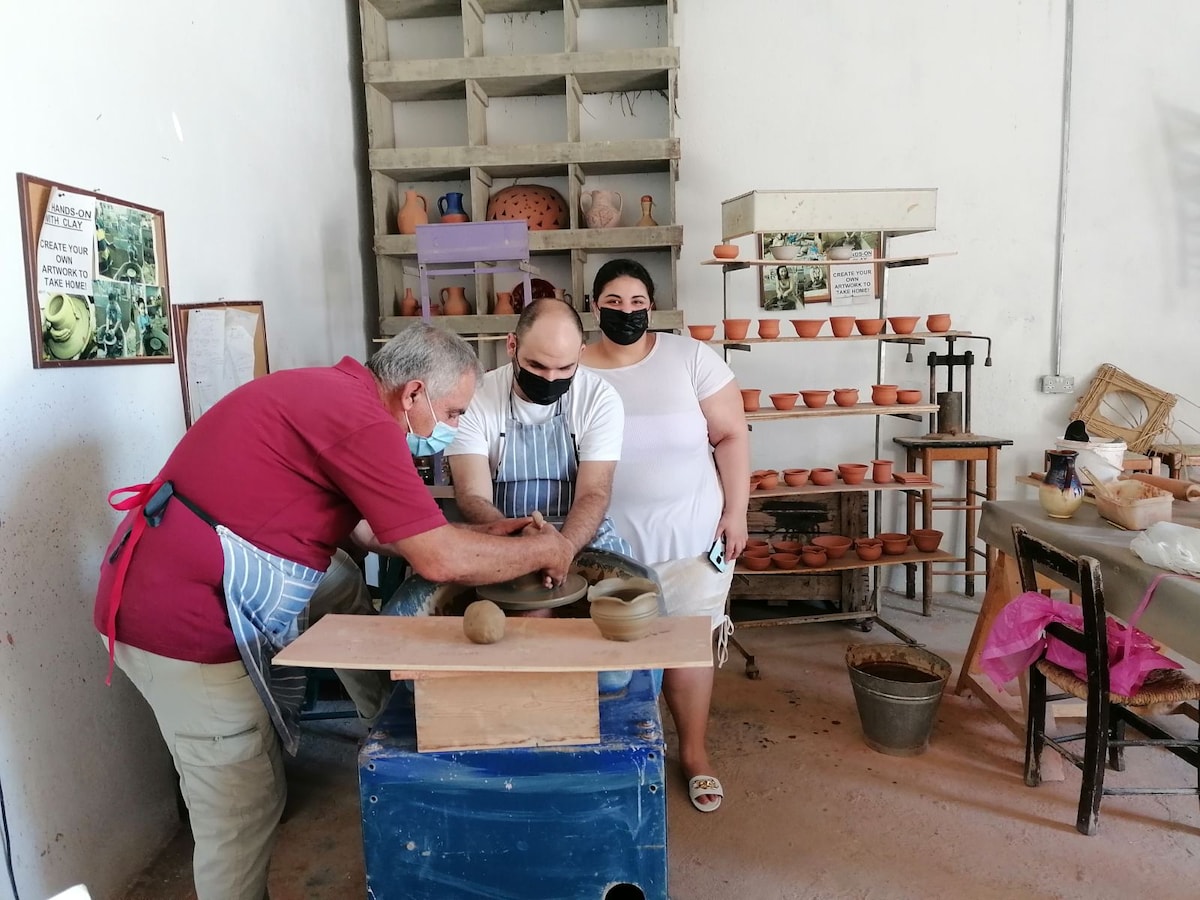
Meet locals through arts
Fri, Feb 13 • 9:00 AM
Paphos, Paphos, 8010, Cyprus
View details
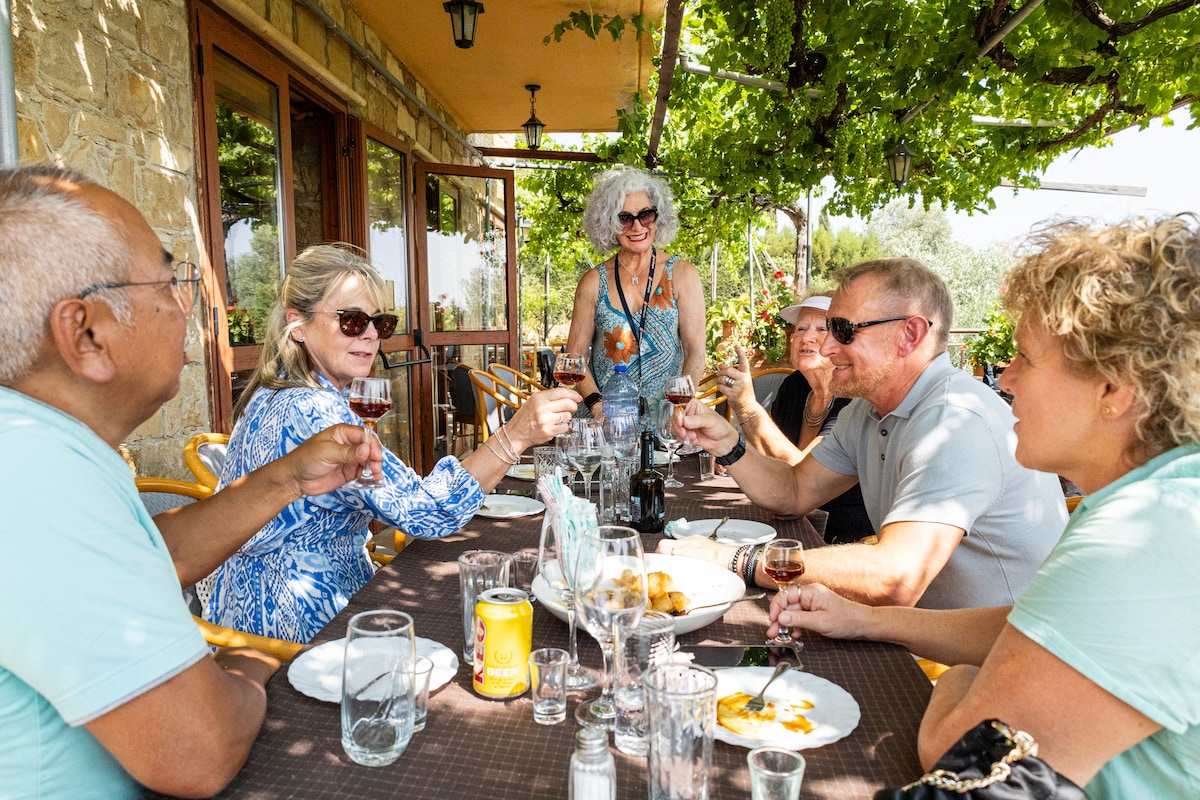
From Paphos: Troodos Mountains Food & Wine Tour
Mon, Feb 16 • 8:00 AM
Paphos, Paphos, 7643, Cyprus
View details

Taste and Cook with Halloumi cheese
Fri, Feb 13 • 10:00 AM
Episkopi, Paphos, 8524, Cyprus
View details
Nearby attractions of Paphos Castle
Archaeological Site of Nea Paphos
Limanaki of Paphos
Paphos Promenade
Kato Pafos Archaeological Park
Pafos Archeological Park - Visitor Center
Paphos Mosaics
House of Dionysus
House of Aion
Villa of Theseus
Paphos Segway Tour
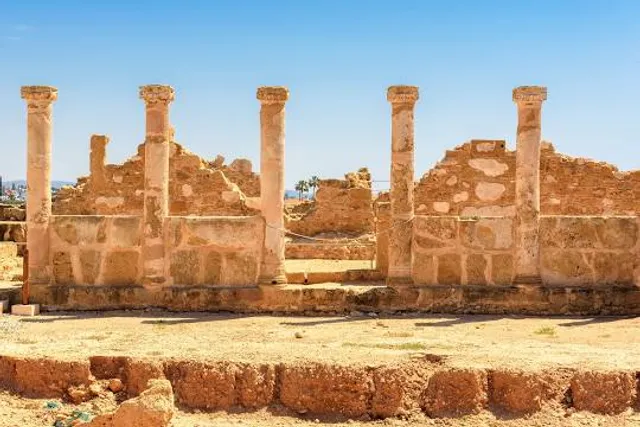
Archaeological Site of Nea Paphos
4.6
(7.2K)
Closed
Click for details
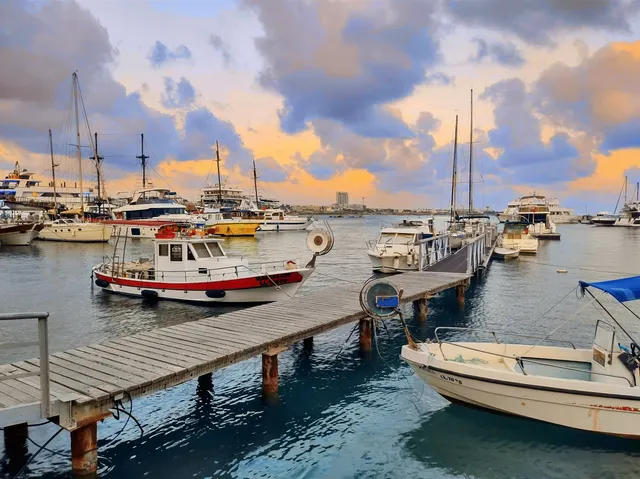
Limanaki of Paphos
4.6
(117)
Open 24 hours
Click for details
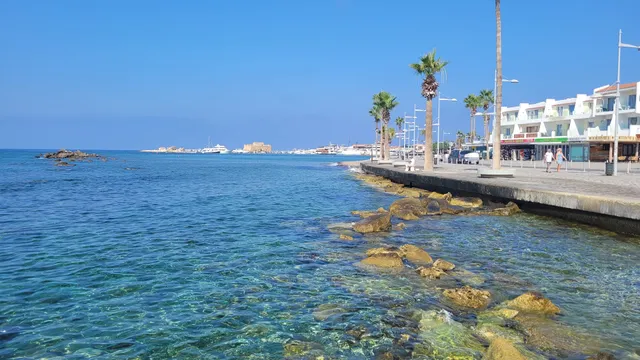
Paphos Promenade
4.7
(369)
Open until 12:00 AM
Click for details
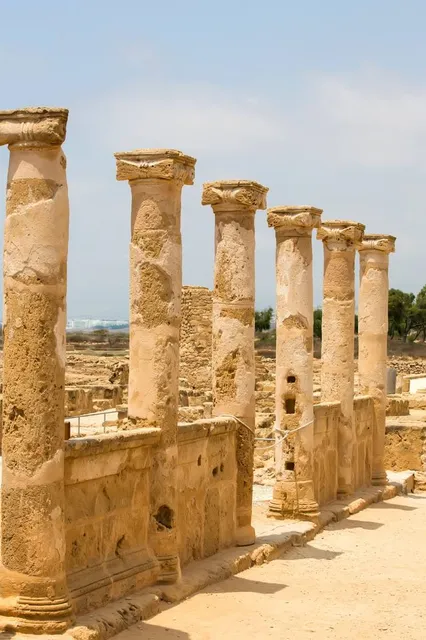
Kato Pafos Archaeological Park
4.6
(220)
Closed
Click for details
Nearby restaurants of Paphos Castle
Ocean Basket Paphos
Pelican Restaurant
Sail At Castle
Paphos Harbour
Theo's Restaurant
Nautico Restaurant Paphos
STEVE'S - THE PERFECT SPOT -
Kings Restaurant
The Harbour
The Moorings Cafe Restaurant
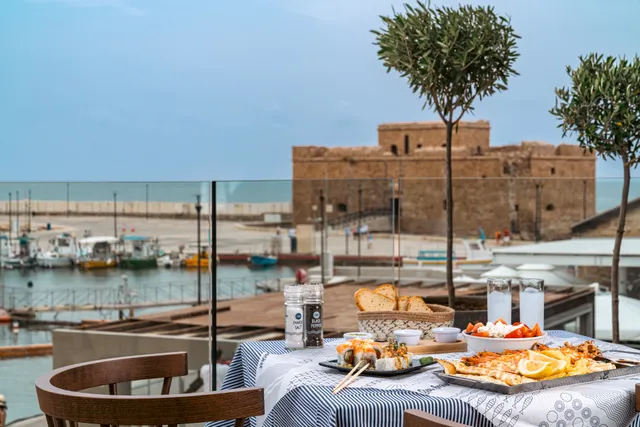
Ocean Basket Paphos
4.6
(2.6K)
$$
Closed
Click for details
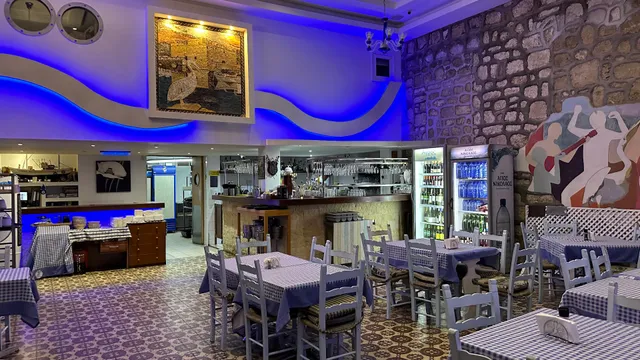
Pelican Restaurant
3.8
(1.1K)
$$
Closed
Click for details

Sail At Castle
4.3
(727)
Closed
Click for details
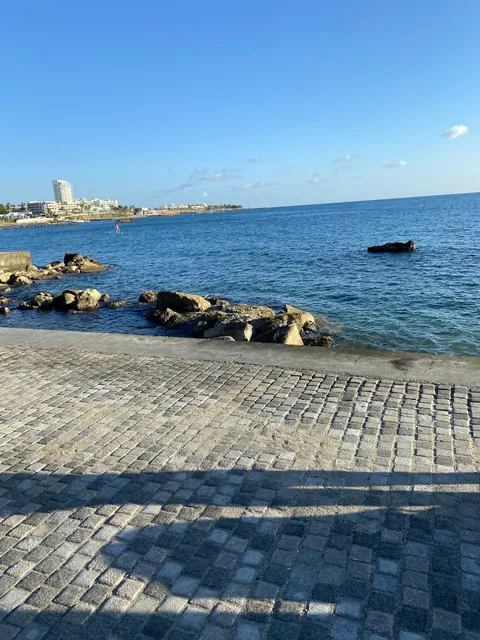
Paphos Harbour
4.8
(65)
Click for details
Nearby local services of Paphos Castle
Paphos Castle
Forty Columns Fortress
Pagotomania Gelato
Pafias Afroditis 14
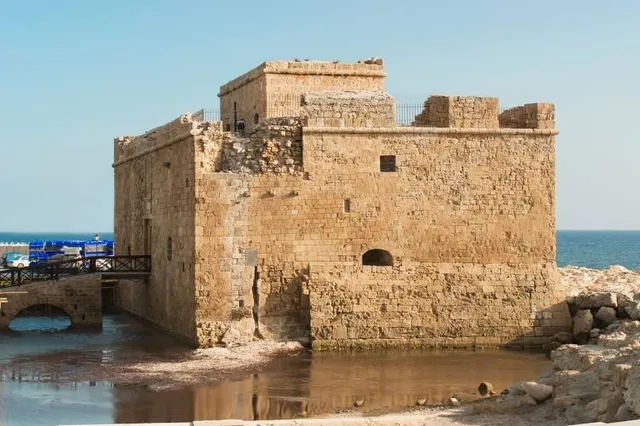
Paphos Castle
4.1
(1.8K)
Click for details
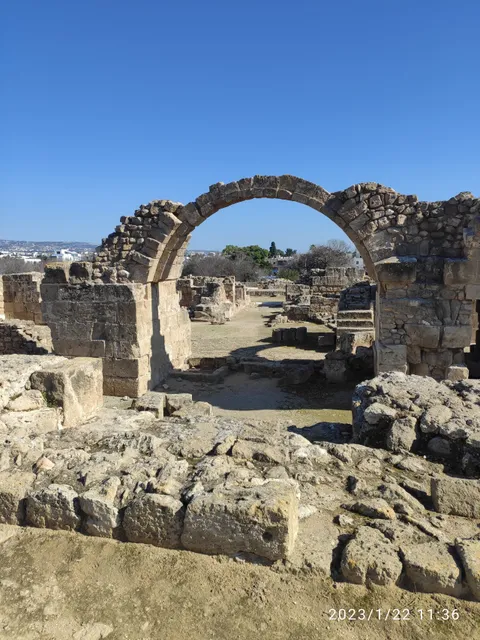
Forty Columns Fortress
4.5
(96)
Click for details
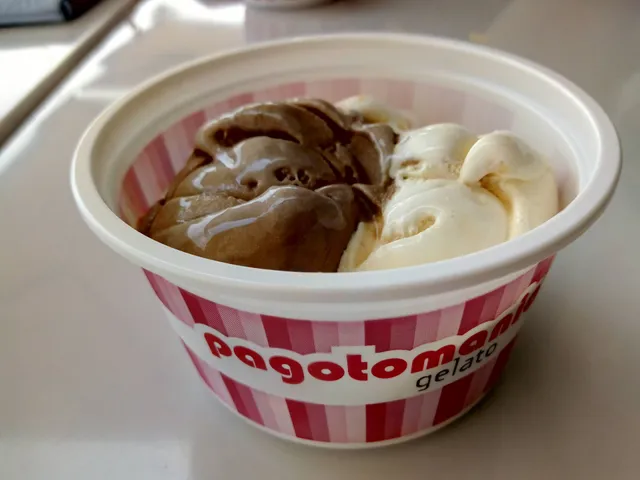
Pagotomania Gelato
4.4
(51)
Click for details
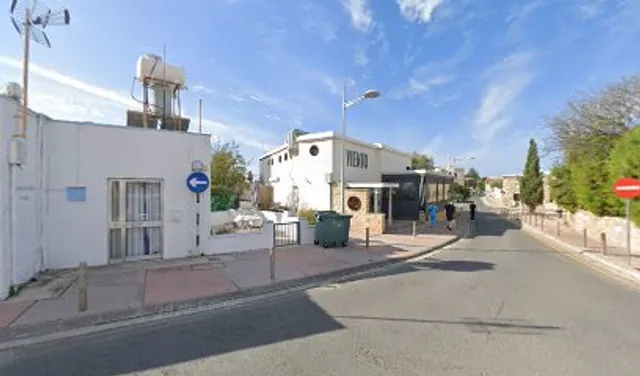
Pafias Afroditis 14
4.7
(127)
Click for details