Trojský zámek things to do, attractions, restaurants, events info and trip planning
Basic Info
Trojský zámek
U Trojského zámku 4/1, 171 00 Praha 7, Czechia
4.6(2.9K)
Open 24 hours


tickets
Save
spot
spot
Ratings & Description
Info
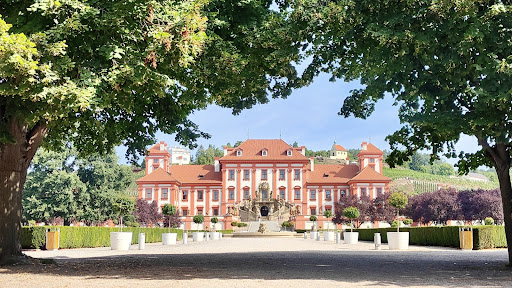
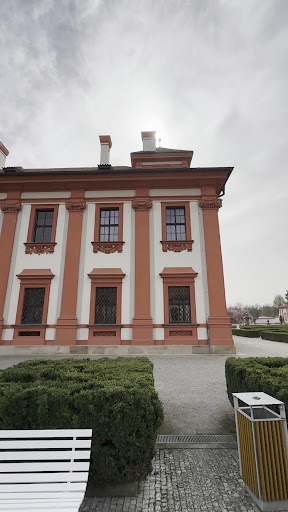
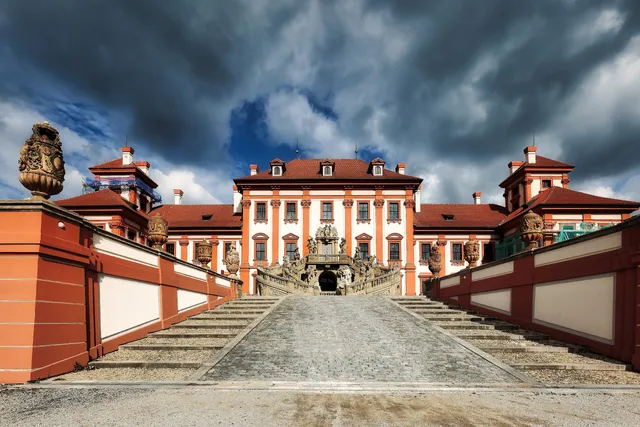
Troja Palace is a Baroque palace located in Troja, Prague's north-west borough. It was built for the Counts of Sternberg from 1679 to 1691. The palace is owned by the city of Prague and hosts the 19th century Czech art collections of the City Gallery.
Cultural
Outdoor
Family friendly
attractions: Vinice a Vinotéka sv. Kláry - Botanická zahrada Praha, Kaple svaté Kláry, Prague Zoo, Botanical Garden of the City Prague, Fata Morgana, Childrens Zoo / Farm Zoo, African House, Gorilla Pavilion - Méfou Centre, restaurants: Restaurace Altán, Bistro Karel, Restaurace Ocean, Restaurace U Lišků, Restaurant Gaston, Salabka, Restaurace a pizzerie Del Corso, Club Restaurant, Hostinec Gočárův dům, local businesses: Kolovna ZOOna, Trojská lávka, Botanical Garden of the City Prague, ZOO park, Seilbahn im ZOO, Vyhlídka Havránka, Vinice Salabka, Reservation DJA, Stromovka - Grill Point
 Learn more insights from Wanderboat AI.
Phone
+420 283 851 614
Website
ghmp.cz
Plan your stay

Pet-friendly Hotels in Prague
Find a cozy hotel nearby and make it a full experience.

Affordable Hotels in Prague
Find a cozy hotel nearby and make it a full experience.

The Coolest Hotels You Haven't Heard Of (Yet)
Find a cozy hotel nearby and make it a full experience.

Trending Stays Worth the Hype in Prague
Find a cozy hotel nearby and make it a full experience.
Reviews
Live events
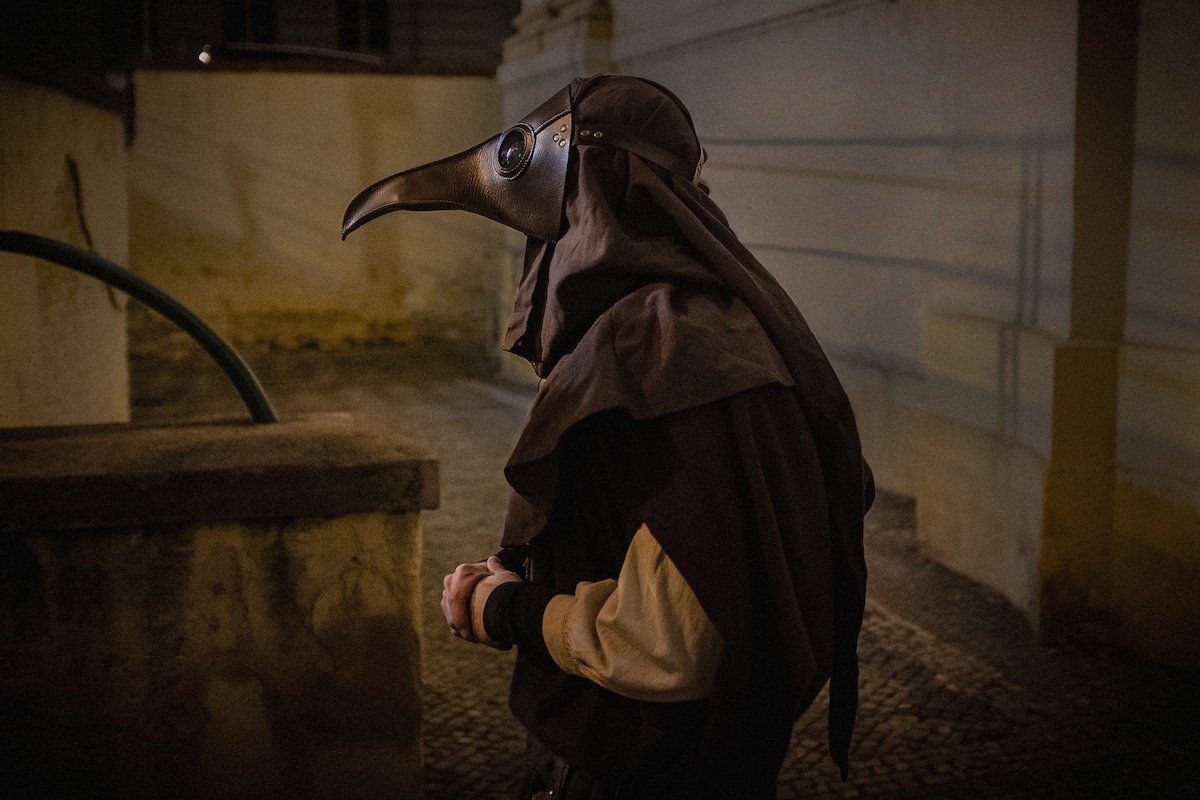
The Plague Doctor of Prague
Sat, Feb 28 • 8:00 PM
110 00, Prague 1, Czechia
View details
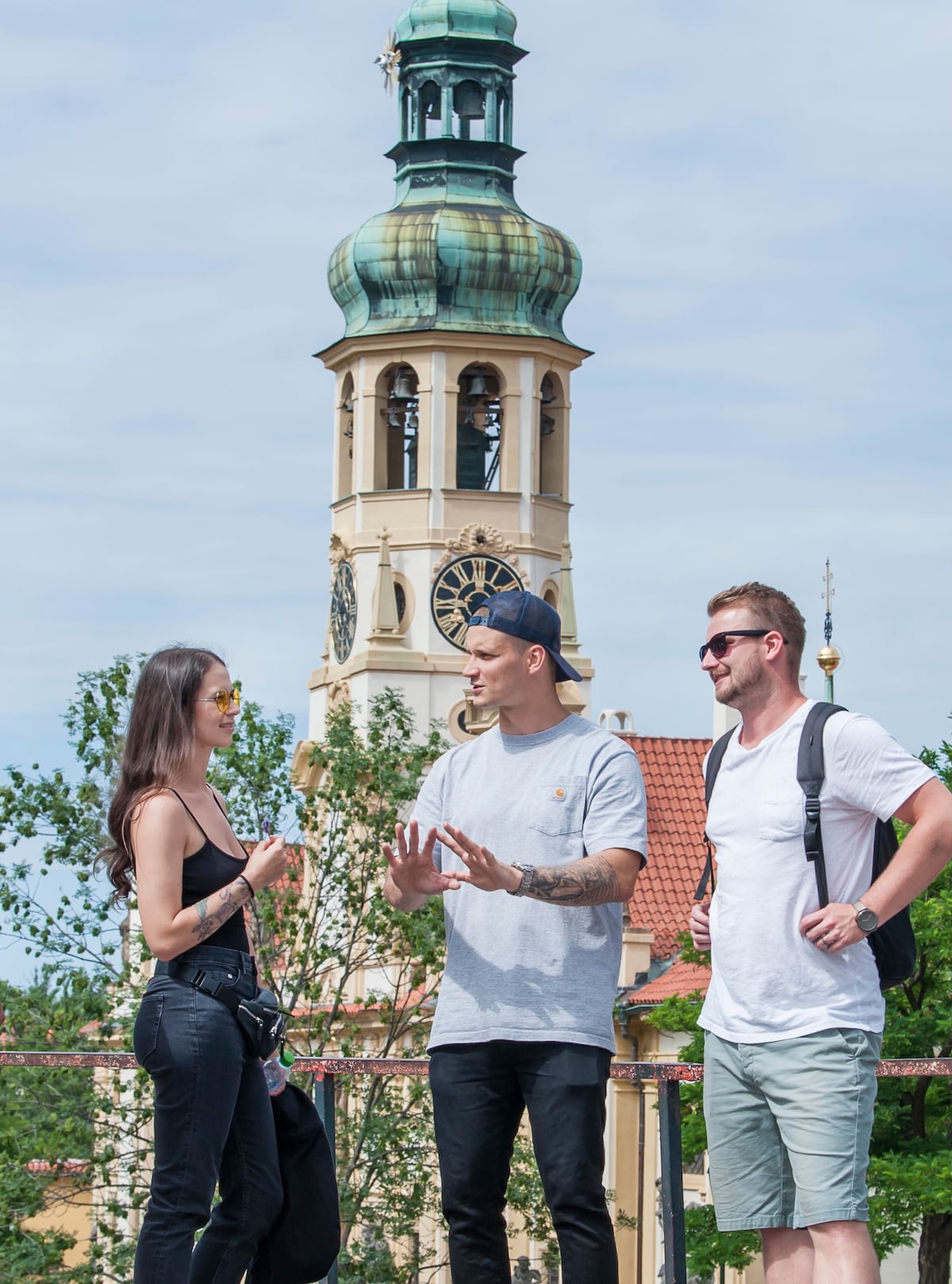
One Tour To Rule Them All ✌
Tue, Feb 24 • 10:30 AM
118 00, Prague 1, Czechia
View details
Nearby attractions of Trojský zámek
Vinice a Vinotéka sv. Kláry - Botanická zahrada Praha
Kaple svaté Kláry
Prague Zoo
Botanical Garden of the City Prague
Fata Morgana
Childrens Zoo / Farm Zoo
African House
Gorilla Pavilion - Méfou Centre
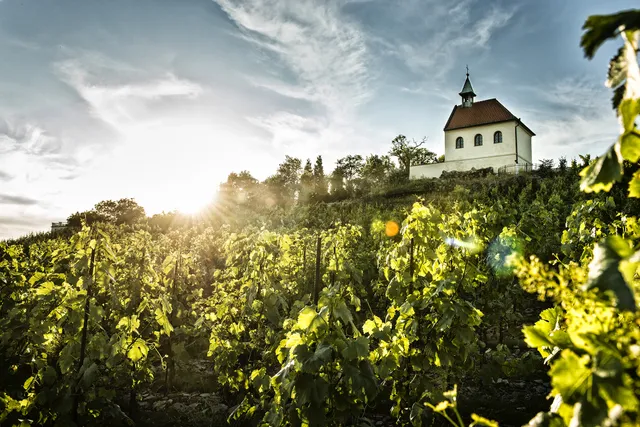
Vinice a Vinotéka sv. Kláry - Botanická zahrada Praha
4.6
(246)
Closed
Click for details
Kaple svaté Kláry
4.8
(57)
Open 24 hours
Click for details
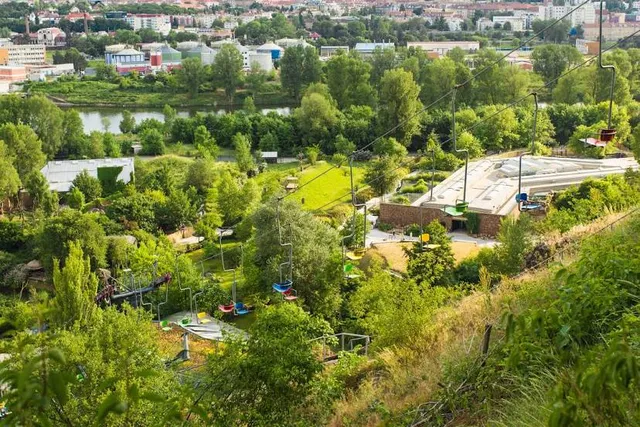
Prague Zoo
4.8
(436)
Closed
Click for details
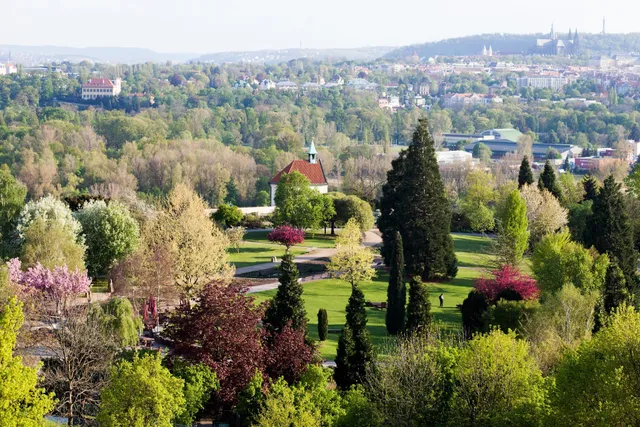
Botanical Garden of the City Prague
4.7
(975)
Closed
Click for details
Nearby restaurants of Trojský zámek
Restaurace Altán
Bistro Karel
Restaurace Ocean
Restaurace U Lišků
Restaurant Gaston
Salabka
Restaurace a pizzerie Del Corso
Club Restaurant
Hostinec Gočárův dům
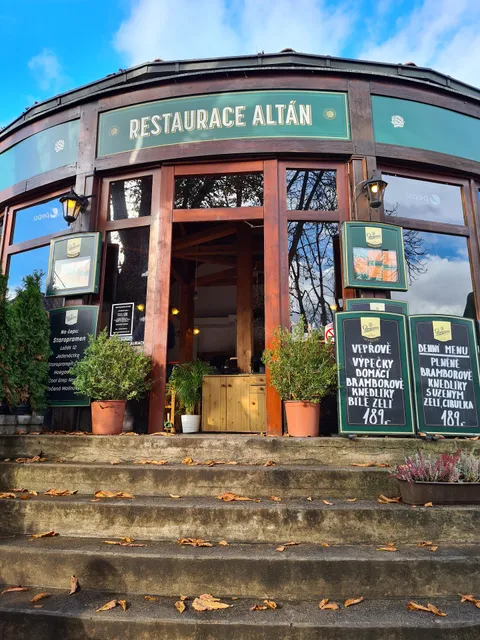
Restaurace Altán
3.5
(272)
Open until 7:00 PM
Click for details
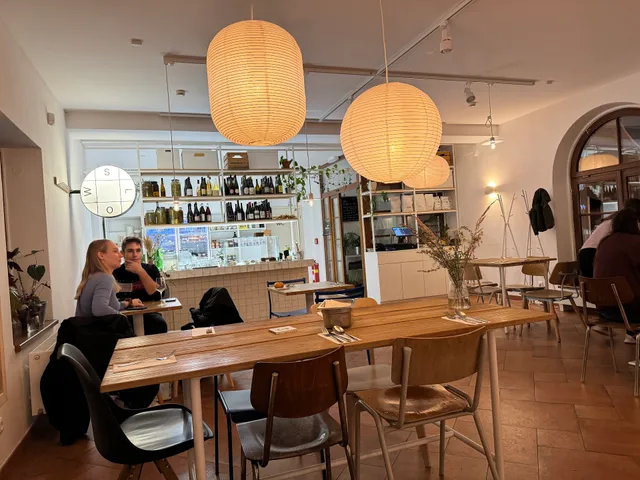
Bistro Karel
4.4
(290)
$$
Open until 12:00 AM
Click for details
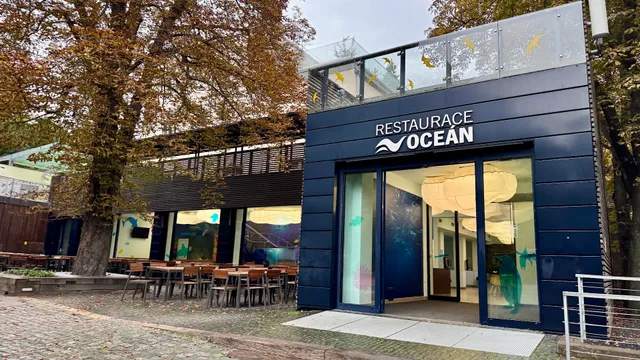
Restaurace Ocean
3.8
(139)
Open until 6:00 PM
Click for details
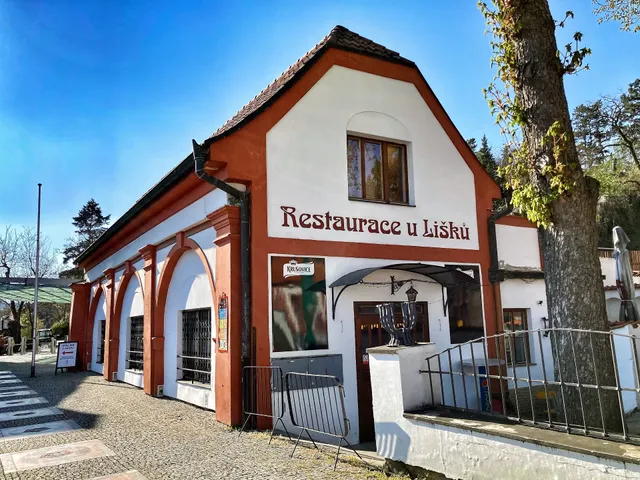
Restaurace U Lišků
3.9
(80)
Click for details
Nearby local services of Trojský zámek
Kolovna ZOOna
Trojská lávka
Botanical Garden of the City Prague
ZOO park
Seilbahn im ZOO
Vyhlídka Havránka
Vinice Salabka
Reservation DJA
Stromovka - Grill Point
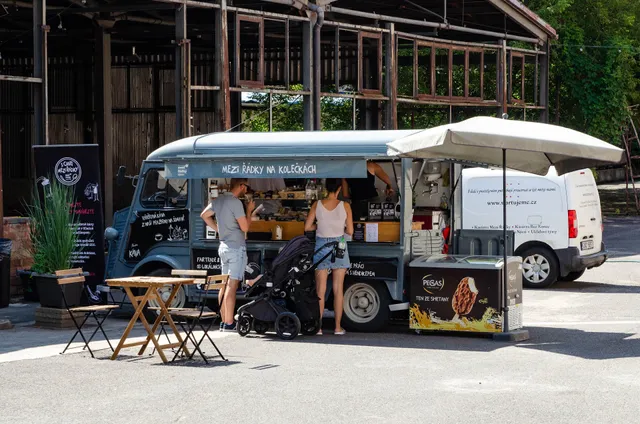
Kolovna ZOOna
4.4
(129)
Click for details
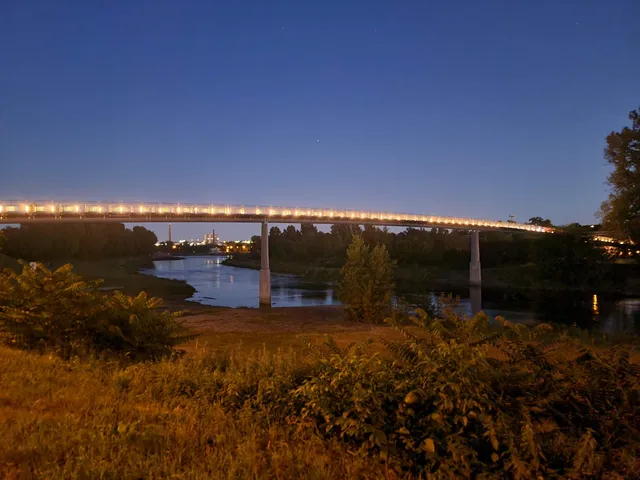
Trojská lávka
4.7
(240)
Click for details
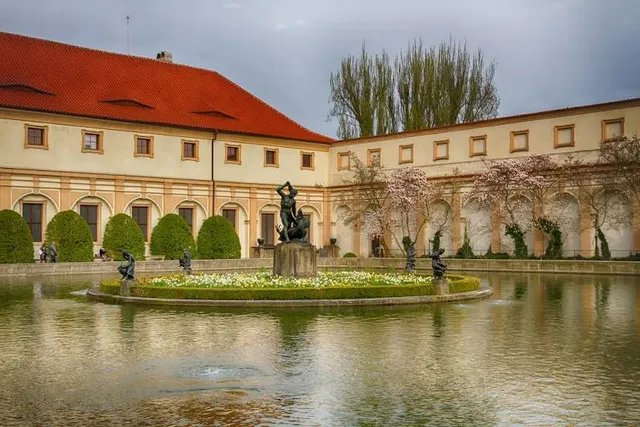
Botanical Garden of the City Prague
4.7
(3.1K)
Click for details
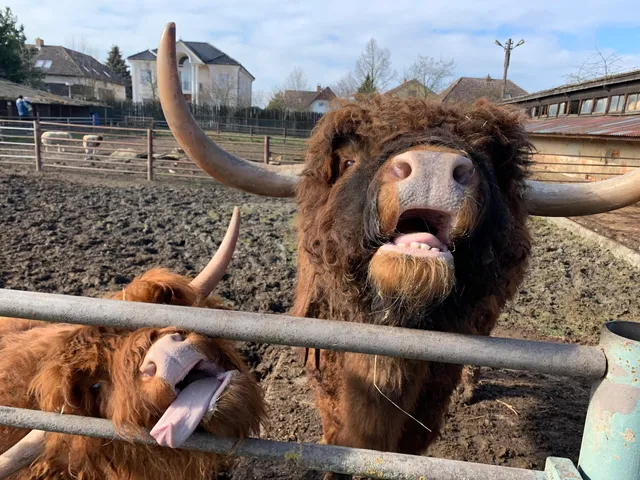
ZOO park
4.4
(294)
Click for details