HTML SitemapExplore

메디넷 하부 — Attraction in Al Baairat Village

Name
메디넷 하부
Description
Nearby attractions
Mortuary Temple of Amenhotep III
PJC5+GJG, Al Bairat, Luxor, Luxor Governorate 1341703, Egypt
Colossi of Memnon
Al Bairat, Al Qarna, Luxor Governorate 1341703, Egypt
Qurnet Murai Necropolis
PJF3+V93, Al Qarnah, Al Qarna, Luxor Governorate 1340413, Egypt
Deir el-Medina
PJH2+37, Al Qarna, Luxor Governorate 1340412, Egypt
Tomb Of Inherkha
PJG2+X6V, Unnamed Road, Al Qarnah, Al Qarna, Luxor Governorate 1340412, Egypt
TT1 - Tomb of Sennedjem
PJH2+366, Al Qarnah, Al Qarna, Luxor Governorate 1340412, Egypt
TT3 - Tomb of Pashedu
PJH2+C5, Al Qarna, Luxor Governorate 1340412, Egypt
Nearby restaurants
Café & Restaurant Maratonga - Medinet Habu, Luxor
Unnamed Road, Al Bairat, Luxor, Luxor Governorate 85958, Egypt
Habu Garden
PJ82+WFM, Al Qarnah, Al Qarna, Luxor Governorate 1340560, Egypt
Belzoni Alaa El Din
PJ92+6XV, Al Bairat, Luxor, Luxor Governorate 1340560, Egypt
Restaurant Mohamed
البر الغربي القرنة, Luxor City, Luxor, Luxor Governorate, Egypt
Saray El Nile Restaurant مطعم سرايا النيل
In front of Colossi of Memnon, Qarnah, Al Qarna, Luxor Governorate 1341473, Egypt
Memnon Guesthouse, Restaurant & Cafe
Al Bairat, Al Qarna, Luxor Governorate 85831, Egypt
مطعم الجزيرة البدوية Bedouin island restaurant
البر الغربي، Luxor, Luxor Governorate 85952, Egypt
Cleopatra fresh juice cafe
PJ96+X5X Memnon Street, Al Bairat, Al Qarna, Luxor Governorate 1341472, Egypt
Nearby local services
Beit El Hanna
PH9W+9V4, Al Bairat, Al Qarna, Luxor Governorate 1340531, Egypt
Colossi of Memnon
مدينة طيبة القديمة ومقبرتها, Al Qarnah, Al Qarna, Luxor Governorate 1341703, Egypt
Nearby hotels
Beit Sabee Guesthouse
قسم الواحات الخارجة, The New Valley Governorate 1340531, Egypt
Habu Hotel
Temple, Village, Opposite, Luxor Governorate 85958, Egypt
Shahhat House
PJ93+H35 Medinet Habu, Al Bairat, Al Qarna, Luxor Governorate 1340561, Egypt
Malkata House - boutique hotel & restaurant
temple of Medinat Habu, Near the, Luxor Governorate 85111, Egypt
Elamir house
PJ82+H9, Al Qarnah, Al Qarna, Luxor Governorate 1340542, Egypt
PHARAOHS HOTEL
west bank, habu city, Al Qarnah, Luxor Governorate, Egypt
Nour El Gourna Hotel
ش الجورنة, Al Qarnah, Al Qarna, Luxor Governorate 1341701, Egypt
Farida Palace Hapu Hotel
PH7W+3RP, Al Aqaletah, Luxor, Luxor Governorate 1341431, Egypt
Memnon Hotel Luxor
Memnon Street, Al Tmsalyn, Al Bairat, Al Qarna, Luxor Governorate 1341472, Egypt
Habu Palace Hotel
PH7W+3RP, Al Aqaletah, Luxor, Luxor Governorate 1341431, Egypt
Related posts
Keywords
메디넷 하부 tourism.메디넷 하부 hotels.메디넷 하부 bed and breakfast. flights to 메디넷 하부.메디넷 하부 attractions.메디넷 하부 restaurants.메디넷 하부 local services.메디넷 하부 travel.메디넷 하부 travel guide.메디넷 하부 travel blog.메디넷 하부 pictures.메디넷 하부 photos.메디넷 하부 travel tips.메디넷 하부 maps.메디넷 하부 things to do.
메디넷 하부 things to do, attractions, restaurants, events info and trip planning
메디넷 하부
EgyptLuxorAl Baairat Village메디넷 하부

Basic Info

메디넷 하부

PJ92+R8Q, Al Bairat, Luxor, Luxor Governorate 1340550, Egypt
4.8(411)
Closed
Save
spot

Ratings & Description

Info

Cultural
Scenic
Accessibility
attractions: Mortuary Temple of Amenhotep III, Colossi of Memnon, Qurnet Murai Necropolis, Deir el-Medina, Tomb Of Inherkha, TT1 - Tomb of Sennedjem, TT3 - Tomb of Pashedu, restaurants: Café & Restaurant Maratonga - Medinet Habu, Luxor, Habu Garden, Belzoni Alaa El Din, Restaurant Mohamed, Saray El Nile Restaurant مطعم سرايا النيل, Memnon Guesthouse, Restaurant & Cafe, مطعم الجزيرة البدوية Bedouin island restaurant, Cleopatra fresh juice cafe, local businesses: Beit El Hanna, Colossi of Memnon

logoLearn more insights from Wanderboat AI.
Open hoursSee all hours
Sun6 AM - 5 PMClosed

Plan your stay

hotel
Pet-friendly Hotels in Al Baairat Village
Find a cozy hotel nearby and make it a full experience.

hotel
Affordable Hotels in Al Baairat Village
Find a cozy hotel nearby and make it a full experience.

hotel
The Coolest Hotels You Haven't Heard Of (Yet)
Find a cozy hotel nearby and make it a full experience.

hotel
Trending Stays Worth the Hype in Al Baairat Village
Find a cozy hotel nearby and make it a full experience.

Reviews

Live events

[Private]Valley of The Kings Hatshpsut Habu &lunch
[Private]Valley of The Kings Hatshpsut Habu &lunch
Mon, Jan 26 • 5:30 AM
Luxor City, Luxor Governorate, 1362404, Egypt
View details
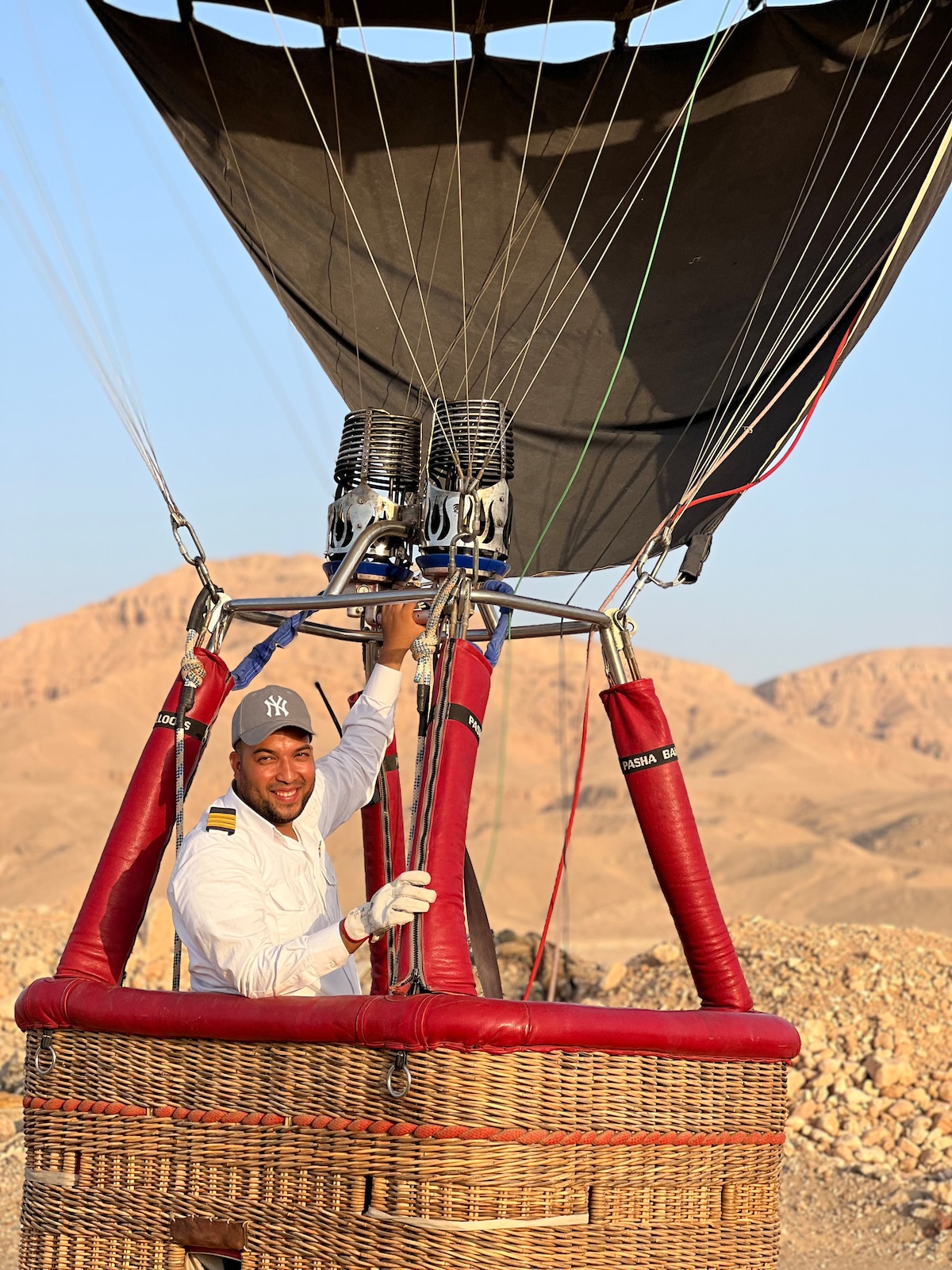
Balloons ride over luxor, Fly with Captain Moo
Mon, Jan 26 • 4:00 AM
Luxor City, Luxor Governorate, 00000, Egypt
View details
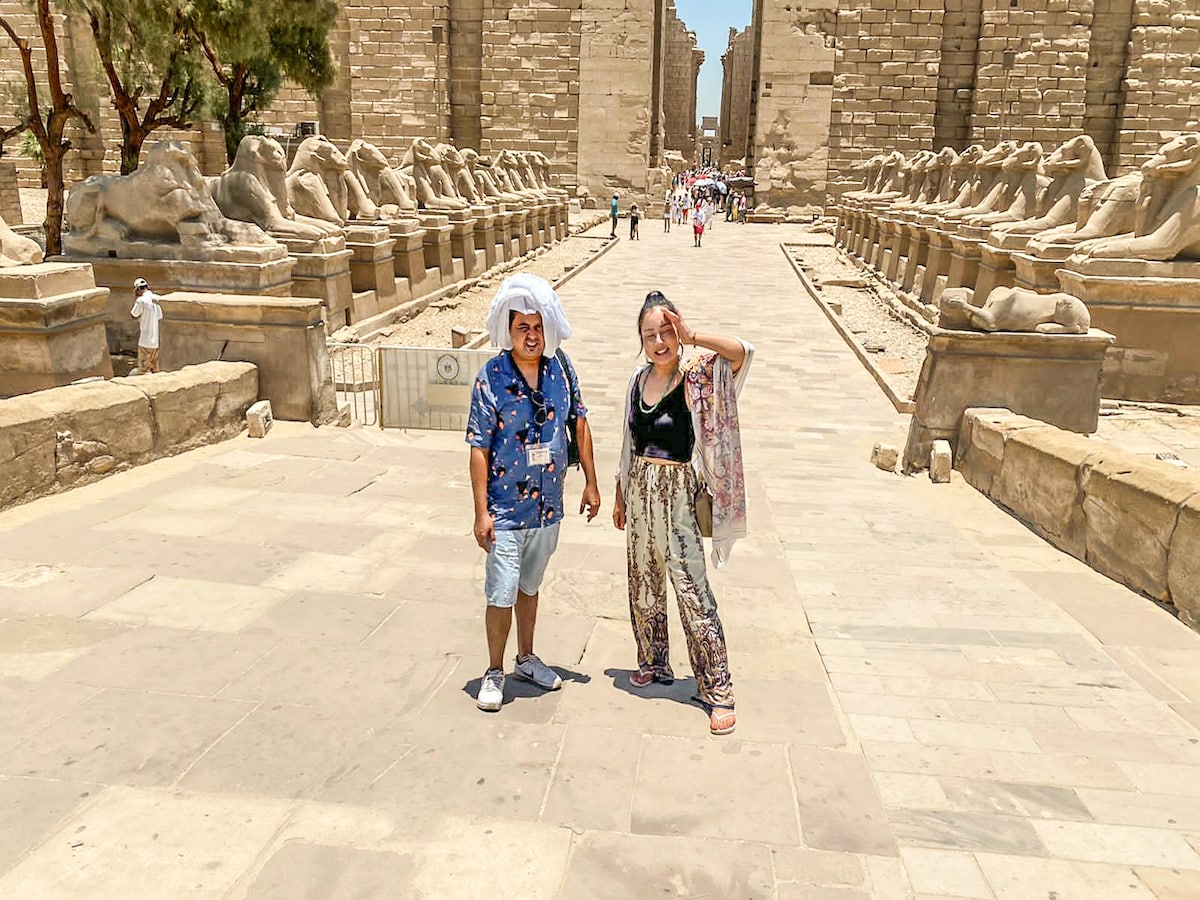
Private customized day trip in Luxor with Lunch
Mon, Jan 26 • 6:00 AM
Al Qarna, Luxor Governorate, 1340413, Egypt
View details

Nearby attractions of 메디넷 하부

Mortuary Temple of Amenhotep III

Colossi of Memnon

Qurnet Murai Necropolis

Deir el-Medina

Tomb Of Inherkha

TT1 - Tomb of Sennedjem

TT3 - Tomb of Pashedu
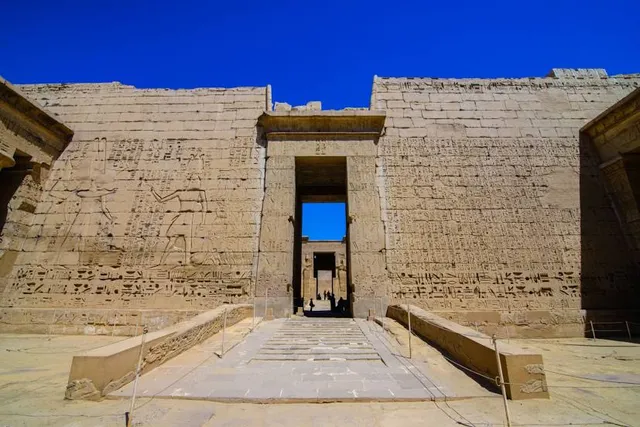
Mortuary Temple of Amenhotep III

Mortuary Temple of Amenhotep III

4.6

(3.6K)

Closed
Click for details
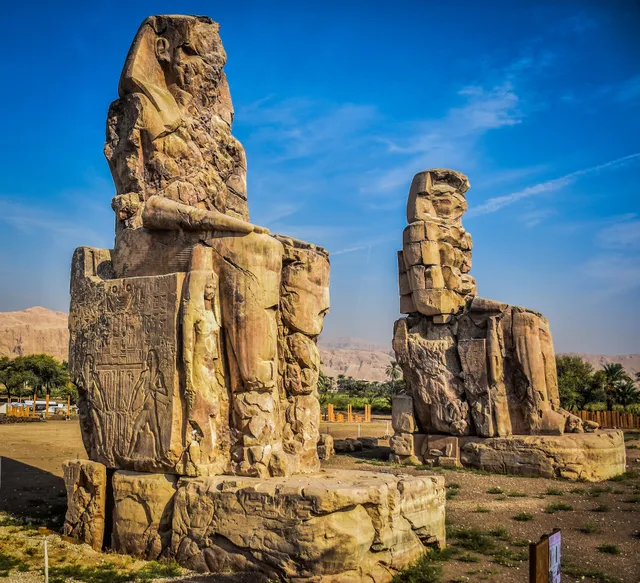
Colossi of Memnon

Colossi of Memnon

4.6

(4.6K)

Open 24 hours
Click for details
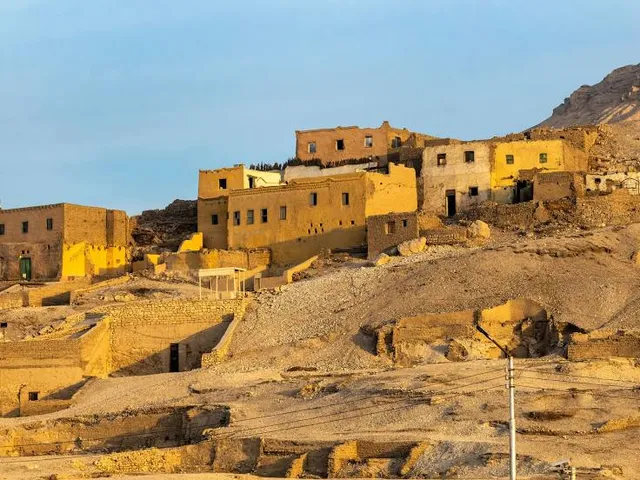
Qurnet Murai Necropolis

Qurnet Murai Necropolis

4.3

(12)

Open 24 hours
Click for details
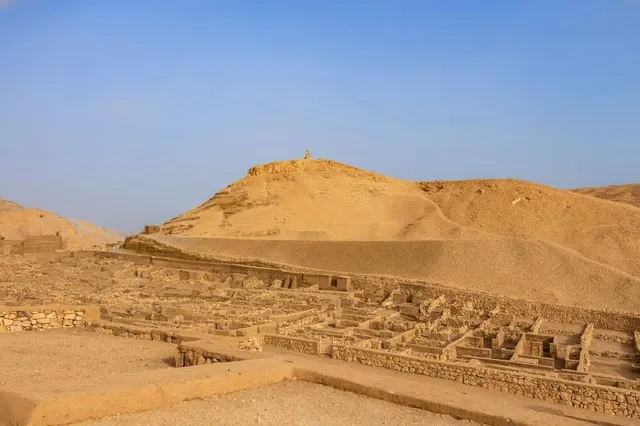
Deir el-Medina

Deir el-Medina

4.6

(483)

Closed
Click for details

Nearby restaurants of 메디넷 하부

Café & Restaurant Maratonga - Medinet Habu, Luxor

Habu Garden

Belzoni Alaa El Din

Restaurant Mohamed

Saray El Nile Restaurant مطعم سرايا النيل

Memnon Guesthouse, Restaurant & Cafe

مطعم الجزيرة البدوية Bedouin island restaurant

Cleopatra fresh juice cafe
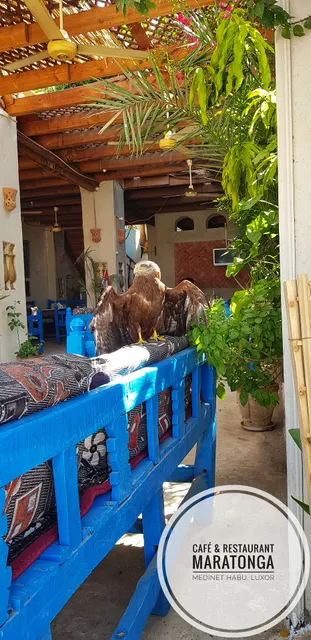
Café & Restaurant Maratonga - Medinet Habu, Luxor

Café & Restaurant Maratonga - Medinet Habu, Luxor

4.7

(226)

$

Closed
Click for details
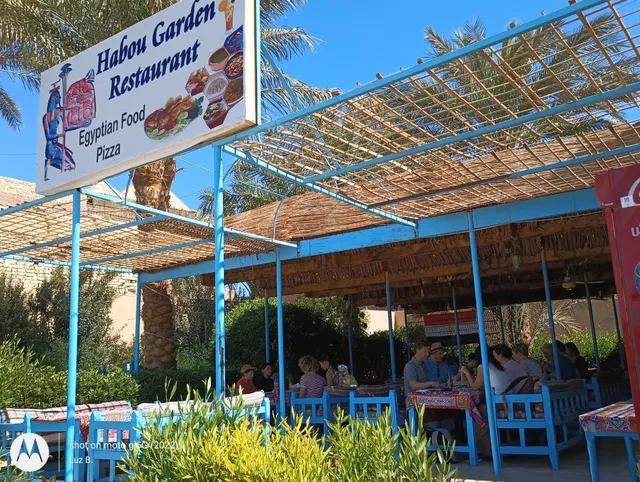
Habu Garden

Habu Garden

4.9

(117)

Closed
Click for details
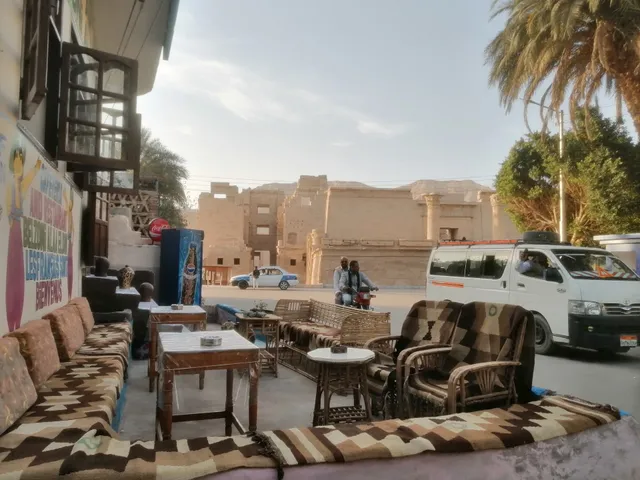
Belzoni Alaa El Din

Belzoni Alaa El Din

4.9

(35)

Click for details
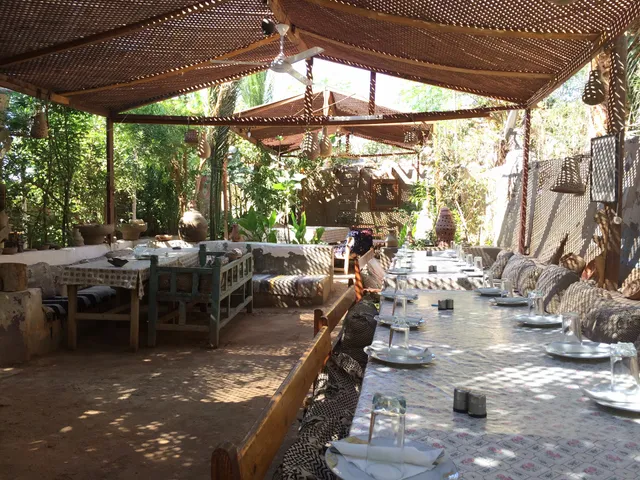
Restaurant Mohamed

Restaurant Mohamed

4.6

(72)

Open until 11:00 PM
Click for details

Nearby local services of 메디넷 하부

Beit El Hanna

Colossi of Memnon
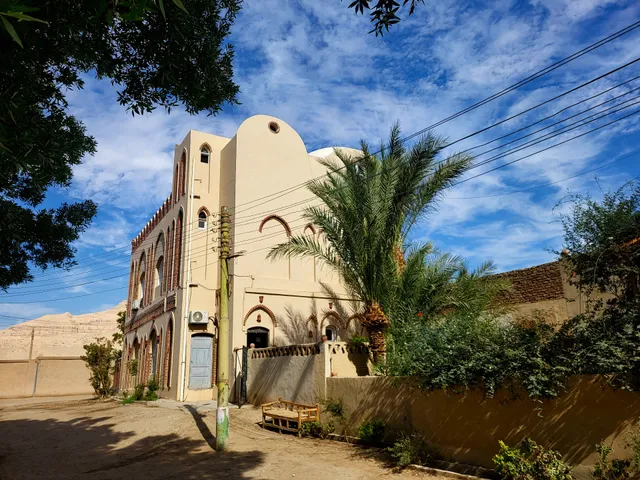
Beit El Hanna

Beit El Hanna

4.9

(57)

Click for details
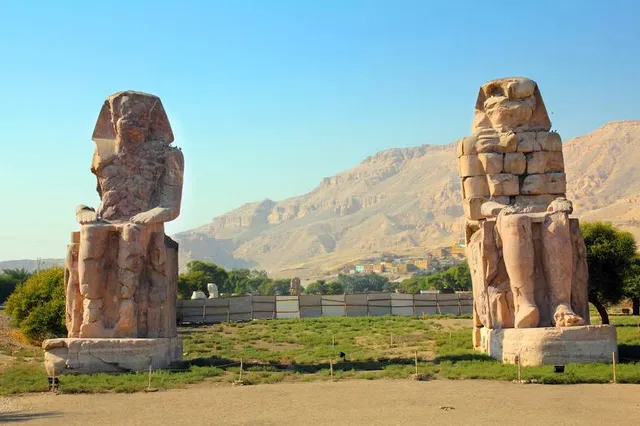
Colossi of Memnon

Colossi of Memnon

4.6

(3.2K)

Click for details

Get the Appoverlay
Get the AppOne tap to find yournext favorite spots!
Wanderboat LogoWanderboat

Your everyday Al companion for getaway ideas

CompanyAbout Us
InformationAI Trip PlannerSitemap
SocialXInstagramTiktokLinkedin
LegalTerms of ServicePrivacy Policy

Get the app

© 2025 Wanderboat. All rights reserved.

Reviews of 메디넷 하부

4.8
(411)
avatar
5.0
42w

04/2025 Ticket office is 700m away from the entrance. One way is buying online tickets ot walk 700m. Search "Antiquities Inspectorate" on google map

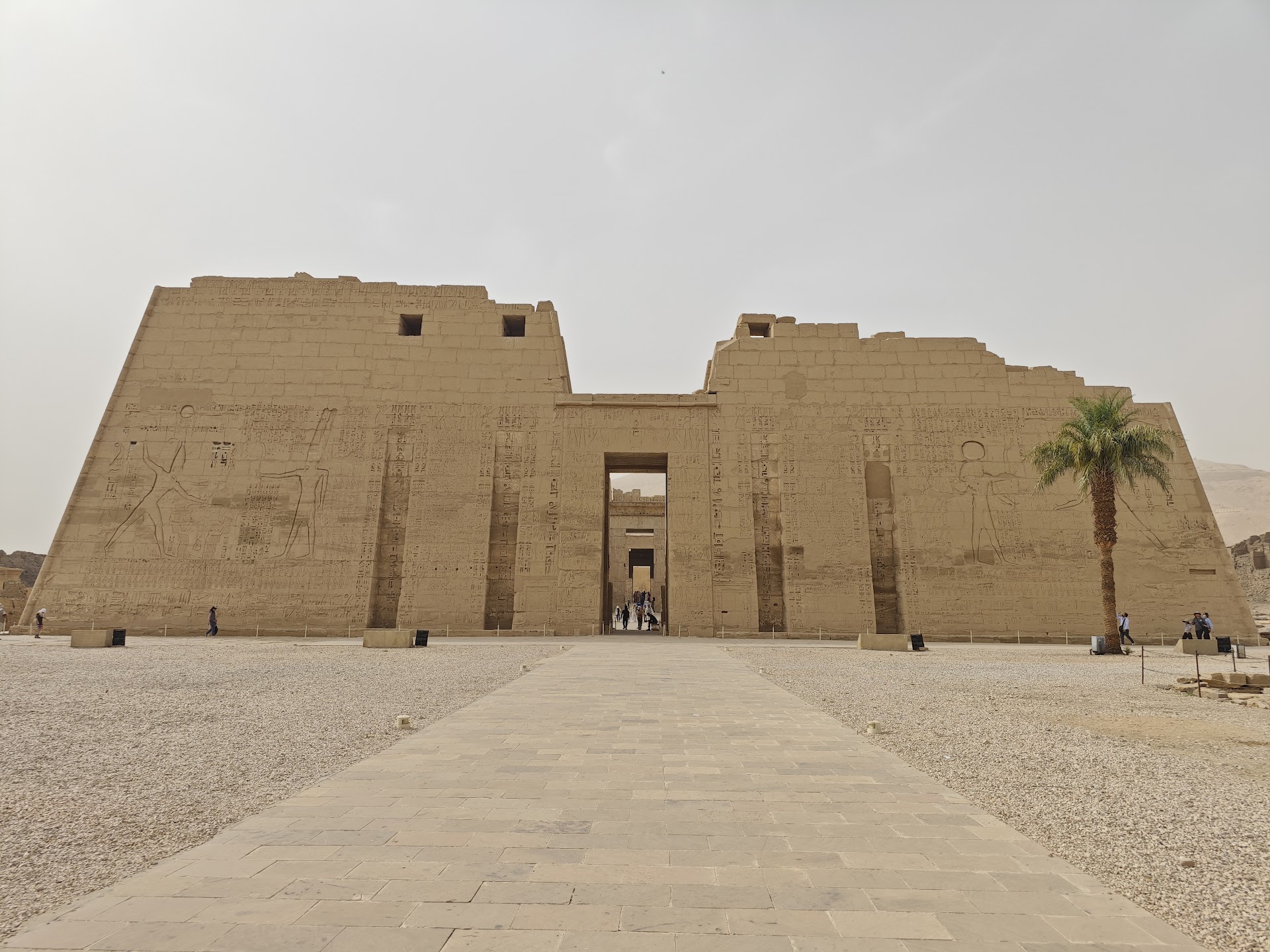
  1. Overview Medinet Habu, also known as the Mortuary Temple of Ramesses III, is one of the most impressive and well-preserved temple complexes on Luxor’s West Bank, Egypt. Built during the New Kingdom (12th century BCE) under Pharaoh Ramesses III, it served as a religious, administrative, and military hub, commemorating his victories and ensuring his legacy in the afterlife . The site includes the main temple, a fortified gatehouse (migdol), chapels, and remnants of a Coptic Christian settlement .

  2. Historical Context Construction: Commissioned by Ramesses III (reign 1184–1153 BCE), the temple was part of his efforts to solidify Egypt’s power amid threats from the "Sea Peoples" and Libyans. Its design mirrors the Ramesseum but surpasses it in preservation . Later Use: The temple complex evolved into a fortified town during economic decline and later housed a Coptic community (5th–9th century CE), evidenced by churches and modified structures . Archaeological Rediscovery: Excavated in the 19th–20th centuries, the site revealed layers of history from pharaonic to Coptic eras .

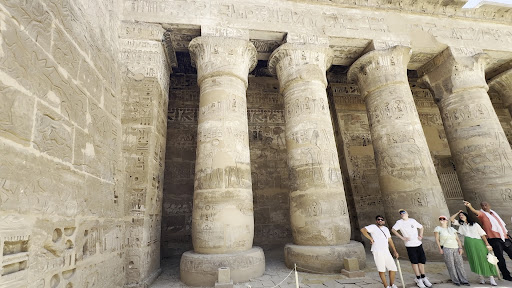
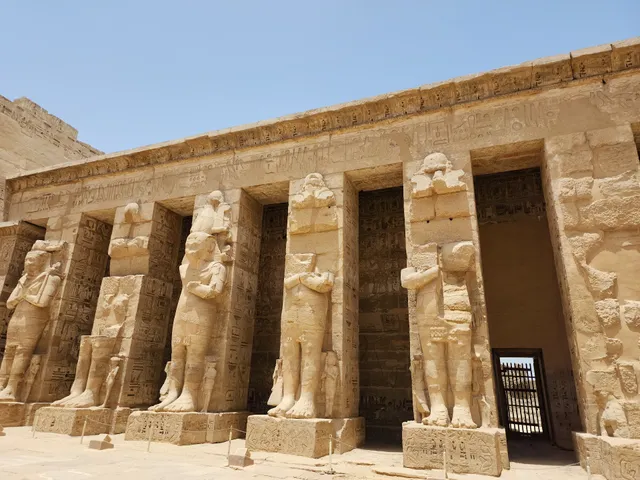
  3. Architectural Highlights The temple complex spans ~150 meters and features: First Pylon: Massive entrance adorned with reliefs of Ramesses III’s military triumphs, including battles against the Sea Peoples . Great Courtyards: Open spaces lined with Osiride statues of Ramesses III and columns depicting religious rituals . Hypostyle Hall: A columned hall with vibrant, well-preserved carvings of religious texts and royal decrees . Royal Palace: A residential area within the complex, blending practicality and grandeur . Migdol Gate: A fortified entrance resembling an Asiatic fortress, unique in Egyptian architecture . Temple of Amun: An older 18th Dynasty shrine built by Hatshepsut and Thutmose III, later incorporated into the complex .

  4. Cultural & Religious Significance Military Legacy: The temple’s walls document Ramesses III’s victories, serving as a propaganda tool to assert Egypt’s strength . Religious Role: Dedicated to Amun and the deified Ramesses III, it hosted rituals and festivals, including the annual "Opet Festival" . Coptic Heritage: The later Christian settlement transformed parts of the temple into churches, such as the 6th-century "Holy Church of Djeme" .

  5. Practical Visitor Information (2025) Location: West Bank of Luxor, near the Colossi of Memnon and Valley of the Kings . Hours: Typically 6:00 AM–5:00 PM (check for seasonal updates). Tickets: ~$9–24 USD (foreign visitors) . Recommended Time: 1–2 hours . Tips: Hire a guide to decode intricate reliefs and historical context . Combine with nearby sites: Valley of the Kings, Hatshepsut’s Temple, and Luxor Temple . Visit early to avoid crowds and midday heat .

  6. Why Visit in 2025? Preservation: Unlike many Egyptian temples, Medinet Habu retains original paint and carvings, offering a vivid glimpse into ancient artistry . Less Crowded: Often overlooked compared to Karnak or Luxor Temple, it provides a quieter, immersive experience . Historical Layers: From Ramesside battle scenes to Coptic graffiti, the site encapsulates millennia of history .

Conclusion Medinet Habu stands as a testament to Ramesses III’s reign and Egypt’s resilience. Its blend of military grandeur, religious devotion, and layered history makes it a must-visit for travelers seeking to explore beyond Luxor’s iconic landmarks. For deeper insights, consider guided tours or academic resources like Medinet Habu IX and X, which detail its...

   Read more
avatar
5.0
1y

The temple, some 150 m long, is of orthodox design, and resembles closely the nearby mortuary temple of Ramesses II (the Ramesseum). The temple precinct measures approximately 700 ft (210 m). by 1,000 ft (300 m) and contains more than 75,350 sq ft (7,000 m²) of decorated wall reliefs. Its walls are relatively well preserved and it is surrounded by a massive mudbrick enclosure, which may have been fortified. The original entrance is through a fortified gate-house, known as a migdol (a common architectural feature of Asiatic fortresses of the time).

Just inside the enclosure, to the south, are chapels of Amenirdis I, Shepenupet II and Nitiqret, all of whom had the title of Divine Adoratrice of Amun.

The first pylon leads into an open courtyard, lined with colossal statues of Ramesses III as Osiris on one side, and uncarved columns on the other. The second pylon leads into a peristyle hall, again featuring columns in the shape of Ramesses. This leads up a ramp that leads (through a columned portico) to the third pylon and then into the large hypostyle hall (which has lost its roof). Reliefs and actual heads of foreign captives were also found placed within the temple perhaps in an attempt to symbolise the king's control over Syria and Nubia.

In Coptic times, there was a church inside the temple structure, which has since been removed. Some of the carvings in the main wall of the temple have been altered by...

   Read more
avatar
2.0
1y

I would give the temple itself 5 STARS as the temple itself was amazing, beautiful and interesting. There are guides in the temple who may show you extra parts of it and they expect a tip for this so be prepared with some small notes or coins if you go with them.

The most disappointing experience we had was going to the cafe afterwards. Having had reasonable priced drinks in all places so far we didn't ask how much our drinks would be today. Also there wasn't a menu available. I was pleased to get an English tea and really enjoyed it with a view of the temple. My husband had a Ginger Beer can which is a standard soft drink anywhere. At the end they tried to charge us E£ 600 for the 2 drinks. 400 for the can and 200 for the tea I think. This is approx £10 GBP. My husband refused and after some further discussions and unpleasantness we finally paid E£500 to get away. This was still a ridiculous amount of money. We felt conned and it gave us a really bad impression of Egypt. When checking with an Egyptian driver later this was confirmed. Now we know why the cafe was fairly empty!!

If you go here enjoy the temple but DO NOT use the cafe inside. There are very much cheaper ones straight outside.

A lesson learned...

   Read more
Page 1 of 7
Previous
Next

Posts

Your browser does not support the video tag.
pisandocontinentespisandocontinentes
📍 Egipto 🇪🇬 🔐8 templos que no os podéis perder si visitáis el país de los faraones: • Karnak: el templo más grande de Egipto, dedicado al dios Amón. * Philae: ubicado en una pequeña isla, es uno de los más bonitos y mejor conservados. Está dedicado a la diosa Isis. • Abu Simbel: un complejo formado por dos templos, uno dedicado a Ramsés II y otro a Nefertari, su primera mujer. Es una maravilla. • Hatshepsut: templo dedicado a la primera mujer faraona. • Kom Ombo: es un templo doble dedicado Sobek y Horus. • Luxor: uno de los templos más espectaculares del país, edificado sobre las ruinas de la antigua Tebas. • Medinet Habu: articulado en torno al templo funerario de Ramsés III, sus colores son increíbles. • Edfu: es el segundo templo más grande de Egipto y uno de los mejor conservados, dedicado al dios Horus. ¿Qué templo os gusta más? ¿Está Egipto en vuestro próximos planes? #egipto #visitegypt #tierradefaraones #reelsoftheday #reelsviral #abusimbel #traveladdict #travelcouple #bestplacestogo #egypt #egyptshots #reelsvideo #iamtb #viral #reelslovers #luxor #karnaktemple #pisandocontinentes
Paul WuPaul Wu
04/2025 Ticket office is 700m away from the entrance. One way is buying online tickets ot walk 700m. Search "Antiquities Inspectorate" on google map ### **1. Overview** Medinet Habu, also known as the **Mortuary Temple of Ramesses III**, is one of the most impressive and well-preserved temple complexes on Luxor’s West Bank, Egypt. Built during the New Kingdom (12th century BCE) under Pharaoh Ramesses III, it served as a religious, administrative, and military hub, commemorating his victories and ensuring his legacy in the afterlife . The site includes the main temple, a fortified gatehouse (*migdol*), chapels, and remnants of a Coptic Christian settlement . --- ### **2. Historical Context** - **Construction**: Commissioned by Ramesses III (reign 1184–1153 BCE), the temple was part of his efforts to solidify Egypt’s power amid threats from the "Sea Peoples" and Libyans. Its design mirrors the Ramesseum but surpasses it in preservation . - **Later Use**: The temple complex evolved into a fortified town during economic decline and later housed a Coptic community (5th–9th century CE), evidenced by churches and modified structures . - **Archaeological Rediscovery**: Excavated in the 19th–20th centuries, the site revealed layers of history from pharaonic to Coptic eras . --- ### **3. Architectural Highlights** The temple complex spans ~150 meters and features: 1. **First Pylon**: Massive entrance adorned with reliefs of Ramesses III’s military triumphs, including battles against the Sea Peoples . 2. **Great Courtyards**: Open spaces lined with Osiride statues of Ramesses III and columns depicting religious rituals . 3. **Hypostyle Hall**: A columned hall with vibrant, well-preserved carvings of religious texts and royal decrees . 4. **Royal Palace**: A residential area within the complex, blending practicality and grandeur . 5. **Migdol Gate**: A fortified entrance resembling an Asiatic fortress, unique in Egyptian architecture . 6. **Temple of Amun**: An older 18th Dynasty shrine built by Hatshepsut and Thutmose III, later incorporated into the complex . --- ### **4. Cultural & Religious Significance** - **Military Legacy**: The temple’s walls document Ramesses III’s victories, serving as a propaganda tool to assert Egypt’s strength . - **Religious Role**: Dedicated to Amun and the deified Ramesses III, it hosted rituals and festivals, including the annual "Opet Festival" . - **Coptic Heritage**: The later Christian settlement transformed parts of the temple into churches, such as the 6th-century "Holy Church of Djeme" . --- ### **5. Practical Visitor Information (2025)** - **Location**: West Bank of Luxor, near the Colossi of Memnon and Valley of the Kings . - **Hours**: Typically 6:00 AM–5:00 PM (check for seasonal updates). - **Tickets**: ~$9–24 USD (foreign visitors) . - **Recommended Time**: 1–2 hours . - **Tips**: - Hire a guide to decode intricate reliefs and historical context . - Combine with nearby sites: Valley of the Kings, Hatshepsut’s Temple, and Luxor Temple . - Visit early to avoid crowds and midday heat . --- ### **6. Why Visit in 2025?** - **Preservation**: Unlike many Egyptian temples, Medinet Habu retains original paint and carvings, offering a vivid glimpse into ancient artistry . - **Less Crowded**: Often overlooked compared to Karnak or Luxor Temple, it provides a quieter, immersive experience . - **Historical Layers**: From Ramesside battle scenes to Coptic graffiti, the site encapsulates millennia of history . --- ### **Conclusion** Medinet Habu stands as a testament to Ramesses III’s reign and Egypt’s resilience. Its blend of military grandeur, religious devotion, and layered history makes it a must-visit for travelers seeking to explore beyond Luxor’s iconic landmarks. For deeper insights, consider guided tours or academic resources like *Medinet Habu IX* and *X*, which detail its architectural evolution .
Your browser does not support the video tag.
Lorena Öberg (Lorena Öberg Skincare)Lorena Öberg (Lorena Öberg Skincare)
Fantastic well preserved temple. Went early in the morning and skipped all the crowds. Well worth having a private guide to explain the history of the temple. Beautiful courtyards and statues. Some of the original colours are still present and gives us annidea of how bright the temple would habe been at some point
See more posts
See more posts
hotel
Find your stay

Pet-friendly Hotels in Al Baairat Village

Find a cozy hotel nearby and make it a full experience.

📍 Egipto 🇪🇬 🔐8 templos que no os podéis perder si visitáis el país de los faraones: • Karnak: el templo más grande de Egipto, dedicado al dios Amón. * Philae: ubicado en una pequeña isla, es uno de los más bonitos y mejor conservados. Está dedicado a la diosa Isis. • Abu Simbel: un complejo formado por dos templos, uno dedicado a Ramsés II y otro a Nefertari, su primera mujer. Es una maravilla. • Hatshepsut: templo dedicado a la primera mujer faraona. • Kom Ombo: es un templo doble dedicado Sobek y Horus. • Luxor: uno de los templos más espectaculares del país, edificado sobre las ruinas de la antigua Tebas. • Medinet Habu: articulado en torno al templo funerario de Ramsés III, sus colores son increíbles. • Edfu: es el segundo templo más grande de Egipto y uno de los mejor conservados, dedicado al dios Horus. ¿Qué templo os gusta más? ¿Está Egipto en vuestro próximos planes? #egipto #visitegypt #tierradefaraones #reelsoftheday #reelsviral #abusimbel #traveladdict #travelcouple #bestplacestogo #egypt #egyptshots #reelsvideo #iamtb #viral #reelslovers #luxor #karnaktemple #pisandocontinentes
pisandocontinentes

pisandocontinentes

hotel
Find your stay

Affordable Hotels in Al Baairat Village

Find a cozy hotel nearby and make it a full experience.

Get the Appoverlay
Get the AppOne tap to find yournext favorite spots!
04/2025 Ticket office is 700m away from the entrance. One way is buying online tickets ot walk 700m. Search "Antiquities Inspectorate" on google map ### **1. Overview** Medinet Habu, also known as the **Mortuary Temple of Ramesses III**, is one of the most impressive and well-preserved temple complexes on Luxor’s West Bank, Egypt. Built during the New Kingdom (12th century BCE) under Pharaoh Ramesses III, it served as a religious, administrative, and military hub, commemorating his victories and ensuring his legacy in the afterlife . The site includes the main temple, a fortified gatehouse (*migdol*), chapels, and remnants of a Coptic Christian settlement . --- ### **2. Historical Context** - **Construction**: Commissioned by Ramesses III (reign 1184–1153 BCE), the temple was part of his efforts to solidify Egypt’s power amid threats from the "Sea Peoples" and Libyans. Its design mirrors the Ramesseum but surpasses it in preservation . - **Later Use**: The temple complex evolved into a fortified town during economic decline and later housed a Coptic community (5th–9th century CE), evidenced by churches and modified structures . - **Archaeological Rediscovery**: Excavated in the 19th–20th centuries, the site revealed layers of history from pharaonic to Coptic eras . --- ### **3. Architectural Highlights** The temple complex spans ~150 meters and features: 1. **First Pylon**: Massive entrance adorned with reliefs of Ramesses III’s military triumphs, including battles against the Sea Peoples . 2. **Great Courtyards**: Open spaces lined with Osiride statues of Ramesses III and columns depicting religious rituals . 3. **Hypostyle Hall**: A columned hall with vibrant, well-preserved carvings of religious texts and royal decrees . 4. **Royal Palace**: A residential area within the complex, blending practicality and grandeur . 5. **Migdol Gate**: A fortified entrance resembling an Asiatic fortress, unique in Egyptian architecture . 6. **Temple of Amun**: An older 18th Dynasty shrine built by Hatshepsut and Thutmose III, later incorporated into the complex . --- ### **4. Cultural & Religious Significance** - **Military Legacy**: The temple’s walls document Ramesses III’s victories, serving as a propaganda tool to assert Egypt’s strength . - **Religious Role**: Dedicated to Amun and the deified Ramesses III, it hosted rituals and festivals, including the annual "Opet Festival" . - **Coptic Heritage**: The later Christian settlement transformed parts of the temple into churches, such as the 6th-century "Holy Church of Djeme" . --- ### **5. Practical Visitor Information (2025)** - **Location**: West Bank of Luxor, near the Colossi of Memnon and Valley of the Kings . - **Hours**: Typically 6:00 AM–5:00 PM (check for seasonal updates). - **Tickets**: ~$9–24 USD (foreign visitors) . - **Recommended Time**: 1–2 hours . - **Tips**: - Hire a guide to decode intricate reliefs and historical context . - Combine with nearby sites: Valley of the Kings, Hatshepsut’s Temple, and Luxor Temple . - Visit early to avoid crowds and midday heat . --- ### **6. Why Visit in 2025?** - **Preservation**: Unlike many Egyptian temples, Medinet Habu retains original paint and carvings, offering a vivid glimpse into ancient artistry . - **Less Crowded**: Often overlooked compared to Karnak or Luxor Temple, it provides a quieter, immersive experience . - **Historical Layers**: From Ramesside battle scenes to Coptic graffiti, the site encapsulates millennia of history . --- ### **Conclusion** Medinet Habu stands as a testament to Ramesses III’s reign and Egypt’s resilience. Its blend of military grandeur, religious devotion, and layered history makes it a must-visit for travelers seeking to explore beyond Luxor’s iconic landmarks. For deeper insights, consider guided tours or academic resources like *Medinet Habu IX* and *X*, which detail its architectural evolution .
Paul Wu

Paul Wu

hotel
Find your stay

The Coolest Hotels You Haven't Heard Of (Yet)

Find a cozy hotel nearby and make it a full experience.

hotel
Find your stay

Trending Stays Worth the Hype in Al Baairat Village

Find a cozy hotel nearby and make it a full experience.

Fantastic well preserved temple. Went early in the morning and skipped all the crowds. Well worth having a private guide to explain the history of the temple. Beautiful courtyards and statues. Some of the original colours are still present and gives us annidea of how bright the temple would habe been at some point
Lorena Öberg (Lorena Öberg Skincare)

Lorena Öberg (Lorena Öberg Skincare)

See more posts
See more posts