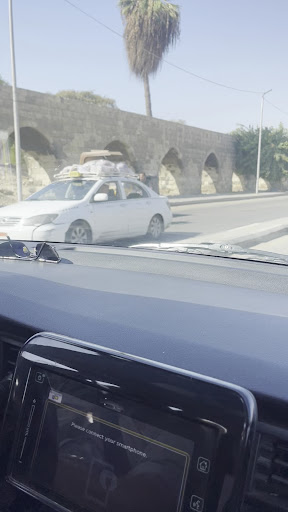
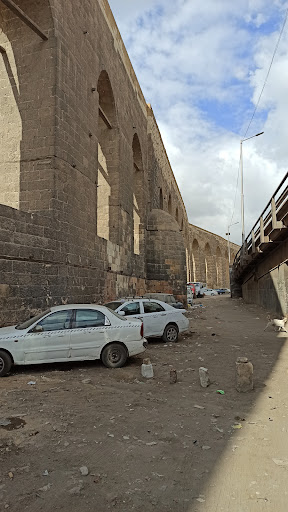
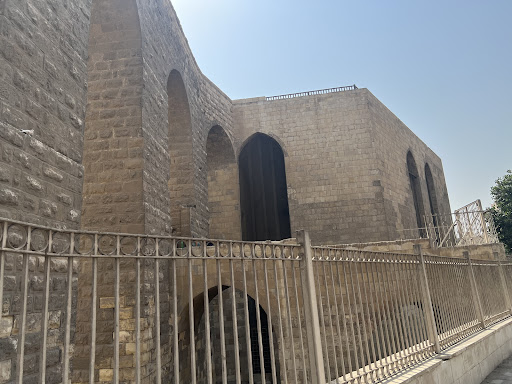
Magra El Oyoun aqueduct (Fum al Khalig) things to do, attractions, restaurants, events info and trip planning
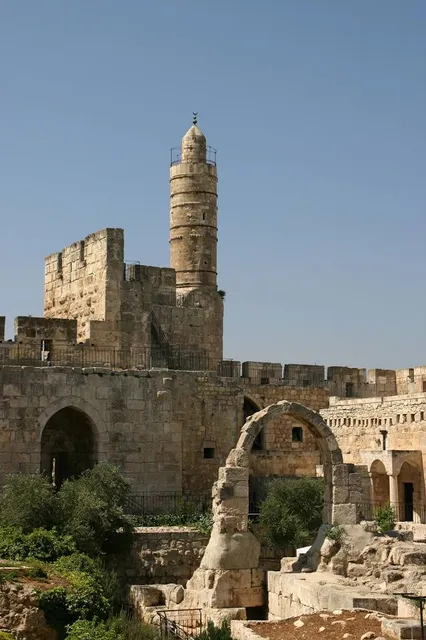
Basic Info
Magra El Oyoun aqueduct (Fum al Khalig)
26CJ+R4W، Magra Al Eyoon, Fom Al Khalig WA Deir an Nahas, Old Cairo, Cairo Governorate 4241317, Egypt
4.4(288)
Open 24 hours
Save
spot
spot
Ratings & Description
Info
The Cairo Citadel Aqueduct or Mamluk Aqueduct is a medieval aqueduct system in Cairo, Egypt. It was first conceived and built during the Ayyubid period but was later reworked by several Mamluk sultans to expand the provision of water to the Citadel of Cairo.
Cultural
Scenic
Outdoor
Off the beaten path
attractions: Prince Mohamed Ali Palace (Al Manial Palace), Al Funun Garden, Manial Garden, Palace Garden, Salah Al-Din Mosque, برج الساعة, restaurants: Bab al-Mandab, Amir Eldomiaty - Al Manyal امير الدمياطي فرع المنيل, Indo-Bangla Restaurant | Original Indian & Bangladeshi Taste in Egypt, McDonald's Al Manial, Asmak El Nil, اسماك البحرين (العطيفي) El-Bahrin Seafood, Volo's Cafe (River Hub), Antar El Kababgy, Carpaccio Nilelounge, Coffee Shop Company, local businesses: Rhoda Island, سراى الإقامة, Nile Dolphin, متحف الصيد, Imkan
 Learn more insights from Wanderboat AI.
Plan your stay

Pet-friendly Hotels in Cairo
Find a cozy hotel nearby and make it a full experience.

Affordable Hotels in Cairo
Find a cozy hotel nearby and make it a full experience.

The Coolest Hotels You Haven't Heard Of (Yet)
Find a cozy hotel nearby and make it a full experience.

Trending Stays Worth the Hype in Cairo
Find a cozy hotel nearby and make it a full experience.
Reviews
Live events
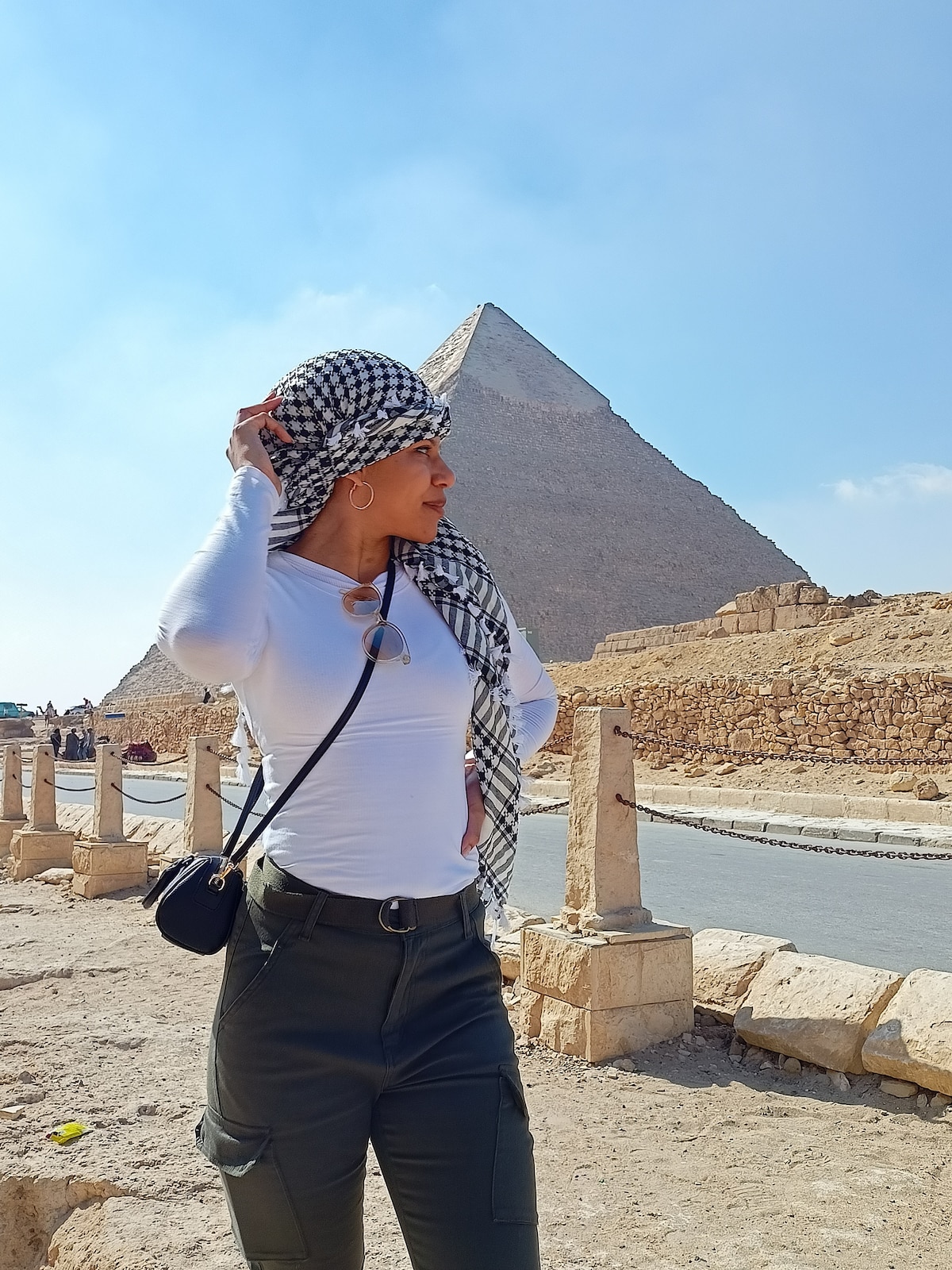
Private tour to Giza Pyramids, Sphinx, ATVs& Lunch
Tue, Feb 24 • 8:00 AM
Qasr Ad Dobarah, Cairo Governorate, 11512, Egypt
View details
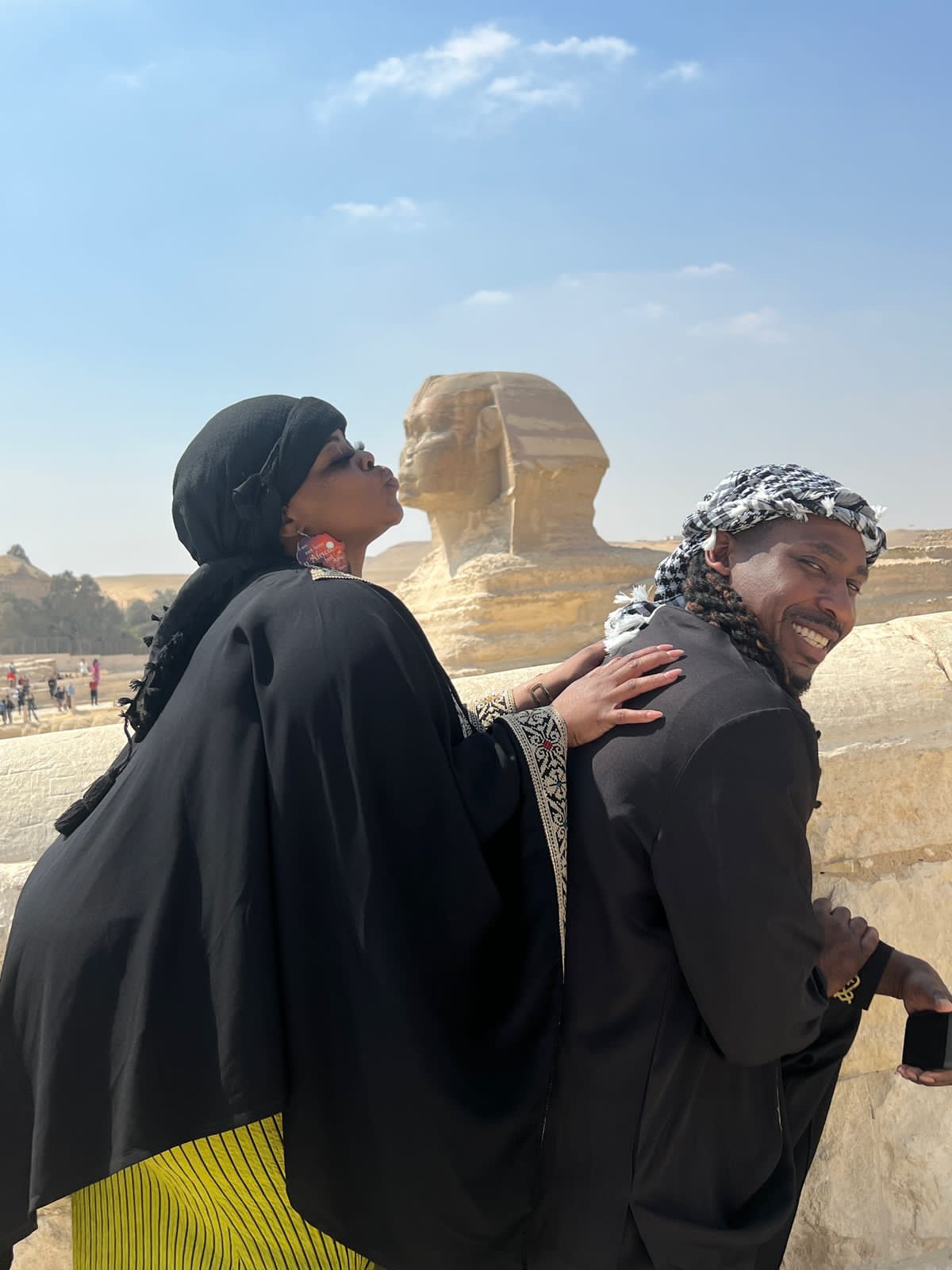
Full day, Giza Pyramids, Sphinx, Saqqara, Memphis
Tue, Feb 24 • 7:30 AM
Nazlet El-Semman, Giza Governorate, 3510001, Egypt
View details
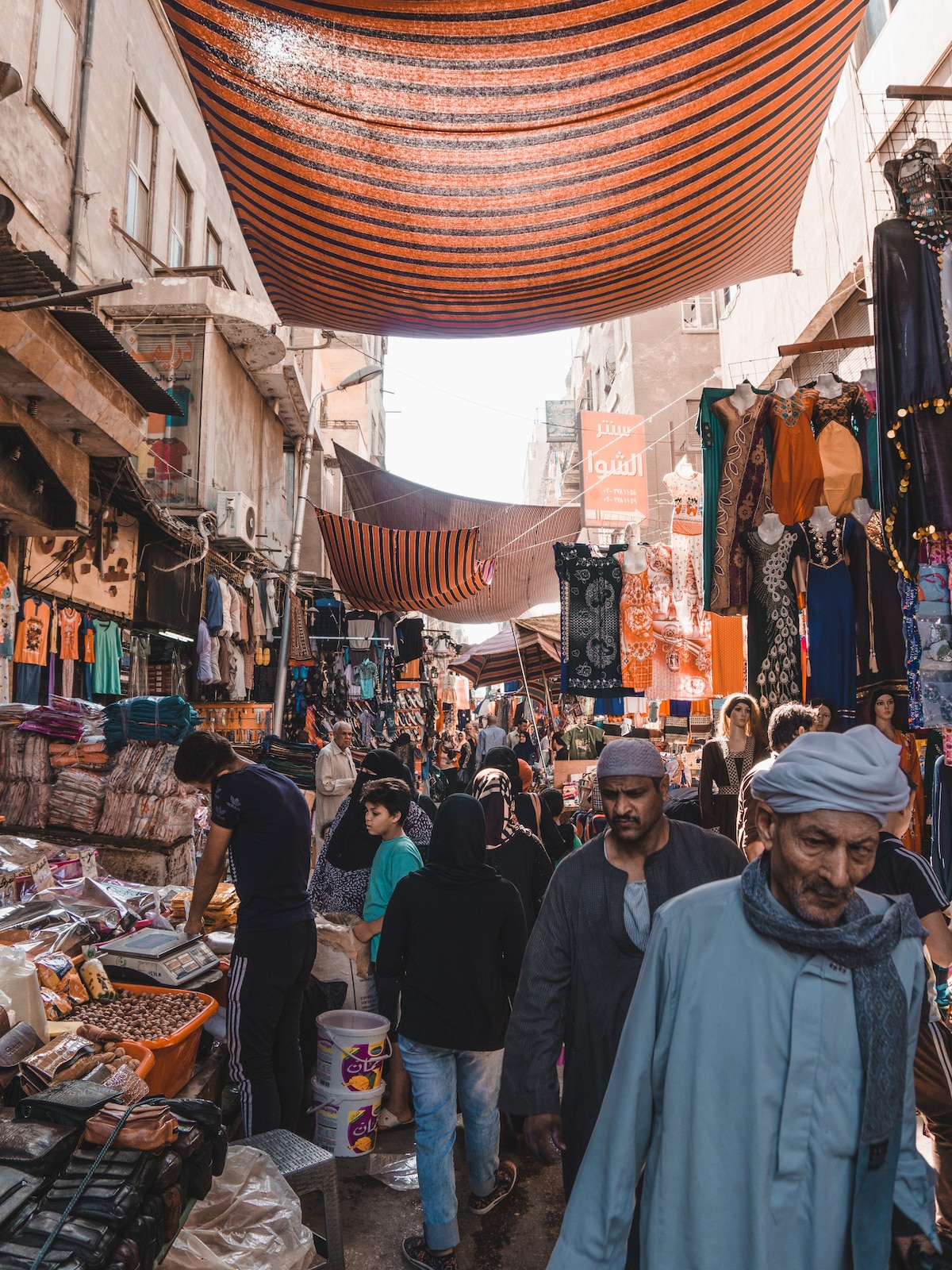
Engage with Egyptian life & Bazzar
Tue, Feb 24 • 5:00 PM
As Sawabi, Cairo Governorate, 4331216, Egypt
View details
Nearby attractions of Magra El Oyoun aqueduct (Fum al Khalig)
Prince Mohamed Ali Palace (Al Manial Palace)
Al Funun Garden
Manial Garden
Palace Garden
Salah Al-Din Mosque
برج الساعة
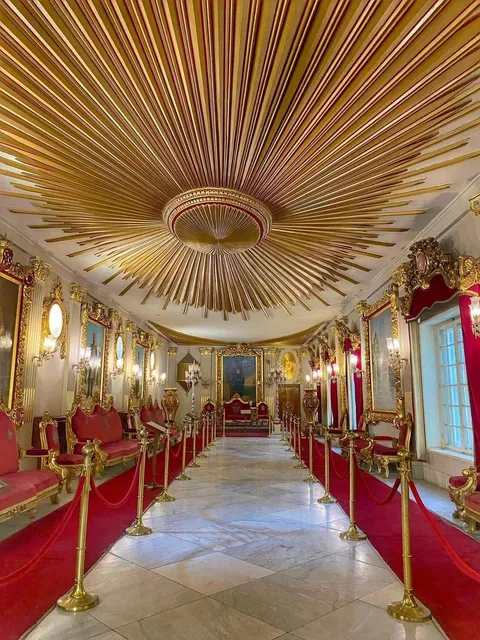
Prince Mohamed Ali Palace (Al Manial Palace)
4.6
(3.9K)
Closed
Click for details
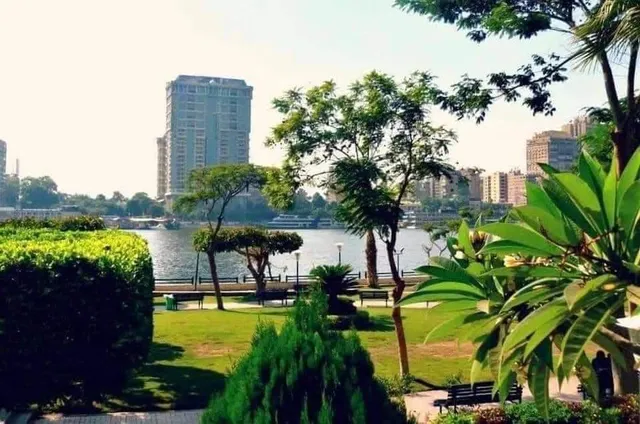
Al Funun Garden
3.8
(2.6K)
Closed
Click for details
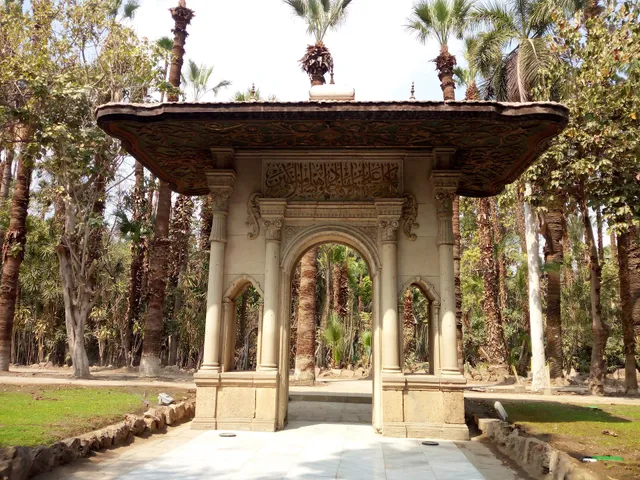
Manial Garden
4.1
(203)
Closed
Click for details
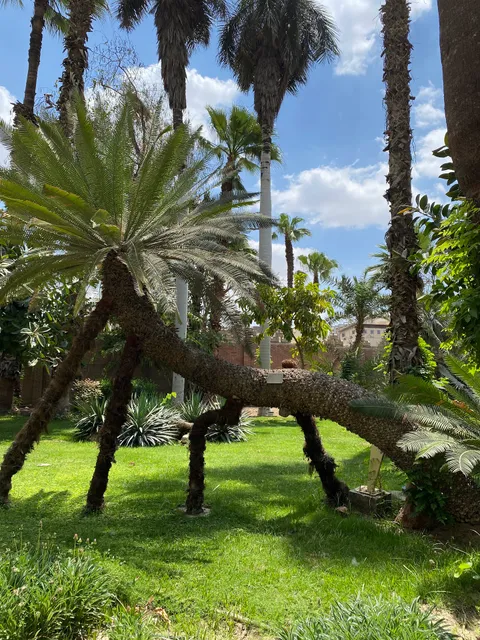
Palace Garden
4.5
(32)
Open 24 hours
Click for details
Nearby restaurants of Magra El Oyoun aqueduct (Fum al Khalig)
Bab al-Mandab
Amir Eldomiaty - Al Manyal امير الدمياطي فرع المنيل
Indo-Bangla Restaurant | Original Indian & Bangladeshi Taste in Egypt
McDonald's Al Manial
Asmak El Nil
اسماك البحرين (العطيفي) El-Bahrin Seafood
Volo's Cafe (River Hub)
Antar El Kababgy
Carpaccio Nilelounge
Coffee Shop Company
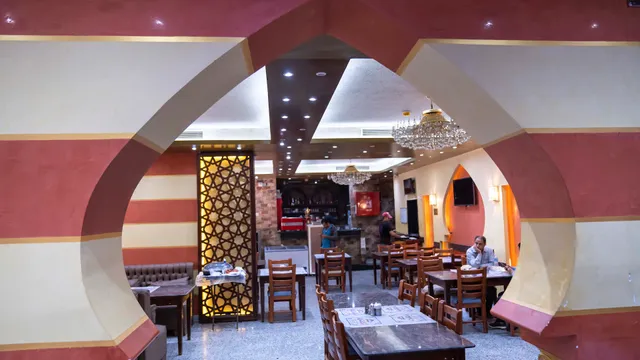
Bab al-Mandab
4.2
(1.9K)
$$
Open until 2:00 AM
Click for details
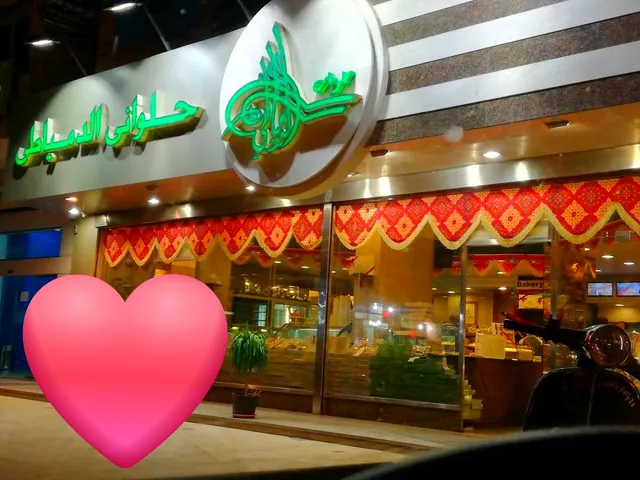
Amir Eldomiaty - Al Manyal امير الدمياطي فرع المنيل
4.3
(767)
$$
Closed
Click for details
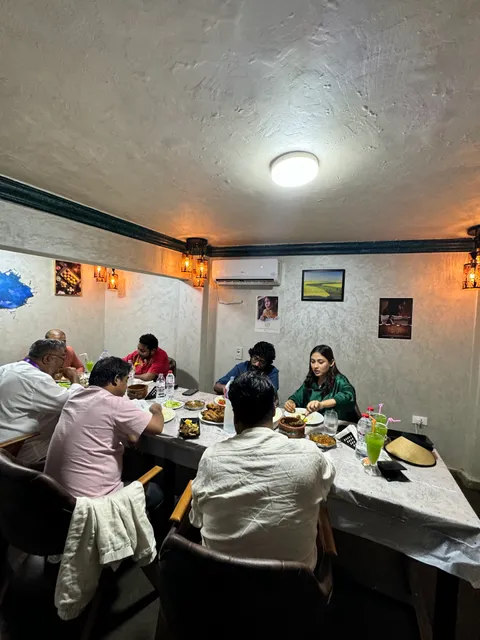
Indo-Bangla Restaurant | Original Indian & Bangladeshi Taste in Egypt
4.3
(85)
Closed
Click for details
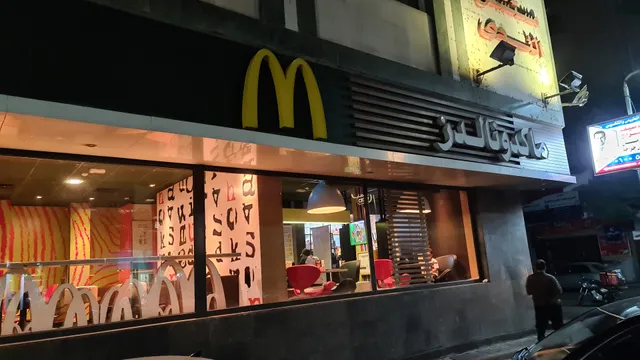
McDonald's Al Manial
4.0
(1.9K)
$$
Closed
Click for details
Nearby local services of Magra El Oyoun aqueduct (Fum al Khalig)
Rhoda Island
سراى الإقامة
Nile Dolphin
متحف الصيد
Imkan
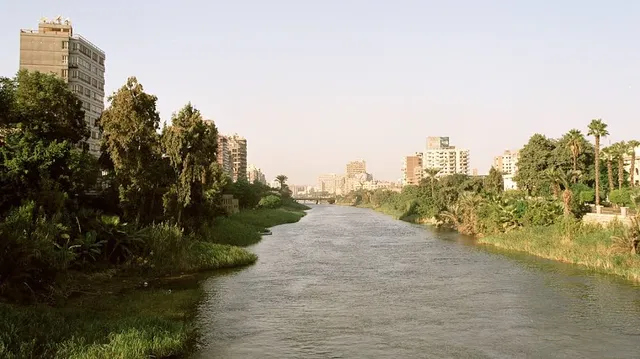
Rhoda Island
4.4
(200)
Click for details

سراى الإقامة
4.6
(22)
Click for details
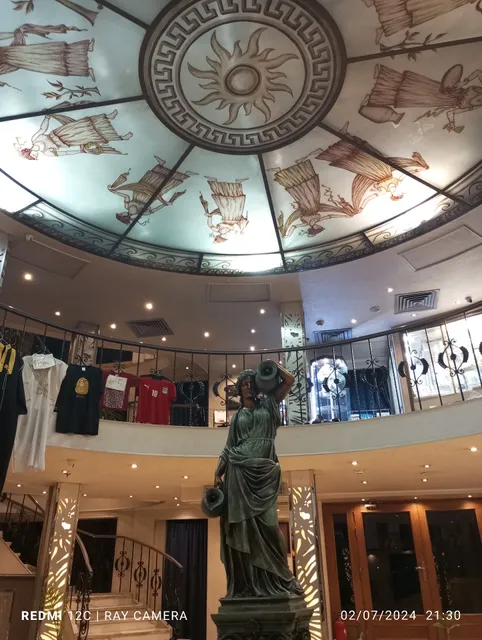
Nile Dolphin
3.4
(49)
Click for details
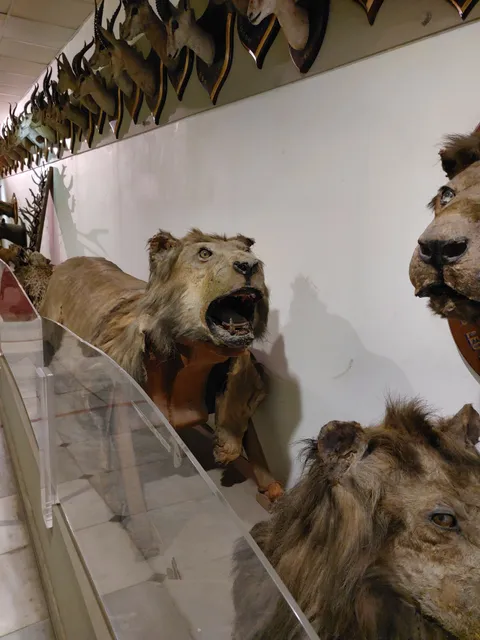
متحف الصيد
4.2
(12)
Click for details