Khedive Ismail (1863-1879), the ruler of Egypt, was the first to think of opening the Zoo on the occasion of the inauguration of the Suez Canal in 1869 but he could not do so for the lack of enough time. On March 1, 1891, the Zoo at Giza was opened for the public.
It was first established to be a botanical garden, with various imported rare species of the most beautiful plants and cactus all over the world.  Its area is about 80 acres. It is located near the west bank of the Nile. Its northern tip overlooks Cairo University. It has five gates at each direction. The Zoo is under the supervision of the Ministry of Agriculture in Egypt.
By 1900 the annual cost of the Zoo had reached L.E. 1,600 of which L.E. 1,000 was from the government and the remainder from private donations. Captain Stanley S. Flower who was responsible for the animals was appointed the Zoological Garden's first director he occupied this post until 1924.
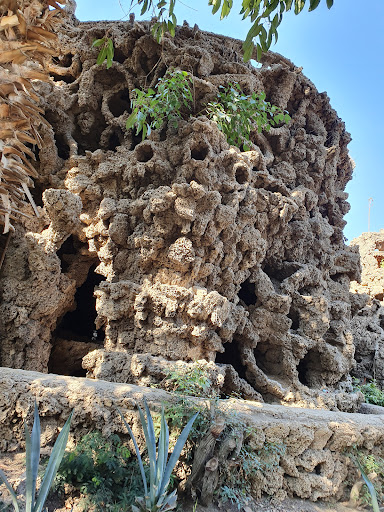
When you visit the zoo, you will enjoy walks that are paved with colored pebbles set in beautiful mosaic pictures, and its streams, lakes, bridges, and hilly habitats for the various animals that it houses. These hilly areas are planted with cactus trees and particularly the rare cactus fruit. Egypt's moderate climate helped preserve the lives of animals from different regions without the use of air-conditioning for cooling or warming.  The Zoo is considered a huge exhibition of African wild life. It is a habitat for many species of animals and birds which are now extinct in Egypt. They are to be restored to their original environments from which they were extinct. Among these are Barbary sheep, Nubian ibex, Egyptian gazelles and Heron.  In the zoo there are five grottoes; the greatest is called the Citadel grotto which was constructed in 1867. It is decorated with various statues of the extinct Fayoum rhinoceros, crocodiles and strange birds. Its plateau is covered with a small park that could be reached by a spiral path. It has streams, a hall in its center as a resting place and various statues of birds and reptiles made of cement and pebbles. The streams flow through caves with white coral reefs hanging down, into waterfalls that lead to a lake with two islands connected with a wooden bridge.
In front of the lions' house there are two artificial hills connected with a rare iron suspended bridge, designed by G. Eiffel.
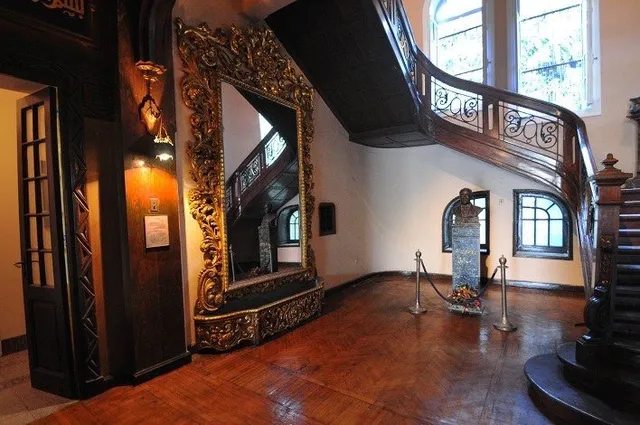
In addition to the numerous animals in the zoo, there is a museum (Animal Museum) which was built in 1906. It consists of three big halls exhibiting large groups of birds, reptiles, fish and animals as well as skeletons.
The Zoo is also an institute where scientists study the behavior of animals and birds. There are five non-governmental organizations that carry out campaigns to encourage people to preserve wild life and promote environment awareness in Egypt.
Number of Zoo visitors kept climbing each year. In 1899, it was more than 43,000. In 1906, it increased up to 223,500. In 2007 number of visitors was more than 3,398,000. On feast days this number is four...
Read moreThe Giza Zoo or the Zoo in Giza was founded in 1891. It is the largest zoo in Egypt and the Middle East, and the first and oldest zoo in Africa. It was called the "Jewel of the Crown of Zoos in Africa". It opens to the public from 9 am to 5 pm Every day except Tuesdays of each week the history of the zoo one to England and the other to France In 1871 the establishment of the Giza Zoo began. In 1867 the building of the Royal Jabalya and the Citadel of Jabalia In 1869 the building of a candlestick was built In 1873, 1875 the building of the Gabalian creativity In 1891 the opening of the public during the reign of Khadio Tawfiq In 1896 the bear house was opened. In 1898 the government house was opened. In 1901, the Elephant House and Beit El Sebaa were opened. In 1909 the scientific library was established. In 1910 the Giza Zoo became under the authority of the Ministry of Agriculture. In 1911 the suspension bridge was opened In 1914 the establishment of the Animal Museum. In 1924 the Japanese kiosk was established. In 1934 the establishment of Cairo University and the road of Nahdet Misr, which separated the Orman Park from the zoo, which led to the removal of many plants In 1936 the public door was opened. In 1938 the southern part of the Orman Park was added to increase the area of the zoo from 50 acres to 80 acres where the animals were brought from Al-Jazeera (Marriott Hotel) In 1949 the Royal Rest House was opened. In 1987, the World Bird Association established an environmental education center at a cost of one quarter million pounds under the supervision of Manda Baha El Din In 1990 the opening of the Center for Education and Environmental Awareness. In 1993, Asdan was killed by a guard after leaving the outer door of the cage open and shot dead. Later, an elephant raided a guard and killed him. In 1998 the Animal Museum was closed. In 2003, at a press conference, the World Federation announced Egypt's exit from the world rankings. In January 2004, the Giza Zoo came out of the WAZA In 2006 the Giza zoo was closed due to bird flu for three months In December 2008 join the Giza Zoo for membership «PAAZAB» Bazab. In January 2013 a fire at the Giza Zoo In May 2013 the island of tea was reopened at the Giza Zoo. In 2013, Jabliah was reopened In 2018 the Animal Museum was reopened
حديقة حيوان الجيزة أو جنينة الحيوانات في الجيزة تأسست سنة 1891 م . هي أكبر حديقة للحيوانات في مصر والشرق الأوسط، وأول وأعرق حدائق الحيوانات في أفريقيا. كانت تسمى "جوهرة التاج لحدائق الحيوان في أفريقيا" . ، وتفتح ابوابها للجمهور من 9 صباحاُ إلى 5 مساءً كل يوم ماعدا الثلاثاء من كل أسبوع تاريخ حديقة الحيوان احدهما إلى إنجلترا...
Read moreThe zoo still has an 1800s feel, which was when it was opened. the problem with that is back then no one cared about animal rights. while other zoos in the world have been updated to be a nice place for animals. giza zoo hasn't
The staff do not care about the animals what so ever and will do anything for money, including hitting the animals such as the lions and the hyenas to make them roar and if you are a tourist expect to hear lies saying the animals are well kept and expect every staff member to get as much money as they can. (i live in cairo but am a foreigner) this guy came up to us and let us feed the hippos but demanded money afterwards. if you get lost in the zoo (which is very easy) then expect to not get any info if you do not pay.
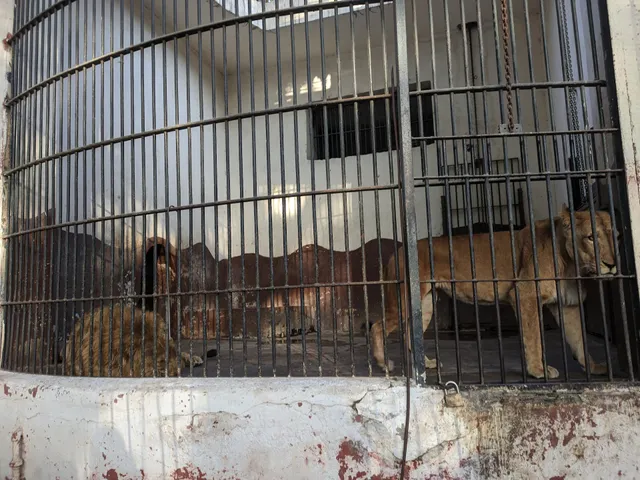
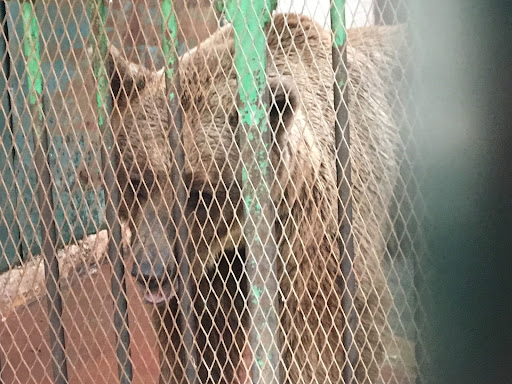
the cages are acceptable for less popular animals, however the lions, bears, monkeys, hyenas and tigers have cages so small that the animals walk around the cages whining. The exhibits are filthy and do not get cleaned out. if you google "giza zoo animal abuse" you will see exactly what i am talking about. The zoo is very cheap however and i feel if they raised the prices they could restore the zoo to what you expect of a zoo.
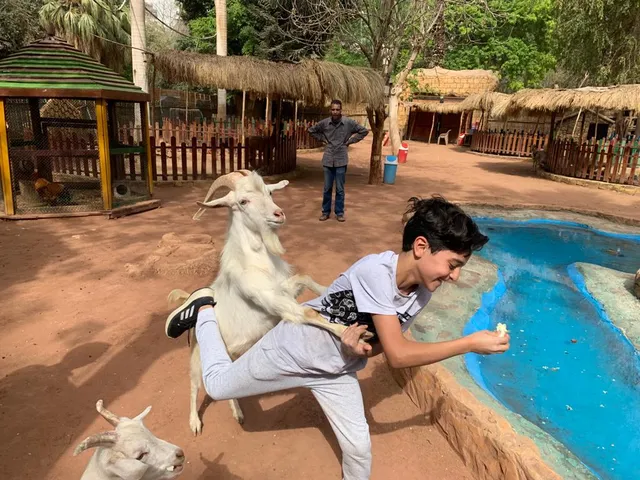
some people make fun of the animals and throw stuff at them, and bang the cages to make them be startled. this one kid pulled the tail of a peacock and i had to pull him off...
Read more