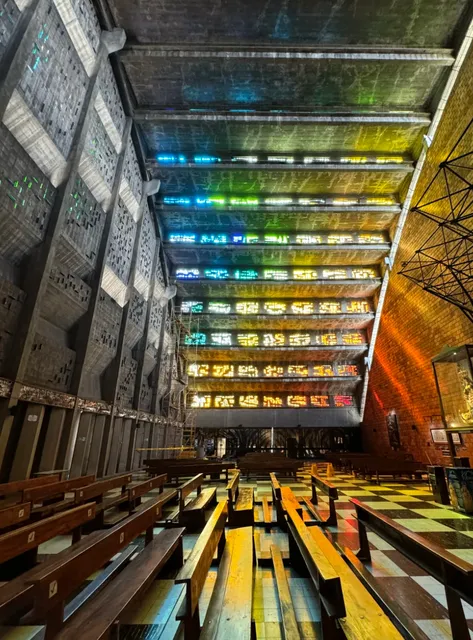
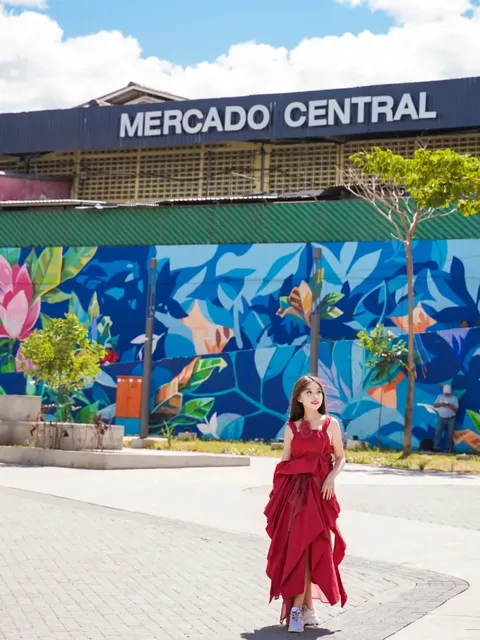
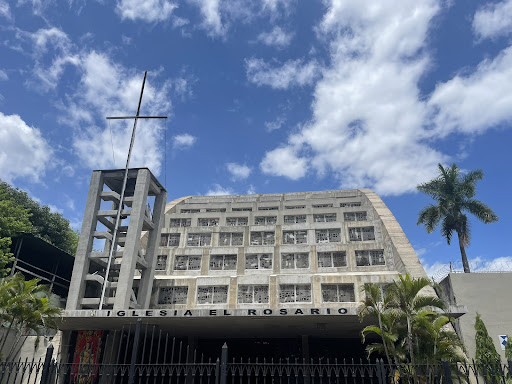
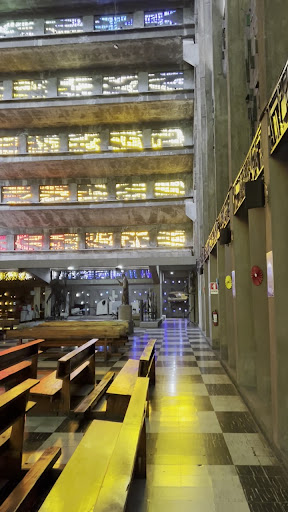
Iglesia El Rosario things to do, attractions, restaurants, events info and trip planning
Basic Info
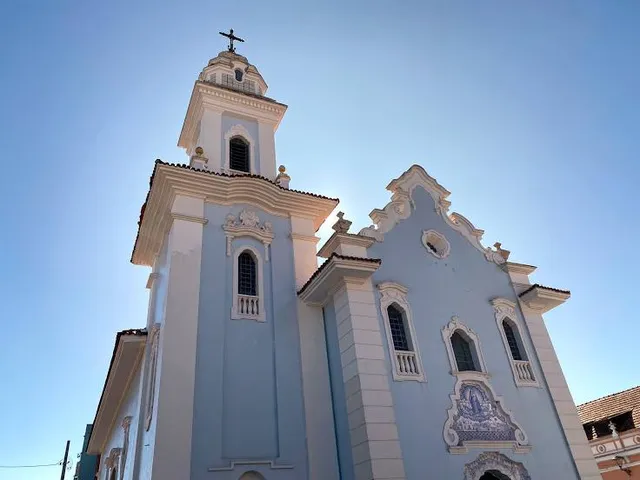
Iglesia El Rosario
6a Avenida Sur & 4, San Salvador, El Salvador
4.7(528)
Closed
Save
spot
spot
Ratings & Description
Info
Cultural
Scenic
Accessibility
attractions: Liberty Plaza, Morazan Plaza, Metropolitan Cathedral of San Salvador, Captain Gerardo Barrios Plaza, National Theater of San Salvador, Parque San José, National Palace of El Salvador, Museo y Biblioteca "Luis Alfaro Durán", Centenario Park, Lineal Park, restaurants: Club La Dalia, Cha Cha Chá, Café Luz Negra, La Doña Steakhouse, Moris Rooftop, Fulanos Coffee, Basilico Italian Bistro, Tempo Bistro Coffee, Pollo Campestre, Alfa Coffee Shop, local businesses: Mercado Ex-Cuartel, Children's Playground, National Library of El Salvador, National Palace of El Salvador, llaollao, Sacred Heart of Jesus Market, Somasca El Calvario Church, San Salvador Central Market, Comedor Bendición de Dios, Gerardo Barrios Mall
 Learn more insights from Wanderboat AI.
Phone
+503 2222 2171
Website
facebook.com
Open hoursSee all hours
Thu9 AM - 12 PM, 2 - 4:30 PMClosed
Plan your stay

Pet-friendly Hotels in San Salvador
Find a cozy hotel nearby and make it a full experience.

Affordable Hotels in San Salvador
Find a cozy hotel nearby and make it a full experience.

The Coolest Hotels You Haven't Heard Of (Yet)
Find a cozy hotel nearby and make it a full experience.

Trending Stays Worth the Hype in San Salvador
Find a cozy hotel nearby and make it a full experience.
Reviews
Live events
Cursor Lab San Salvador (UFG)
Thu, Feb 19 • 7:00 PM
Edificio de Bibliotecas y Laboratorios Especializados UFG, Ave Francisco Gavidia, San Salvador, El Salvador
View details
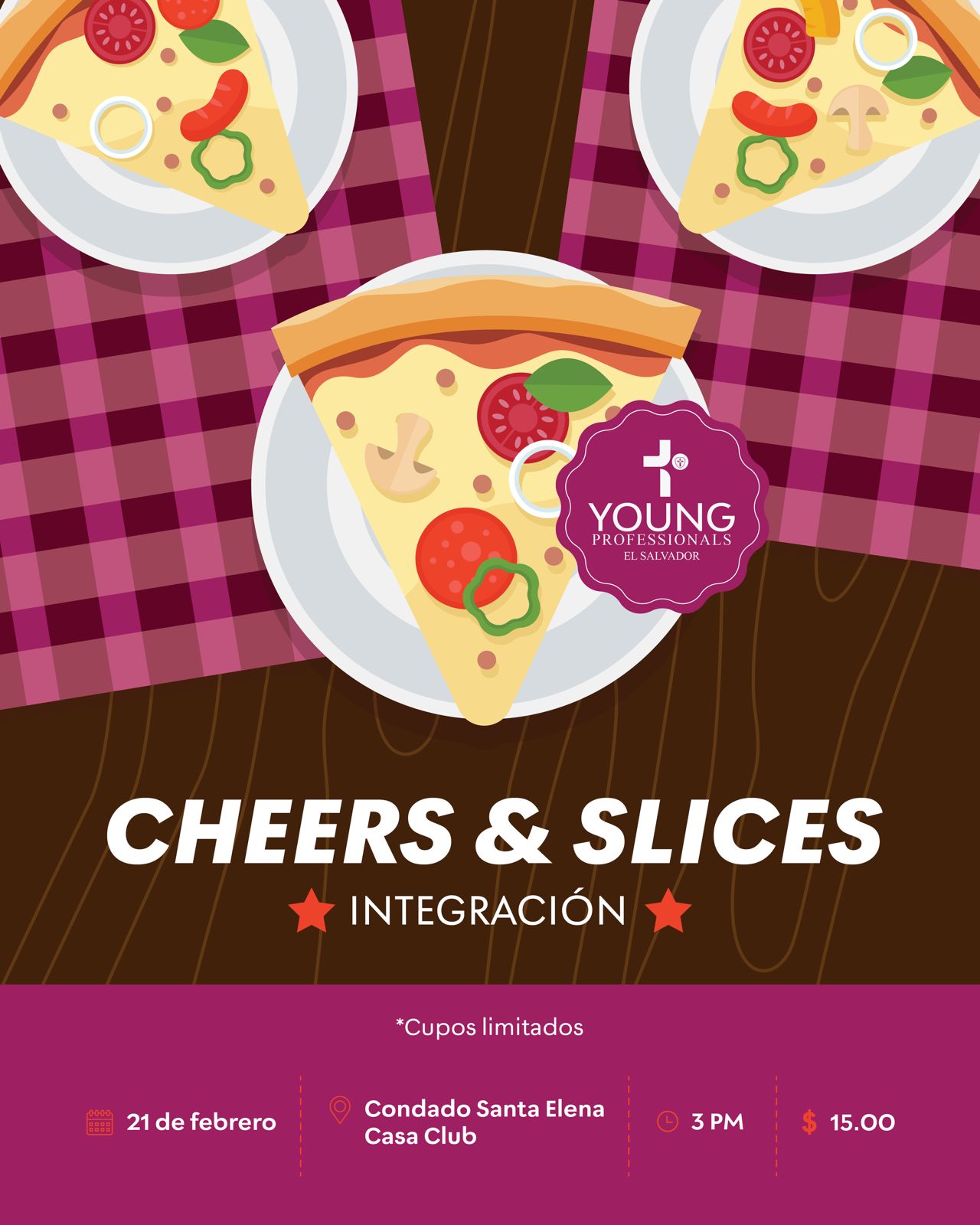
Cheers & Slices YP RC SV
Sat, Feb 21 • 9:00 PM
Nuevo Cuscatlan, La Libertad
View details
Nearby attractions of Iglesia El Rosario
Liberty Plaza
Morazan Plaza
Metropolitan Cathedral of San Salvador
Captain Gerardo Barrios Plaza
National Theater of San Salvador
Parque San José
National Palace of El Salvador
Museo y Biblioteca "Luis Alfaro Durán"
Centenario Park
Lineal Park
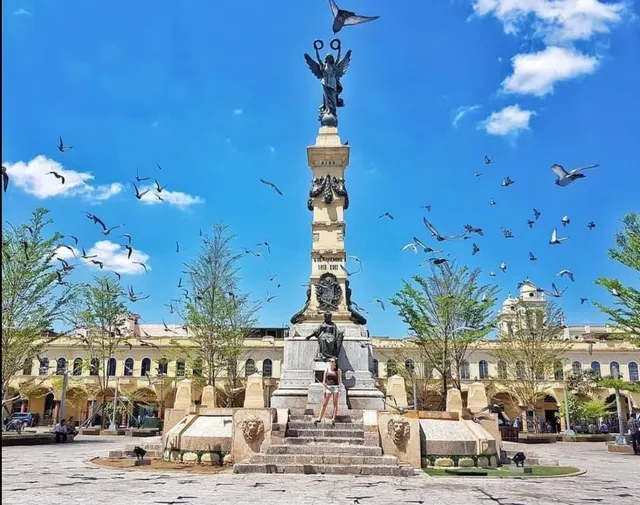
Liberty Plaza
4.5
(3.5K)
Open until 12:00 AM
Click for details
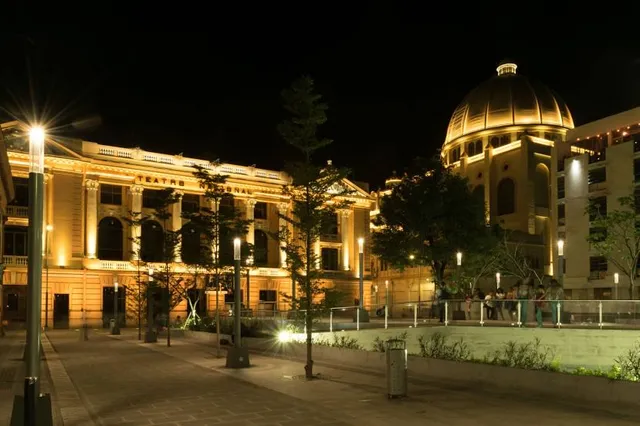
Morazan Plaza
4.6
(3.7K)
Open until 12:00 AM
Click for details
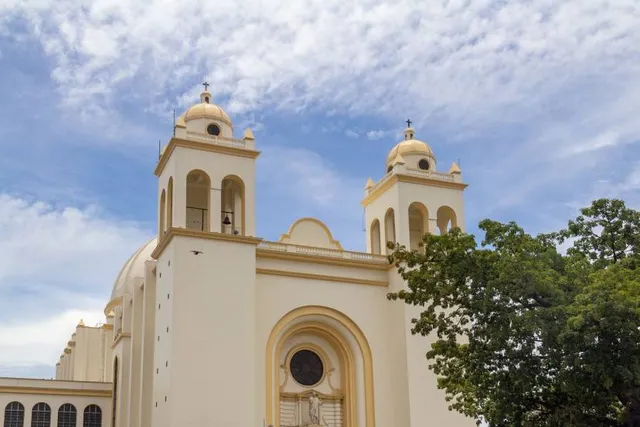
Metropolitan Cathedral of San Salvador
4.7
(2.8K)
Open until 5:00 PM
Click for details
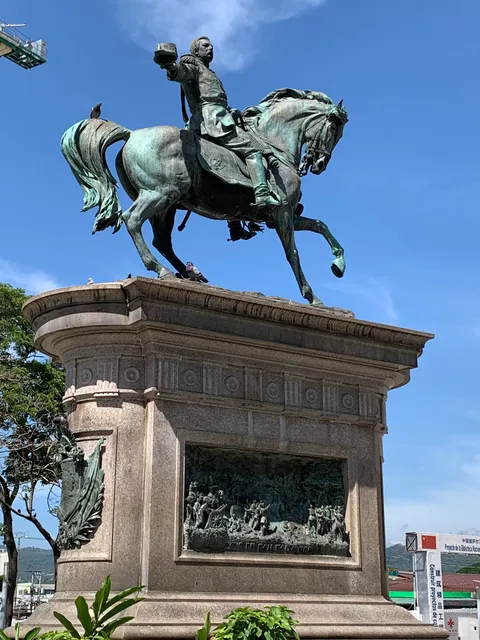
Captain Gerardo Barrios Plaza
4.6
(1.9K)
Open until 12:00 AM
Click for details
Nearby restaurants of Iglesia El Rosario
Club La Dalia
Cha Cha Chá
Café Luz Negra
La Doña Steakhouse
Moris Rooftop
Fulanos Coffee
Basilico Italian Bistro
Tempo Bistro Coffee
Pollo Campestre
Alfa Coffee Shop
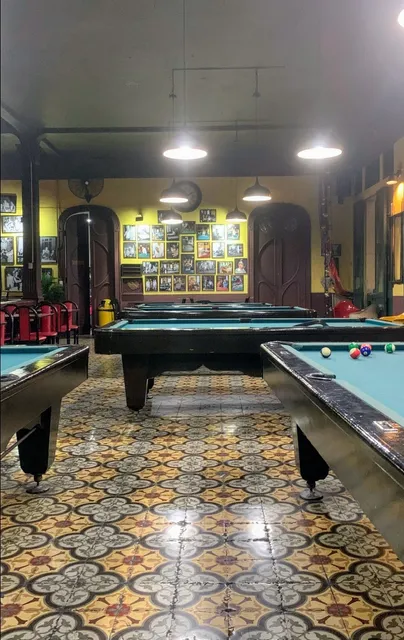
Club La Dalia
4.5
(689)
Closed
Click for details
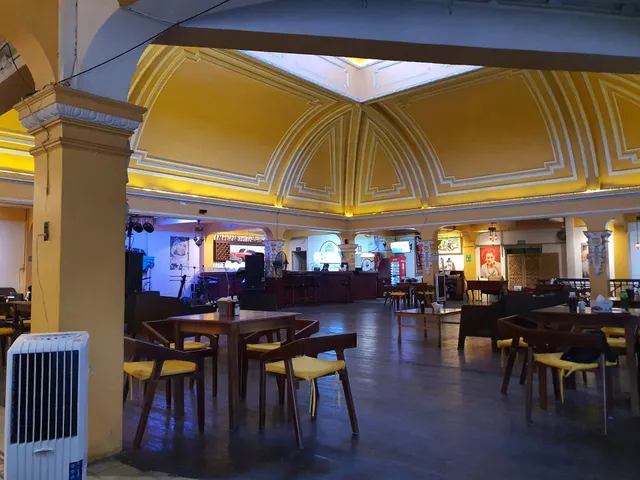
Cha Cha Chá
4.2
(371)
Closed
Click for details
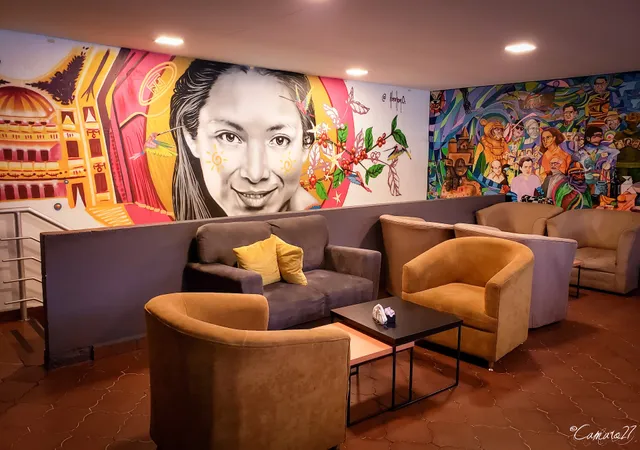
Café Luz Negra
4.4
(504)
$
Closed
Click for details
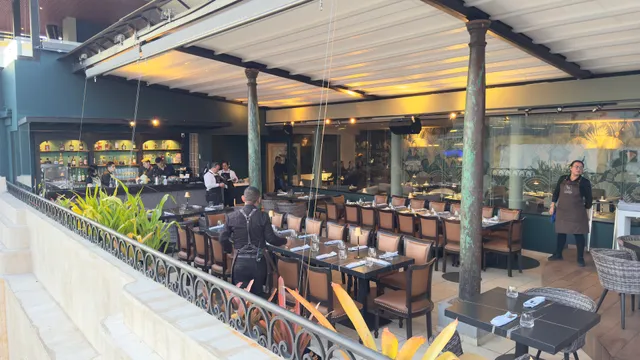
La Doña Steakhouse
4.6
(417)
Closed
Click for details
Nearby local services of Iglesia El Rosario
Mercado Ex-Cuartel
Children's Playground
National Library of El Salvador
National Palace of El Salvador
llaollao
Sacred Heart of Jesus Market
Somasca El Calvario Church
San Salvador Central Market
Comedor Bendición de Dios
Gerardo Barrios Mall
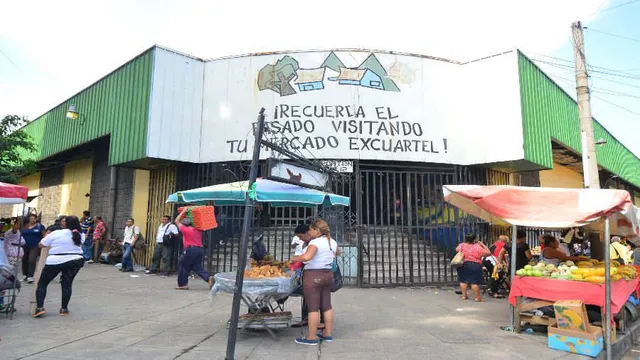
Mercado Ex-Cuartel
4.1
(3K)
Click for details
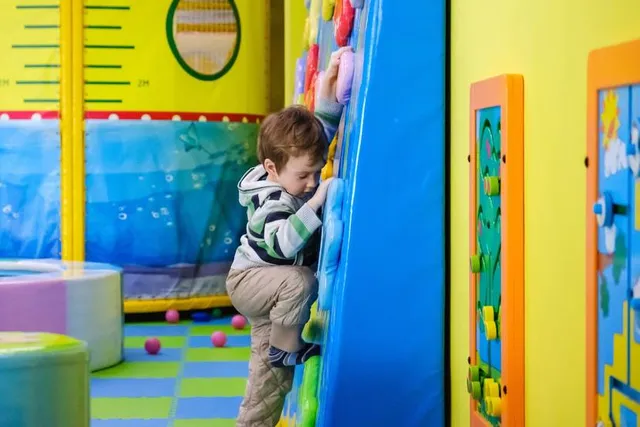
Children's Playground
4.2
(3K)
Click for details
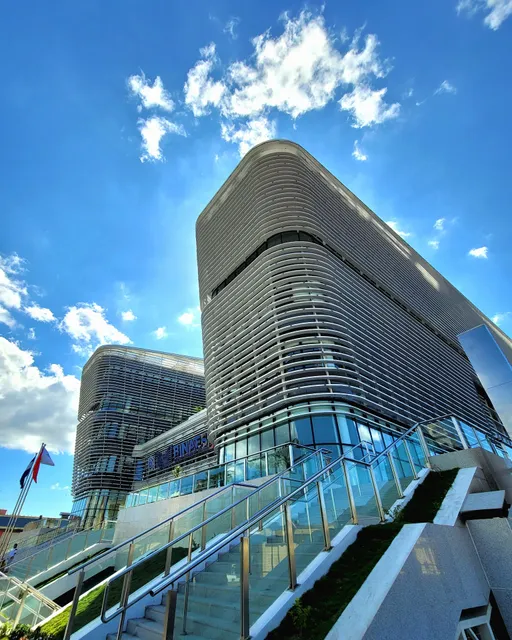
National Library of El Salvador
4.7
(1.2K)
Click for details
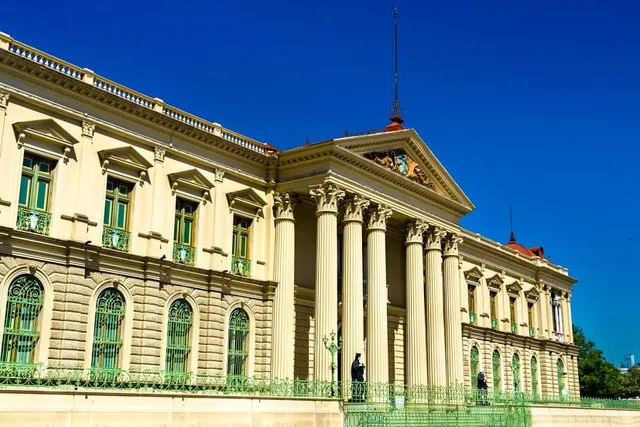
National Palace of El Salvador
4.7
(668)
Click for details