Roman Theatre of Arles things to do, attractions, restaurants, events info and trip planning
Basic Info
Roman Theatre of Arles
1 Rue du Cloître, 13200 Arles, France
4.4(1.1K)
Closed
Save
spot
spot
Ratings & Description
Info
Cultural
Outdoor
Entertainment
Scenic
Family friendly
Accessibility
attractions: Arles Amphitheatre, Jardin d'été, Saint-Trophime Primatial Catholic Church, Cloître Saint-Trophime, Arles Obelisk, Tourist Office of Arles, Cryptoportiques d'Arles, L'espace Van Gogh, Manuel Rivera-Ortiz Foundation, Fondation Vincent van Gogh Arles, restaurants: La Pergula, Le Criquet, Restaurant L'Escaladou, Restaurant indien Jaipur Palace, Creperie Chez Mam Goz, Cocorrico, bistro arlesiano, restauration & coktails, Oboulaba, Saveurs et Terroirs, L'Aire d'Arles, Côté Arènes, local businesses: Town hall of Arles, Li Beloïo, La casa di Viotti, L' Atelier Galerie - VARGAS Marie Christine, Carnet de Voyage, Museon Arlaten, La Croisière, Dessange Arles, Caroll, Boutique Blanc du Nil
 Learn more insights from Wanderboat AI.
Phone
+33 4 90 18 41 20
Website
arlestourisme.tickeasy.com
Open hoursSee all hours
Wed10:30 AM - 4 PMClosed
Plan your stay

Pet-friendly Hotels in Arles
Find a cozy hotel nearby and make it a full experience.

Affordable Hotels in Arles
Find a cozy hotel nearby and make it a full experience.

The Coolest Hotels You Haven't Heard Of (Yet)
Find a cozy hotel nearby and make it a full experience.

Trending Stays Worth the Hype in Arles
Find a cozy hotel nearby and make it a full experience.
Reviews
Live events

David Bowie, Mr Jones Long Hair - par David Lawrence
Thu, Feb 12 • 10:00 AM
11 Boulevard Marceau, Saint-Rémy-de-Provence, 13210
View details
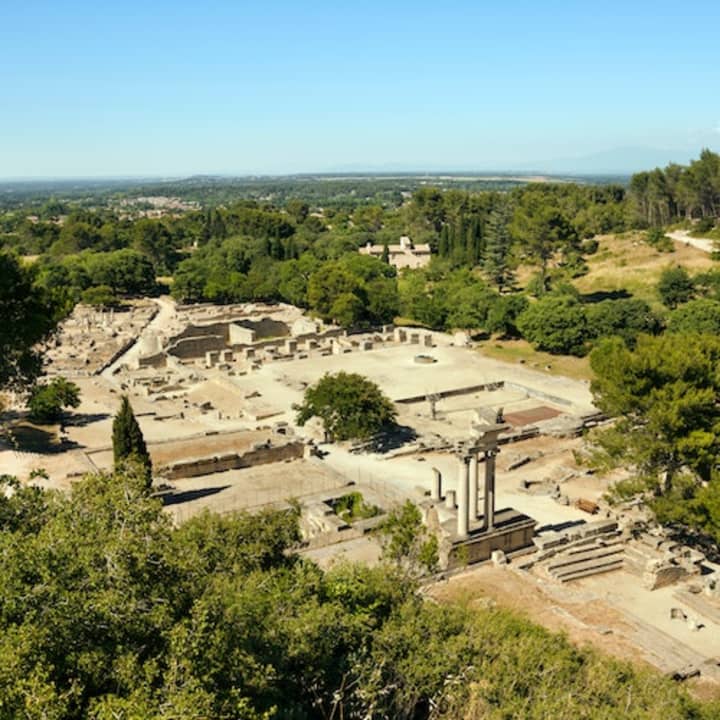
Site archéologique de Glanum
Thu, Feb 12 • 10:00 AM
Avenue Vincent Van Gogh, Saint-Rémy-de-Provence, 13210
View details

Prison Island Nîmes
Thu, Feb 12 • 5:00 PM
39 Rue de l'Hostellerie, Nîmes, 30900
View details
Nearby attractions of Roman Theatre of Arles
Arles Amphitheatre
Jardin d'été
Saint-Trophime Primatial Catholic Church
Cloître Saint-Trophime
Arles Obelisk
Tourist Office of Arles
Cryptoportiques d'Arles
L'espace Van Gogh
Manuel Rivera-Ortiz Foundation
Fondation Vincent van Gogh Arles
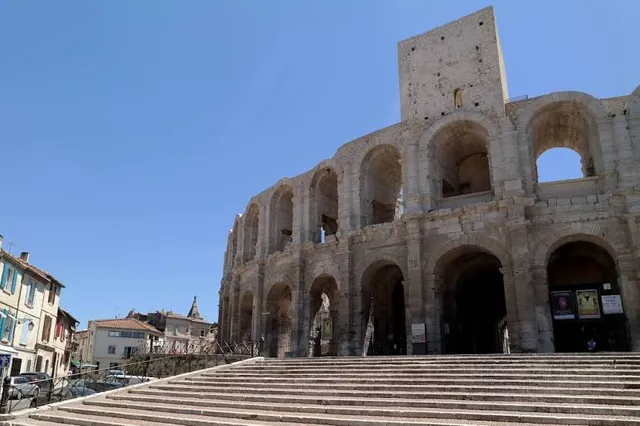
Arles Amphitheatre
4.4
(6.8K)
Closed
Click for details
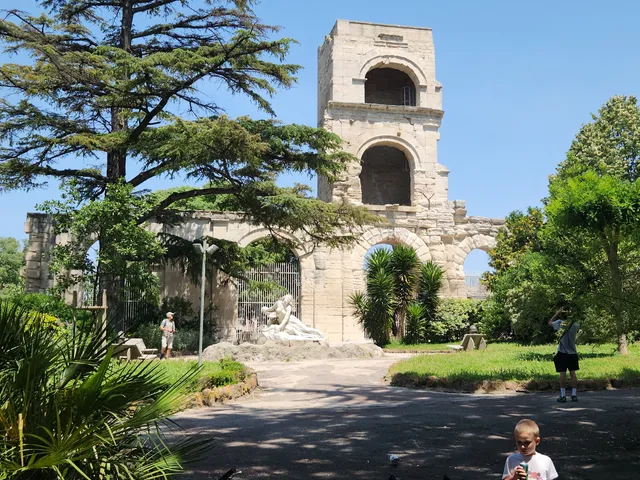
Jardin d'été
4.3
(623)
Closed
Click for details
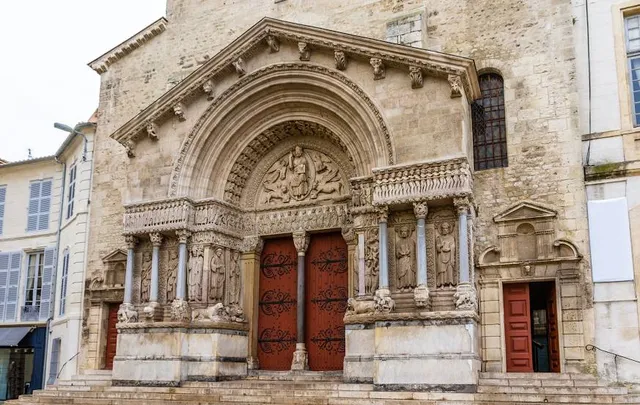
Saint-Trophime Primatial Catholic Church
4.5
(617)
Closed
Click for details
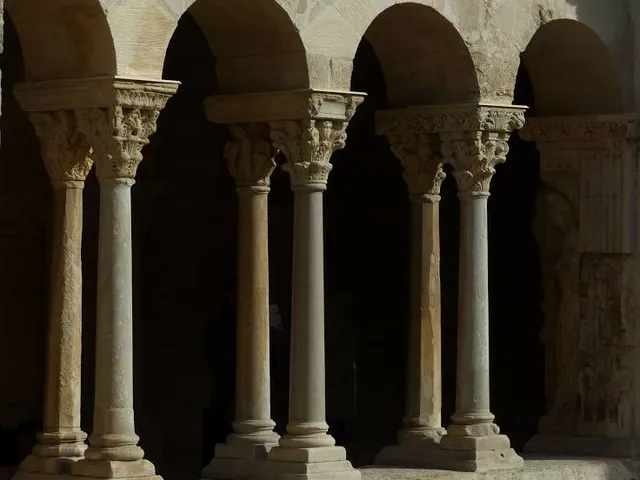
Cloître Saint-Trophime
4.6
(323)
Closed
Click for details
Nearby restaurants of Roman Theatre of Arles
La Pergula
Le Criquet
Restaurant L'Escaladou
Restaurant indien Jaipur Palace
Creperie Chez Mam Goz
Cocorrico, bistro arlesiano, restauration & coktails
Oboulaba
Saveurs et Terroirs
L'Aire d'Arles
Côté Arènes
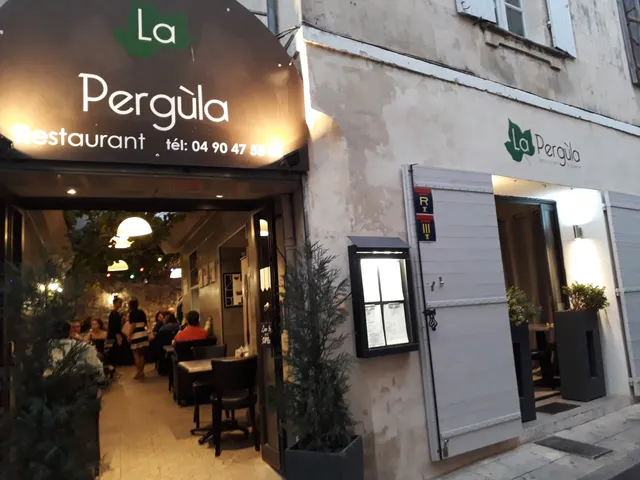
La Pergula
4.5
(451)
Closed
Click for details
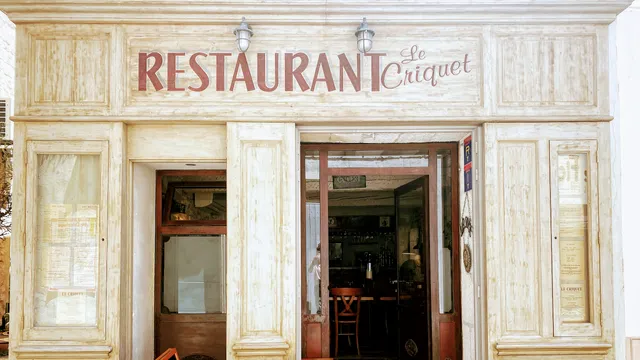
Le Criquet
4.7
(449)
Closed
Click for details
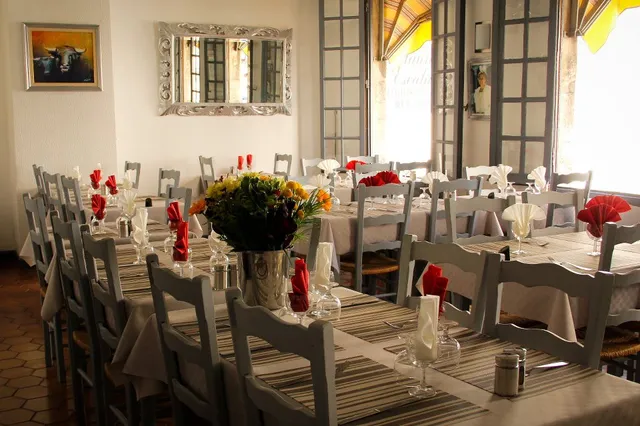
Restaurant L'Escaladou
4.4
(386)
Open until 12:00 AM
Click for details
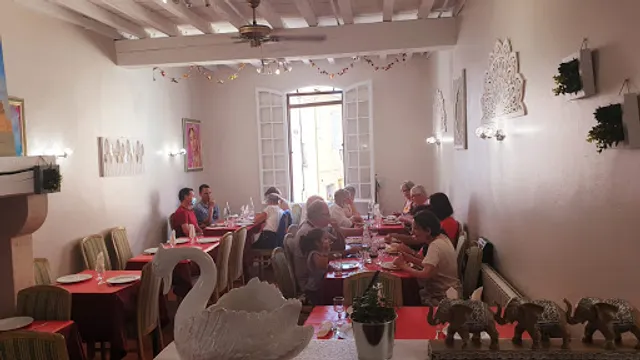
Restaurant indien Jaipur Palace
4.7
(344)
Closed
Click for details
Nearby local services of Roman Theatre of Arles
Town hall of Arles
Li Beloïo
La casa di Viotti
L' Atelier Galerie - VARGAS Marie Christine
Carnet de Voyage
Museon Arlaten
La Croisière
Dessange Arles
Caroll
Boutique Blanc du Nil
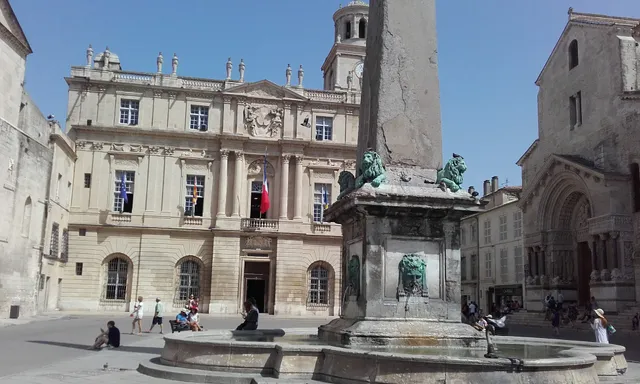
Town hall of Arles
3.2
(299)
Click for details
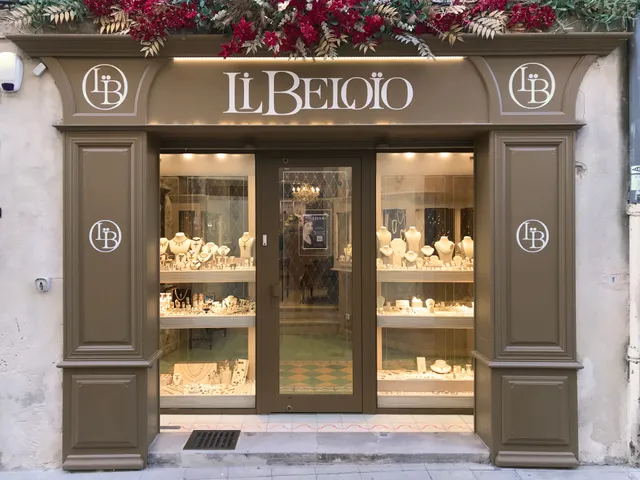
Li Beloïo
4.6
(20)
Click for details
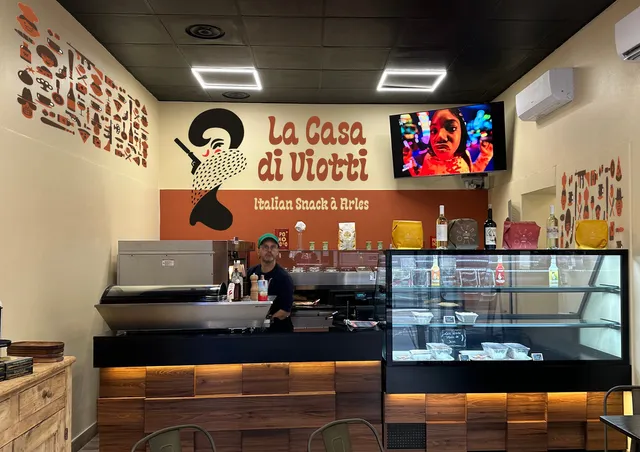
La casa di Viotti
4.8
(144)
Click for details

L' Atelier Galerie - VARGAS Marie Christine
5.0
(9)
Click for details