Château et Remparts de la Cité de Carcassonne things to do, attractions, restaurants, events info and trip planning
Basic Info
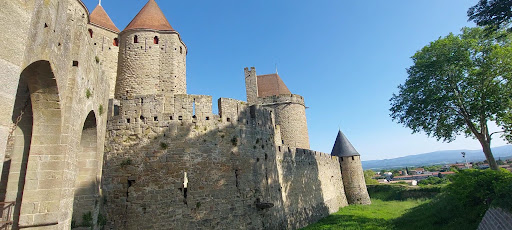
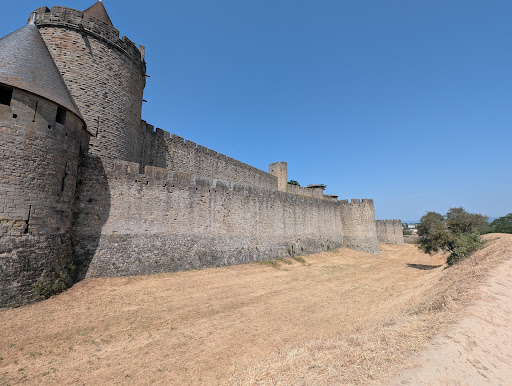
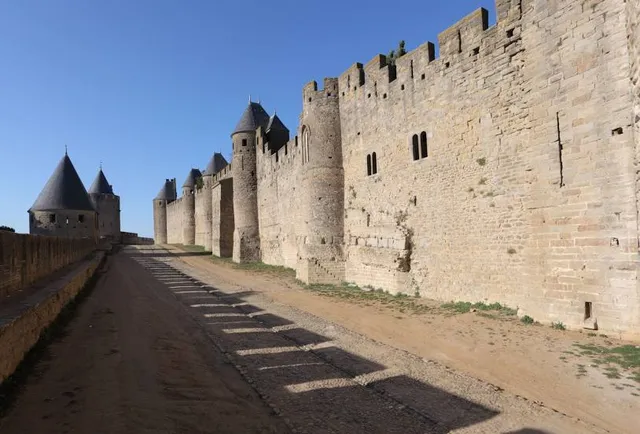
Château et Remparts de la Cité de Carcassonne
1 Rue Viollet le Duc, 11000 Carcassonne, France
4.6(904)
Closed


tickets
Save
spot
spot
Ratings & Description
Info
Cultural
Adventure
Scenic
Family friendly
Accessibility
attractions: Château Comtal, Cité de Carcassonne, Basilique Saint Nazaire, Museum of the Inquisition, Office de Tourisme de Carcassonne La Cité, Porte Narbonnaise, Camp Médiéval, Porte d’Aude, Remparts et Lumières, Théâtre Jean-Deschamps, restaurants: Amorino Gelato - Carcassonne, LA DEMEURE DU CASSOULET, Auberge de Dame Carcas, L'escargot, Adélaïde, Le Menestrel, Le Cachotier, Restaurant Auberge des Ducs d'Oc à Carcassonne, Les Terrasses de la Cité, Le Flagrant des Lices, local businesses: Basilique Saint Nazaire, Porte Narbonnaise, La petite boutique, Little JULIE, Mémoire Des Siècles, Les Bonbons Des Chevaliers, Le pays des merveilles (les pierres de la cite), L'Eperon Médiéval, The Workshop Cité, Iris Galerie
 Learn more insights from Wanderboat AI.
Phone
+33 4 68 11 70 70
Website
remparts-carcassonne.fr
Open hoursSee all hours
Tue10 AM - 6:30 PMClosed
Plan your stay

Pet-friendly Hotels in Carcassonne
Find a cozy hotel nearby and make it a full experience.

Affordable Hotels in Carcassonne
Find a cozy hotel nearby and make it a full experience.

The Coolest Hotels You Haven't Heard Of (Yet)
Find a cozy hotel nearby and make it a full experience.

Trending Stays Worth the Hype in Carcassonne
Find a cozy hotel nearby and make it a full experience.
Reviews
Live events
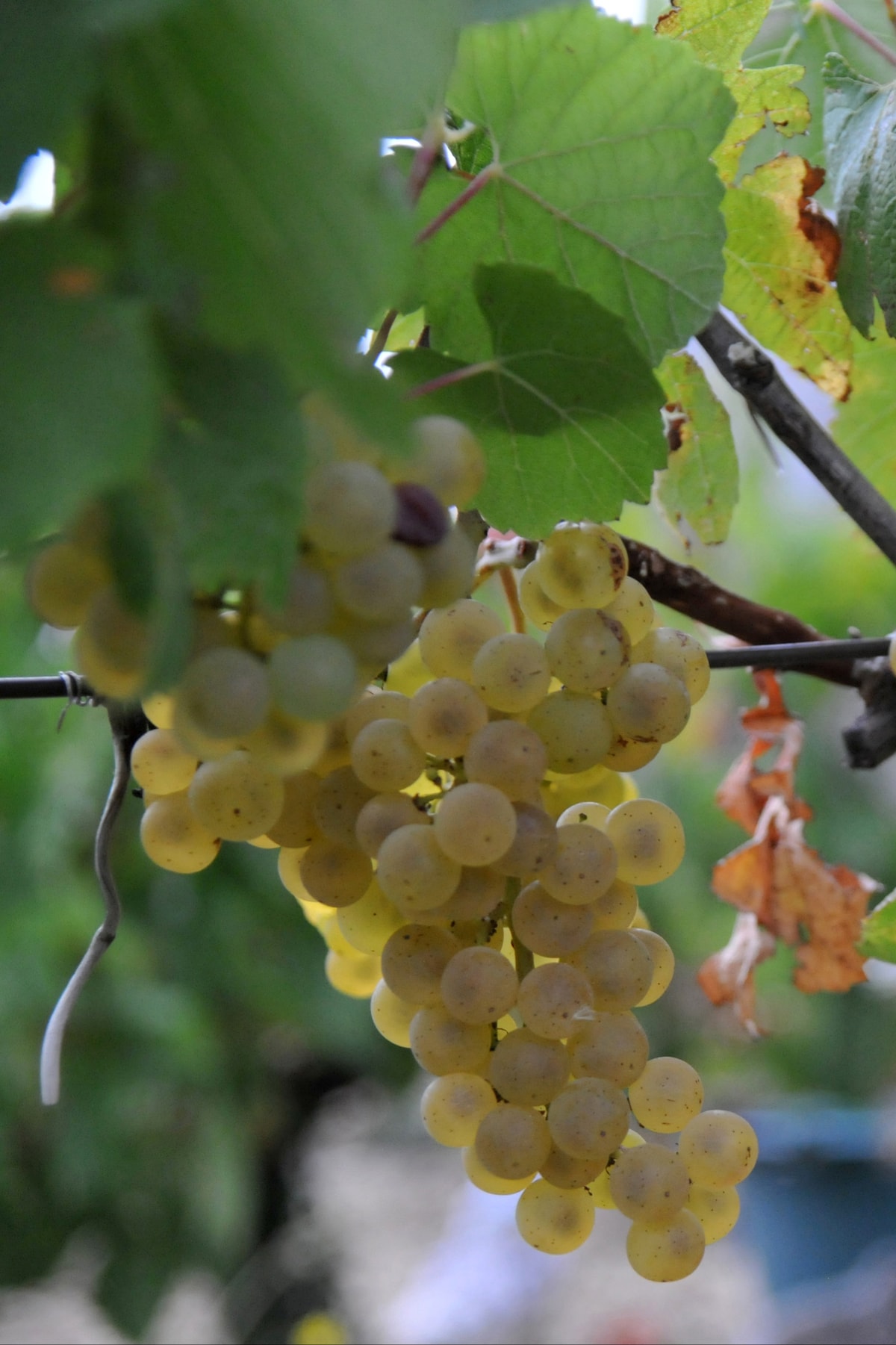
Sensory Journey to the Heart of Authentic Wines
Wed, Feb 18 • 10:00 AM
11220, Lagrasse, France
View details
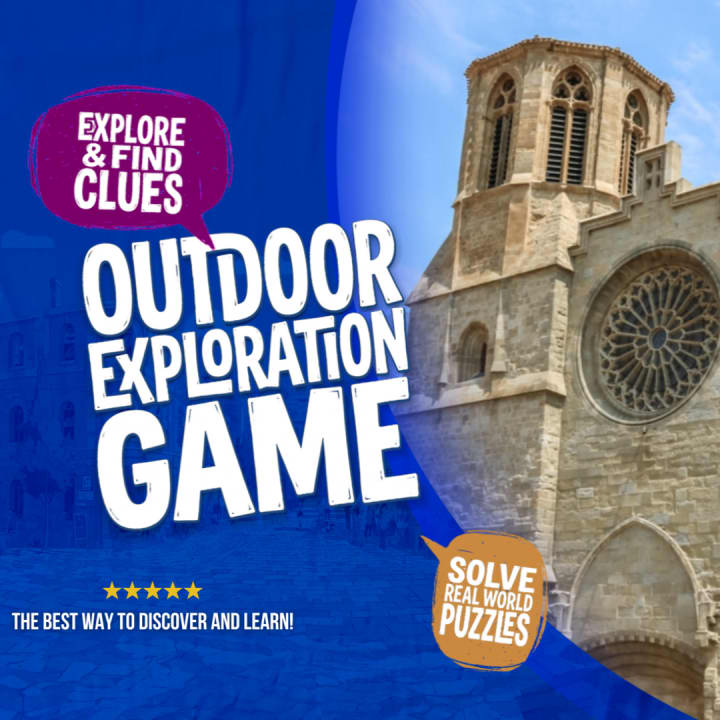
Medieval Carcassonne Outdoor Exploration Game
Tue, Feb 3 • 12:00 AM
8 Sq. Gambetta, Carcassonne, 11000
View details
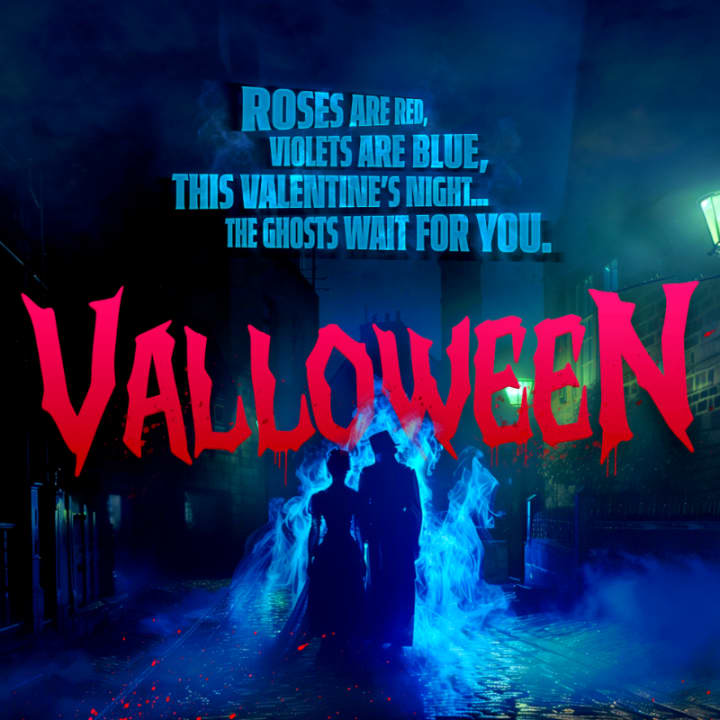
Valloween Scavenger Hunt: A Carcassonne Exploration
Tue, Feb 17 • 12:00 AM
Square Gambetta, Carcassonne, 11000
View details
Nearby attractions of Château et Remparts de la Cité de Carcassonne
Château Comtal
Cité de Carcassonne
Basilique Saint Nazaire
Museum of the Inquisition
Office de Tourisme de Carcassonne La Cité
Porte Narbonnaise
Camp Médiéval
Porte d’Aude
Remparts et Lumières
Théâtre Jean-Deschamps
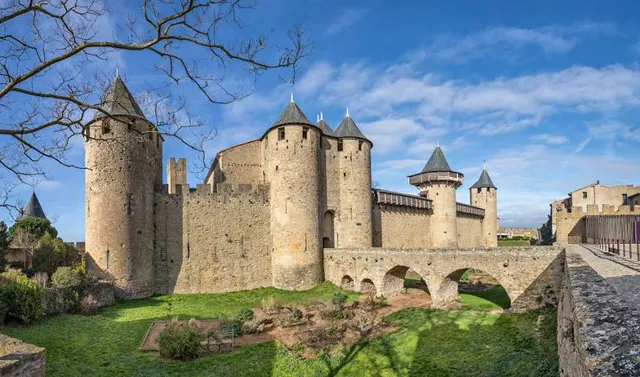
Château Comtal
4.7
(5.4K)
Closed
Click for details
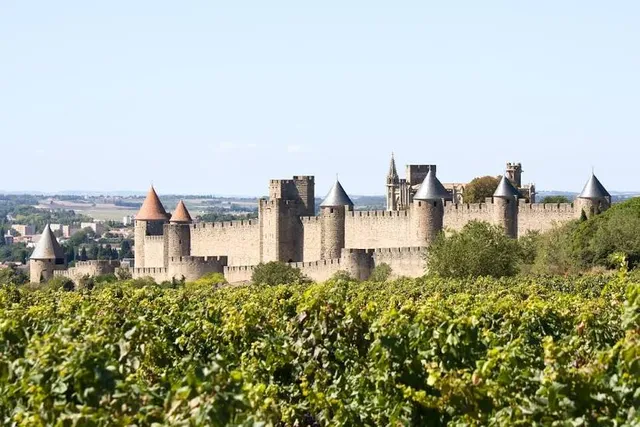
Cité de Carcassonne
4.7
(5.5K)
Closed
Click for details
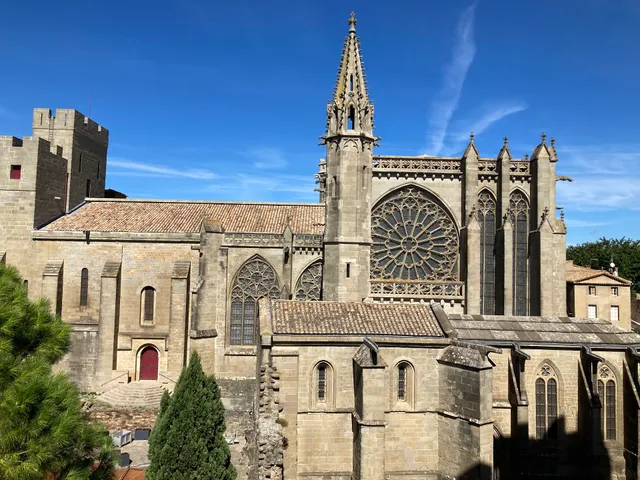
Basilique Saint Nazaire
4.6
(2.4K)
Closed
Click for details
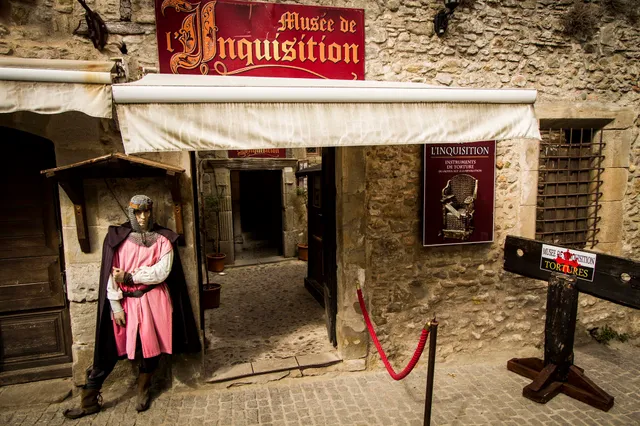
Museum of the Inquisition
3.4
(650)
Closed
Click for details
Nearby restaurants of Château et Remparts de la Cité de Carcassonne
Amorino Gelato - Carcassonne
LA DEMEURE DU CASSOULET
Auberge de Dame Carcas
L'escargot
Adélaïde
Le Menestrel
Le Cachotier
Restaurant Auberge des Ducs d'Oc à Carcassonne
Les Terrasses de la Cité
Le Flagrant des Lices
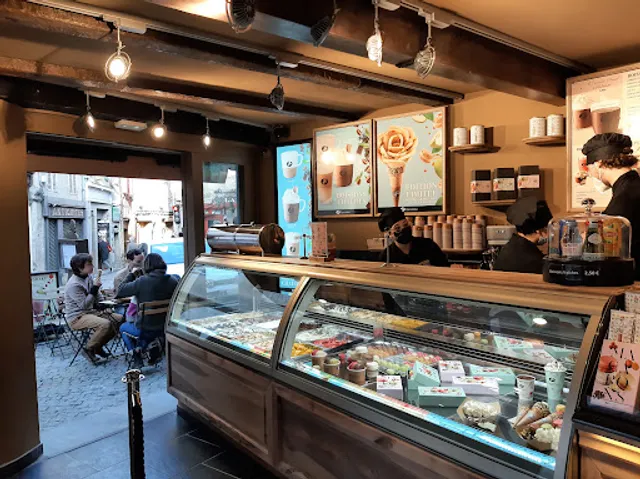
Amorino Gelato - Carcassonne
4.8
(911)
$$
Closed
Click for details
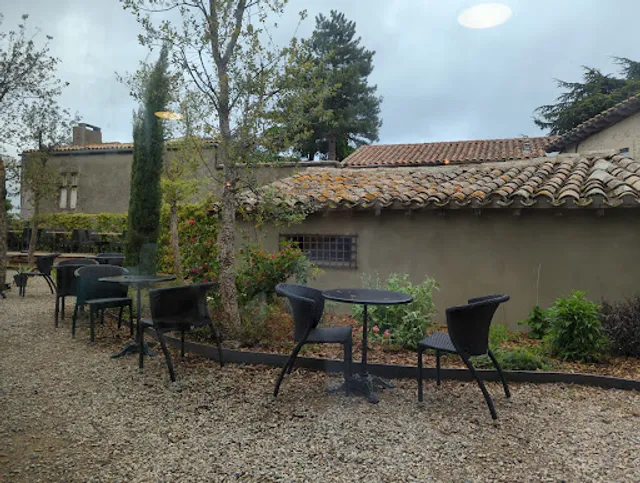
LA DEMEURE DU CASSOULET
4.8
(1.9K)
Closed
Click for details
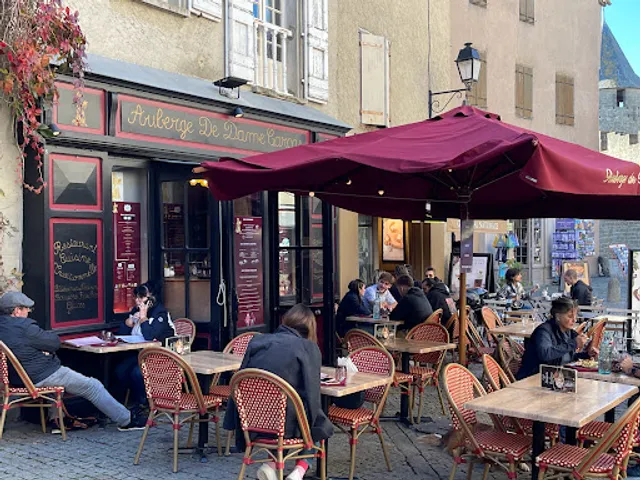
Auberge de Dame Carcas
4.4
(692)
Closed
Click for details
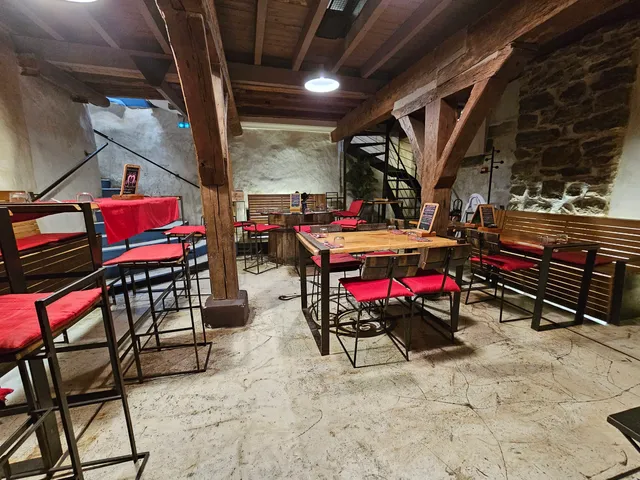
L'escargot
4.6
(635)
Closed
Click for details
Nearby local services of Château et Remparts de la Cité de Carcassonne
Basilique Saint Nazaire
Porte Narbonnaise
La petite boutique
Little JULIE
Mémoire Des Siècles
Les Bonbons Des Chevaliers
Le pays des merveilles (les pierres de la cite)
L'Eperon Médiéval
The Workshop Cité
Iris Galerie
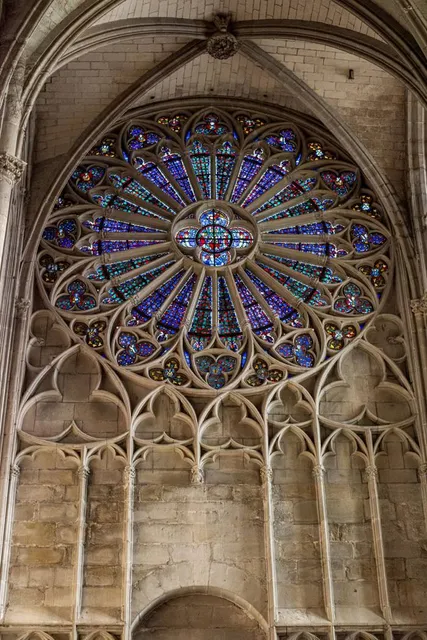
Basilique Saint Nazaire
4.6
(1.9K)
Click for details
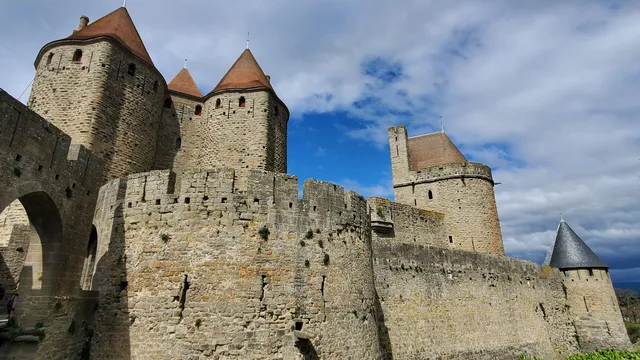
Porte Narbonnaise
4.7
(235)
Click for details
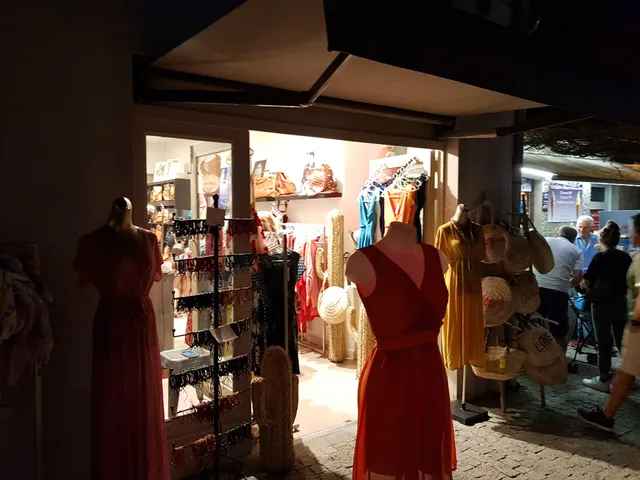
La petite boutique
4.6
(40)
Click for details
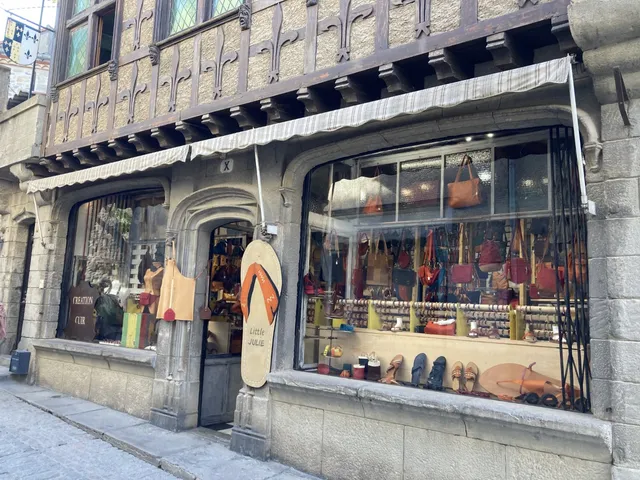
Little JULIE
4.6
(31)
Click for details