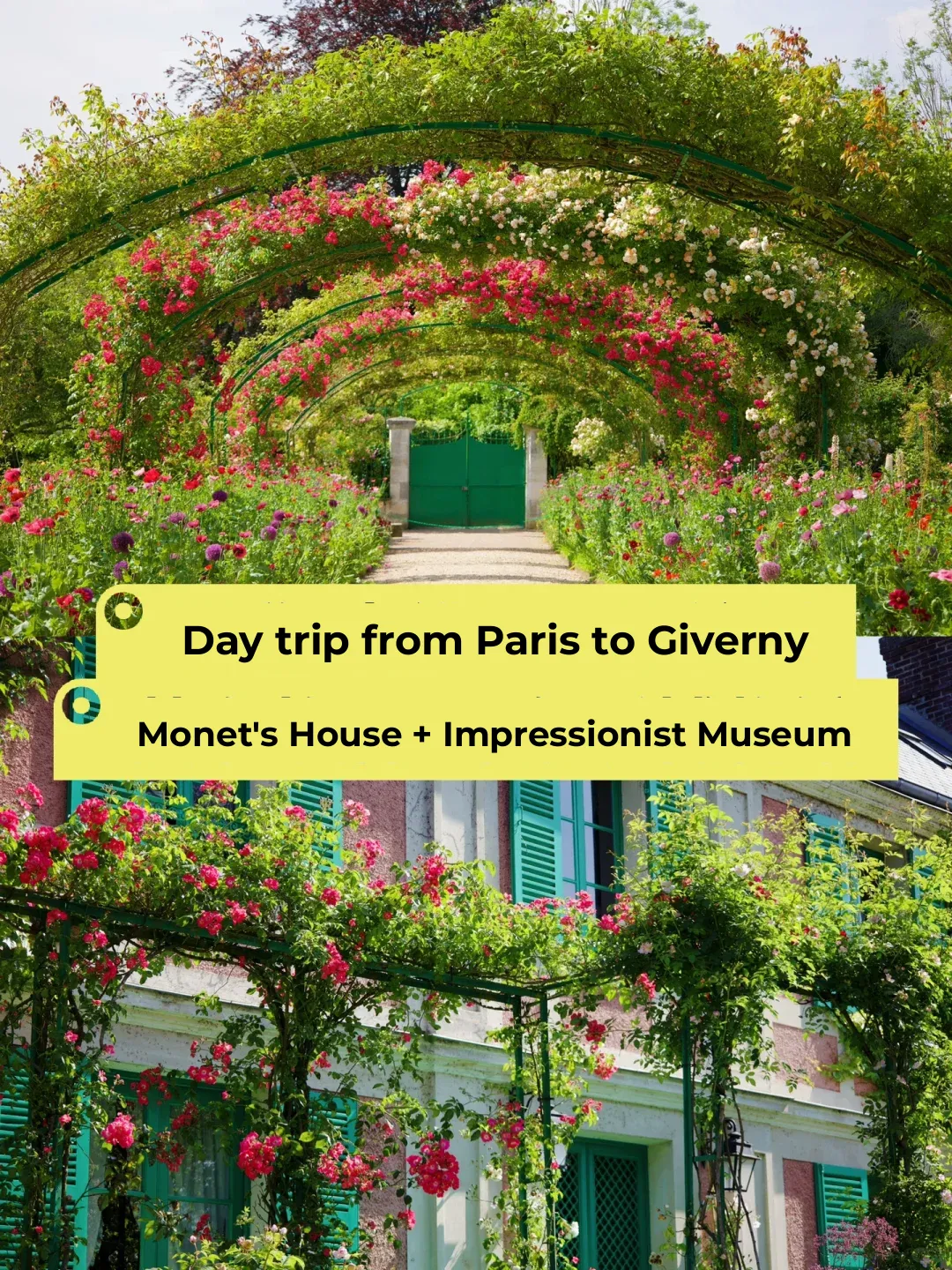
The Water Garden things to do, attractions, restaurants, events info and trip planning
Basic Info
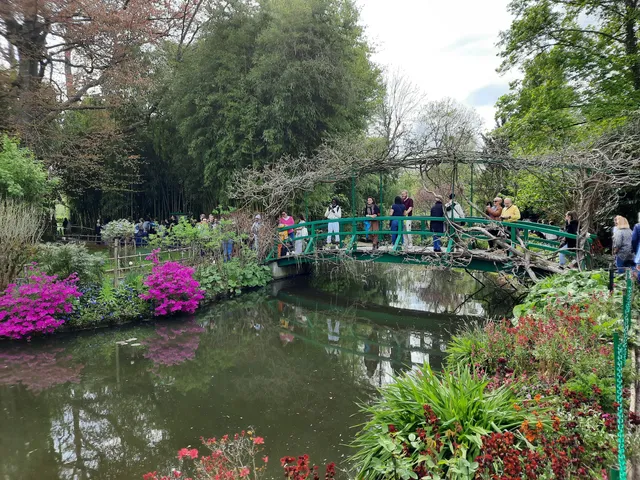
The Water Garden
Chem. du Roy, 27620 Giverny, France
4.7(231)
Open 24 hours

tickets
Save
spot
spot
Ratings & Description
Info
Outdoor
Scenic
Cultural
Relaxation
Family friendly
attractions: House of Claude Monet, Les jardins de Claude Monet à Giverny, Fondation Monet in Giverny, Japanese Bridge, Museum of Impressionism Giverny, Passage Souterrain, Gardens of the Musée des Impressionnismes Giverny, Muséum de Mécanique Naturelle, Église Sainte-Radegonde de Giverny, restaurants: Hotel Restaurant La Musardiere, Les Nymphéas, La Parenthèse, La Capucine Giverny, Le temps des fleurs, Oscar, La Guinguette de Giverny, Restaurant Baudy (Ancien Hôtel Baudy), Au Coin du Pain'tre, Le Jardin des Plumes, local businesses: Giverny boutique, Tombe de Claude Monet
 Learn more insights from Wanderboat AI.
Phone
+33 2 32 51 28 21
Website
claudemonetgiverny.fr
Plan your stay

Pet-friendly Hotels in Les Andelys
Find a cozy hotel nearby and make it a full experience.

Affordable Hotels in Les Andelys
Find a cozy hotel nearby and make it a full experience.

The Coolest Hotels You Haven't Heard Of (Yet)
Find a cozy hotel nearby and make it a full experience.

Trending Stays Worth the Hype in Les Andelys
Find a cozy hotel nearby and make it a full experience.
Reviews
Nearby attractions of The Water Garden
House of Claude Monet
Les jardins de Claude Monet à Giverny
Fondation Monet in Giverny
Japanese Bridge
Museum of Impressionism Giverny
Passage Souterrain
Gardens of the Musée des Impressionnismes Giverny
Muséum de Mécanique Naturelle
Église Sainte-Radegonde de Giverny
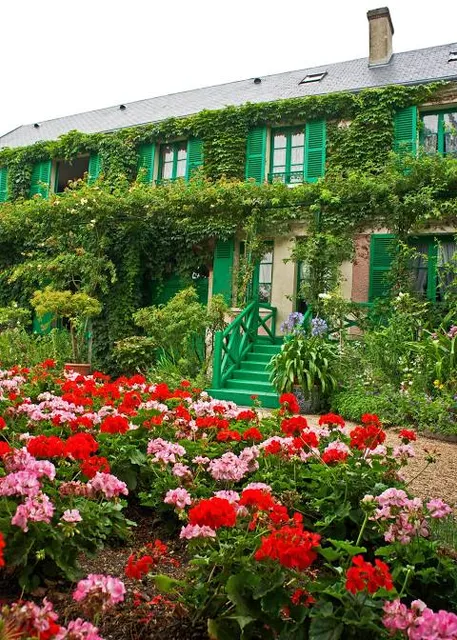
House of Claude Monet
4.6
(2.7K)
Closed
Click for details
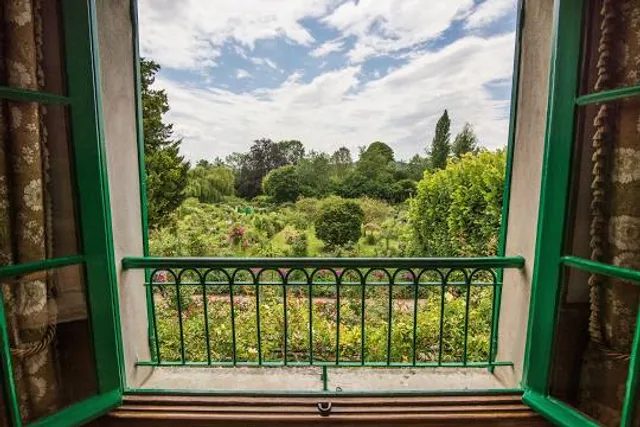
Les jardins de Claude Monet à Giverny
4.6
(218)
Closed
Click for details
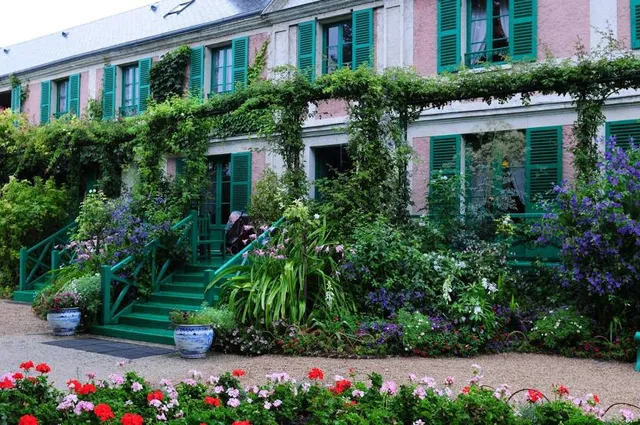
Fondation Monet in Giverny
4.6
(233)
Open 24 hours
Click for details
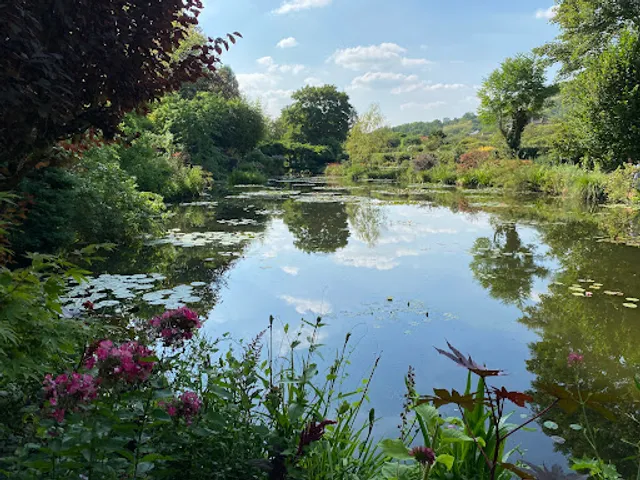
Japanese Bridge
4.6
(61)
Open 24 hours
Click for details
Nearby restaurants of The Water Garden
Hotel Restaurant La Musardiere
Les Nymphéas
La Parenthèse
La Capucine Giverny
Le temps des fleurs
Oscar
La Guinguette de Giverny
Restaurant Baudy (Ancien Hôtel Baudy)
Au Coin du Pain'tre
Le Jardin des Plumes
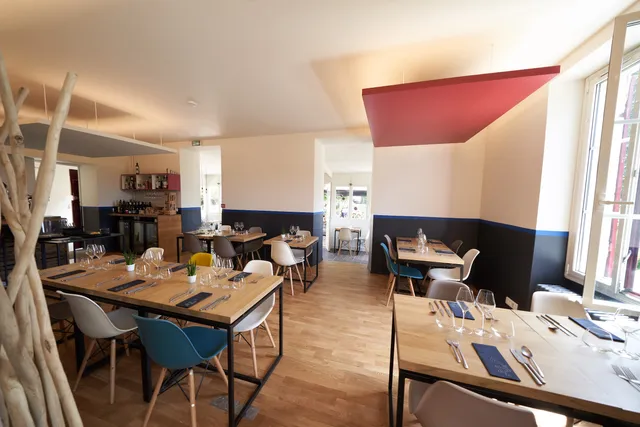
Hotel Restaurant La Musardiere
4.3
(525)
Click for details
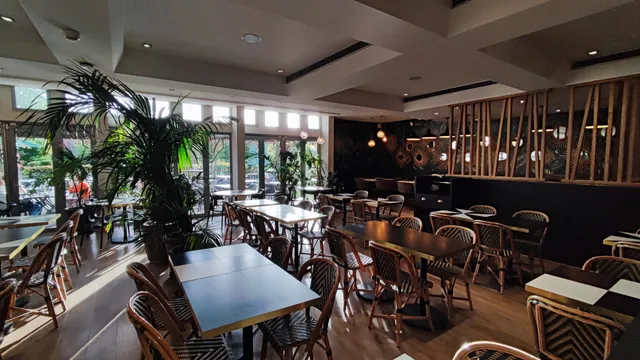
Les Nymphéas
3.5
(308)
Click for details
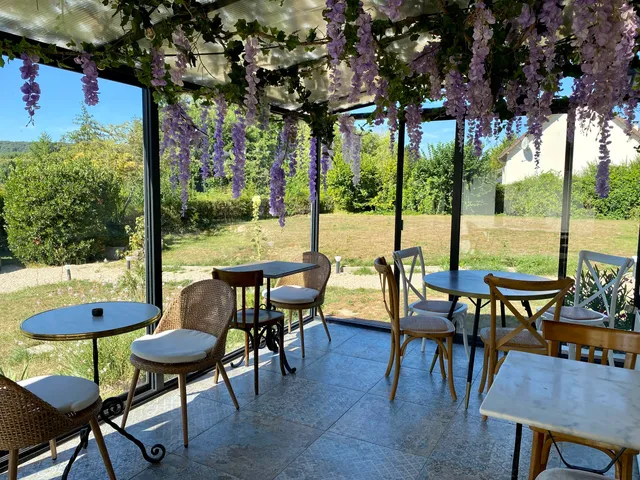
La Parenthèse
4.3
(595)
Click for details
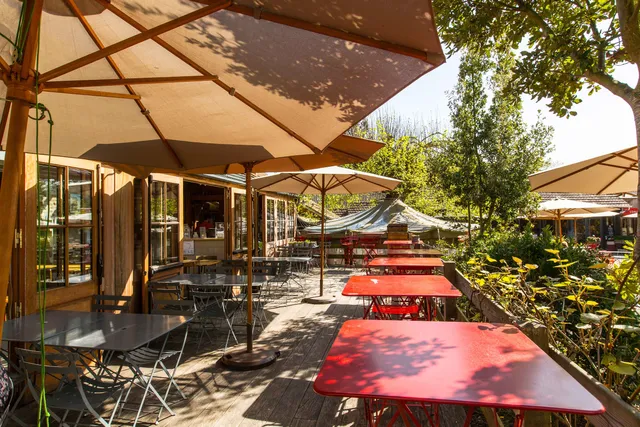
La Capucine Giverny
3.5
(273)
Click for details
Nearby local services of The Water Garden
Giverny boutique
Tombe de Claude Monet
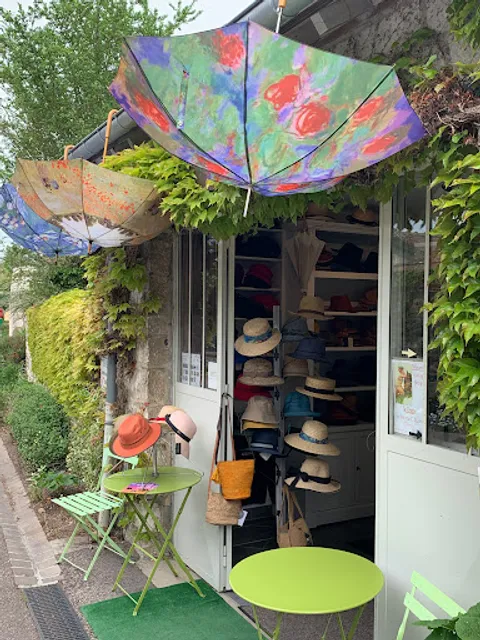
Giverny boutique
4.3
(27)
Click for details
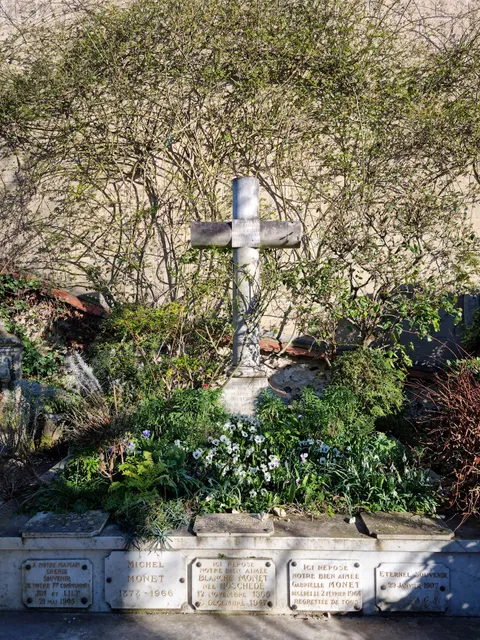
Tombe de Claude Monet
4.3
(167)
Click for details