Colonne de la Déesse things to do, attractions, restaurants, events info and trip planning
Basic Info
Colonne de la Déesse
colonne de la Déesse, Pl. du Général de Gaulle, 59800 Lille, France
4.4(500)
Open until 12:00 AM
Save
spot
spot
Ratings & Description
Info
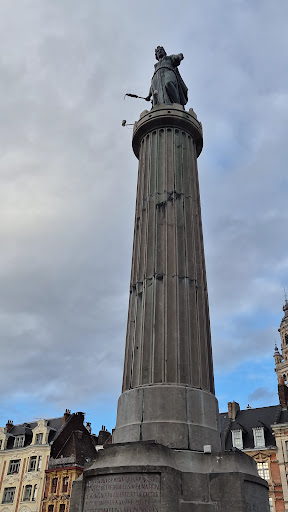
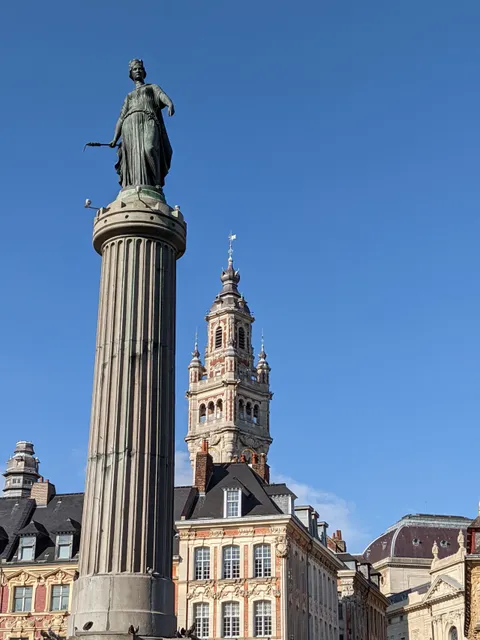
The Column of the Goddess is the popular name given by the citizens of Lille to the Memorial of the Siege of 1792. The memorial is still in the center of the Grand′ Place of Lille, and has been surrounded by a fountain since around 1990.
Cultural
Scenic
Family friendly
Accessibility
attractions: Grand Place, La Vieille Bourse, Théâtre du Nord, Agence de voyage TUI STORE Lille Centre, Office de Tourisme Métropolitain de Lille, Palais Rihour, Le Nouveau Siècle, Notre-Dame-de-la-Treille Cathedral, Saint Maurice Catholic Church at Lille, Lille Opera, restaurants: Brasserie La Chicorée, La Houblonnière, Méert, Shake'N Out Burger, L'Abbaye Lille, Le Petit Bouillon ALCIDE, Coq Hardi, Cafés Méo, Sylvana Briocherie Gonflée, GOMU Lille, local businesses: Furet du Nord, FNAC Lille, Lepage, Boutique Orange Centre, Apple Lille, The BOX Club, Jeu Visite Escape Games Lille, Alice Délice, Souvenirs Lille, Au Chat Bleu
 Learn more insights from Wanderboat AI.
Website
lille.fr
Open hoursSee all hours
SatOpen 24 hoursOpen
Plan your stay

Pet-friendly Hotels in Lille
Find a cozy hotel nearby and make it a full experience.

Affordable Hotels in Lille
Find a cozy hotel nearby and make it a full experience.

The Coolest Hotels You Haven't Heard Of (Yet)
Find a cozy hotel nearby and make it a full experience.

Trending Stays Worth the Hype in Lille
Find a cozy hotel nearby and make it a full experience.
Reviews
Live events

Unusual tour of Lille in a 2CV
Sun, Feb 8 • 10:00 AM
59800, Lille, France
View details

Grande Vente de Plantes - Lille
Fri, Feb 6 • 10:00 AM
34 Boulevard Carnot 59800 Lille
View details
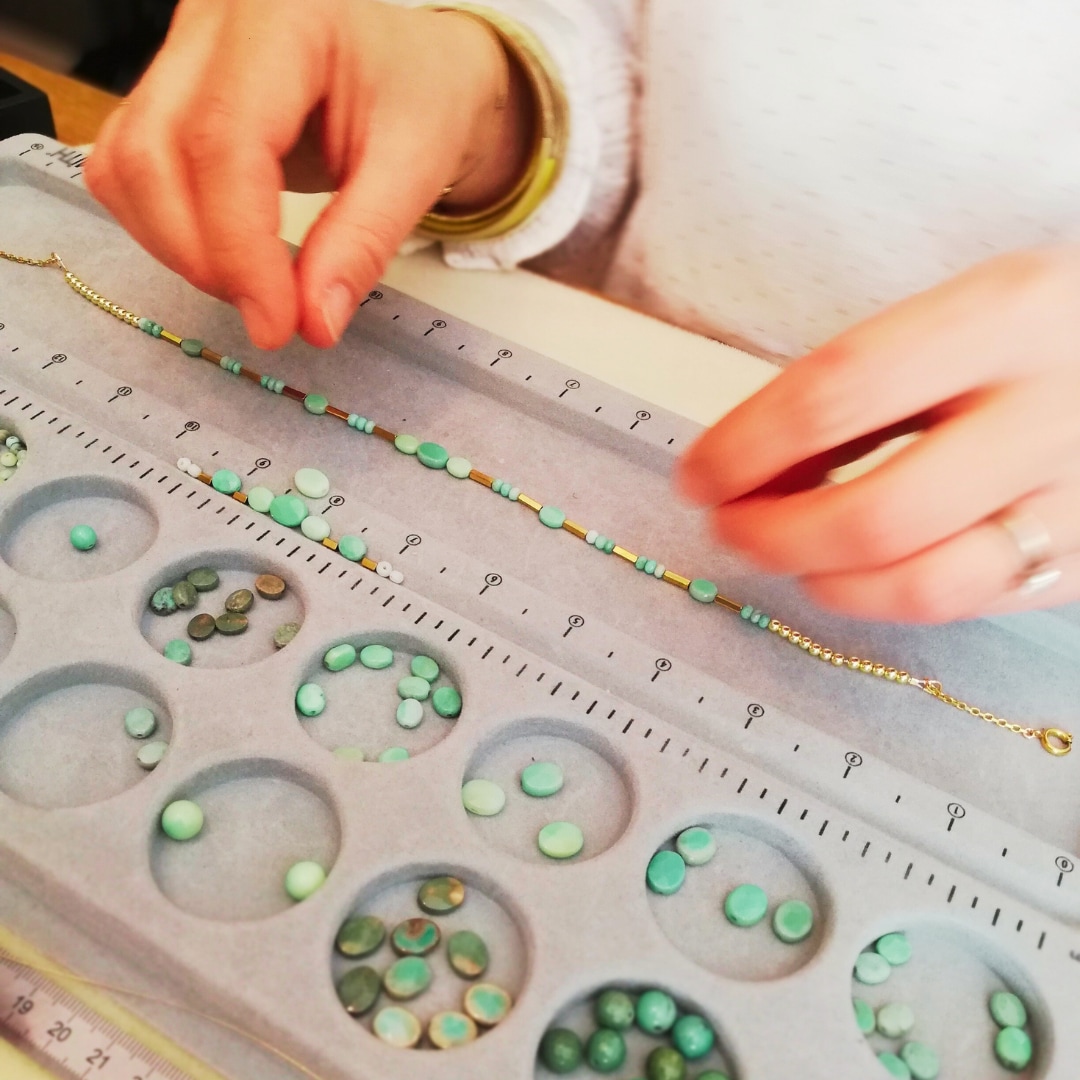
Create your natural stone bracelet
Sat, Feb 14 • 2:30 PM
59235, Bersée, France
View details
Nearby attractions of Colonne de la Déesse
Grand Place
La Vieille Bourse
Théâtre du Nord
Agence de voyage TUI STORE Lille Centre
Office de Tourisme Métropolitain de Lille
Palais Rihour
Le Nouveau Siècle
Notre-Dame-de-la-Treille Cathedral
Saint Maurice Catholic Church at Lille
Lille Opera

Grand Place
4.6
(1.9K)
Open until 12:00 AM
Click for details
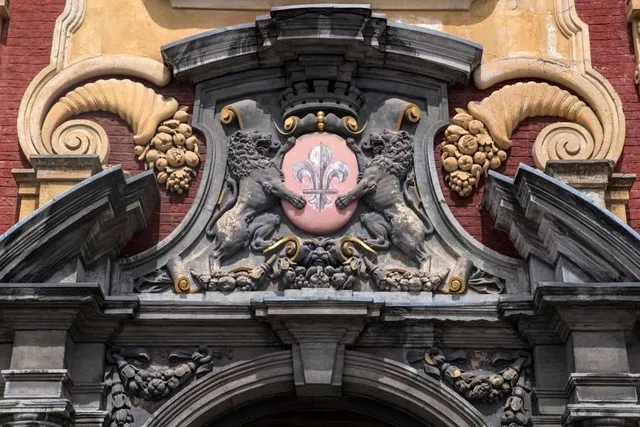
La Vieille Bourse
4.6
(3.6K)
Open until 7:00 PM
Click for details
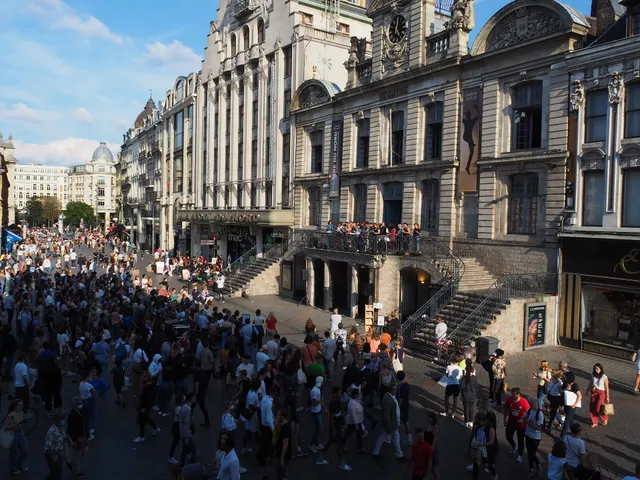
Théâtre du Nord
4.6
(267)
Open 24 hours
Click for details

Agence de voyage TUI STORE Lille Centre
4.7
(120)
Open until 6:00 PM
Click for details
Nearby restaurants of Colonne de la Déesse
Brasserie La Chicorée
La Houblonnière
Méert
Shake'N Out Burger
L'Abbaye Lille
Le Petit Bouillon ALCIDE
Coq Hardi
Cafés Méo
Sylvana Briocherie Gonflée
GOMU Lille
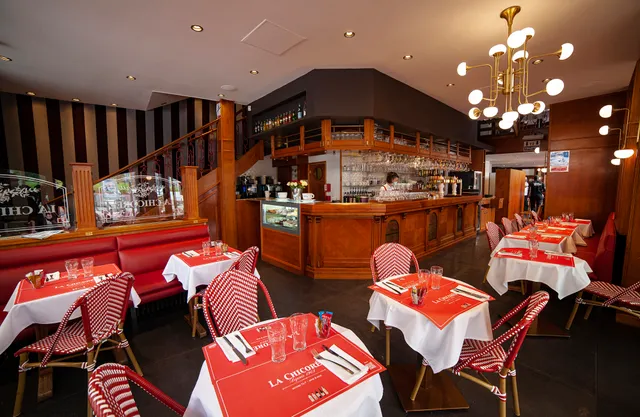
Brasserie La Chicorée
3.9
(3.7K)
Open until 5:00 AM
Click for details
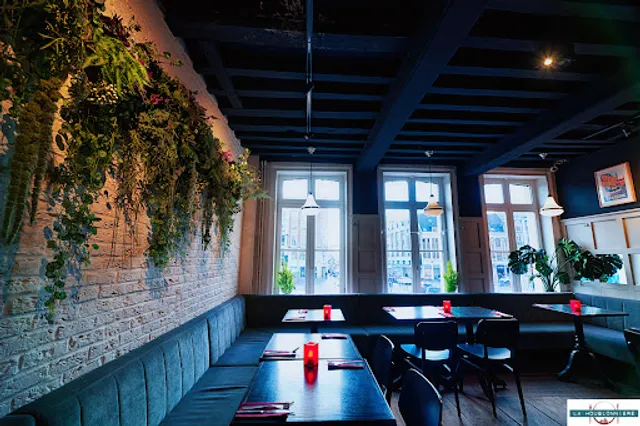
La Houblonnière
4.3
(1.1K)
Open until 10:00 PM
Click for details
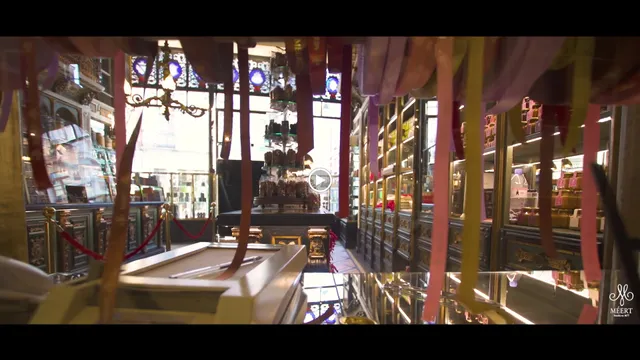
Méert
4.3
(3.5K)
$$$
Open until 7:30 PM
Click for details
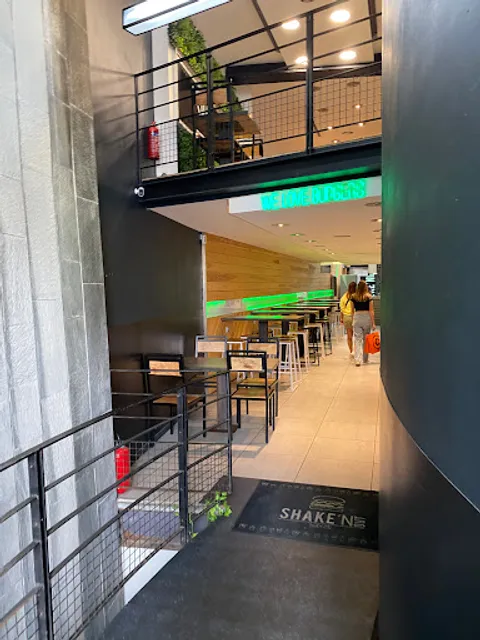
Shake'N Out Burger
4.5
(2.7K)
Open until 11:00 PM
Click for details
Nearby local services of Colonne de la Déesse
Furet du Nord
FNAC Lille
Lepage
Boutique Orange Centre
Apple Lille
The BOX Club
Jeu Visite Escape Games Lille
Alice Délice
Souvenirs Lille
Au Chat Bleu

Furet du Nord
4.5
(4.2K)
Click for details
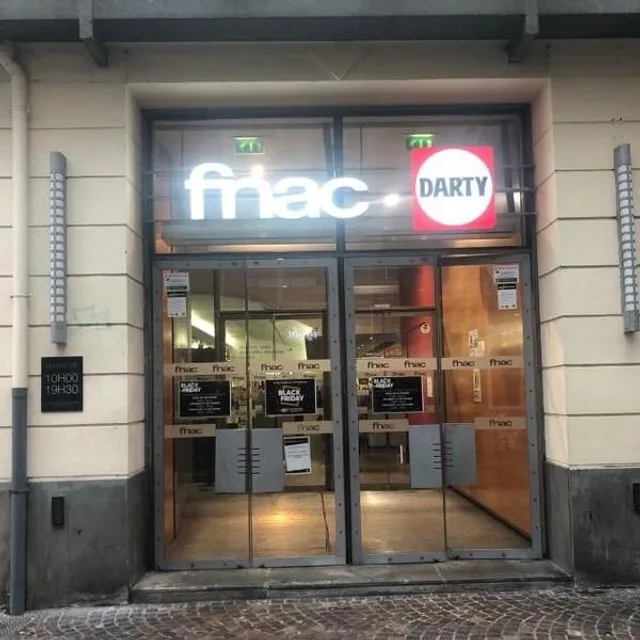
FNAC Lille
4.0
(4.2K)
Click for details
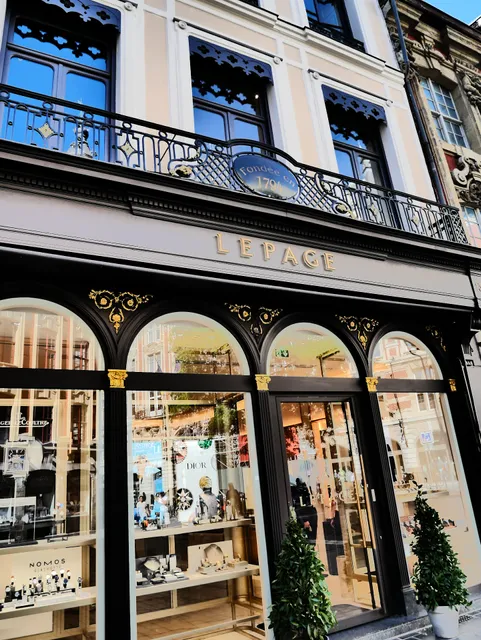
Lepage
4.5
(691)
Click for details

Boutique Orange Centre
3.6
(640)
Click for details