HTML SitemapExplore
logo
Find Things to DoFind The Best Restaurants

Place de la Bastille — Attraction in Paris

Name
Place de la Bastille
Description
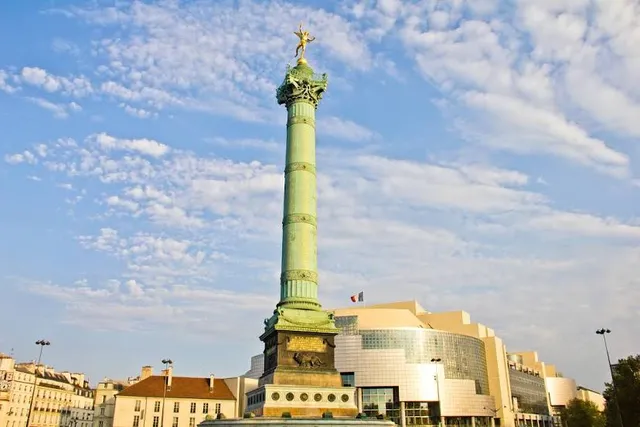
The Place de la Bastille is a square in Paris where the Bastille prison once stood, until the storming of the Bastille and its subsequent physical destruction between 14 July 1789 and 14 July 1790 during the French Revolution. No vestige of the prison remains.
Nearby attractions
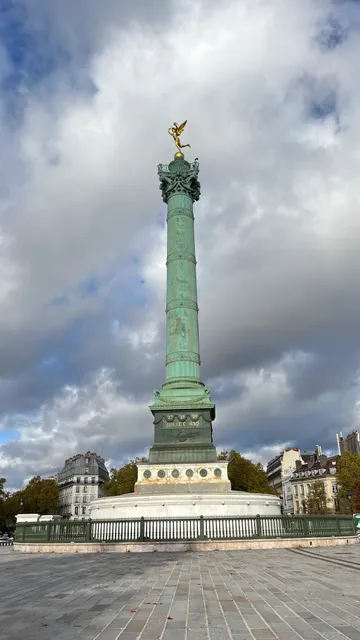
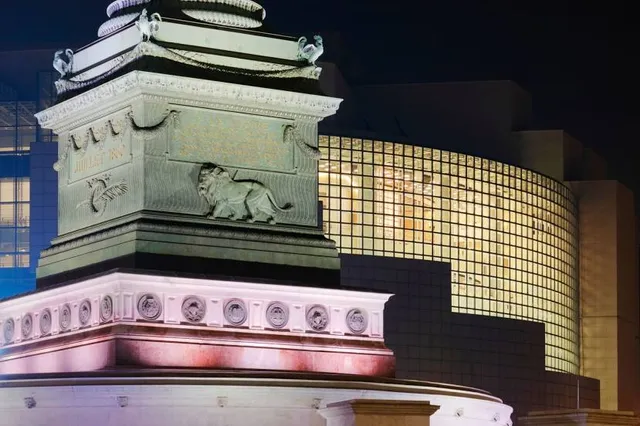
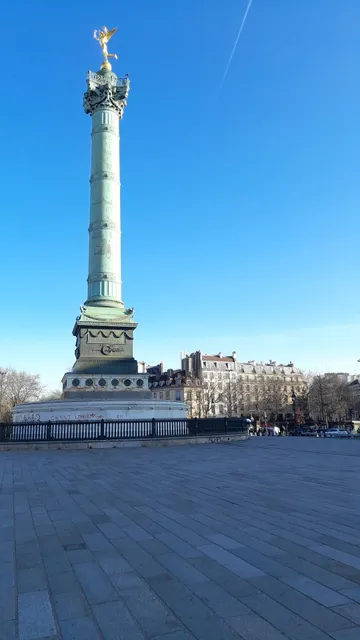
Colonne de Juillet
Pl. de la Bastille, 75004 Paris, France
Opéra Bastille
Pl. de la Bastille, 75012 Paris, France
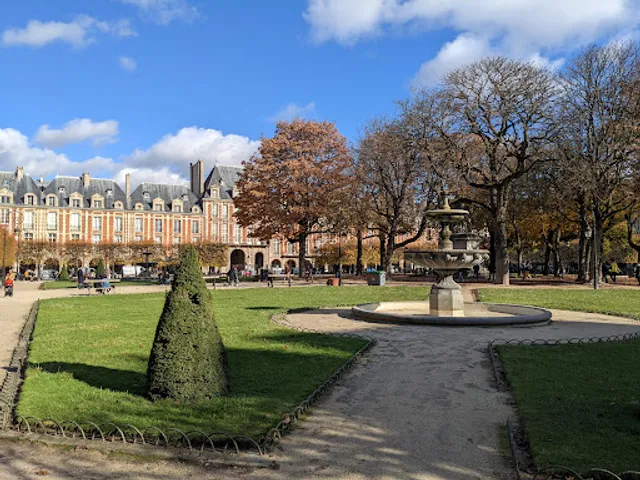
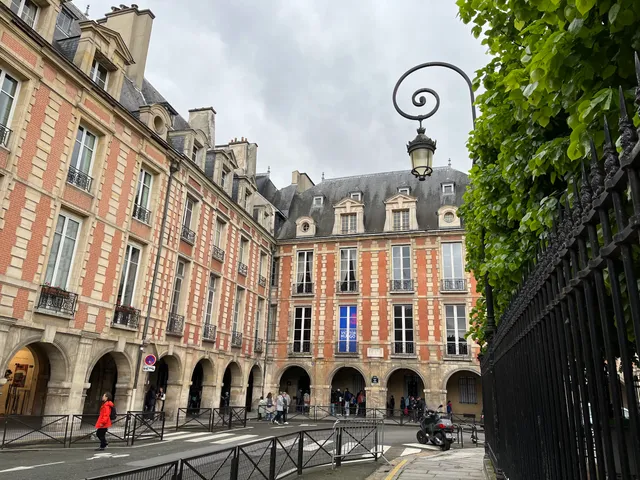
Place des Vosges
Pl. des Vosges, 75004 Paris, France
Maison de Victor Hugo
6 Pl. des Vosges, 75004 Paris, France
Café de la Danse
5 Pass. Louis-Philippe, 75011 Paris, France
Cour Damoye
14 Cr Damoye, 75011 Paris, France
Temple du Marais
17 Rue Saint-Antoine, 75004 Paris, France
Coulée Verte René-Dumont
Coulée Verte René-Dumont, 75012 Paris, France
Port de l'Arsenal Garden
53 Bd de la Bastille, 75012 Paris, France
Tournelles Synagogue
21bis Rue des Tournelles, 75004 Paris, France
Nearby restaurants
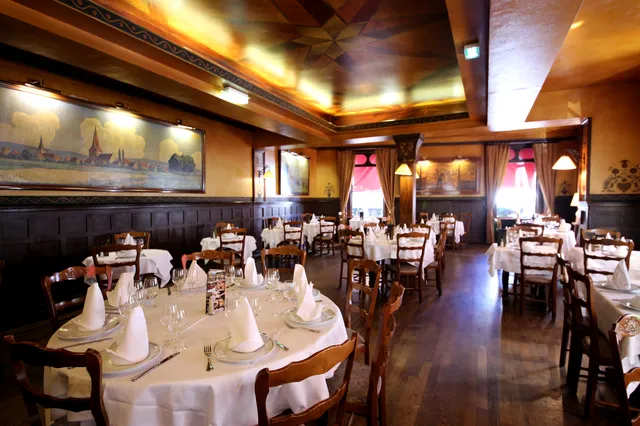
Bofinger
5-7 Rue de la Bastille, 75004 Paris, France
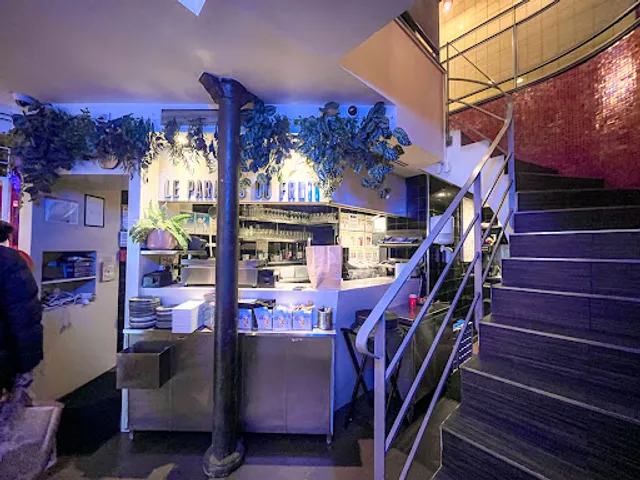
Le Paradis du Fruit - Bastille
12 Pl. de la Bastille, 75011 Paris, France
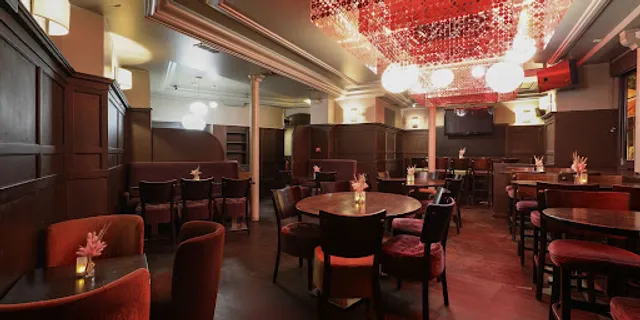
Falstaff
10-12 Pl. de la Bastille, 75011 Paris, France
Café Milou Bastille
1 Rue du Faubourg Saint-Antoine, 75011 Paris, France
L'Antica Pizzeria Da Michele
19 Rue du Faubourg Saint-Antoine, 75011 Paris, France
Café Français
1-3 Pl. de la Bastille, 75004 Paris, France
Le Bastille - Guest House
8 Pl. de la Bastille, 75011 Paris, France
KFC Paris Bastille
5 Bd Beaumarchais, 75004 Paris, France
Bistro Régent Bastille
14 Pl. de la Bastille, 75011 Paris, France
Le Rempart Bastille
15 Rue Saint-Antoine, 75004 Paris, France
Nearby hotels
Hôtel Bastille Speria
1 Rue de la Bastille, 75004 Paris, France
Hôtel Bastille Secret
24 Rue de la Roquette, 75011 Paris, France
Paris Bastille Hotel
67 Rue de Lyon, 75012 Paris, France
Hôtel De La Herse d'Or
20 Rue Saint-Antoine, 75004 Paris, France
Hôtel Daval
21 Rue Daval, 75011 Paris, France
Hôtel Castex
5 Rue Castex, 75004 Paris, France
Le Bastille By Sweett
14 Rue de la Roquette, 75011 Paris, France
Hôtel Central Bastille
16 Rue de la Roquette, 75011 Paris, France
Le Pavillon Hotel
65 Rue de Lyon, 75012 Paris, France
Hôtel L'Antoine
10-12 Rue de Charonne, 75011 Paris, France
Related posts
🇫🇷 Paris | Marché Bastille: The Ultimate Foodie Paradise! 🥖🧀
Keywords
Place de la Bastille tourism.Place de la Bastille hotels.Place de la Bastille bed and breakfast. flights to Place de la Bastille.Place de la Bastille attractions.Place de la Bastille restaurants.Place de la Bastille travel.Place de la Bastille travel guide.Place de la Bastille travel blog.Place de la Bastille pictures.Place de la Bastille photos.Place de la Bastille travel tips.Place de la Bastille maps.Place de la Bastille things to do.
Place de la Bastille things to do, attractions, restaurants, events info and trip planning
Place de la Bastille
FranceIle-de-FranceParisPlace de la Bastille

Basic Info

Place de la Bastille

Pl. de la Bastille, 75004 Paris, France
4.3(9.9K)
Open 24 hours
Save
spot

Ratings & Description

Info

The Place de la Bastille is a square in Paris where the Bastille prison once stood, until the storming of the Bastille and its subsequent physical destruction between 14 July 1789 and 14 July 1790 during the French Revolution. No vestige of the prison remains.

Cultural
Outdoor
Accessibility
attractions: Colonne de Juillet, Opéra Bastille, Place des Vosges, Maison de Victor Hugo, Café de la Danse, Cour Damoye, Temple du Marais, Coulée Verte René-Dumont, Port de l'Arsenal Garden, Tournelles Synagogue, restaurants: Bofinger, Le Paradis du Fruit - Bastille, Falstaff, Café Milou Bastille, L'Antica Pizzeria Da Michele, Café Français, Le Bastille - Guest House, KFC Paris Bastille, Bistro Régent Bastille, Le Rempart Bastille
logoLearn more insights from Wanderboat AI.
Phone
+33 1 49 52 42 81
Website
parisjetaime.com

Plan your stay

hotel
Pet-friendly Hotels in Paris
Find a cozy hotel nearby and make it a full experience.

hotel
Affordable Hotels in Paris
Find a cozy hotel nearby and make it a full experience.

hotel
The Coolest Hotels You Haven't Heard Of (Yet)
Find a cozy hotel nearby and make it a full experience.

hotel
Trending Stays Worth the Hype in Paris
Find a cozy hotel nearby and make it a full experience.

Reviews

Nearby attractions of Place de la Bastille

Colonne de Juillet

Opéra Bastille

Place des Vosges

Maison de Victor Hugo

Café de la Danse

Cour Damoye

Temple du Marais

Coulée Verte René-Dumont

Port de l'Arsenal Garden

Tournelles Synagogue

Colonne de Juillet

Colonne de Juillet

4.3

(2K)

Closed
Click for details
Opéra Bastille

Opéra Bastille

4.6

(3.8K)

Open 24 hours
Click for details
Place des Vosges

Place des Vosges

4.6

(12.2K)

Open 24 hours
Click for details
Maison de Victor Hugo

Maison de Victor Hugo

4.5

(2.3K)

Open 24 hours
Click for details

Things to do nearby

Trail ride for beginners
Fri, Dec 12 • 12:30 PM
78600, Maisons-Laffitte, France
View details
Make macaroons with a Parisian Chef
Mon, Dec 8 • 2:00 PM
93130, Noisy-le-Sec, France
View details
Light Cycles : Un parcours nocturne scintillant entre nature, lumière et sons
Wed, Dec 10 • 5:30 PM
211 avenue Jean Jaurès, 75019
View details

Nearby restaurants of Place de la Bastille

Bofinger

Le Paradis du Fruit - Bastille

Falstaff

Café Milou Bastille

L'Antica Pizzeria Da Michele

Café Français

Le Bastille - Guest House

KFC Paris Bastille

Bistro Régent Bastille

Le Rempart Bastille

Bofinger

Bofinger

4.4

(5.5K)

$$

Click for details
Le Paradis du Fruit - Bastille

Le Paradis du Fruit - Bastille

4.4

(2.1K)

Click for details
Falstaff

Falstaff

4.0

(1.8K)

Click for details
Café Milou Bastille

Café Milou Bastille

4.6

(1.0K)

$$

Click for details
Get the Appoverlay
Get the AppOne tap to find yournext favorite spots!
Wanderboat LogoWanderboat

Your everyday Al companion for getaway ideas

CompanyAbout Us
InformationAI Trip PlannerSitemap
SocialXInstagramTiktokLinkedin
LegalTerms of ServicePrivacy Policy

Get the app

© 2025 Wanderboat. All rights reserved.
logo

Reviews of Place de la Bastille

4.3
(9,866)
avatar
5.0
7y

The Bastille was built between 1370 and 1383 during the reign of King Charles V as part of the defenses of Paris, the structure was converted into a state prison in the 17th century by Richelieu, who was king Louis XIII's chief minister. At that time it primarily housed political prisoners, but also religious prisoners, "seditious" writers, and young rakes held at the request of their families. It began to acquire a poor reputation when it became the main prison for those taken under lettres de cachet issued by the King of France.

By the late 18th century, the building was made up of eight close-packed towers, around 24 m (80 ft) high, surrounding two courtyards and the armoury. The prisoners were held within the 5-7 story towers, each having a room around 4.6 m (15 ft) across and containing various articles of furniture. The infamous cachots (dungeons), the oozing, vermin-infested subterranean cells were no longer in use, since the respective reigns of Louis XV and Louis XVI, who both worked on reforming the penal system in France. The governor of the prison was given a daily allowance per prisoner, the amount depending on their status—from nineteen livres per diem for scientists and academics down to three for commoners. In terms of standards, there were many worse prisons in France, including the dreaded Bicêtre, also in Paris. However, in terms of popular literary accounts, the Bastille was a place of horror and oppression, a symbol of autocratic cruelty.

Storming of the Bastille Edit Main article: Storming of the Bastille The confrontation between the commoners and the Ancien Régime ultimately led to the people of Paris storming the Bastille on July 14, 1789, following several days of disturbances. At this point, the prison was nearly empty, with only seven inmates: four counterfeiters, two madmen, and a young aristocrat who had displeased his father. The regular garrison consisted of about 80 'invalides' (veteran soldiers no longer capable of service in the field) under Governor Bernard-René de Launay. They had however been reinforced by a detachment of 32 grenadiers from one of the Swiss mercenary regiments summoned to Paris by the Monarchy shortly before 14 July.

"Prise de la Bastille" (1789), by Jean-Pierre-Louis-Laurent Houel A crowd of around 600 people gathered outside around mid-morning, calling for the surrender of the prison, the removal of the guns and the release of the arms and gunpowder. Two people chosen to represent those gathered were invited into the fortress and slow negotiations began.

In the early afternoon, the crowd broke into the undefended outer courtyard and the chains on the drawbridge to the inner courtyard were cut. A spasmodic exchange of gunfire began; in mid-afternoon the crowd was reinforced by mutinous Gardes Françaises of the Royal Army and two cannons. De Launay ordered a ceasefire; despite his surrender demands being refused, he capitulated and the victors swept in to liberate the fortress at around 5:30.

Later history Edit

Siderograph (steel engraving) of the full-scale elephant to be built, by Augustus Welby Northmore Pugin, 1830 On 16 June 1792, the area occupied by the Bastille was turned into a square celebrating liberty, and a column would be erected there. The first stone was laid by Palloy; however, construction never took place, and a fountain was built instead in 1793.

In 1808, as part of several urban improvement projects for Paris, Napoléon planned to have a monument in the shape of an elephant built here, the Elephant of the Bastille. It was designed to be 24 m (78 ft) in height, and to be cast from the bronze of cannons taken from the Spanish. Access to the top was to be achieved by a stairway set in one of the legs. However, only a full-scale plaster model was built. Victor Hugo immortalized the monument in the novel Les Misérables where it is used as a shelter by Gavroche. The monument was demolished in 1846.

In 1833, Louis-Philippe decided to...

   Read more
avatar
3.0
46w

Yes, the Place de la Bastille in Paris is indeed the location where the infamous Bastille fortress once stood. The Bastille was a medieval fortress-turned-prison that played a crucial role in French history1.

Historical Significance

The Bastille was originally constructed between 1370 and 1383 as part of the defenses of Paris under the reign of King Charles V4]. Over time, it was transformed into a state prison, primarily used to house political prisoners and those imprisoned by direct order of the king[1].

The French Revolution

The Bastille became a potent symbol of royal absolutism and arbitrary power. On July 14, 1789, it was stormed by a revolutionary mob, marking the beginning of the French Revolution[1. This event is now celebrated annually as Bastille Day, France's national holiday1].

Demolition and Transformation

Following its capture, the Bastille was quickly demolished between July 14, 1789, and July 14, 1790[4]. The stones from the fortress were repurposed, with some used to build the Pont de la Concorde[4].

Modern Place de la Bastille

Today, the Place de la Bastille is a large square in Paris, straddling the 4th, 11th, and 12th arrondissements[10]. While no visible remains of the original fortress exist above ground, there are several reminders of its historical significance:

The July Column (Colonne de Juillet): A 52-meter-high column in the center of the square, commemorating the July Revolution of 1830[2.

Ground markings: The location of the old fortress is marked on the ground[11].

Metro station: In the Bastille metro station, on the platform of line 5, you can see markings of the fortress's foundations

One exceptional fact about the Bastille in Paris is that it once housed a mysterious prisoner known as the Man in the Iron Mask. This enigmatic figure died in the Bastille on November 19, 1703[1]. The identity of this prisoner, who was forced to wear a mask at all times, remains a subject of historical intrigue and has inspired numerous theories and works of fiction over the centuries.

The Bastille was a medieval fortress in Paris that played a significant role in French history, particularly during the French Revolution. Here are key facts about the Bastille:

Origins and Early History

The Bastille was originally constructed in 1370 as part of the city walls to protect Paris during the Hundred Years' War[2]. It was designed as a formidable fortress with eight towers, 100 feet high, linked by walls of equal height and surrounded by a wide moat[2]. Initially built to defend against external threats, the Bastille later became involved in internal French conflicts[9].

Transformation into a Prison

In 1659, during the reign of Louis XIV, the Bastille was transformed into a state penitentiary[8]. It became notorious for housing political prisoners, dissenters, and those who had fallen out of favor with the monarchy[10]. Prisoners were often held without trial, detained by direct orders from the king known as "lettres de cachet"[14].

Life in the Bastille

Contrary to popular belief, conditions for prisoners in the Bastille were often relatively comfortable, especially for upper-class inmates[9]. Some prisoners, like the Marquis de Sade, were allowed to bring personal belongings, servants, and even wine collections[8]. However, the secrecy surrounding the prison and its arbitrary nature of confinement fueled its reputation as a symbol of royal tyranny.

The Storming of the Bastille

On July 14, 1789, a Parisian crowd stormed the Bastille, marking a pivotal moment in the French Revolution[6]. The attack was motivated by fears of royal repression and the need for gunpowder stored in the fortress[17]. Despite housing only seven prisoners at the time, the Bastille's fall became a powerful symbol of the people's victory over...

   Read more
avatar
5.0
1y

On 16 June 1792, the area occupied by the Bastille was turned into a square celebrating liberty, and a column would be erected there. The first stone was laid by Palloy; however, construction never took place, and a fountain was built instead in 1793. In 1808, as part of several urban improvement projects for Paris, Napoléon planned to have a monument in the shape of an elephant built here, the Elephant of the Bastille. It was designed to be 24 m (78 ft) in height, and to be cast from the bronze of cannons taken from the Spanish. Access to the top was to be achieved by a stairway set in one of the legs. However, only a full-scale plaster model was built. Victor Hugo immortalized the monument in the novel Les Misérables where it is used as a shelter by Gavroche. The monument was demolished in 1846. In 1833, Louis-Philippe decided to build the July Column as originally planned in 1792. It was inaugurated in 1840.

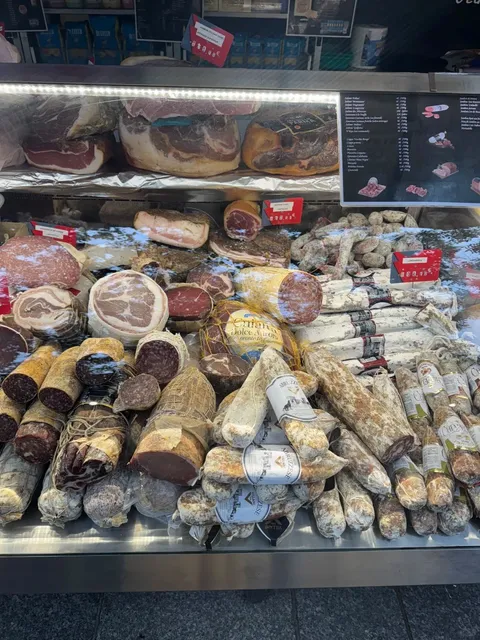
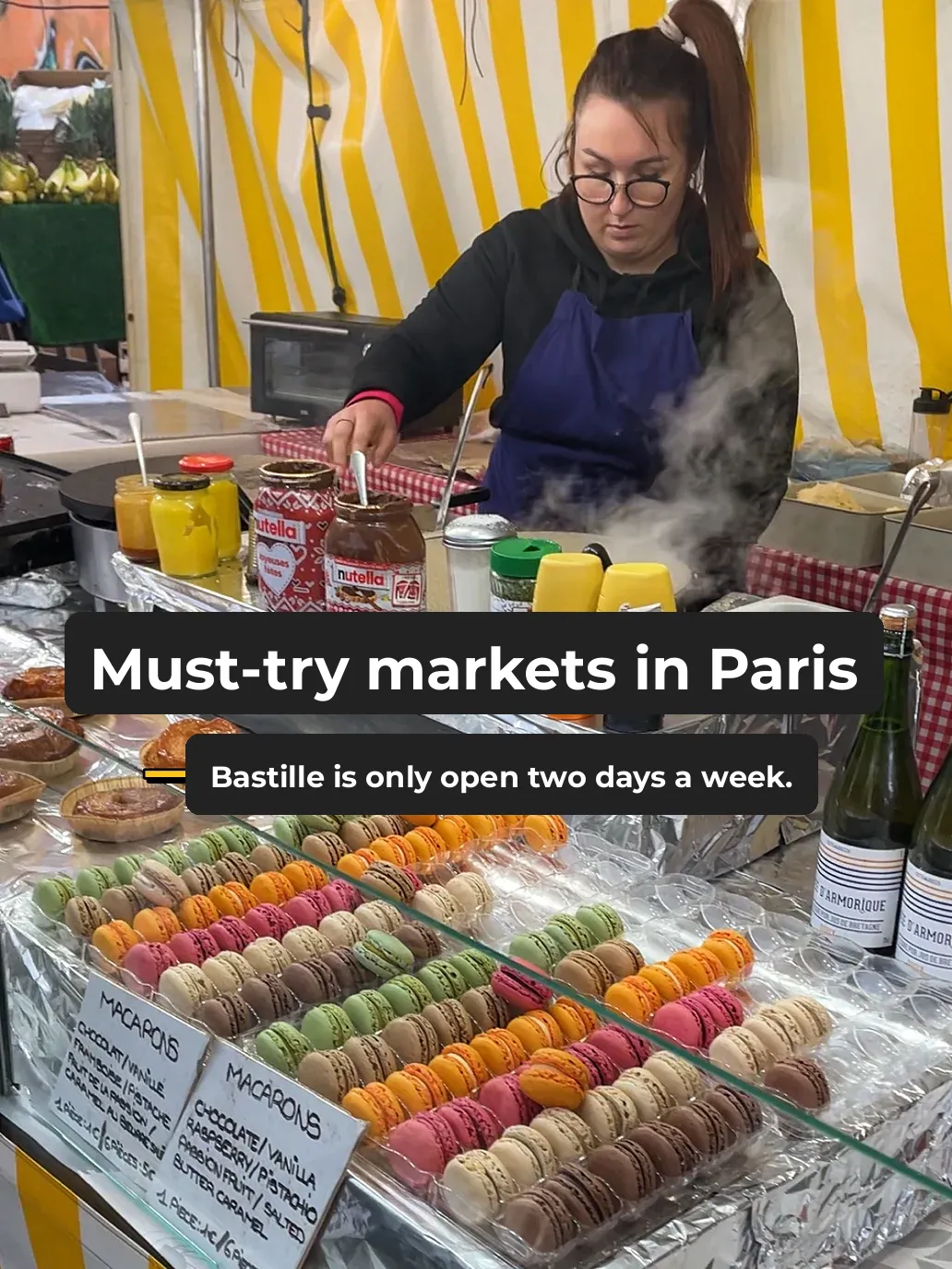
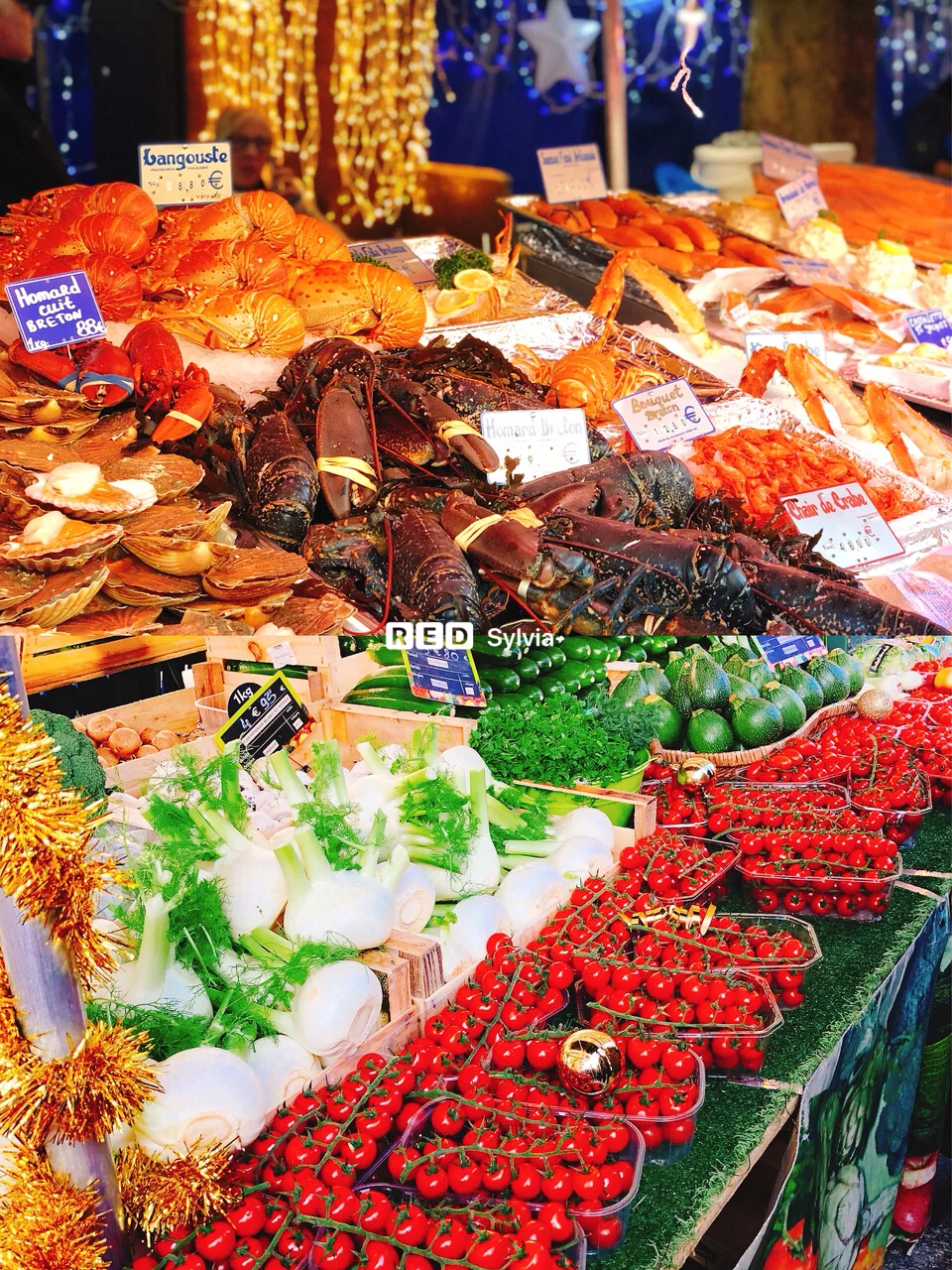
The current Place de la Bastille is located on the former fort's site. In addition to the July Column, it is also home to the Opéra Bastille. The large ditch (fossé) behind the former fort has been transformed into a marina for pleasure boats, the Bassin de l'Arsenal, to the south, which is bordered by the Boulevard de la Bastille. To the north, a covered canal, the Canal Saint-Martin, extends north from the marina beneath the vehicular roundabout that borders the location of the fort, and then continues for about 4.4 kilometers to the Place de la Bataille-de-Stalingrad. On Thursdays and Sundays, a large, open-air market occupies part of the park to the north of the Place de la Bastille, along the Boulevard Richard-Lenoir. Consumers can find fresh fruit, fish, meat, cheese and bread along with clothing and typical flea market items. Some undemolished remains of one tower of the fort were discovered during excavation for the Métro (rail mass-transit system) in 1899, and were moved to a park (the Square Henri-Galli) a few hundred metres away, where they are displayed today. The original outline of the fort is also marked on the pavement of streets and pathways that pass over its former location, in the form of special paving stones. A café and some other businesses largely occupy the location of the fort, and the Rue Saint-Antoine passes directly over it as it opens onto the roundabout of...

   Read more
Page 1 of 7
Previous
Next

Posts

🇫🇷 Paris | Marché Bastille: The Ultimate Foodie Paradise! 🥖🧀
Victoria ElenaVictoria Elena
🇫🇷 Paris | Marché Bastille: The Ultimate Foodie Paradise! 🥖🧀
How Parisians Love to Hit the Markets
skater.boy.95skater.boy.95
How Parisians Love to Hit the Markets
After Three Visits to Paris, the Bastille Market 🥙 Still Can't Be Missed for Foodies 💁🏻‍♀️
mystic_moonlightmystic_moonlight
After Three Visits to Paris, the Bastille Market 🥙 Still Can't Be Missed for Foodies 💁🏻‍♀️
See more posts
See more posts
hotel
Find your stay

Pet-friendly Hotels in Paris

Find a cozy hotel nearby and make it a full experience.

🇫🇷 Paris | Marché Bastille: The Ultimate Foodie Paradise! 🥖🧀
Victoria Elena

Victoria Elena

hotel
Find your stay

Affordable Hotels in Paris

Find a cozy hotel nearby and make it a full experience.

Get the Appoverlay
Get the AppOne tap to find yournext favorite spots!
How Parisians Love to Hit the Markets
skater.boy.95

skater.boy.95

hotel
Find your stay

The Coolest Hotels You Haven't Heard Of (Yet)

Find a cozy hotel nearby and make it a full experience.

hotel
Find your stay

Trending Stays Worth the Hype in Paris

Find a cozy hotel nearby and make it a full experience.

After Three Visits to Paris, the Bastille Market 🥙 Still Can't Be Missed for Foodies 💁🏻‍♀️
mystic_moonlight

mystic_moonlight

See more posts
See more posts