Wall of Philippe II Augustus things to do, attractions, restaurants, events info and trip planning
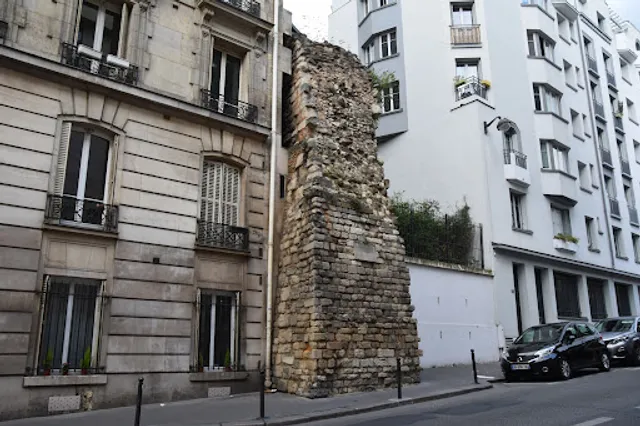
Basic Info
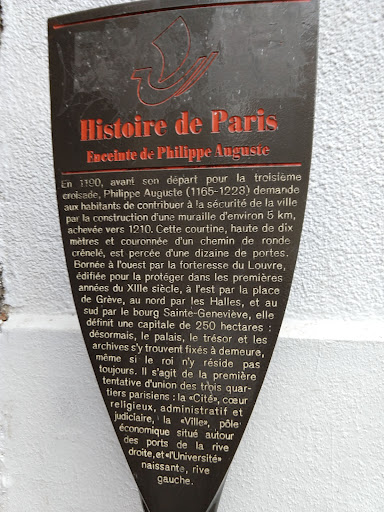
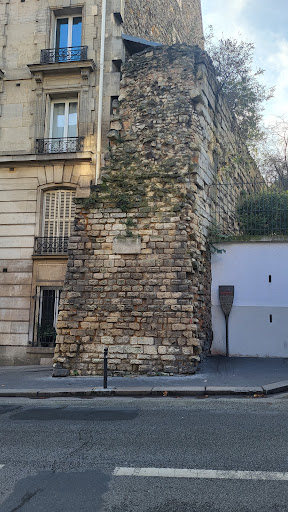
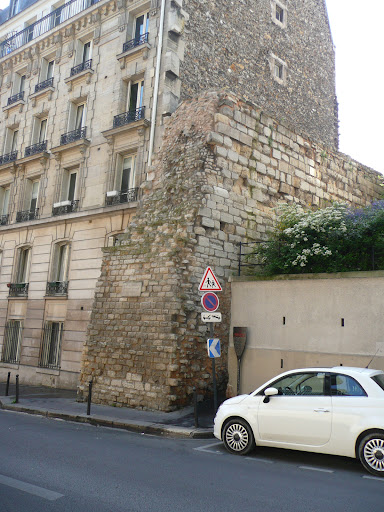
Wall of Philippe II Augustus
1 Rue Clovis, 75005 Paris, France
4.3(35)
Open until 12:00 AM
Save
spot
spot
Ratings & Description
Info
Cultural
Scenic
attractions: Panthéon, Church of Saint-Étienne-du-Mont, Arènes de Lutèce, Le Grand Hôtel des Rêves, Square Paul Langevin, Square des arènes de Lutèce, Collège des Bernardins, Bibliothèque Sainte-Geneviève, Library Literatures Policières, Place Sainte-Geneviève, restaurants: La Théière d'Or 自在, Cupkie - Cookie Dough à la Française, La Maison de Verlaine, Daejang, Au Doux Raisin, Pâtisserie Salon de Thé Kawakami, Chapi Chapo, Van April l'Atelier des Frites, Strada Café, Ninon, local businesses: The Game, Valessio - Coiffeur Paris 5 ✂, Vivre Mobile Vente Et Reparation, Le Foodist, Marbled Beef, Par’Ici, CHIC BEAUTE NAILS, Cash Express Magasin d'occasions Multimédia, Image et Son, Téléphonie, Bijoux, Achat d'or, THE FRENCH - NAIL BAR, HAIR STUDIO BY SOPHEAK Coiffure paris 5
 Learn more insights from Wanderboat AI.
Open hoursSee all hours
FriOpen 24 hoursOpen
Plan your stay

Pet-friendly Hotels in Paris
Find a cozy hotel nearby and make it a full experience.

Affordable Hotels in Paris
Find a cozy hotel nearby and make it a full experience.

The Coolest Hotels You Haven't Heard Of (Yet)
Find a cozy hotel nearby and make it a full experience.

Trending Stays Worth the Hype in Paris
Find a cozy hotel nearby and make it a full experience.
Reviews
Live events

Learn to bake classic French croissants
Fri, Feb 27 • 9:00 AM
75007, Paris, France
View details

Planète Préhistorique : Dinosaures, L’expérience immersive à l’Atelier des Lumières
Fri, Feb 27 • 10:00 AM
38 Rue Saint-Maur, 75011
View details
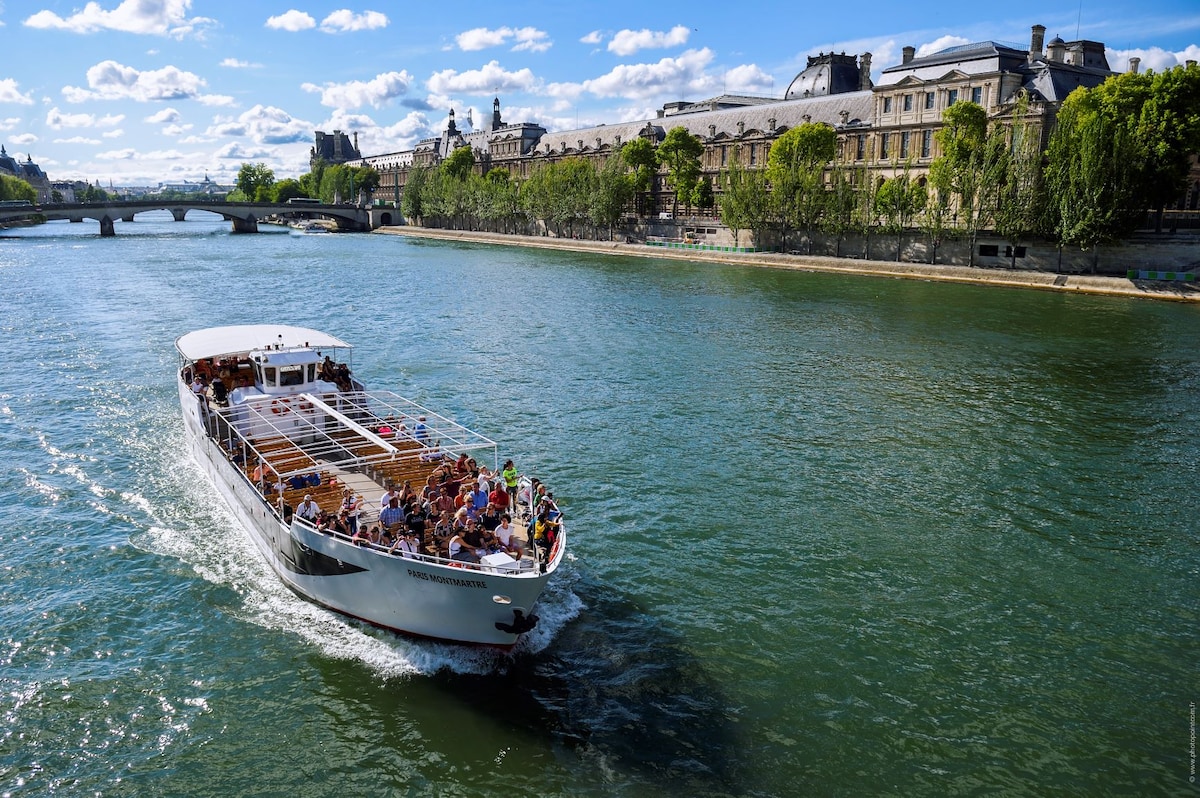
Fast-Access Seine River Cruise from Eiffel Tower
Tue, Mar 3 • 10:45 AM
75015, Paris, France
View details
Nearby attractions of Wall of Philippe II Augustus
Panthéon
Church of Saint-Étienne-du-Mont
Arènes de Lutèce
Le Grand Hôtel des Rêves
Square Paul Langevin
Square des arènes de Lutèce
Collège des Bernardins
Bibliothèque Sainte-Geneviève
Library Literatures Policières
Place Sainte-Geneviève
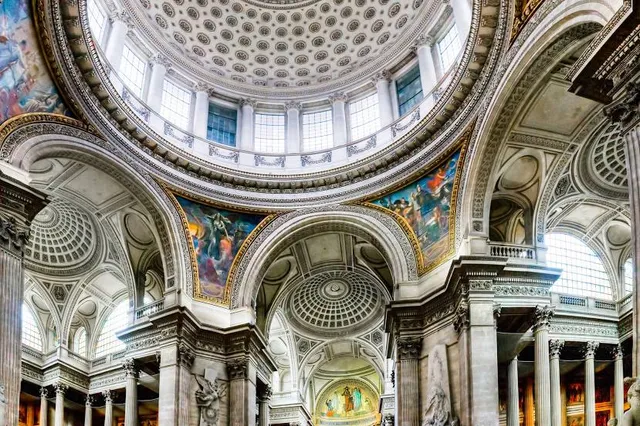
Panthéon
4.6
(21.9K)
Closed
Click for details
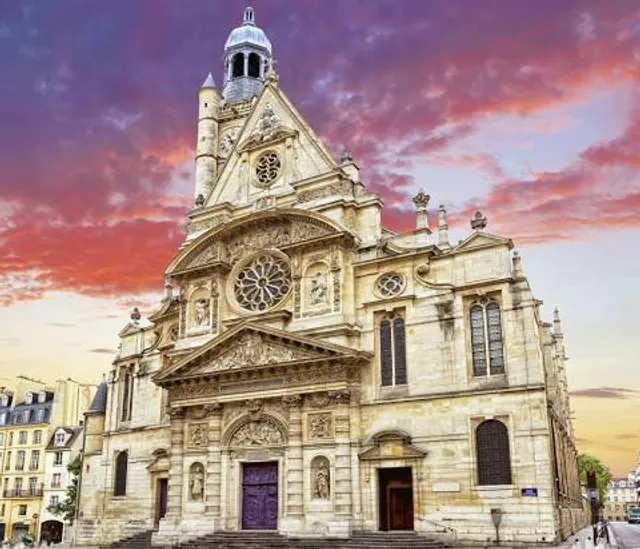
Church of Saint-Étienne-du-Mont
4.7
(1.5K)
Open until 7:30 PM
Click for details
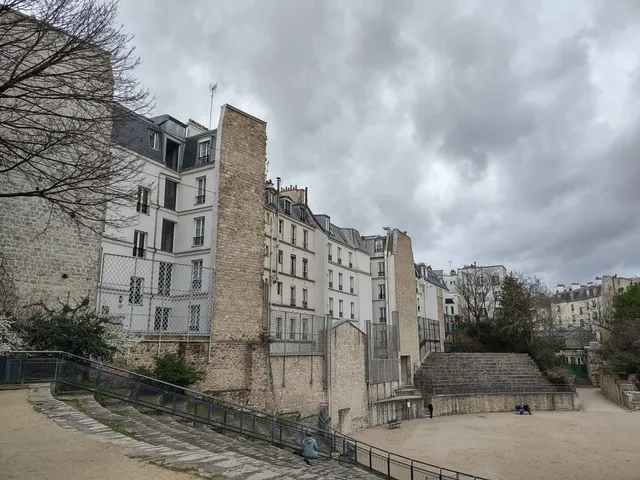
Arènes de Lutèce
4.2
(2.4K)
Open until 7:00 PM
Click for details
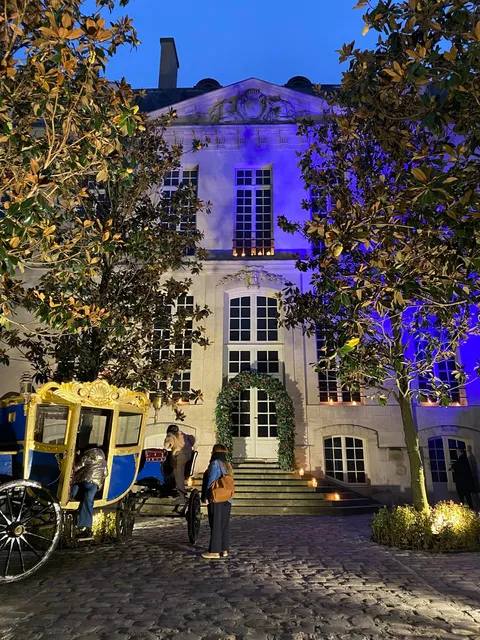
Le Grand Hôtel des Rêves
4.9
(440)
Open 24 hours
Click for details
Nearby restaurants of Wall of Philippe II Augustus
La Théière d'Or 自在
Cupkie - Cookie Dough à la Française
La Maison de Verlaine
Daejang
Au Doux Raisin
Pâtisserie Salon de Thé Kawakami
Chapi Chapo
Van April l'Atelier des Frites
Strada Café
Ninon

La Théière d'Or 自在
4.8
(26)
Closed
Click for details
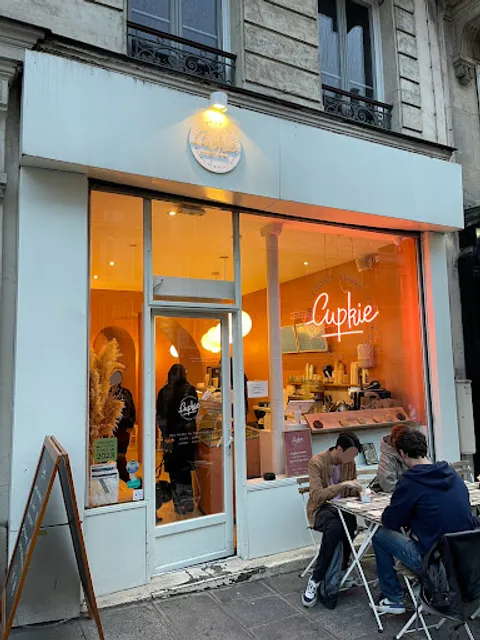
Cupkie - Cookie Dough à la Française
4.6
(2.1K)
Closed
Click for details
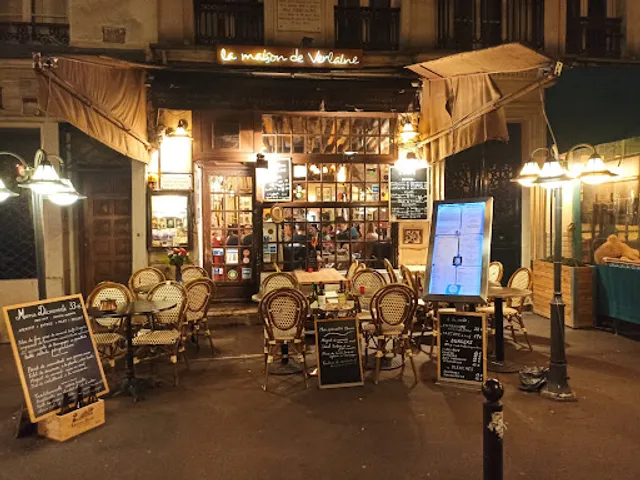
La Maison de Verlaine
4.3
(450)
Closed
Click for details
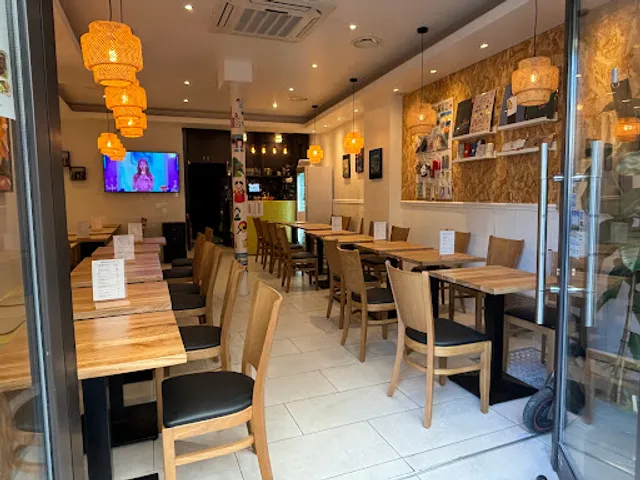
Daejang
4.8
(355)
Closed
Click for details
Nearby local services of Wall of Philippe II Augustus
The Game
Valessio - Coiffeur Paris 5 ✂
Vivre Mobile Vente Et Reparation
Le Foodist
Marbled Beef
Par’Ici
CHIC BEAUTE NAILS
Cash Express Magasin d'occasions Multimédia, Image et Son, Téléphonie, Bijoux, Achat d'or
THE FRENCH - NAIL BAR
HAIR STUDIO BY SOPHEAK Coiffure paris 5
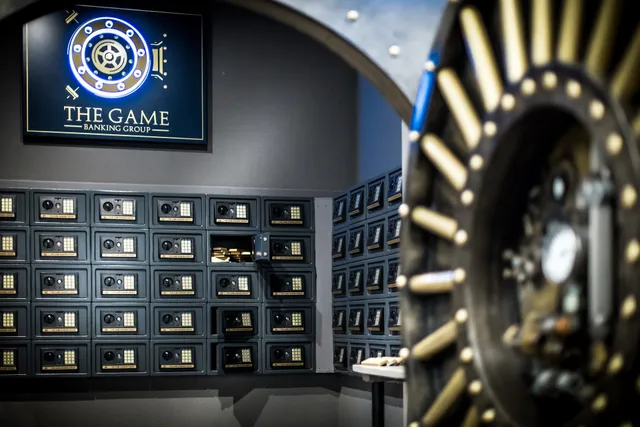
The Game
4.9
(1.5K)
Click for details

Valessio - Coiffeur Paris 5 ✂
4.8
(476)
Click for details

Vivre Mobile Vente Et Reparation
4.5
(406)
Click for details
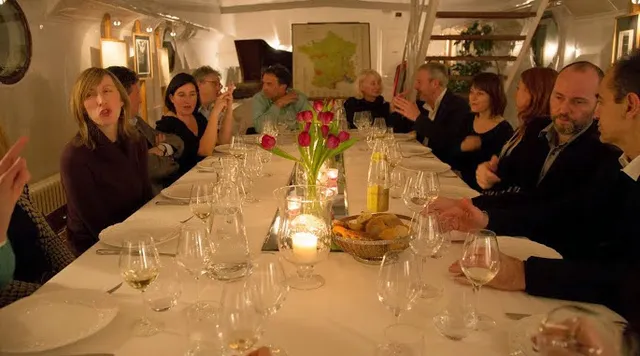
Le Foodist
4.9
(315)
Click for details