Le Gros-Horloge things to do, attractions, restaurants, events info and trip planning
Basic Info
Le Gros-Horloge
Rue du Gros Horloge, 76000 Rouen, France
4.6(3.2K)
Closed

tickets
Save
spot
spot
Ratings & Description
Info
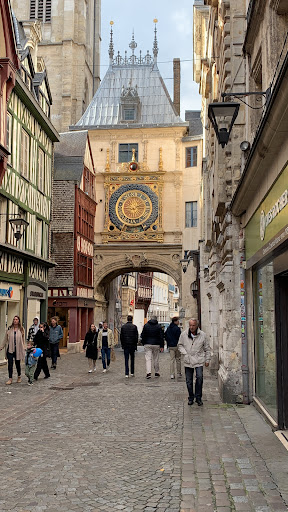
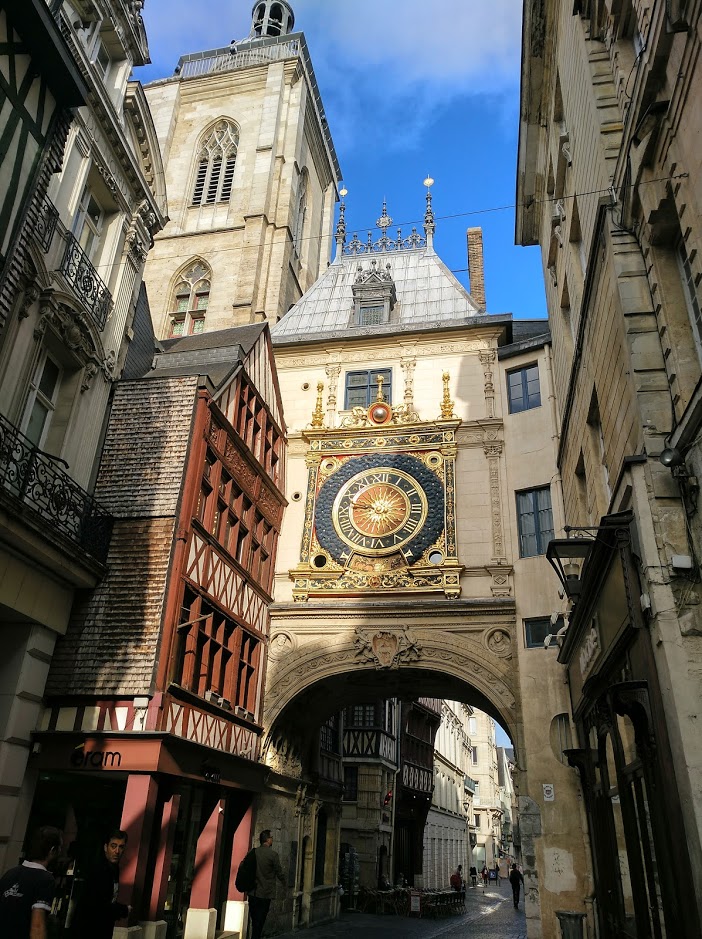
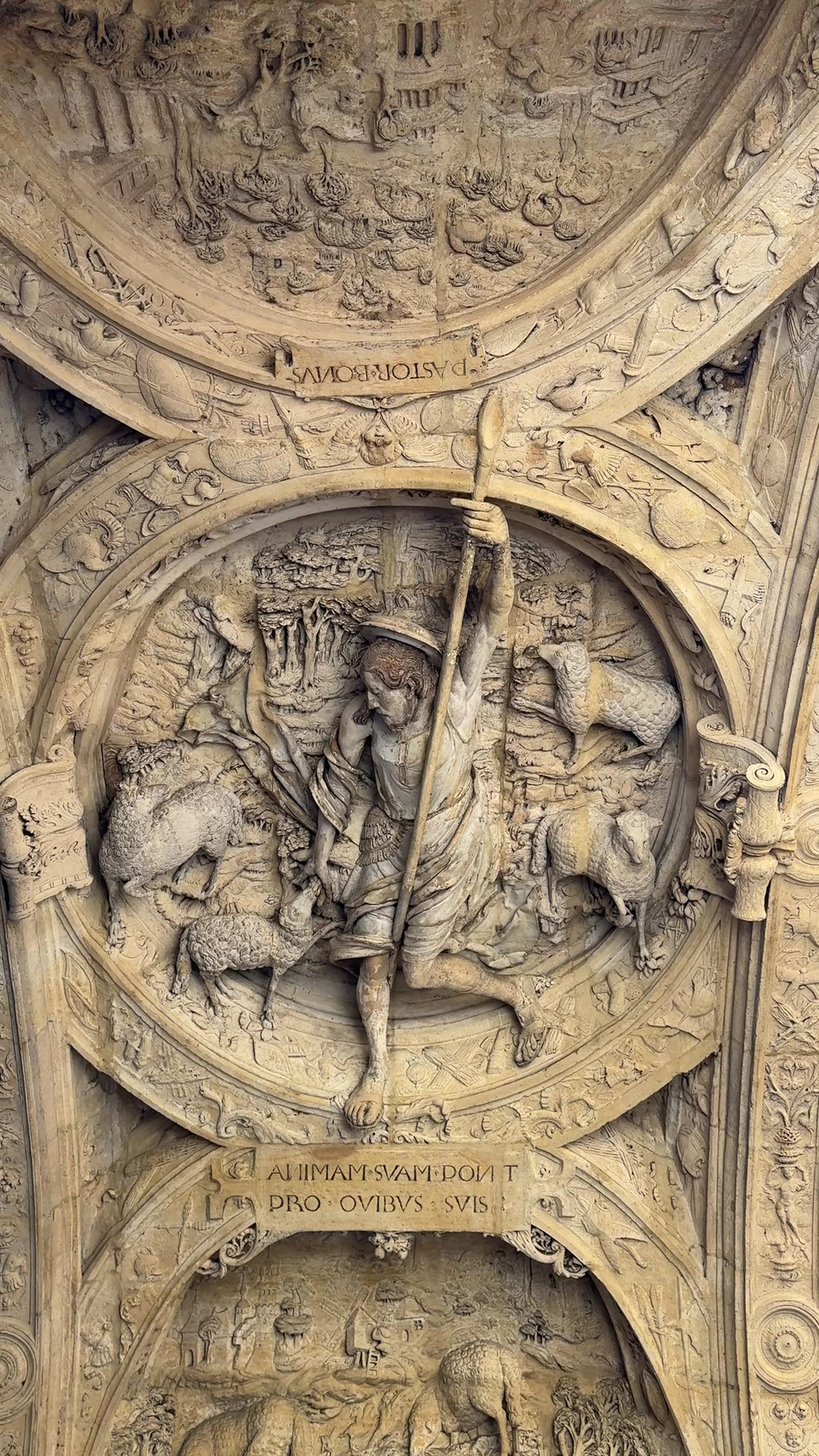
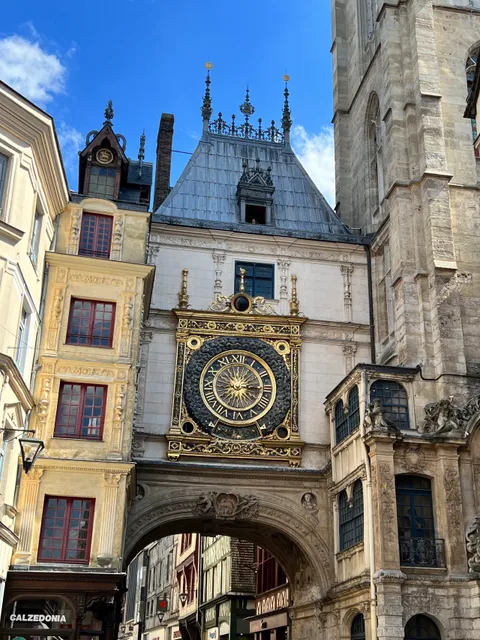
The Gros-Horloge is a 14th century astronomical clock in Rouen, Normandy. The clock is installed in a Renaissance arch crossing the Rue du Gros-Horloge. The mechanism is one of the oldest in France, the movement having been made in 1389.
Cultural
Accessibility
attractions: Cathédrale Notre-Dame de Rouen, place du Vieux-Marché, St Joan of Arc's Church, Escape Game - La confrérie, Le Beffroi, Historial Jeanne d’Arc, La Maison Sublime, Rouen Museum of Fine Arts - Meeting of Metropolitan Museums (RMM), Square Verdrel, Le Petit Train De Rouen, restaurants: Delirium Café Rouen, Séoul Chicken, Le Kitsch, La Régalière, Chocolate Bar, Restaurant Philippe, Nanakô, Restaurant Pizzeria Amici, BELLA PIZZA, Pascaline Restaurant, local businesses: FNAC Rouen, Printemps Rouen, Free - Boutique Rouen, MONOPRIX, DEVRED1902, Bazar du Bizarre, DARTY Rouen Rive Droite, Point Service Mobiles - PSM Rouen, Boutique SFR Rouen Gros Horloge, Bijouterie LEPAGE - Détaillant Rolex
 Learn more insights from Wanderboat AI.
Phone
+33 2 32 08 01 90
Website
rouen.fr
Open hoursSee all hours
Sun2 - 5 PMClosed
Plan your stay

Pet-friendly Hotels in Rouen
Find a cozy hotel nearby and make it a full experience.

Affordable Hotels in Rouen
Find a cozy hotel nearby and make it a full experience.

The Coolest Hotels You Haven't Heard Of (Yet)
Find a cozy hotel nearby and make it a full experience.

Trending Stays Worth the Hype in Rouen
Find a cozy hotel nearby and make it a full experience.
Reviews
Live events

Candlelight : hommage à Queen
Fri, Feb 27 • 9:30 PM
7 Rue Saint Romain, Rouen, 76000
View details

The Jury Experience : Le procès de l’IA meurtrière
Sat, Feb 28 • 4:30 PM
114 Av. du 14 Juillet, Sotteville-lès-Rouen, 76300
View details
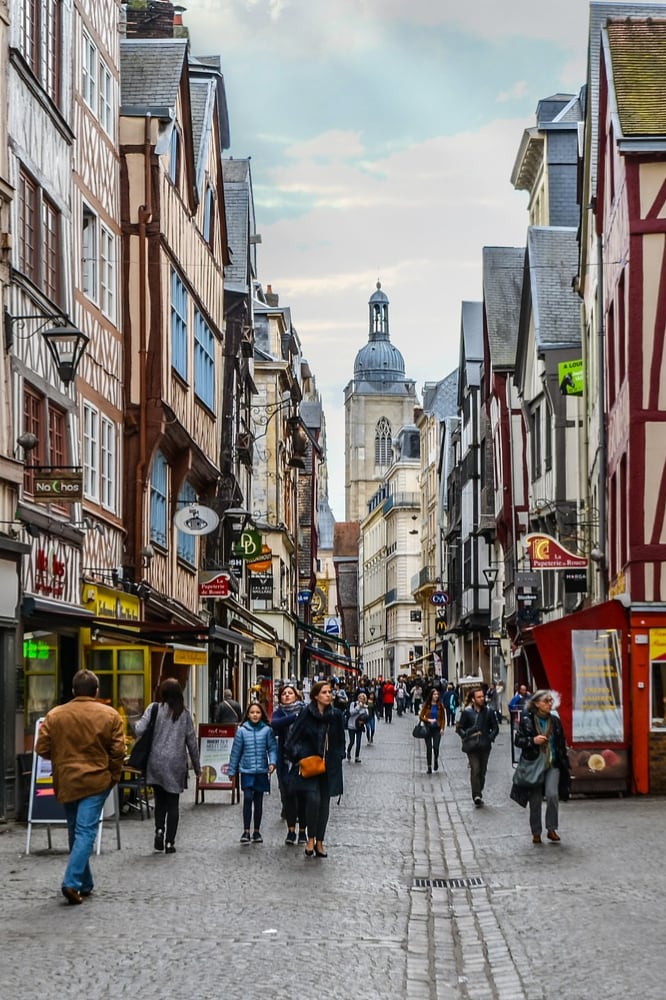
Discover 10 must-see places in Rouen
Mon, Feb 23 • 5:00 AM
76000, Rouen, France
View details
Nearby attractions of Le Gros-Horloge
Cathédrale Notre-Dame de Rouen
place du Vieux-Marché
St Joan of Arc's Church
Escape Game - La confrérie
Le Beffroi
Historial Jeanne d’Arc
La Maison Sublime
Rouen Museum of Fine Arts - Meeting of Metropolitan Museums (RMM)
Square Verdrel
Le Petit Train De Rouen
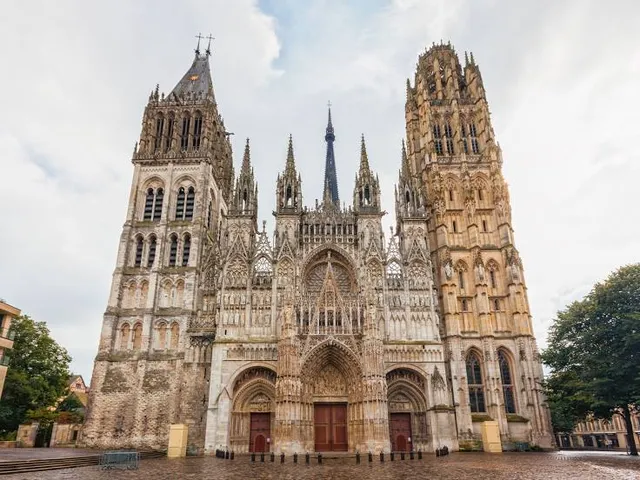
Cathédrale Notre-Dame de Rouen
4.7
(6.9K)
Open until 6:00 PM
Click for details
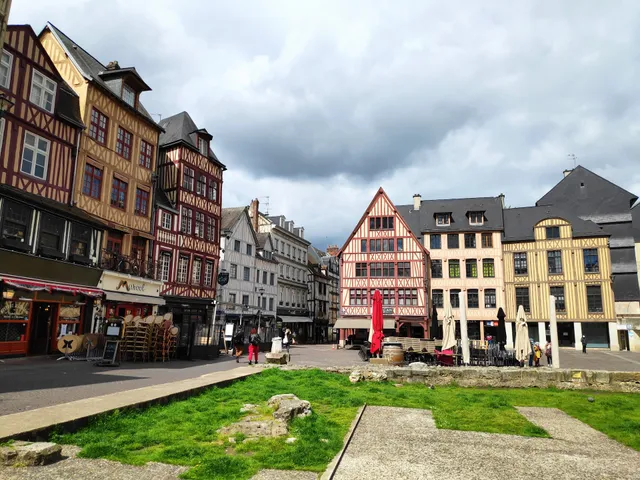
place du Vieux-Marché
4.5
(4K)
Open until 12:00 AM
Click for details
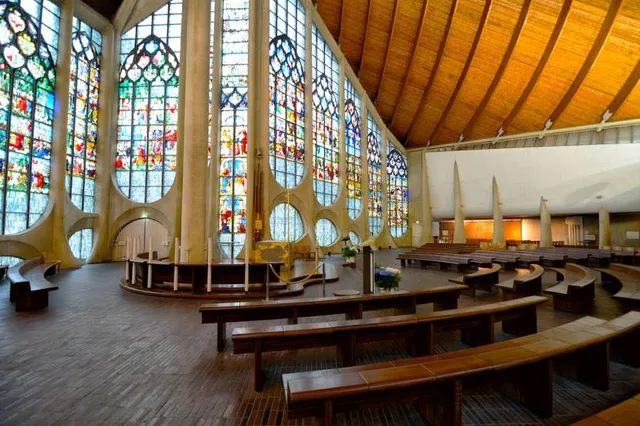
St Joan of Arc's Church
4.5
(2.3K)
Closed
Click for details
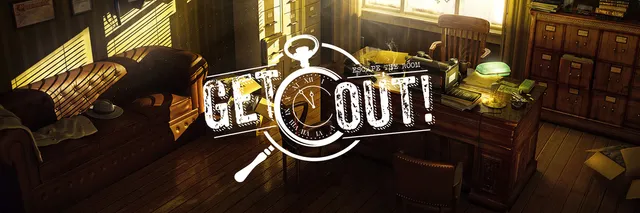
Escape Game - La confrérie
4.7
(448)
Open until 8:00 PM
Click for details
Nearby restaurants of Le Gros-Horloge
Delirium Café Rouen
Séoul Chicken
Le Kitsch
La Régalière
Chocolate Bar
Restaurant Philippe
Nanakô
Restaurant Pizzeria Amici
BELLA PIZZA
Pascaline Restaurant
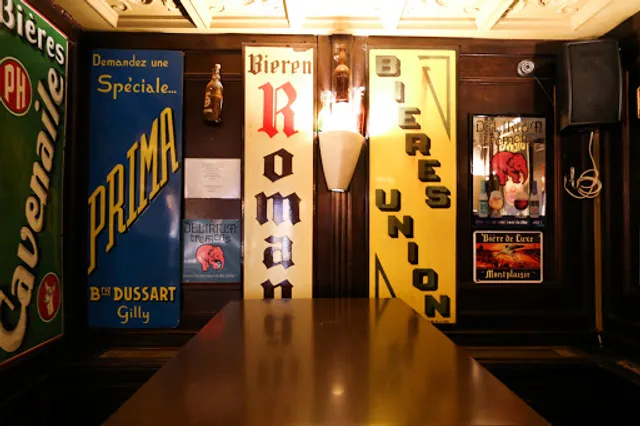
Delirium Café Rouen
4.4
(902)
$
Closed
Click for details

Séoul Chicken
4.5
(30)
$$
Open until 12:00 AM
Click for details
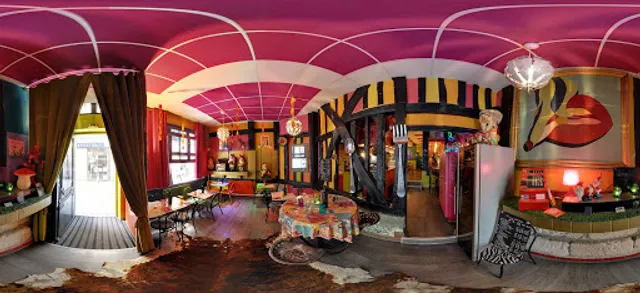
Le Kitsch
4.7
(625)
$$
Open until 12:00 AM
Click for details
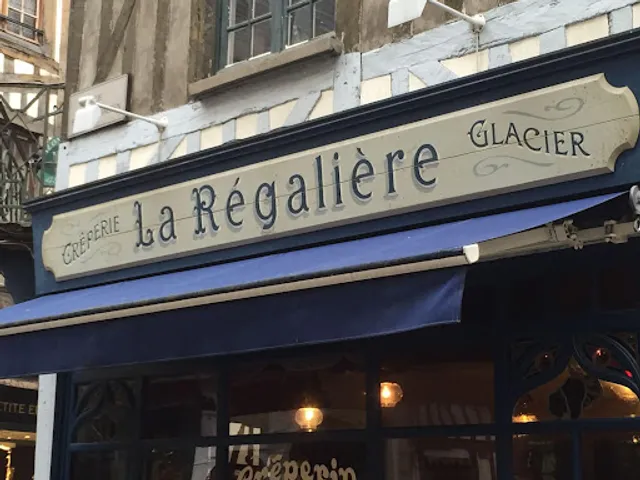
La Régalière
4.5
(474)
Open until 12:00 AM
Click for details
Nearby local services of Le Gros-Horloge
FNAC Rouen
Printemps Rouen
Free - Boutique Rouen
MONOPRIX
DEVRED1902
Bazar du Bizarre
DARTY Rouen Rive Droite
Point Service Mobiles - PSM Rouen
Boutique SFR Rouen Gros Horloge
Bijouterie LEPAGE - Détaillant Rolex
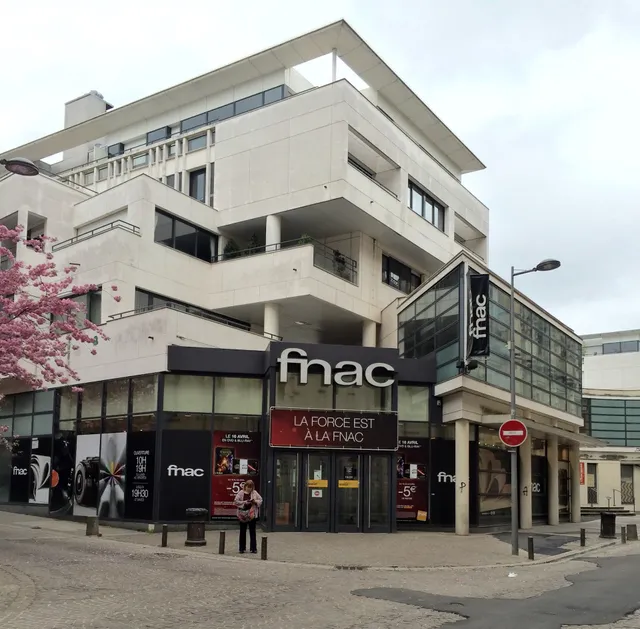
FNAC Rouen
4.0
(3.4K)
Click for details
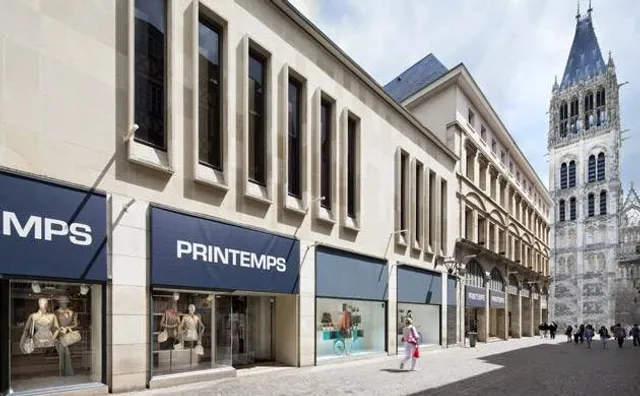
Printemps Rouen
4.6
(2.7K)
Click for details

Free - Boutique Rouen
4.1
(702)
Click for details

MONOPRIX
3.6
(431)
Click for details