Sprinkenhof things to do, attractions, restaurants, events info and trip planning
Basic Info
Sprinkenhof
Springeltwiete 2A, 20095 Hamburg, Germany
4.7(664)
Open 24 hours
Save
spot
spot
Ratings & Description
Info
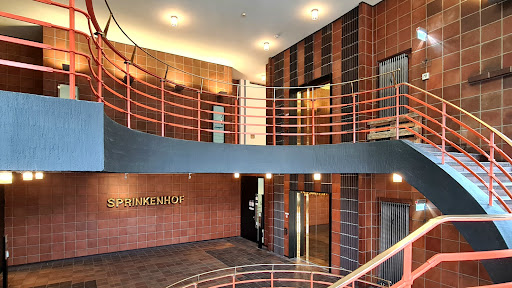
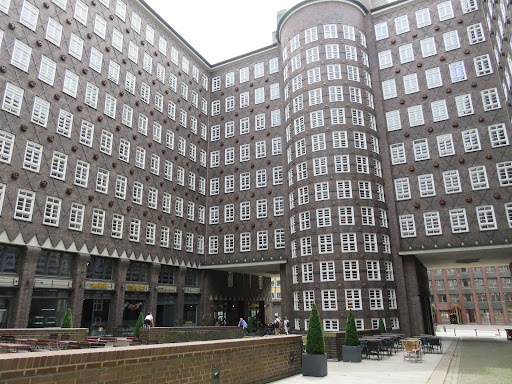
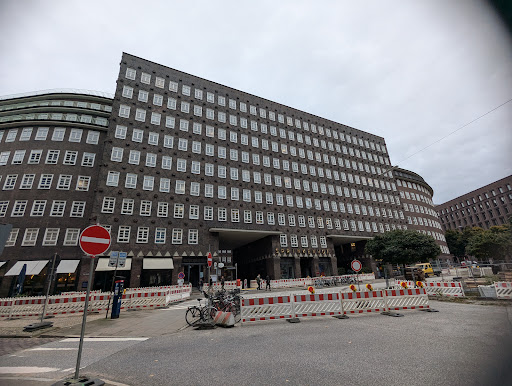
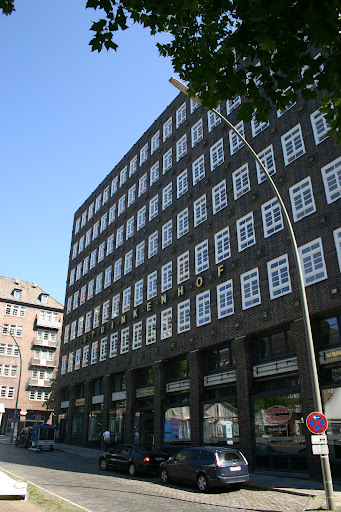
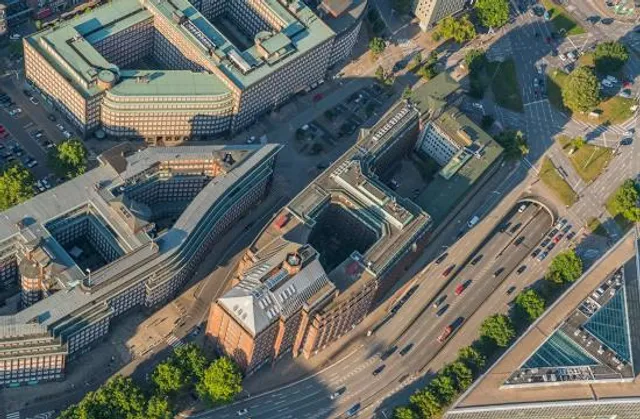
The Sprinkenhof is a nine-storey office building built between 1927 and 1943 in Hamburg's Kontorhaus District. The complex borders the streets Altstädter Straße, Burchardstraße and Johanniswall, and the Springeltwiete runs through the inner courtyard.
Cultural
Scenic
attractions: CHOCOVERSUM - Hamburgs Schokoladenmuseum, Chile House, Deichtorhallen, Dialoghaus Hamburg gGmbH, St. James' Church, Kunsthaus Hamburg, Museum der Illusionen Hamburg, Big Break Hamburg, St. Peter's Church, German Customs Museum, restaurants: SPEISEKONTOR Hamburg - KÖRRI, Restaurant Im Sprinkenhof, Erdapfel Hamburg (Altstadt), bona'me, Restaurant Ti Amo Italia, Daniel Wischer, Altstädter Stube Willig, Quan Ngon, SEOUL 1988 Innenstadt, Phở Tình, local businesses: MediaMarkt Tech Village Hamburg, Manufactum Warenhaus, Galeria, Mezzaluna Pizza, SEPHORA HAMBURG SPITALERS, Mönckebergstraße, New Yorker, Europa Passage, Hamburg Central Station, Douglas Hamburg Mönckebergstraße
 Learn more insights from Wanderboat AI.
Website
sprinkenhof.de
Plan your stay

Pet-friendly Hotels in Hamburg
Find a cozy hotel nearby and make it a full experience.

Affordable Hotels in Hamburg
Find a cozy hotel nearby and make it a full experience.

The Coolest Hotels You Haven't Heard Of (Yet)
Find a cozy hotel nearby and make it a full experience.

Trending Stays Worth the Hype in Hamburg
Find a cozy hotel nearby and make it a full experience.
Reviews
Live events
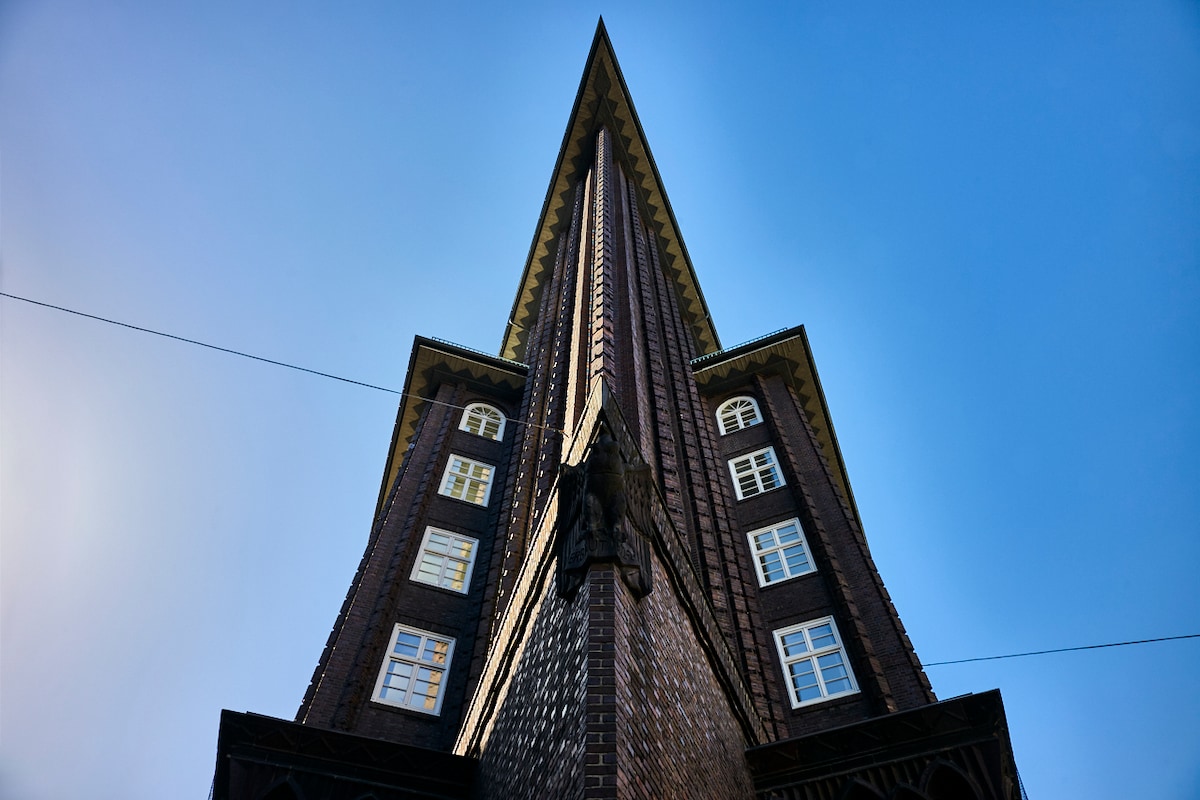
Free walking tour through the UNESCO World Heritage Site
Wed, Feb 25 • 11:00 AM
20095, Hamburg, Germany
View details

Ein Planet vor unserer Zeit: Dinosaurier – Das immersive Erlebnis
Fri, Feb 20 • 2:00 PM
Platz am 10. Längengrad 1, Hamburg, 20457
View details
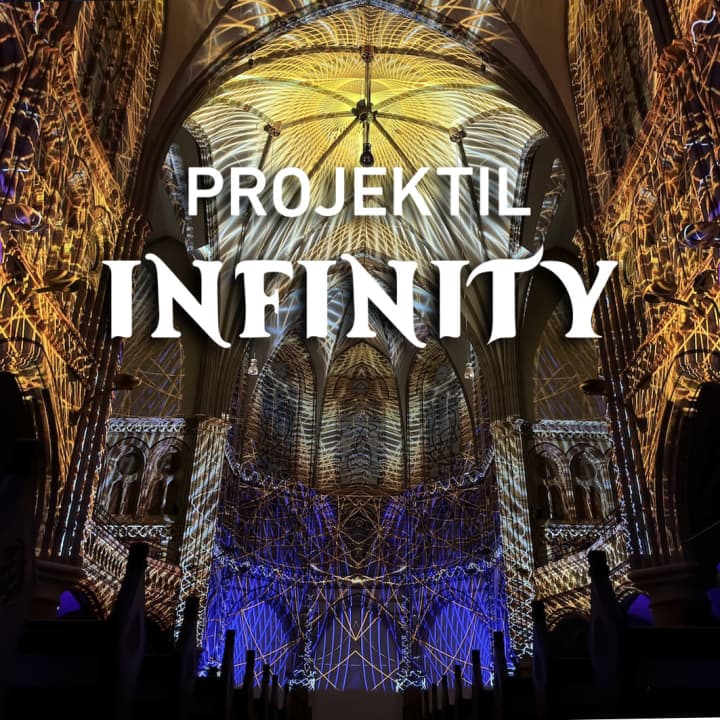
PROJEKTIL presents INFINITY – Kosmisches Staunen erleben!
Fri, Feb 20 • 6:30 PM
Bei der Johanniskirche 22, Hamburg, 22767
View details
Nearby attractions of Sprinkenhof
CHOCOVERSUM - Hamburgs Schokoladenmuseum
Chile House
Deichtorhallen
Dialoghaus Hamburg gGmbH
St. James' Church
Kunsthaus Hamburg
Museum der Illusionen Hamburg
Big Break Hamburg
St. Peter's Church
German Customs Museum

CHOCOVERSUM - Hamburgs Schokoladenmuseum
4.6
(6.1K)
Open until 6:00 PM
Click for details
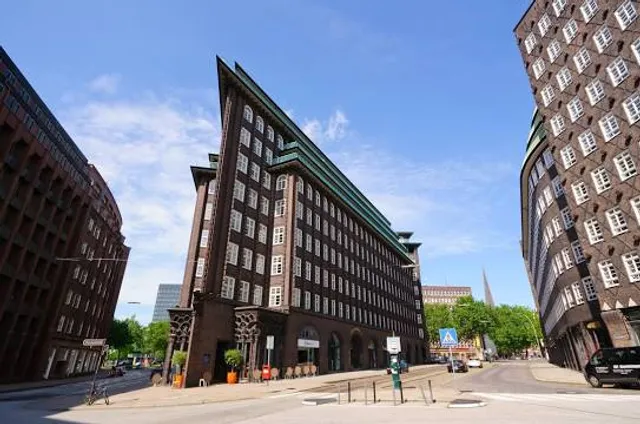
Chile House
4.5
(1.7K)
Open until 12:00 AM
Click for details
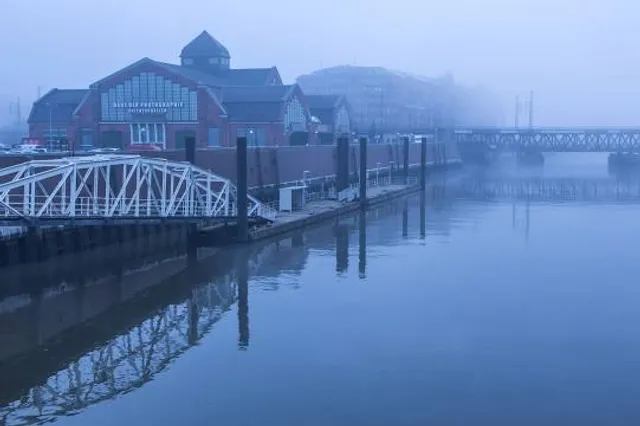
Deichtorhallen
4.5
(1.3K)
Open until 6:00 PM
Click for details
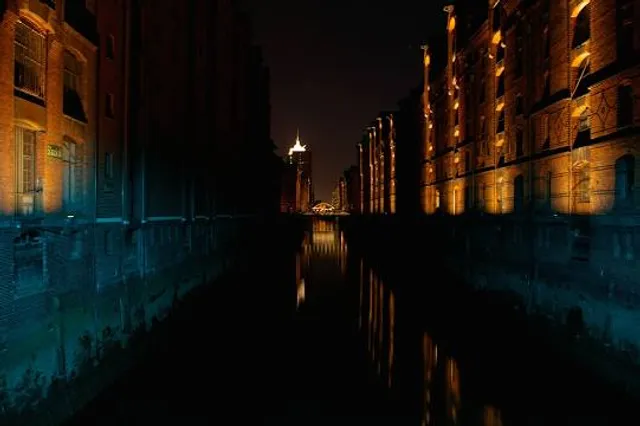
Dialoghaus Hamburg gGmbH
4.8
(1.0K)
Open until 5:45 PM
Click for details
Nearby restaurants of Sprinkenhof
SPEISEKONTOR Hamburg - KÖRRI
Restaurant Im Sprinkenhof
Erdapfel Hamburg (Altstadt)
bona'me
Restaurant Ti Amo Italia
Daniel Wischer
Altstädter Stube Willig
Quan Ngon
SEOUL 1988 Innenstadt
Phở Tình
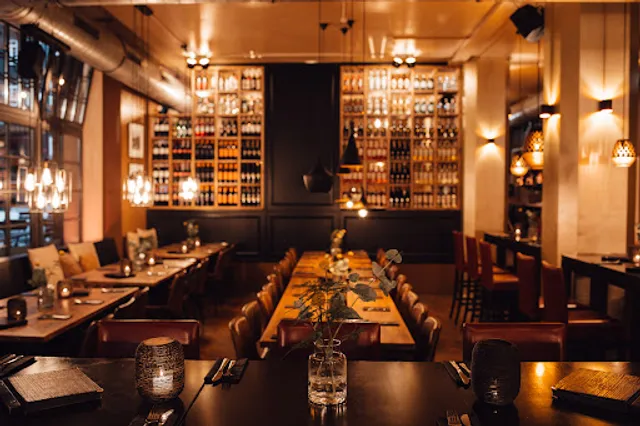
SPEISEKONTOR Hamburg - KÖRRI
4.5
(1.1K)
Open until 1:00 AM
Click for details

Restaurant Im Sprinkenhof
4.7
(653)
Open until 10:00 PM
Click for details
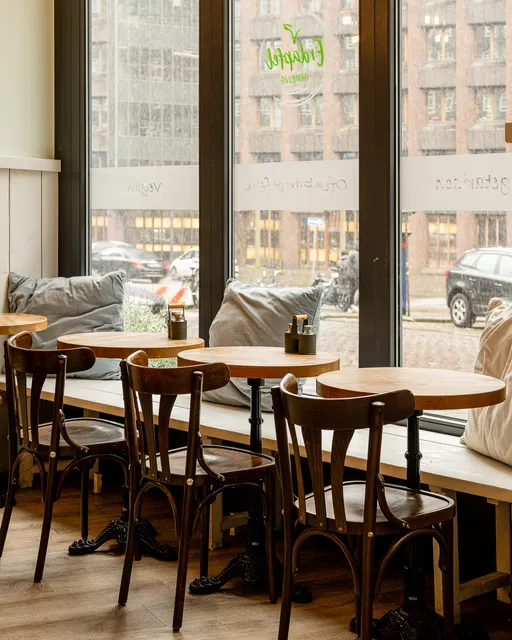
Erdapfel Hamburg (Altstadt)
4.8
(804)
Open until 9:30 PM
Click for details
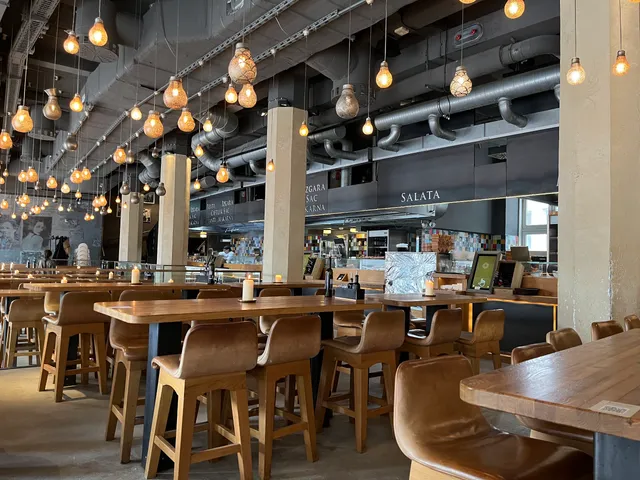
bona'me
4.2
(2.5K)
$$
Open until 12:00 AM
Click for details
Nearby local services of Sprinkenhof
MediaMarkt Tech Village Hamburg
Manufactum Warenhaus
Galeria
Mezzaluna Pizza
SEPHORA HAMBURG SPITALERS
Mönckebergstraße
New Yorker
Europa Passage
Hamburg Central Station
Douglas Hamburg Mönckebergstraße
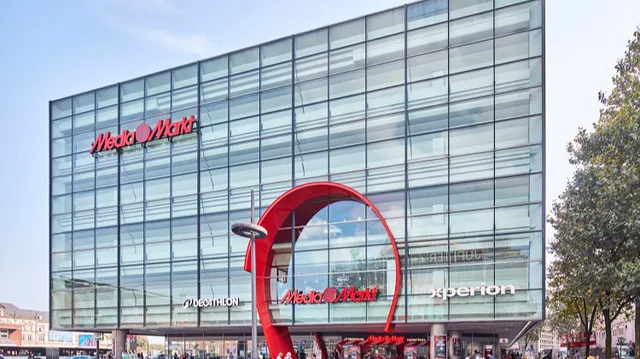
MediaMarkt Tech Village Hamburg
4.2
(9.4K)
Click for details
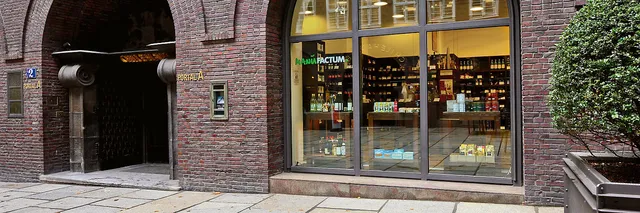
Manufactum Warenhaus
4.5
(624)
Click for details
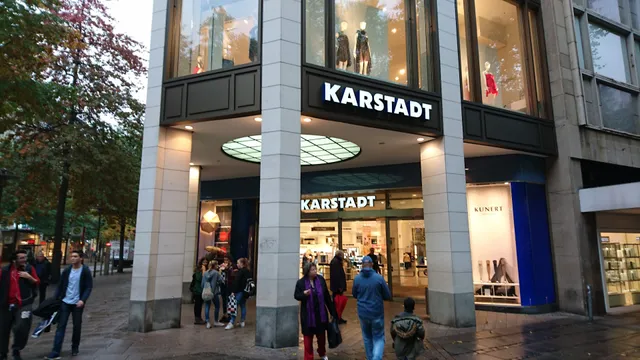
Galeria
4.2
(5K)
Click for details
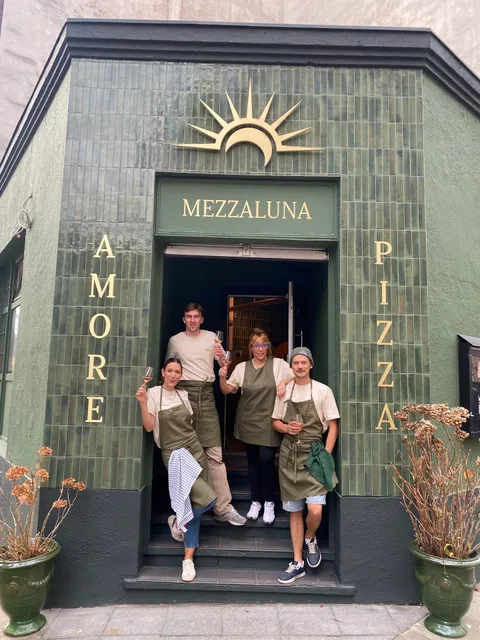
Mezzaluna Pizza
4.8
(123)
Click for details


The hit list


Plan your trip with Wanderboat
Welcome to Wanderboat AI, your AI search for local Eats and Fun, designed to help you explore your city and the world with ease.
Powered by Wanderboat AI trip planner.