HTML SitemapExplore
logo
Find Things to DoFind The Best Restaurants

Salzspeicher Lübeck — Attraction in Lübeck

Name
Salzspeicher Lübeck
Description
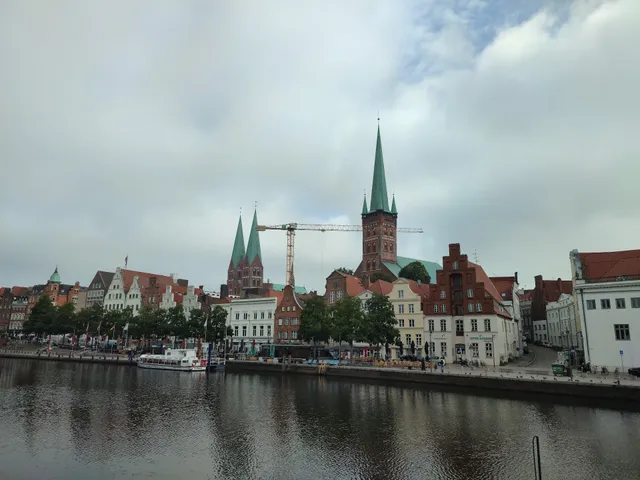
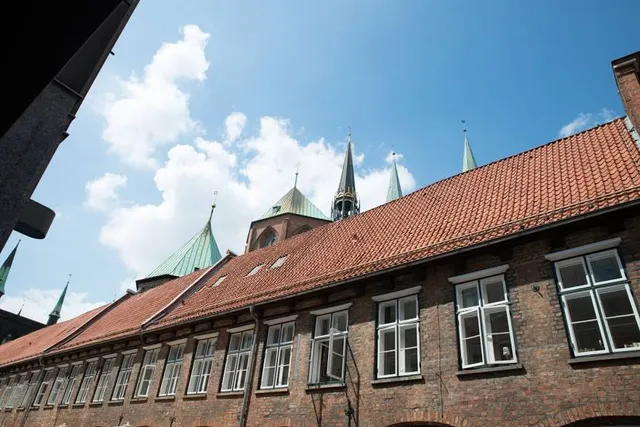
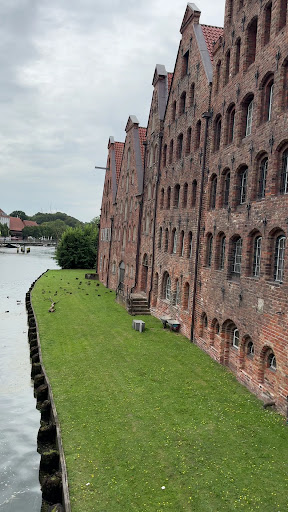
The Salzspeicher, of Lübeck, Germany, are six historic brick buildings on the Upper Trave River next to the Holstentor. Built in the 16th–18th centuries, the houses stored salt that was mined near Lüneburg and brought to Lübeck over the Stecknitz Canal.
Nearby attractions
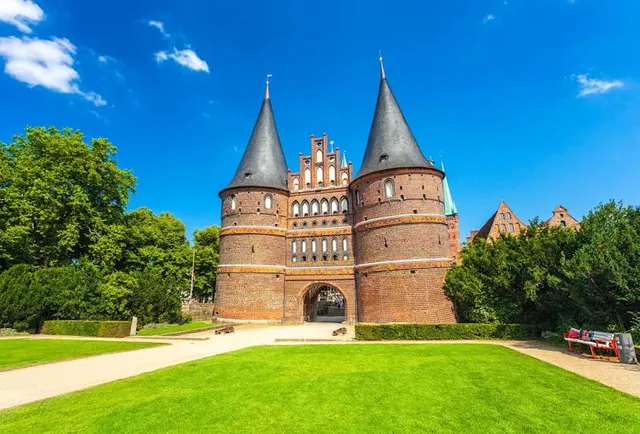
Museum Holstentor
Holstentorplatz, 23552 Lübeck, Germany
St. Peter's Church
Königstraße 104, 23552 Lübeck, Germany
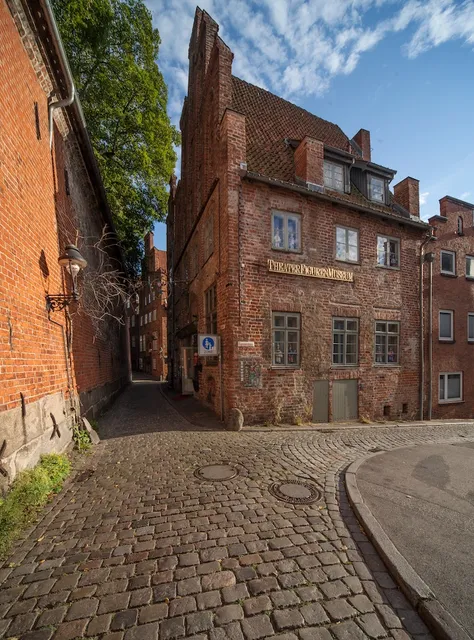
Lübeck Museum of Theatre Puppets
Kolk 14, 23552 Lübeck, Germany
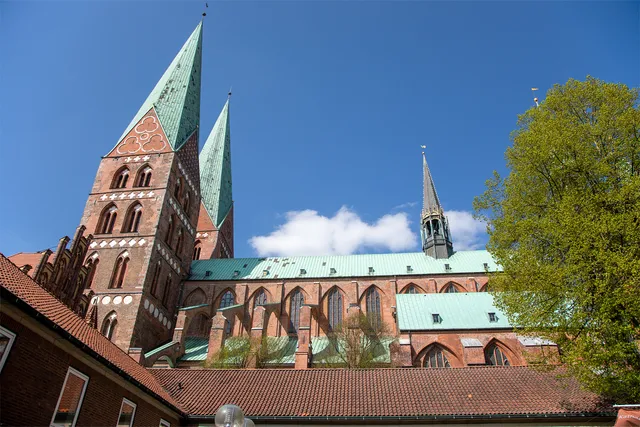
Marienkirche
Marienkirchhof 1, 23552 Lübeck, Germany
Buddenbrookhaus
Mengstraße 4, 23552 Lübeck, Germany
Historisches Rathaus von Lübeck
Markttwiete 3, 23552 Lübeck, Germany
Lübeck Cathedral
Mühlendamm 2-6, 23552 Lübeck, Germany
Buddenbrooks am Markt - Infocenter und Museumsshop
Markt 15, 23552 Lübeck, Germany
Museumsquartier St. Annen
St.-Annen-Straße 15, 23552 Lübeck, Germany
An der Obertrave
An d. Obertrave 43, 23552 Lübeck, Germany
Nearby restaurants
Kartoffelspeicher
An d. Obertrave 6, 23552 Lübeck, Germany
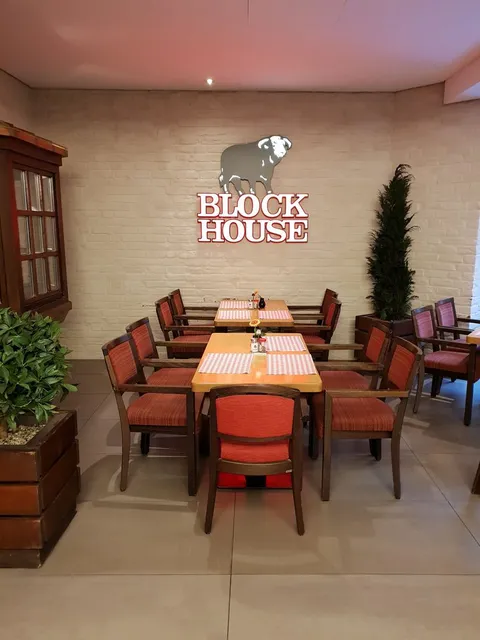
BLOCK HOUSE
Holstenstraße 40, 23552 Lübeck, Germany
Ristorante San Remo
An d. Obertrave 10, 23552 Lübeck, Germany
L'Osteria
An d. Untertrave 111, 23552 Lübeck, Germany
Yume Ramen Lübeck
An d. Untertrave 110, 23552 Lübeck, Germany
Restaurant am Holstentor Lübeck
An d. Obertrave 11, 23552 Lübeck, Germany
H7
Holstentorplatz 7, 23552 Lübeck, Germany
Buddha Bowl - Lübeck
Schmiedestraße 24, 23552 Lübeck, Germany
Thana Asia -VietnamesischesRestaurant
Holstenstraße 18, 23552 Lübeck, Germany
BLAUPAUSE
An d. Obertrave 12, 23552 Lübeck, Germany
Nearby hotels
RINGHOTEL JENSEN
An d. Obertrave 4, 23552 Lübeck, Germany
Hotel Motel One Lübeck
Schüsselbuden 15, 23552 Lübeck, Germany
The Layhead B&B
Fischstraße 22, 23552 Lübeck, Germany
Hotel Anno 1216
Alfstraße 38, 23552 Lübeck, Germany
DJH Youth Hostel Lübeck "Altstadt"
Mengstraße 33, 23552 Lübeck, Germany
Hotel LIHO... einfach Lübeck
Lindenstraße 1a, 23558 Lübeck, Germany
Premier Inn Lübeck City Stadtgraben Hotel
Moislinger Allee 9, 23558 Lübeck, Germany
Hotel an der Marienkirche
Schüsselbuden 4, 23552 Lübeck, Germany
B&B HOTEL Lübeck-Hbf
Konrad-Adenauer-Straße 7, 23558 Lübeck, Germany
Altstadt Ferienwohnung Gang No. 56
Marlesgrube 58, 23552 Lübeck, Germany
Related posts
Keywords
Salzspeicher Lübeck tourism.Salzspeicher Lübeck hotels.Salzspeicher Lübeck bed and breakfast. flights to Salzspeicher Lübeck.Salzspeicher Lübeck attractions.Salzspeicher Lübeck restaurants.Salzspeicher Lübeck travel.Salzspeicher Lübeck travel guide.Salzspeicher Lübeck travel blog.Salzspeicher Lübeck pictures.Salzspeicher Lübeck photos.Salzspeicher Lübeck travel tips.Salzspeicher Lübeck maps.Salzspeicher Lübeck things to do.
Salzspeicher Lübeck things to do, attractions, restaurants, events info and trip planning
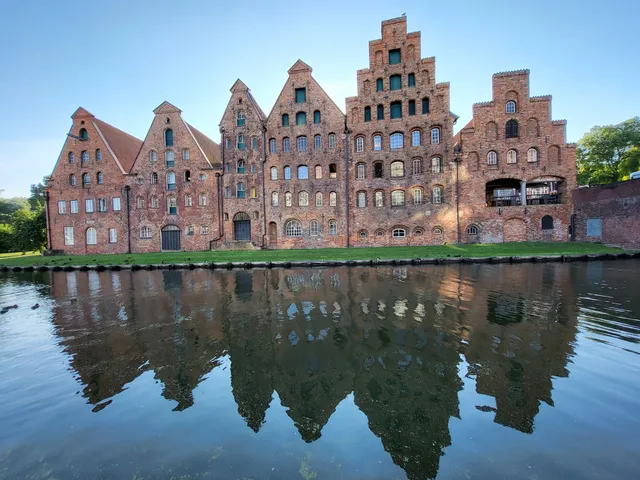
Salzspeicher Lübeck
GermanySchleswig-HolsteinLübeckSalzspeicher Lübeck

Basic Info

Salzspeicher Lübeck

Wallstraße 1, 23560 Lübeck, Germany
4.6(289)
Closed
Save
spot

Ratings & Description

Info

The Salzspeicher, of Lübeck, Germany, are six historic brick buildings on the Upper Trave River next to the Holstentor. Built in the 16th–18th centuries, the houses stored salt that was mined near Lüneburg and brought to Lübeck over the Stecknitz Canal.

Cultural
Scenic
Family friendly
Accessibility
attractions: Museum Holstentor, St. Peter's Church, Lübeck Museum of Theatre Puppets, Marienkirche, Buddenbrookhaus, Historisches Rathaus von Lübeck, Lübeck Cathedral, Buddenbrooks am Markt - Infocenter und Museumsshop, Museumsquartier St. Annen, An der Obertrave, restaurants: Kartoffelspeicher, BLOCK HOUSE, Ristorante San Remo, L'Osteria, Yume Ramen Lübeck, Restaurant am Holstentor Lübeck, H7, Buddha Bowl - Lübeck, Thana Asia -VietnamesischesRestaurant, BLAUPAUSE
logoLearn more insights from Wanderboat AI.
Phone
+49 4362 2828
Website
luebeck.de
Open hoursSee all hours
Fri10 AM - 5 PMClosed

Plan your stay

hotel
Pet-friendly Hotels in Lübeck
Find a cozy hotel nearby and make it a full experience.

hotel
Affordable Hotels in Lübeck
Find a cozy hotel nearby and make it a full experience.

hotel
The Coolest Hotels You Haven't Heard Of (Yet)
Find a cozy hotel nearby and make it a full experience.

hotel
Trending Stays Worth the Hype in Lübeck
Find a cozy hotel nearby and make it a full experience.

Reviews

Nearby attractions of Salzspeicher Lübeck

Museum Holstentor

St. Peter's Church

Lübeck Museum of Theatre Puppets

Marienkirche

Buddenbrookhaus

Historisches Rathaus von Lübeck

Lübeck Cathedral

Buddenbrooks am Markt - Infocenter und Museumsshop

Museumsquartier St. Annen

An der Obertrave

Museum Holstentor

Museum Holstentor

4.6

(4K)

Open 24 hours
Click for details
St. Peter's Church

St. Peter's Church

4.5

(959)

Open 24 hours
Click for details
Lübeck Museum of Theatre Puppets

Lübeck Museum of Theatre Puppets

4.5

(71)

Closed
Click for details
Marienkirche

Marienkirche

4.5

(1.5K)

Open 24 hours
Click for details

Things to do nearby

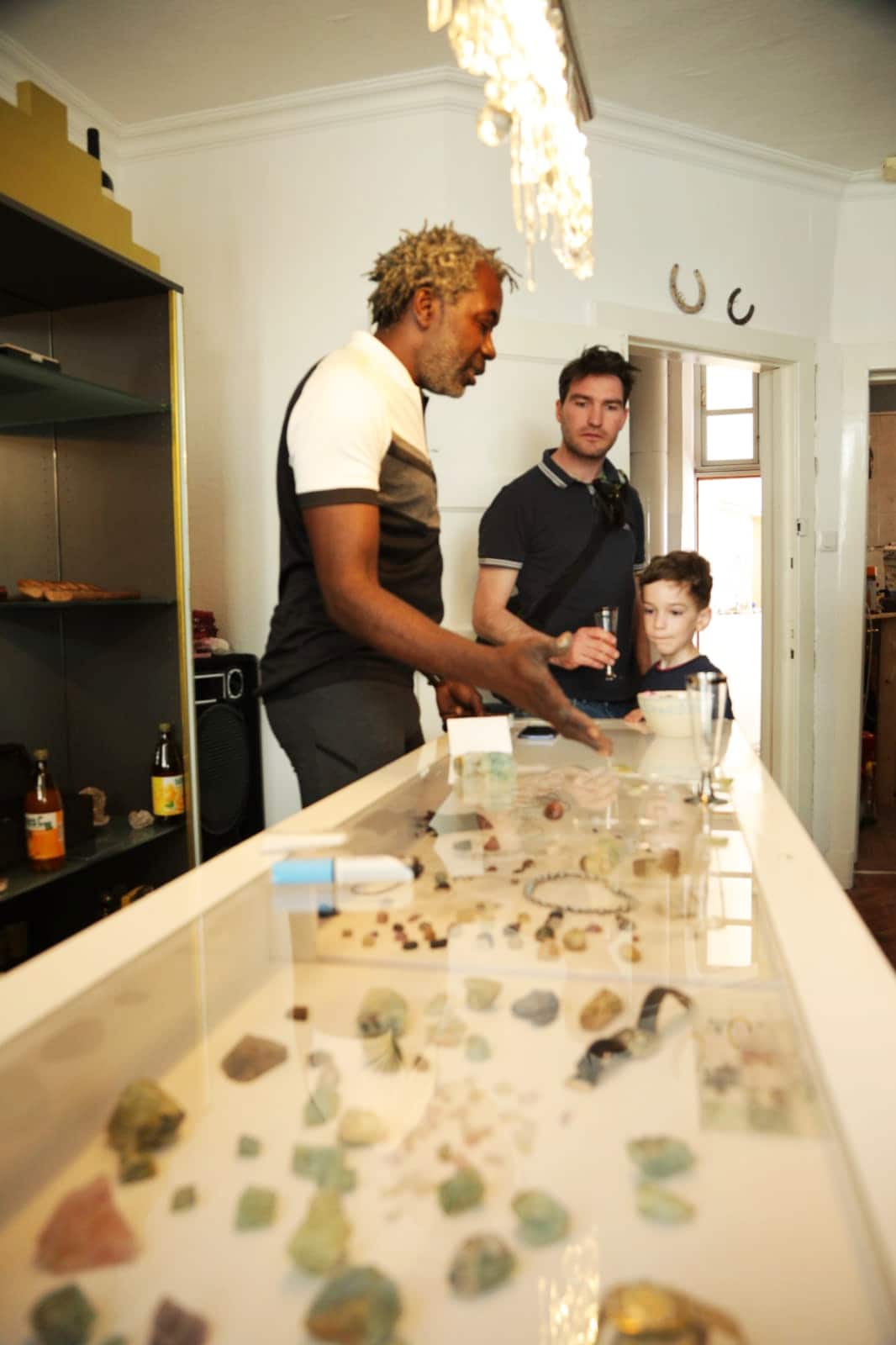
Experience gemstone cutting up close
Sat, Dec 6 • 11:00 AM
23552, Lübeck, Germany
View details

Nearby restaurants of Salzspeicher Lübeck

Kartoffelspeicher

BLOCK HOUSE

Ristorante San Remo

L'Osteria

Yume Ramen Lübeck

Restaurant am Holstentor Lübeck

H7

Buddha Bowl - Lübeck

Thana Asia -VietnamesischesRestaurant

BLAUPAUSE

Kartoffelspeicher

Kartoffelspeicher

4.7

(952)

$

Click for details
BLOCK HOUSE

BLOCK HOUSE

4.5

(1.3K)

Click for details
Ristorante San Remo

Ristorante San Remo

4.3

(1.0K)

Click for details
L'Osteria

L'Osteria

4.2

(2.5K)

Click for details
Get the Appoverlay
Get the AppOne tap to find yournext favorite spots!
Wanderboat LogoWanderboat

Your everyday Al companion for getaway ideas

CompanyAbout Us
InformationAI Trip PlannerSitemap
SocialXInstagramTiktokLinkedin
LegalTerms of ServicePrivacy Policy

Get the app

© 2025 Wanderboat. All rights reserved.
logo

Reviews of Salzspeicher Lübeck

4.6
(289)
avatar
5.0
1y

These mediaeval salt storehouses on the Trave River's banks are magnificent examples of Brick Gothic architecture; a salt storehouse is a true architectural gem! Originally, enormous amounts of salt were stored here, which was used for food preservation and as a significant commodity in commerce.

The houses, constructed between the 16th and 18th centuries, stored salt mined near Lüneburg and carried to Lübeck via the Stecknitz Canal. The salt was then shipped to a number of ports.

Salt was of tremendous economic importance to Lübeck during the time, contributing greatly to the city's prosperity. It is a tourist destination, and the town is surrounded by gorgeous architecture. There are many cafes, restaurants, shopping malls and so on.

Lübeck has a beautiful and picturesque landscape! Salt warehouses were used to store salt, which was a valuable commodity at the time! Make careful you cross the river for the finest scenery!

If you are visiting Lübeck, be sure to stop by the stroll area, where you can wander around and explore the attractions while also enjoying refreshments. You could also go boating. You can also have coffee and go sightseeing. There are plenty excellent restaurants and bars nearby where you may enjoy some delicious cuisine. I highly...

   Read more
avatar
5.0
2y

These historical salt storehouses standing on the banks of the Trave River are impressive examples of Brick Gothic architecture, which is characteristic of many buildings in Lübeck. With their imposing facades, tall gables, and numerous decorations, such a salt storehouse is an architectural gem! Originally, large quantities of salt were stored here, which was used for food preservation and as a significant commodity for trade. Salt was of great economic importance to Lübeck at that time and contributed significantly to the wealth of the city.💚!

PS. On the opposite shore are some great cafes, there you can wonderfully while enjoying a drink🍺☕🍷, for example, these salt stores quite...

   Read more
avatar
5.0
29w

Die Salzspeicher sind eine Gruppe von Lagerhäusern an der Lübecker Obertrave direkt neben dem Holstentor. Sie wurden im Stil der Backsteinrenaissance und des Backsteinbarock erbaut.

Erbaut wurden die Salzspeicher zwischen 1579 und 1745: Speicher 1 im Jahr 1579 Speicher 2 im Jahr 1599 Speicher 3 kurz nach 1600 Speicher 4 im Jahr 1594 Speicher 5 im Jahr 1743–1745 Speicher 6 im Jahr 1743–1745. Ein Relief aus Klinker an der Fassade des nächst dem Holstentor gelegenen Speichers weist darauf hin, dass dieser sich noch bis 1839 im Eigentum der Saline Oldesloe befand. Die Speichergebäude dienten ursprünglich der Lagerung des aus Lüneburg über die Alte Salzstraße und später über den Stecknitz-Kanal herbeigeführten Salzes sowie des aus der Saline Oldesloe gewonnenen und mit Lastkähnen auf der Trave herangebrachten Salzes, das von Lübeck als Grundlage seines damaligen Reichtums nach ganz Skandinavien ausgeführt wurde. Das Salz wurde vornehmlich zum Konservieren von in Norwegen und Schonen gefangenem Fisch benötigt und ermöglichte so den Heringshandel als Fastenspeise mit dem Binnenland. Die Lage an der Holstenbrücke über die Trave als der ältesten festen Lübecker Brücke markierte im Mittelalter die Grenze zwischen dem Seehafen und dem Binnenhafen mit seiner Anbindung an die Elbe durch den Stecknitz-Kanal. Die Salzspeicher sind als Kulturdenkmal unter den Nummern 1088 bis 1093 der Denkmalliste der Hansestadt Lübeck aufgeführt.

In den Speichern wurden später auch Tuch, Korn oder Holz gelagert. Im Dritten Reich wurde einer der Speicher zu einem HJ-Heim umgebaut. Heute werden die Gebäude von einem Textilkaufhaus genutzt, das 1942 nach Bombardierung seiner ursprünglichen Geschäftsräume in einen der Salzspeicher als Ausweichquartier umzog und dort sein Geschäft beließ. Die Lübecker Salzspeicher waren Drehort für die Filme Nosferatu – Eine Symphonie des Grauens von Friedrich Wilhelm Murnau von 1922 und ebenso für Werner Herzogs Nosferatu – Phantom der Nacht von 1979. In beiden Fällen dienten sie als Kulisse für das Haus, das der Vampir in...

   Read more
Page 1 of 7
Previous
Next

Posts

Living Life (by Lawitta Estibeiro)Living Life (by Lawitta Estibeiro)
These mediaeval salt storehouses on the Trave River's banks are magnificent examples of Brick Gothic architecture; a salt storehouse is a true architectural gem! Originally, enormous amounts of salt were stored here, which was used for food preservation and as a significant commodity in commerce. The houses, constructed between the 16th and 18th centuries, stored salt mined near Lüneburg and carried to Lübeck via the Stecknitz Canal. The salt was then shipped to a number of ports. Salt was of tremendous economic importance to Lübeck during the time, contributing greatly to the city's prosperity. It is a tourist destination, and the town is surrounded by gorgeous architecture. There are many cafes, restaurants, shopping malls and so on. Lübeck has a beautiful and picturesque landscape! Salt warehouses were used to store salt, which was a valuable commodity at the time! Make careful you cross the river for the finest scenery! If you are visiting Lübeck, be sure to stop by the stroll area, where you can wander around and explore the attractions while also enjoying refreshments. You could also go boating. You can also have coffee and go sightseeing. There are plenty excellent restaurants and bars nearby where you may enjoy some delicious cuisine. I highly recommend!!!
Thai Hoang LUONGThai Hoang LUONG
These historical salt storehouses standing on the banks of the Trave River are impressive examples of Brick Gothic architecture, which is characteristic of many buildings in Lübeck. With their imposing facades, tall gables, and numerous decorations, such a salt storehouse is an architectural gem! Originally, large quantities of salt were stored here, which was used for food preservation and as a significant commodity for trade. Salt was of great economic importance to Lübeck at that time and contributed significantly to the wealth of the city.💚! PS. On the opposite shore are some great cafes, there you can wonderfully while enjoying a drink🍺☕🍷, for example, these salt stores quite cozy in sight...
Alberto Hernández CastilloAlberto Hernández Castillo
El Salzspeicher en Lübeck, Alemania, es un impresionante conjunto de edificios históricos que forman parte del patrimonio arquitectónico de la ciudad y son testigos de su rica historia comercial. Estos edificios, también conocidos como Almacenes de Sal, son un testimonio del pasado medieval de Lübeck como importante centro comercial y de su papel en el comercio de sal en la región del Báltico. El Salzspeicher está ubicado en el puerto de Lübeck y se compone de varios almacenes de ladrillo rojo, con fachadas ornamentadas y techos inclinados característicos de la arquitectura hanseática. Estos edificios fueron construidos en los siglos XVII y XVIII, y servían como almacenes para la sal, un producto de gran valor en la Edad Media y que era fundamental en el comercio de la Liga Hanseática. El Salzspeicher es un testimonio vivo de la historia económica y comercial de Lübeck, y es considerado un importante ejemplo de arquitectura hanseática en Europa del Norte. Los visitantes pueden maravillarse con la impresionante estructura de los edificios, con sus detalles arquitectónicos y su ubicación estratégica en el puerto de la ciudad. Hoy en día, el Salzspeicher alberga una variedad de usos, como museos, restaurantes, tiendas y oficinas, lo que le da una nueva vida a estos antiguos almacenes. Los visitantes pueden explorar las diferentes áreas de los Salzspeicher y disfrutar de la atmósfera histórica y cultural que impregna estos edificios emblemáticos. En resumen, el Salzspeicher en Lübeck es un conjunto arquitectónico histórico que representa la riqueza del pasado comercial de la ciudad y ofrece una visión fascinante de la arquitectura hanseática en Europa del Norte. Es un lugar de interés cultural y turístico que brinda una oportunidad única para apreciar la historia y el patrimonio de Lübeck.
See more posts
See more posts
hotel
Find your stay

Pet-friendly Hotels in Lübeck

Find a cozy hotel nearby and make it a full experience.

These mediaeval salt storehouses on the Trave River's banks are magnificent examples of Brick Gothic architecture; a salt storehouse is a true architectural gem! Originally, enormous amounts of salt were stored here, which was used for food preservation and as a significant commodity in commerce. The houses, constructed between the 16th and 18th centuries, stored salt mined near Lüneburg and carried to Lübeck via the Stecknitz Canal. The salt was then shipped to a number of ports. Salt was of tremendous economic importance to Lübeck during the time, contributing greatly to the city's prosperity. It is a tourist destination, and the town is surrounded by gorgeous architecture. There are many cafes, restaurants, shopping malls and so on. Lübeck has a beautiful and picturesque landscape! Salt warehouses were used to store salt, which was a valuable commodity at the time! Make careful you cross the river for the finest scenery! If you are visiting Lübeck, be sure to stop by the stroll area, where you can wander around and explore the attractions while also enjoying refreshments. You could also go boating. You can also have coffee and go sightseeing. There are plenty excellent restaurants and bars nearby where you may enjoy some delicious cuisine. I highly recommend!!!
Living Life (by Lawitta Estibeiro)

Living Life (by Lawitta Estibeiro)

hotel
Find your stay

Affordable Hotels in Lübeck

Find a cozy hotel nearby and make it a full experience.

Get the Appoverlay
Get the AppOne tap to find yournext favorite spots!
These historical salt storehouses standing on the banks of the Trave River are impressive examples of Brick Gothic architecture, which is characteristic of many buildings in Lübeck. With their imposing facades, tall gables, and numerous decorations, such a salt storehouse is an architectural gem! Originally, large quantities of salt were stored here, which was used for food preservation and as a significant commodity for trade. Salt was of great economic importance to Lübeck at that time and contributed significantly to the wealth of the city.💚! PS. On the opposite shore are some great cafes, there you can wonderfully while enjoying a drink🍺☕🍷, for example, these salt stores quite cozy in sight...
Thai Hoang LUONG

Thai Hoang LUONG

hotel
Find your stay

The Coolest Hotels You Haven't Heard Of (Yet)

Find a cozy hotel nearby and make it a full experience.

hotel
Find your stay

Trending Stays Worth the Hype in Lübeck

Find a cozy hotel nearby and make it a full experience.

El Salzspeicher en Lübeck, Alemania, es un impresionante conjunto de edificios históricos que forman parte del patrimonio arquitectónico de la ciudad y son testigos de su rica historia comercial. Estos edificios, también conocidos como Almacenes de Sal, son un testimonio del pasado medieval de Lübeck como importante centro comercial y de su papel en el comercio de sal en la región del Báltico. El Salzspeicher está ubicado en el puerto de Lübeck y se compone de varios almacenes de ladrillo rojo, con fachadas ornamentadas y techos inclinados característicos de la arquitectura hanseática. Estos edificios fueron construidos en los siglos XVII y XVIII, y servían como almacenes para la sal, un producto de gran valor en la Edad Media y que era fundamental en el comercio de la Liga Hanseática. El Salzspeicher es un testimonio vivo de la historia económica y comercial de Lübeck, y es considerado un importante ejemplo de arquitectura hanseática en Europa del Norte. Los visitantes pueden maravillarse con la impresionante estructura de los edificios, con sus detalles arquitectónicos y su ubicación estratégica en el puerto de la ciudad. Hoy en día, el Salzspeicher alberga una variedad de usos, como museos, restaurantes, tiendas y oficinas, lo que le da una nueva vida a estos antiguos almacenes. Los visitantes pueden explorar las diferentes áreas de los Salzspeicher y disfrutar de la atmósfera histórica y cultural que impregna estos edificios emblemáticos. En resumen, el Salzspeicher en Lübeck es un conjunto arquitectónico histórico que representa la riqueza del pasado comercial de la ciudad y ofrece una visión fascinante de la arquitectura hanseática en Europa del Norte. Es un lugar de interés cultural y turístico que brinda una oportunidad única para apreciar la historia y el patrimonio de Lübeck.
Alberto Hernández Castillo

Alberto Hernández Castillo

See more posts
See more posts