Scots Monastery things to do, attractions, restaurants, events info and trip planning
Basic Info
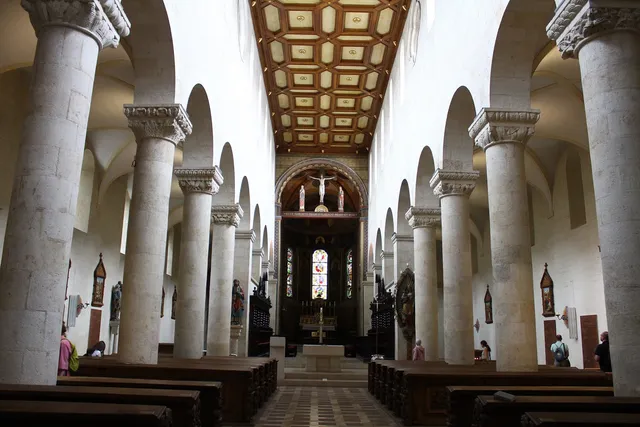
Scots Monastery
Jakobstraße 3, 93047 Regensburg, Germany
4.7(199)
Open until 6:00 PM
Save
spot
spot
Ratings & Description
Info
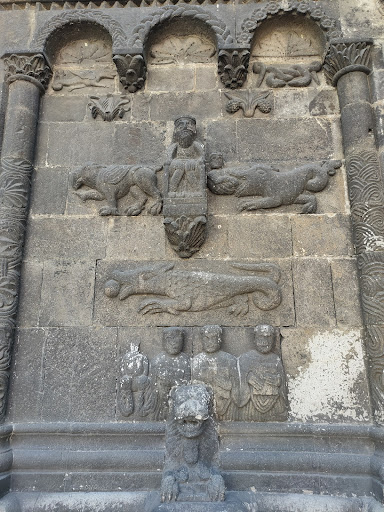
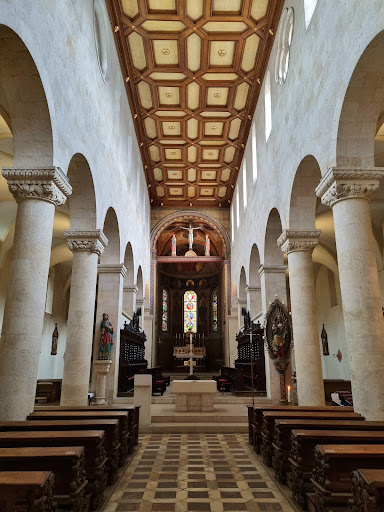
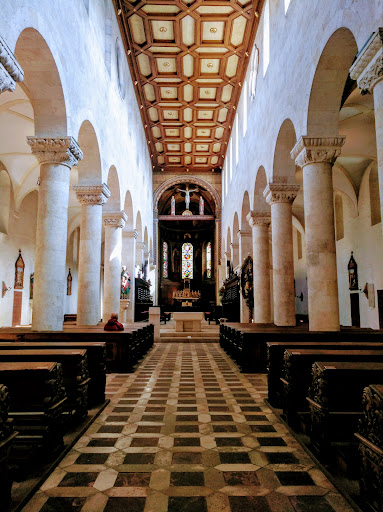
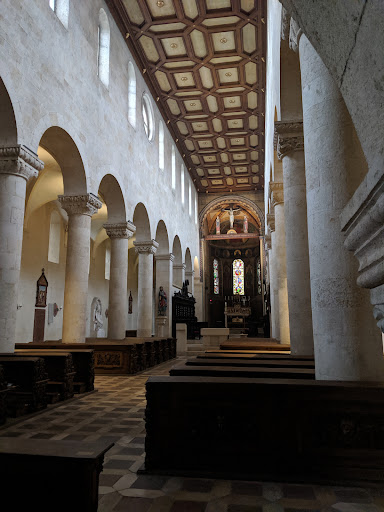
The Scots Monastery is the former Benedictine Abbey of St James in Regensburg, Germany. It was founded in the 11th century by Irish missionaries and for most of its history was in the hands of first Irish, then Scottish monks.
Cultural
attractions: Haidplatz, Regensburger Rittermahl im Apostelkeller, Haus der Musik, Trinity Church, Thon-Dittmer-Palais, Schloss St. Emmeram, Thurn und Taxis, St. Emmeram's Abbey, Ostdeutsche Galerie, St Peter Cathedral, document Kepler, restaurants: Brauereigaststätte Kneitinger, Marple and Stringer, Kyoto Running Sushi Restaurant, Neue Filmbühne - Regensburg, Café anton, Restaurant Mirabelle Regensburg, Zur Goldenen Kaper, Wirtshaus Kreuzschänke, Tiki Beat Bar & Club, Sushihaus, local businesses: Bismarckplatz, Stenz Eis, Cannameleon Gesundheits-Shop Regensburg (CBD uvm.), Arnulfsplatz, Schlemmer Duo, Eiscafé Piccolo, Eiserner Steg Regensburg, Keplerstraße 15, Neupfarrplatz, Basilica of St. Emmeram
 Learn more insights from Wanderboat AI.
Phone
+49 941 29830
Website
schottenkirche.de
Open hoursSee all hours
Mon8 AM - 6 PMOpen
Plan your stay

Pet-friendly Hotels in Regensburg
Find a cozy hotel nearby and make it a full experience.

Affordable Hotels in Regensburg
Find a cozy hotel nearby and make it a full experience.

The Coolest Hotels You Haven't Heard Of (Yet)
Find a cozy hotel nearby and make it a full experience.

Trending Stays Worth the Hype in Regensburg
Find a cozy hotel nearby and make it a full experience.
Reviews
Live events
Candlelight: Das Beste der 80er
Sat, Feb 28 • 4:00 PM
Haidplatz 8, Regensburg, 93047
View details

Paarzeit Schatzsuche: Mission Regensburgs
Mon, Feb 23 • 9:00 AM
Domplatz, Regensburg, 93047
View details

Candlelight: Queen meets ABBA
Fri, Feb 27 • 8:30 PM
Ägidienplatz 5, Regensburg, 93047
View details
Nearby attractions of Scots Monastery
Haidplatz
Regensburger Rittermahl im Apostelkeller
Haus der Musik
Trinity Church
Thon-Dittmer-Palais
Schloss St. Emmeram, Thurn und Taxis
St. Emmeram's Abbey
Ostdeutsche Galerie
St Peter Cathedral
document Kepler
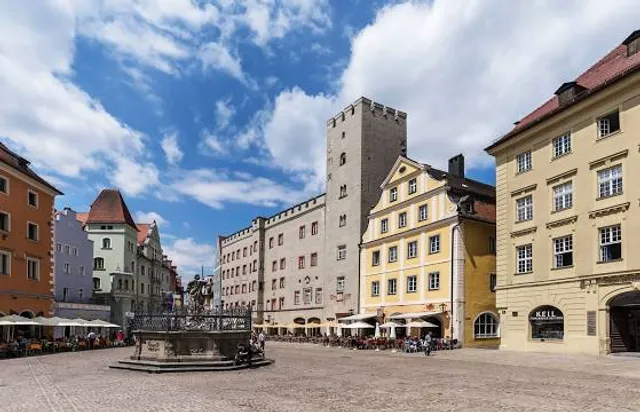
Haidplatz
4.5
(1.4K)
Open until 12:00 AM
Click for details

Regensburger Rittermahl im Apostelkeller
4.4
(287)
Open until 12:00 AM
Click for details
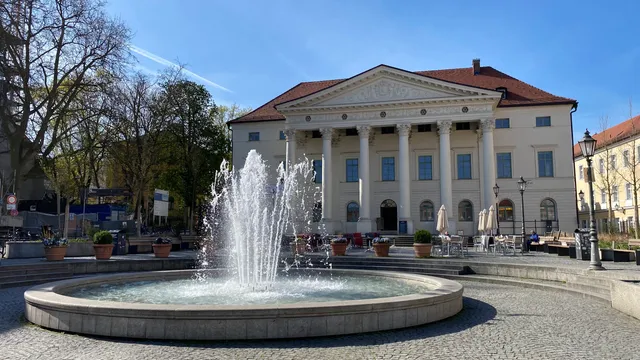
Haus der Musik
4.7
(13)
Open 24 hours
Click for details
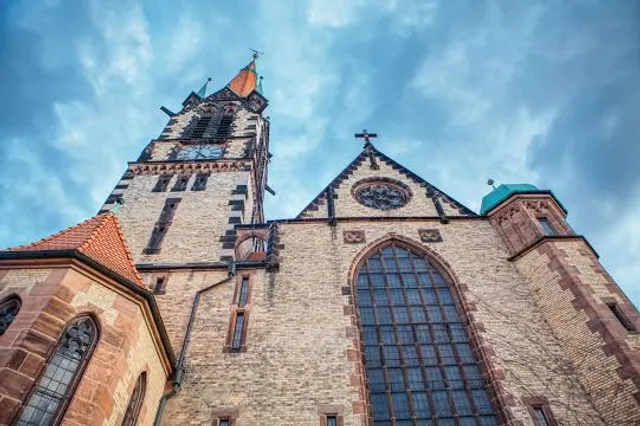
Trinity Church
4.5
(101)
Open until 12:00 AM
Click for details
Nearby restaurants of Scots Monastery
Brauereigaststätte Kneitinger
Marple and Stringer
Kyoto Running Sushi Restaurant
Neue Filmbühne - Regensburg
Café anton
Restaurant Mirabelle Regensburg
Zur Goldenen Kaper
Wirtshaus Kreuzschänke
Tiki Beat Bar & Club
Sushihaus
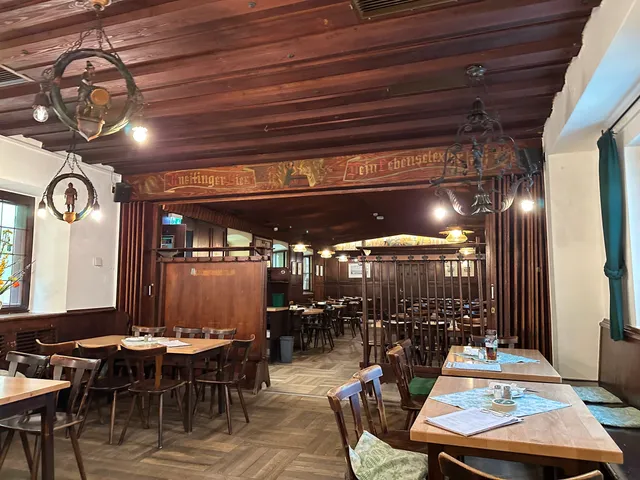
Brauereigaststätte Kneitinger
4.6
(1.8K)
Closed
Click for details
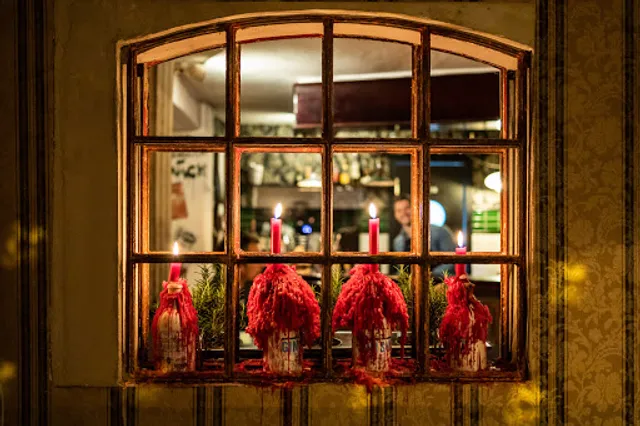
Marple and Stringer
4.7
(379)
Closed
Click for details
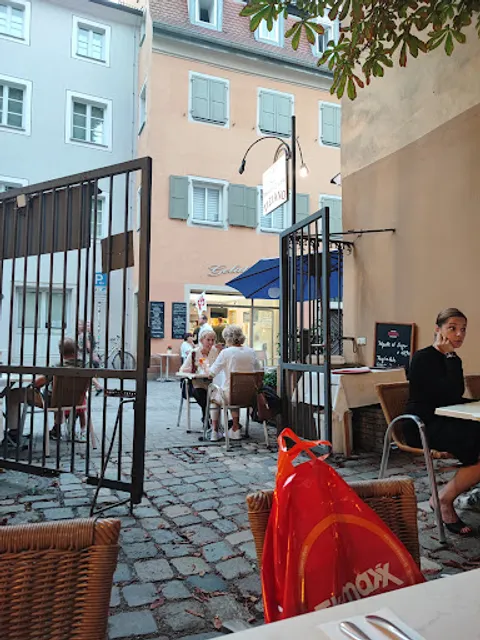
Kyoto Running Sushi Restaurant
4.0
(723)
Closed
Click for details

Neue Filmbühne - Regensburg
4.3
(241)
Open until 2:00 AM
Click for details
Nearby local services of Scots Monastery
Bismarckplatz
Stenz Eis
Cannameleon Gesundheits-Shop Regensburg (CBD uvm.)
Arnulfsplatz
Schlemmer Duo
Eiscafé Piccolo
Eiserner Steg Regensburg
Keplerstraße 15
Neupfarrplatz
Basilica of St. Emmeram
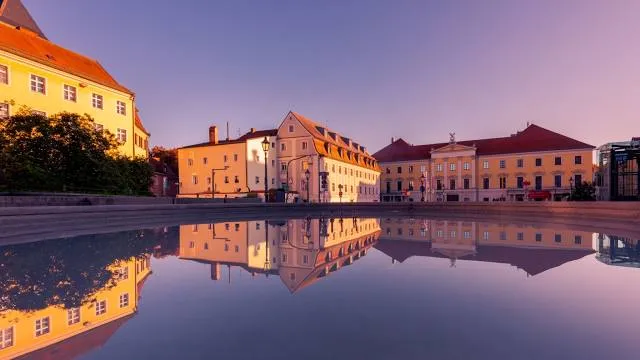
Bismarckplatz
4.6
(1.5K)
Click for details

Stenz Eis
4.6
(389)
Click for details

Cannameleon Gesundheits-Shop Regensburg (CBD uvm.)
5.0
(115)
Click for details
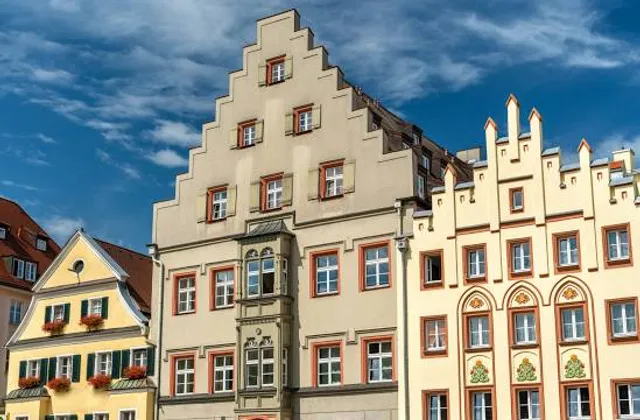
Arnulfsplatz
4.3
(55)
Click for details